Overview
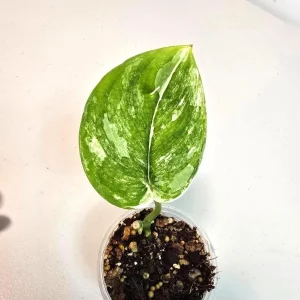
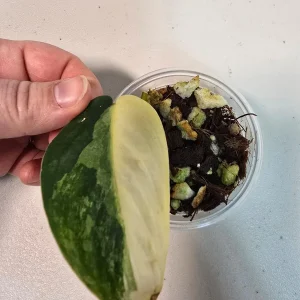
Introduce a touch of sophisticated greenery to your indoor space with the exquisite variegated scindapsus pictus jade satin live plant. This captivating houseplant, often referred to as ‘Satin Pothos’ or ‘Silver Pothos’, is renowned for its striking foliage. Each heart-shaped leaf showcases a unique pattern of creamy-white to light yellow patches and marbling against a rich, dark green backdrop, creating a truly mesmerizing display. As a vining plant, it naturally cascades, making it a perfect choice for elevated positions like shelves or hanging baskets, where its beauty can be fully appreciated. The variegated scindapsus pictus jade satin is a fantastic addition for both seasoned collectors and new plant parents looking to enhance their home decor with a low-maintenance yet visually stunning specimen.
This particular offering is for a healthy, live potted plant, ready to thrive in its new environment. The Scindapsus genus is native to Southeast Asia and is celebrated for its adaptability and air-purifying qualities, contributing to a healthier indoor atmosphere. The ‘Jade Satin’ cultivar stands out with its particularly vibrant and well-defined variegation, making it a highly sought-after variety. Its ability to tolerate a range of indoor conditions further solidifies its status as a beloved houseplant.
Key Benefits
The variegated scindapsus pictus jade satin offers numerous advantages that make it a superb choice for any indoor plant collection. Its aesthetic appeal is undeniable, but its benefits extend far beyond just good looks.
- Stunning Variegated Foliage: The primary draw of this plant is its incredibly beautiful heart-shaped leaves, featuring intricate silver-green to creamy-white patterns. This unique variegation on dark green provides a constant visual interest and adds a sophisticated touch to any room.
- Versatile Display Options: As a vining plant, the variegated scindapsus pictus jade satin can be grown in various ways. Allow it to trail elegantly from a hanging basket or shelf, or train it to climb a moss pole for a more upright, lush appearance.
- Air Purification Qualities: Like many houseplants, Scindapsus pictus varieties are known to help filter common indoor air pollutants, contributing to a fresher and healthier living environment.
- Relatively Low Maintenance: This plant is quite forgiving and suitable for beginners. With basic care, it remains vibrant and healthy, making it an excellent choice for those with busy lifestyles or new to plant care. Understanding scindapsus pictus care is straightforward and rewarding.
- Collector’s Item: The ‘Jade Satin’ cultivar is considered a somewhat rare scindapsus plant, making it an exciting addition for plant collectors seeking unique and less common varieties to expand their green sanctuaries.
- Adaptable to Indoor Conditions: It thrives in typical household temperatures and humidity levels, making it well-suited for most indoor settings without requiring extreme environmental adjustments.
- Enhances Home Decor: Its lush foliage and cascading habit instantly elevate the aesthetic of any space, adding a natural element of beauty and tranquility. This indoor vining plant can transform a dull corner into a vibrant focal point.
Plant Care & Growing Tips
Caring for your variegated scindapsus pictus jade satin is relatively simple, ensuring it remains a vibrant and healthy addition to your home. Providing the right conditions will encourage lush growth and maintain its stunning variegation. This rare scindapsus plant thrives with consistent, thoughtful attention.
Light: The variegated scindapsus pictus jade satin prefers bright, indirect light. Placing it near an east or north-facing window is ideal. It can tolerate lower light conditions, but its unique variegation will be more vibrant and pronounced with adequate light. Avoid direct sunlight, as it can scorch the delicate leaves, leading to browning or fading of the variegated patterns. Rotating the plant occasionally will ensure even growth and light exposure.
Watering: Allow the top inch or two of the soil to dry out completely before watering thoroughly. When you water, ensure proper drainage to prevent root rot, which is a common issue for many houseplants. During the active growing season (spring and summer), you may need to water more frequently. Reduce watering during the dormant period in fall and winter. A good indicator that your plant needs water is when the leaves start to curl slightly. Learning proper satin pothos care involves understanding its watering needs.
Soil: Use a well-draining, peat-based potting mix. Adding perlite or orchid bark can significantly improve drainage and aeration, which is crucial for preventing waterlogged roots. Ensure the pot has drainage holes to allow excess water to escape. A good quality potting mix provides the necessary nutrients and structure for healthy root development.
Temperature & Humidity: This tropical plant thrives in average room temperatures, ideally between 65-80°F (18-27°C). Avoid sudden temperature fluctuations and cold drafts. While it tolerates average household humidity, it will appreciate higher humidity levels, especially during dry winter months. You can increase humidity by misting the leaves, placing the pot on a pebble tray with water, or using a humidifier. This helps mimic its natural jungle environment.
Fertilization: During the growing season (spring and summer), feed your variegated scindapsus pictus jade satin every 2-4 weeks with a balanced liquid fertilizer diluted to half strength. Reduce or stop fertilization during the fall and winter months when the plant’s growth slows down. Over-fertilization can lead to nutrient burn, so always follow product instructions.
Pruning: Prune your plant to maintain its shape, encourage bushier growth, and propagate new plants. You can trim back leggy stems just above a node (where a leaf attaches to the stem). This encourages new growth from that point. Regular pruning also helps maintain the plant’s overall health and vigor. Understanding these aspects of scindapsus pictus care will ensure a thriving plant.
Size & Details
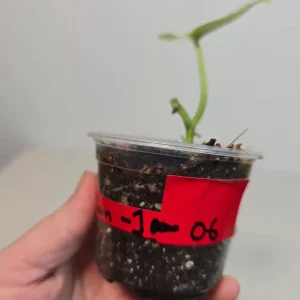
The variegated scindapsus pictus jade satin live plant is delivered in a nursery pot, ready for you to enjoy and integrate into your home decor. While exact dimensions can vary slightly based on individual plant growth, you can expect a healthy, well-rooted specimen with established foliage. This plant is known for its moderate growth rate, allowing it to develop into a beautiful cascading display over time. The vining stems can reach impressive lengths, creating a lush, full appearance.
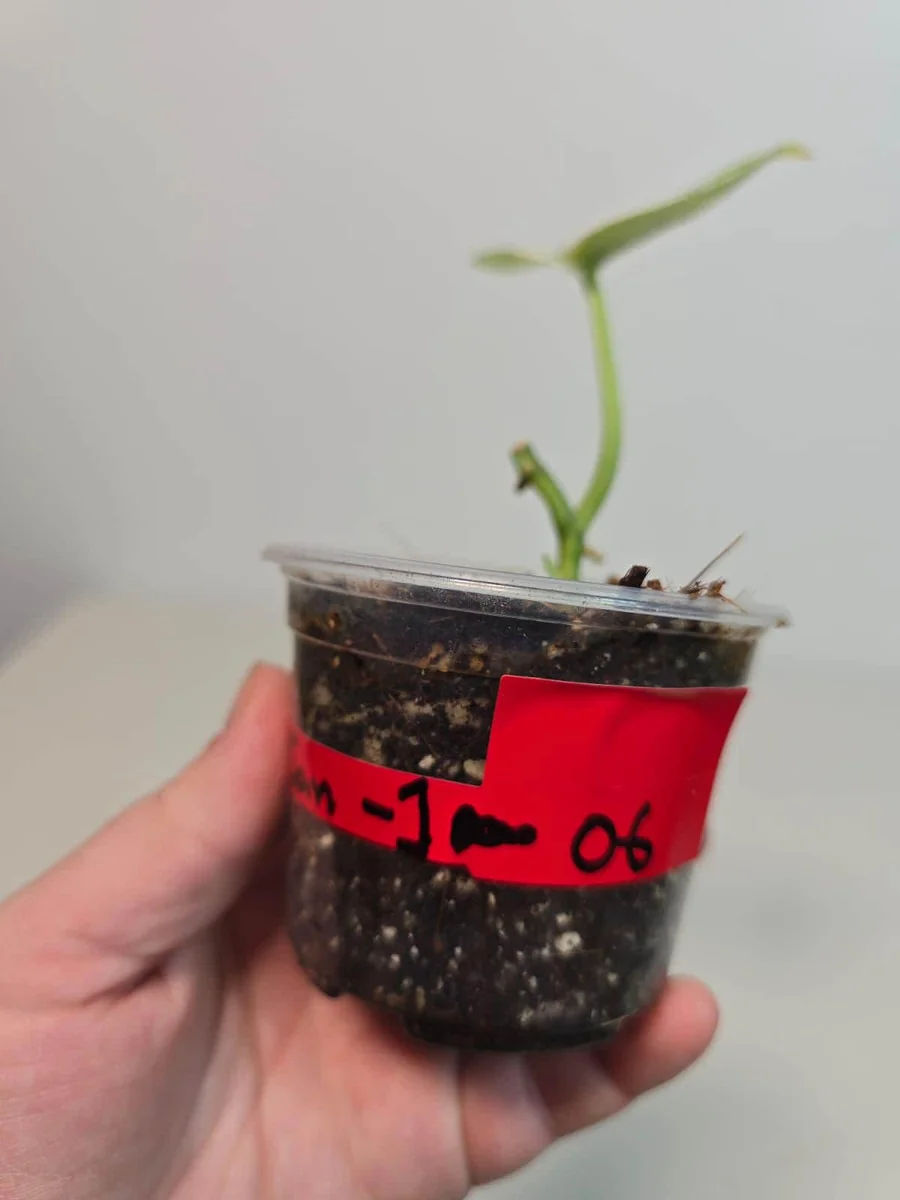
Upon arrival, your indoor vining plant will be carefully packaged to ensure its well-being during transit. It is shipped as a live, potted plant, meaning it comes with its root system intact within its growing medium. This ensures minimal transplant shock and allows you to enjoy its beauty almost immediately. With proper satin pothos care, this plant will continue to grow and flourish, developing longer vines and more intricate variegation patterns as it matures, becoming a true focal point in your indoor garden.
Frequently Asked Questions
- Q: How big does the variegated scindapsus pictus jade satin get? A: As a vining plant, its length can vary significantly depending on growing conditions and care. Stems can easily trail several feet in length, making it ideal for hanging baskets or training on support structures. The average leaf size is typically 2-4 inches long.
- Q: What size pot does it come in? A: This plant typically comes in a standard nursery pot, usually a 4-inch or 6-inch diameter, which is suitable for its initial growth stage. You may need to repot it into a slightly larger pot as it grows.
- Q: Is this an indoor or outdoor plant? A: The variegated scindapsus pictus jade satin is primarily an indoor houseplant in most climates. It can be moved outdoors in shaded areas during warm summer months in USDA zones where temperatures remain consistently above 50°F (10°C).
- Q: How much sunlight does it need? A: It thrives in bright, indirect light. Direct sunlight should be avoided as it can scorch the leaves and fade the variegation. A spot near an east or north-facing window is usually perfect.
- Q: Is this plant easy to care for? A: Yes, this plant is considered relatively easy to care for, making it suitable for both beginners and experienced plant enthusiasts. Consistent watering and appropriate light are key to successful scindapsus pictus care.
- Q: What condition will it arrive in? A: We ensure that the plant is carefully packaged to minimize stress during shipping. It will arrive as a live, healthy potted plant with its root system intact and ready to be placed in your home.
- Q: Is the variegated scindapsus pictus jade satin pet-safe? A: No, like many plants in the Araceae family, Scindapsus pictus contains calcium oxalate crystals, which can cause irritation to the mouth and digestive tract if ingested by pets. It’s best to keep this plant out of reach of curious pets.
- Q: How often should I water my satin pothos care plant? A: Water when the top 1-2 inches of soil feel dry to the touch. The frequency will depend on factors like light, temperature, and humidity, but generally, once every 7-10 days is a good starting point.
- Q: Can I propagate this plant? A: Absolutely! The variegated scindapsus pictus jade satin is very easy to propagate from stem cuttings. Simply take a cutting with at least one node and a few leaves, and place it in water or moist soil until roots develop.
- Q: Why are the leaves on my rare scindapsus plant turning yellow? A: Yellowing leaves can often indicate overwatering, especially if accompanied by soft stems. It can also be a sign of underwatering if the leaves are also crispy, or a nutrient deficiency if older leaves are affected. Adjust your watering schedule and check soil conditions.


Reviews
There are no reviews yet.