Overview
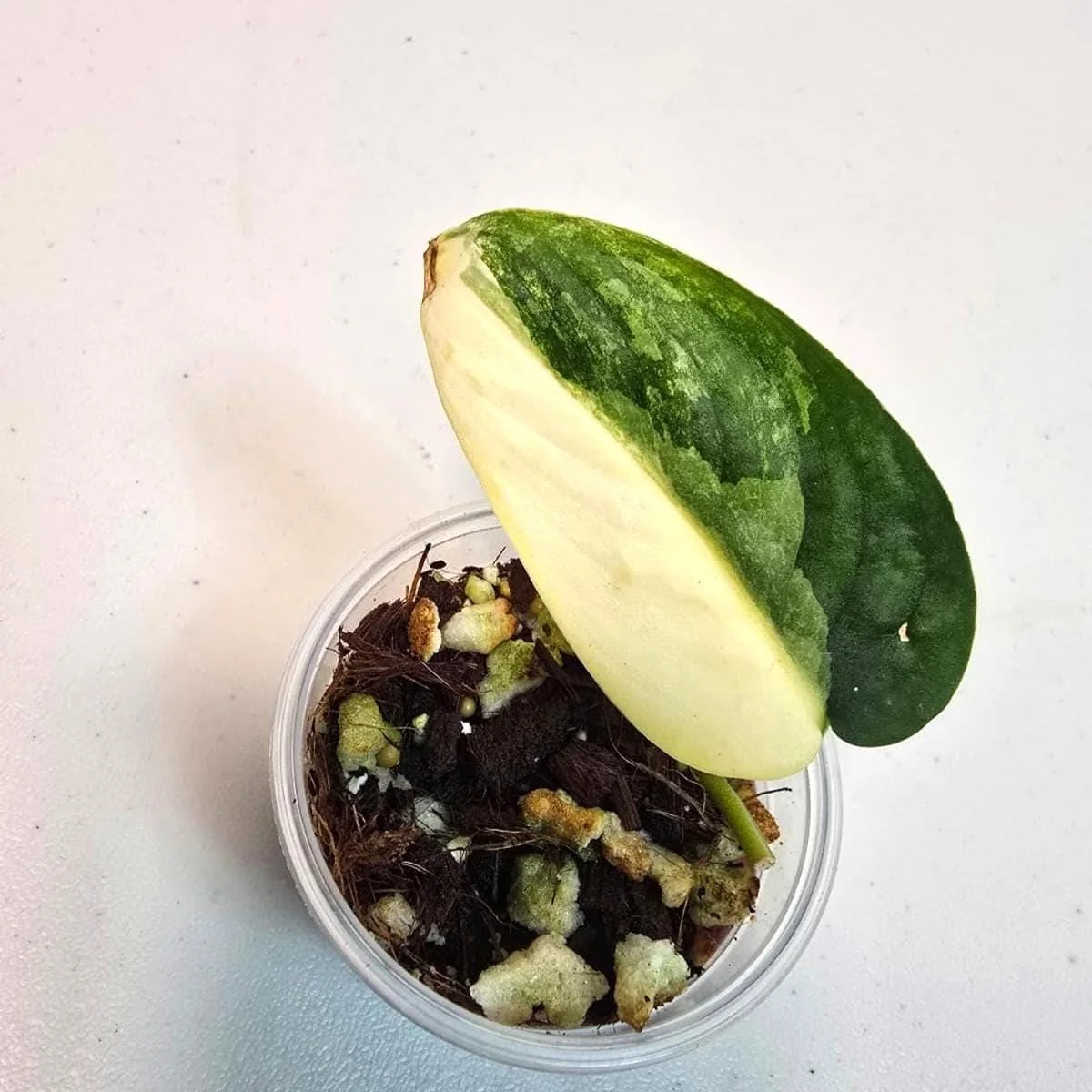
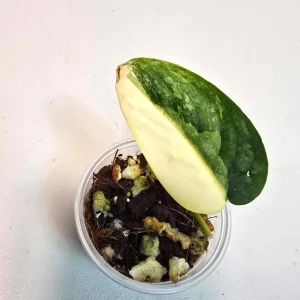
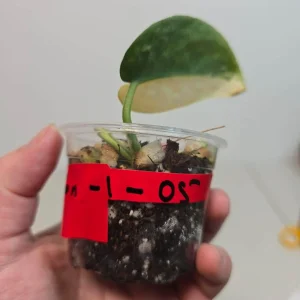
Introduce a touch of sophisticated greenery to your indoor space with the exquisite variegated scindapsus pictus ‘Jade Satin’. This highly sought-after live plant, often referred to simply as ‘Jade Satin’ Pothos, is a must-have for collectors and enthusiasts alike. Known for its dramatically heart-shaped leaves that boast a stunning silver, creamy-white, or light yellow variegation on a deep green canvas, this plant creates a captivating visual display. The ‘Jade Satin’ cultivar is distinct for its more pronounced and often larger areas of variegation, making each leaf a unique work of art. As a vining plant, it can be styled in various ways – allowed to trail gracefully from shelves, trained to climb a moss pole, or kept compact with regular pruning. This particular offering provides you with a healthy, established variegated scindapsus pictus, ready to flourish in its new home. Its striking appearance and relatively straightforward care make it an excellent choice for both experienced plant parents and those looking to elevate their indoor plant collection with a truly special specimen.
The botanical name, Scindapsus pictus, refers to a genus of flowering plants in the Araceae family, native to tropical forests. The ‘Jade Satin’ variety stands out due to its specific and beautiful variegation pattern, setting it apart from other Scindapsus cultivars. This rare indoor plant is not only beautiful but also contributes to a serene and natural indoor environment, making it a valuable addition to any living space or office.
Key Benefits
The variegated scindapsus pictus ‘Jade Satin’ offers numerous advantages for the indoor gardener, blending aesthetic appeal with practical benefits. Its unique foliage and adaptable nature make it a top choice.
- Stunning Aesthetic Appeal: The primary draw of the variegated scindapsus pictus is its breathtaking foliage. Each heart-shaped leaf features intricate patterns of creamy-white or light yellow variegation against a rich, dark green, creating a dynamic and elegant look that enhances any room’s decor.
- Air Purification Qualities: Like many houseplants, the ‘Jade Satin’ contributes to a healthier indoor environment by helping to filter out common airborne toxins, improving the air quality in your home or office.
- Versatile Growth Habit: This vining plant can be displayed in multiple ways – as a hanging plant to cascade beautifully, or trained to climb for a more upright presentation. Its adaptability allows for creative and flexible decor options.
- Relatively Low Maintenance: Despite its exotic appearance, scindapsus pictus care is surprisingly manageable. It doesn’t demand constant attention, making it suitable for busy individuals or those new to plant keeping.
- Ideal for Moderate Light Conditions: The ‘Jade Satin’ thrives in bright, indirect light but can also tolerate lower light conditions, making it a versatile choice for various spots within your home. It’s an excellent low light houseplant option, though optimal variegation is achieved with good light.
- Collector’s Item: Due to its distinctive variegation and elegant appearance, the ‘Jade Satin’ is considered a desirable rare indoor plant among plant collectors, adding a unique specimen to any collection.
- Adds Texture and Depth: The velvety texture of its leaves and the contrasting colors provide a wonderful textural element, adding depth and interest to your plant arrangements and interior design.
Plant Care & Growing Tips
Caring for your variegated scindapsus pictus ‘Jade Satin’ is a rewarding experience, and with a few key practices, you can ensure your plant thrives. This plant prefers conditions that mimic its native tropical habitat but is quite forgiving. For optimal growth and vibrant variegation, understanding its needs for light, water, and soil is crucial.
Light: The ‘Jade Satin’ flourishes in bright, indirect light. Placing it near an east or north-facing window, or a few feet away from a south or west-facing window, is ideal. While it can tolerate lower light levels, the variegation may become less pronounced. Direct sunlight should be avoided as it can scorch the delicate leaves, causing unsightly brown spots. Rotate your plant occasionally to ensure even growth and light exposure on all sides.
Watering: Proper watering is a cornerstone of successful scindapsus pictus care. Allow the top 1-2 inches of soil to dry out completely before watering thoroughly. When you water, ensure excess water drains from the bottom of the pot to prevent root rot, a common issue for many houseplants. During the active growing season (spring and summer), you may need to water more frequently, while in the dormant cooler months, watering can be reduced. Always check the soil moisture before watering rather than sticking to a strict schedule.
Soil and Humidity: A well-draining, peat-based potting mix is essential for the ‘Jade Satin’. Incorporating perlite or orchid bark can further improve drainage and aeration, which are vital for healthy root development. Ensure the pot has drainage holes. As a tropical plant, the variegated scindapsus pictus appreciates higher humidity. You can increase humidity by misting the leaves regularly, placing the pot on a pebble tray with water, or using a humidifier, especially in dry indoor environments. Average room temperatures between 65-80°F (18-27°C) are suitable. Avoid sudden temperature drops or cold drafts.
Fertilization and Pruning: During the growing season, feed your ‘Jade Satin’ with a balanced liquid fertilizer diluted to half strength every 2-4 weeks. Reduce or stop fertilization during fall and winter. Pruning can help maintain the plant’s shape and encourage bushier growth. Simply snip off leggy stems just above a leaf node. These cuttings can often be propagated to create new plants. Watch out for common pests like spider mites or mealybugs; inspect your plant regularly and treat any infestations promptly with an insecticidal soap.
Size & Details
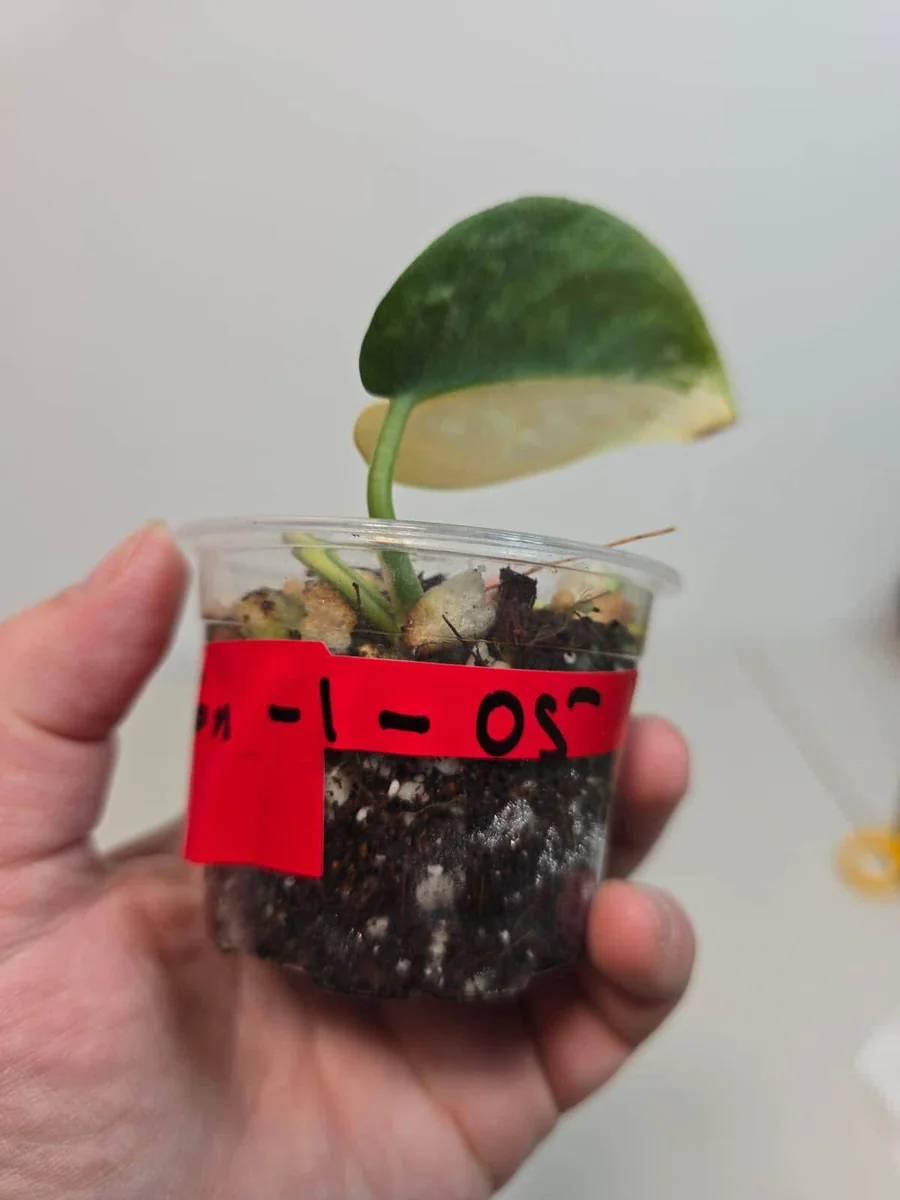
This offering is for a single, live variegated scindapsus pictus ‘Jade Satin’ plant, carefully grown and nurtured to ensure its health and vitality upon arrival. It comes established in a standard nursery pot, typically ranging from 4 to 6 inches in diameter, providing a stable environment for its root system during transit and initial acclimation. The plant’s height and spread will vary depending on its growth stage but generally presents as a well-rooted specimen with several vining stems already showing the characteristic variegated foliage. Expect the plant to have a compact to moderately trailing habit upon arrival, ready to grow and develop its cascading effect over time. The ‘Jade Satin’ is known for its moderate growth rate, and with proper scindapsus pictus care, it can produce long, lush vines perfect for hanging baskets or climbing supports. This rare indoor plant is shipped in its nursery pot with soil, ensuring minimal stress during transit and an easy transition to your home. It develops its full variegation and characteristic leaf size as it matures.
Frequently Asked Questions
- Q: How big does the variegated scindapsus pictus ‘Jade Satin’ get? A: This vining plant can produce trails several feet long. Its length depends on growing conditions and desire for pruning. Individual leaves typically reach 4-6 inches in length, showcasing the beautiful variegation.
- Q: Is this an indoor or outdoor plant? A: The variegated scindapsus pictus ‘Jade Satin’ is primarily an indoor houseplant in most climates. It thrives in typical indoor temperatures and humidity. While it could be grown outdoors in very warm, humid, and frost-free environments, it’s generally best kept indoors.
- Q: How much sunlight does the ‘Jade Satin’ plant need? A: It prefers bright, indirect light. Direct sunlight can scorch its leaves, while too little light may cause the variegation to fade. It’s considered a good low light houseplant, but brighter indirect light enhances its patterns.
- Q: Is this plant easy to care for? A: Yes, scindapsus pictus care is considered relatively easy, making it suitable for beginners and experienced plant enthusiasts alike. Its main requirements are proper watering and indirect light.
- Q: What condition will the plant arrive in? A: The plant will arrive healthy and actively growing, securely packaged in its nursery pot with soil. We take great care to ensure it reaches you in excellent condition, ready to be enjoyed.
- Q: What kind of soil is best for a variegated scindapsus pictus? A: A well-draining, peat-based potting mix is ideal. Adding perlite or orchid bark can further improve drainage and aeration, which is crucial for preventing root rot.
- Q: Is the ‘Jade Satin’ plant pet-safe? A: Like many plants in the Araceae family, Scindapsus pictus contains calcium oxalate crystals, which can be irritating if ingested. It’s best to keep this variegated scindapsus pictus out of reach of pets and children.
- Q: How often should I water my ‘Jade Satin’ plant? A: Water when the top 1-2 inches of soil feel dry to the touch. This typically means once every 1-2 weeks, but can vary based on light, humidity, and season. Always ensure good drainage.
- Q: Can I propagate my ‘Jade Satin’ plant? A: Yes, the ‘Jade Satin’ can be easily propagated from stem cuttings. Simply take a cutting with at least one node and place it in water or moist soil until roots develop. This is a great way to expand your collection of this rare indoor plant.
- Q: Why is my ‘Jade Satin’ plant losing its variegation? A: Fading variegation can often be a sign of insufficient light. Try moving your plant to a brighter spot with indirect light. Ensure it’s not getting too much direct sun, which can also stress the plant.


Reviews
There are no reviews yet.