Overview
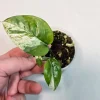
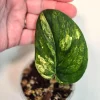
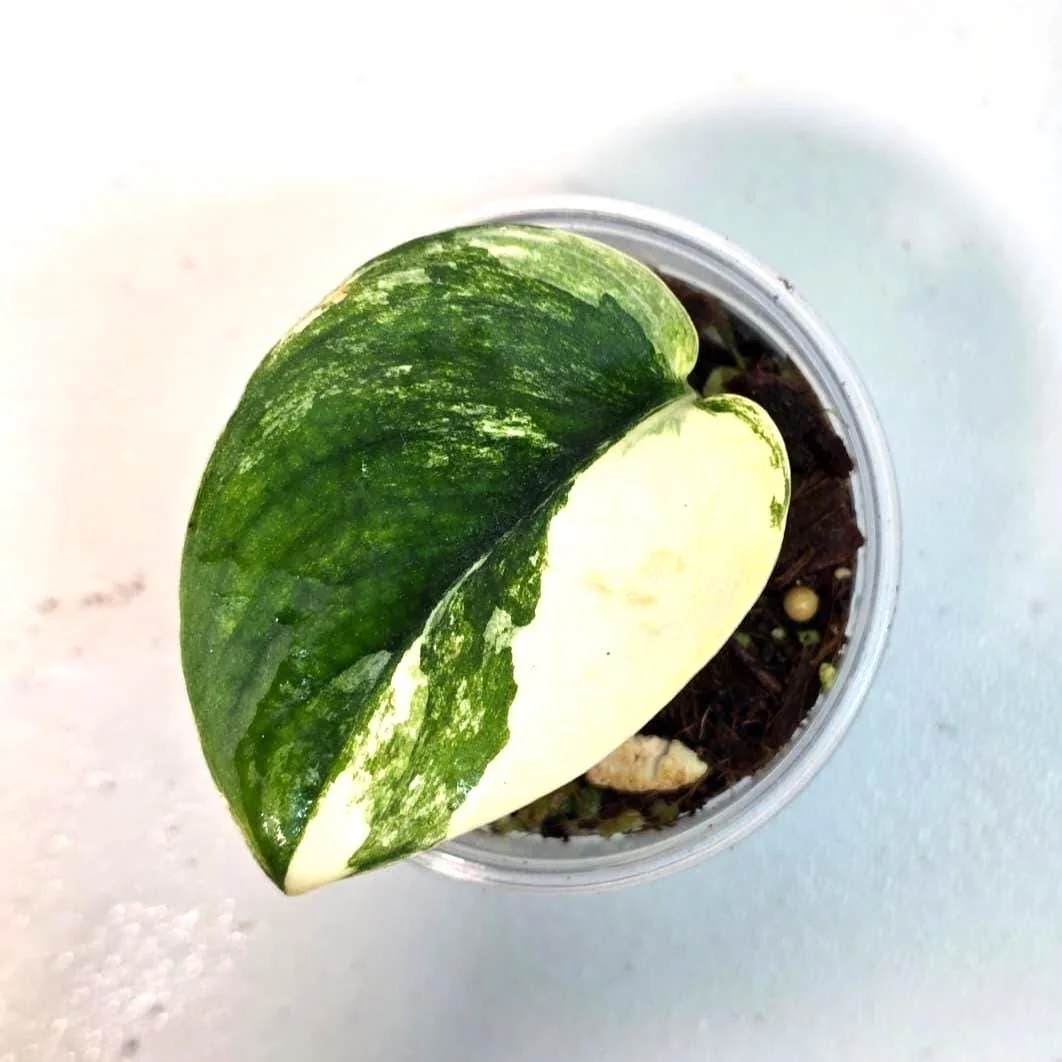
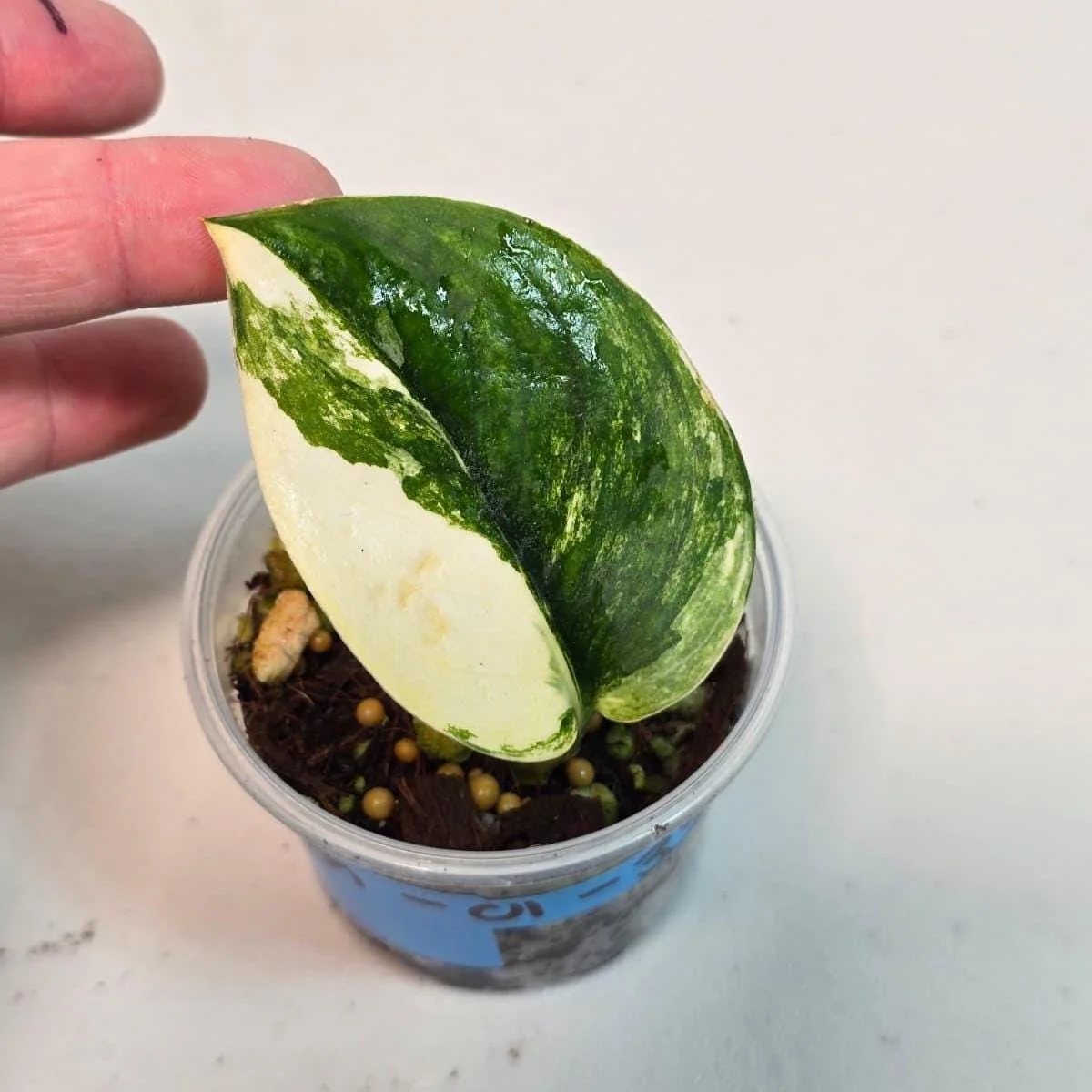
Introduce a touch of sophisticated greenery to your home with the stunning variegated scindapsus pictus jade satin live plant. Also commonly known as ‘Jade Satin Pothos’ or ‘Satin Pothos’, this captivating aroid is cherished for its unique foliage and elegant growth habit. Each heart-shaped leaf on this plant features a mesmerizing pattern of creamy-white to light yellow variegation, artfully splashed across a deep green background, making every leaf a miniature work of art. As a vining plant, it naturally creates a beautiful cascading effect, making it an ideal choice for elevated planters, shelves, or hanging baskets where its trailing stems can be admired. This particular variety is considered a rare collector plant due to its distinctive variegation and sought-after beauty, appealing to both novice and experienced plant enthusiasts. Bring home this living masterpiece and enjoy the serene beauty it adds to your indoor sanctuary.
The botanical name Scindapsus pictus signifies its painted leaves, and the ‘Jade Satin’ cultivar emphasizes its glossy, satin-like finish combined with a rich jade-green base. This tropical plant thrives in typical indoor conditions, making it an excellent addition to any houseplant collection. Its relatively easy care requirements further enhance its appeal, allowing you to enjoy its lush foliage without constant fuss. The vibrant contrast of its variegated leaves ensures it stands out, becoming a focal point in any room. Embrace the charm and elegance of this remarkable plant and watch it transform your living space.
Key Benefits
The variegated scindapsus pictus jade satin offers numerous advantages beyond its obvious aesthetic appeal, making it a highly desirable houseplant for various reasons:
- Stunning Ornamental Value: The primary draw of this plant is its breathtaking foliage. The heart-shaped leaves with their unique silver-green and creamy-white variegation provide a sophisticated and eye-catching display that enhances any interior decor. It’s a living piece of art that constantly evolves.
- Air Purification: Like many houseplants, the variegated scindapsus pictus jade satin contributes to improved indoor air quality. It helps filter out common airborne toxins, creating a healthier and more refreshing environment for you and your family.
- Low Maintenance: Despite its exotic appearance, this plant is surprisingly easy to care for, making it suitable for busy individuals or those new to plant parenthood. Its forgiving nature means it can tolerate occasional neglect, bouncing back with proper attention. It’s a great easy indoor plant option.
- Versatile Display Options: Its vining growth habit allows for diverse display possibilities. Whether cascading from a hanging basket, trailing elegantly from a shelf, or climbing a moss pole, the ‘Jade Satin’ can adapt to various arrangements, adding dynamic visual interest.
- Boosts Well-being: Studies show that having plants indoors can reduce stress, improve mood, and increase productivity. The calming presence and natural beauty of the ‘Jade Satin’ can contribute positively to your mental and emotional well-being.
- Collector’s Appeal: For plant enthusiasts and collectors, this specific variegated variety is a prized possession. Its distinct patterns and relative rarity make it a coveted addition to any serious collection, often sparking conversations and admiration.
- Adaptable Lighting: While it prefers bright, indirect light to maintain its vibrant variegation, the variegated scindapsus pictus jade satin can also tolerate lower light conditions, offering flexibility in placement within your home.
Plant Care & Growing Tips
Caring for your variegated scindapsus pictus jade satin is a rewarding experience, and with a few key practices, you can ensure it thrives and maintains its stunning variegation. This tropical vine appreciates conditions that mimic its natural habitat. For optimal growth and vibrant foliage, aim to provide consistent care without overdoing it. A common mistake with these plants is overwatering, which can quickly lead to root rot. Always check the soil moisture before watering.
Light: The ‘Jade Satin’ prefers bright, indirect light. Placing it near an east or north-facing window is often ideal. While it can tolerate lower light, its distinctive variegation may become less pronounced, and growth might slow down. Avoid direct sunlight, especially harsh afternoon sun, as this can scorch its delicate leaves, leading to brown spots. Rotating the plant occasionally will ensure even growth and light exposure on all sides. Understanding scindapsus pictus care for light is crucial for maintaining its beauty.
Watering: Allow the top 1-2 inches of the soil to dry out completely before watering thoroughly. When you water, ensure excess water drains out from the bottom of the pot to prevent the plant from sitting in soggy soil. During the active growing season (spring and summer), you may need to water more frequently, while in the dormant period (fall and winter), reduce watering. The leaves may start to curl slightly or feel less firm when the plant is thirsty, serving as a good indicator. This plant is considered an easy indoor plant partly due to its relatively forgiving watering schedule.
Soil & Humidity: Use a well-draining, peat-based potting mix. Incorporating perlite or orchid bark can significantly improve drainage and aeration, which is vital for healthy root development. Ensure the pot has drainage holes. As a tropical plant, the ‘Jade Satin’ appreciates moderate to high humidity. You can increase humidity by misting the leaves regularly, placing the pot on a pebble tray with water, or using a humidifier, especially in drier indoor environments. Regular misting also helps keep the leaves clean and free of dust.
Temperature & Fertilization: Maintain indoor temperatures between 65-80°F (18-27°C) and avoid sudden temperature fluctuations or cold drafts. This plant is not frost-tolerant. Fertilize every 2-4 weeks during the growing season (spring and summer) with a balanced liquid fertilizer diluted to half strength. Reduce or cease fertilization during fall and winter. Pruning can be done to encourage bushier growth or to maintain a desired size and shape. You can also propagate cuttings in water or soil to create new plants, expanding your collection of this beautiful silver ann scindapsus relative.
Size & Details
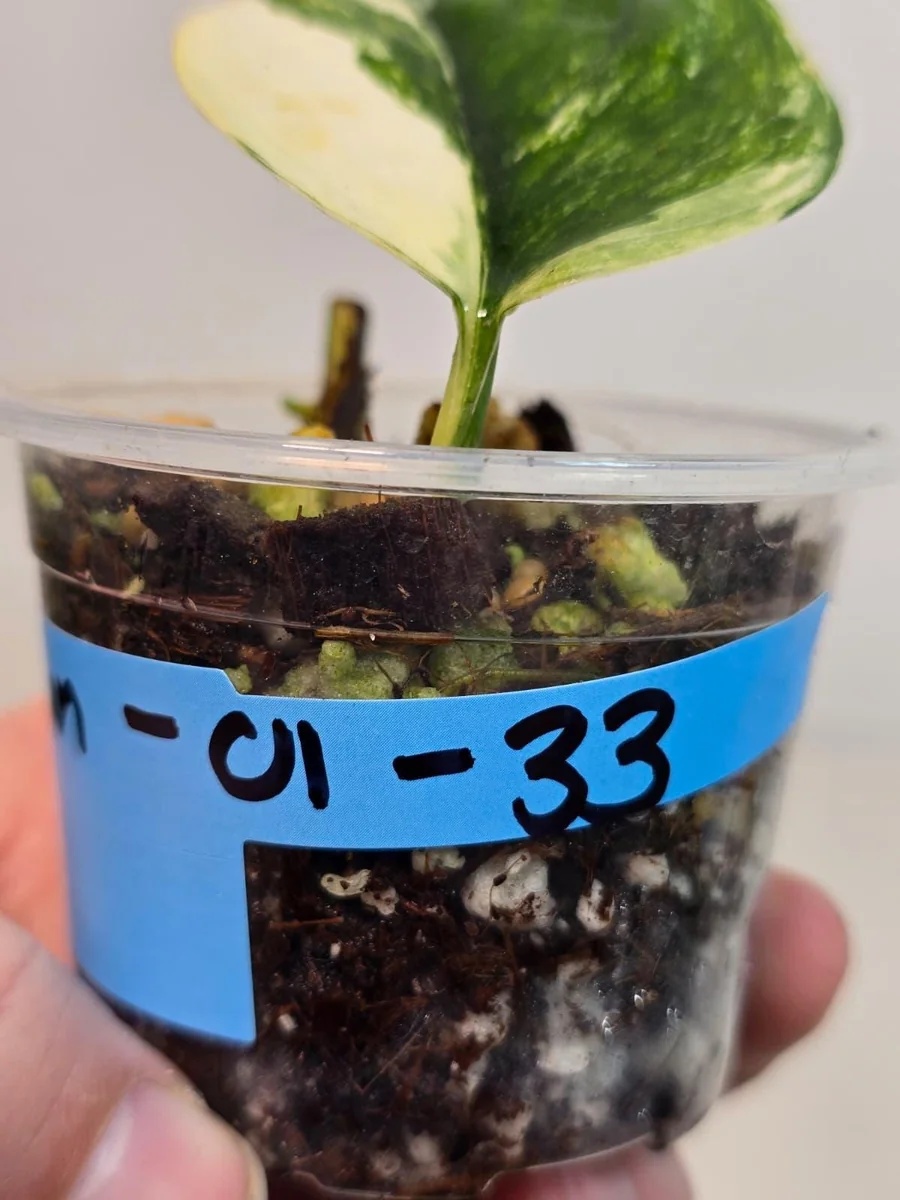
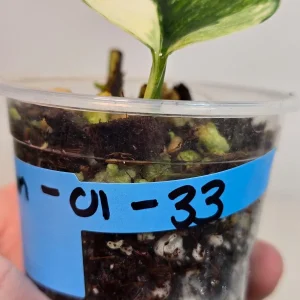
This variegated scindapsus pictus jade satin live plant is carefully cultivated to ensure a healthy and vibrant specimen upon arrival. It is typically shipped in a standard nursery pot, ready to be placed in your preferred decorative container. The plant’s vining stems can reach impressive lengths over time, often growing several feet long when given adequate support or allowed to trail. Individual leaves usually measure between 2 to 4 inches in length, showcasing the detailed variegation. The growth rate is moderate, allowing you to observe its development without it taking over your space too quickly. As a rooted live plant, it offers an immediate impact and adds established greenery to your home. This particular offering is for the exact plant pictured, ensuring you receive the unique beauty you expect.
Upon arrival, your variegated scindapsus pictus jade satin will be well-rooted and actively growing. While specific dimensions can vary slightly based on individual plant growth, you can expect a robust plant with several healthy leaves and developing vines. It is an excellent choice for those seeking a mature starter plant rather than a small cutting, providing a head start on cultivating this magnificent specimen. The plant will continue to grow and flourish, developing more of its characteristic variegated foliage and graceful trailing habit over time, becoming a cherished part of your indoor garden.
Frequently Asked Questions
- Q: How big does this variegated scindapsus pictus jade satin plant get? A: Its vining stems can grow quite long, often several feet, especially when given proper care and conditions. Individual leaves typically range from 2 to 4 inches in length. Its overall size depends on whether it’s allowed to trail or climb and how often it’s pruned.
- Q: What size pot does it come in? A: The plant is typically shipped in a standard nursery pot, ready for you to place into a decorative pot of your choice. The exact pot size may vary but is appropriate for the plant’s current growth stage.
- Q: Is this an indoor or outdoor plant? A: The variegated scindapsus pictus jade satin is primarily an indoor houseplant in most climates. It thrives in warm, humid conditions that are generally found indoors. It can be moved outdoors in shaded areas during warm summer months in suitable climates, but must be brought inside before temperatures drop.
- Q: How much sunlight does it need? A: This plant prefers bright, indirect light. Avoid direct sunlight, which can scorch its leaves. A spot near an east or north-facing window is often ideal. Too little light may result in less vibrant variegation.
- Q: Is this plant easy to care for? A: Yes, the variegated scindapsus pictus jade satin is considered a relatively easy-care houseplant, making it suitable for both beginners and experienced plant enthusiasts. Its scindapsus pictus care requirements are straightforward, mainly focusing on proper watering and lighting.
- Q: What condition will it arrive in? A: Your plant will arrive potted and well-established, carefully packaged to ensure its well-being during transit. It will be a healthy, actively growing specimen ready to thrive in its new home.
- Q: Is the silver ann scindapsus related to this plant? A: Yes, ‘Silver Ann’ is another popular cultivar of Scindapsus pictus, known for its distinct silver splashes. The ‘Jade Satin’ is a different cultivar within the same species, sharing similar care requirements but offering a unique variegation pattern.
- Q: How often should I water my ‘Jade Satin’ plant? A: Water when the top 1-2 inches of soil feel dry to the touch. This typically means once every 1-2 weeks, but can vary depending on your home’s humidity, light, and temperature. Always ensure good drainage.
- Q: Is this plant pet-safe? A: Like many Aroids, Scindapsus pictus is considered toxic if ingested by pets or humans due to calcium oxalates. It’s best to keep it out of reach of curious pets and children.
- Q: What is the ideal temperature range for this plant? A: The ‘Jade Satin’ thrives in average room temperatures between 65-80°F (18-27°C). Protect it from cold drafts and temperatures below 60°F (15°C).


Reviews
There are no reviews yet.