Overview
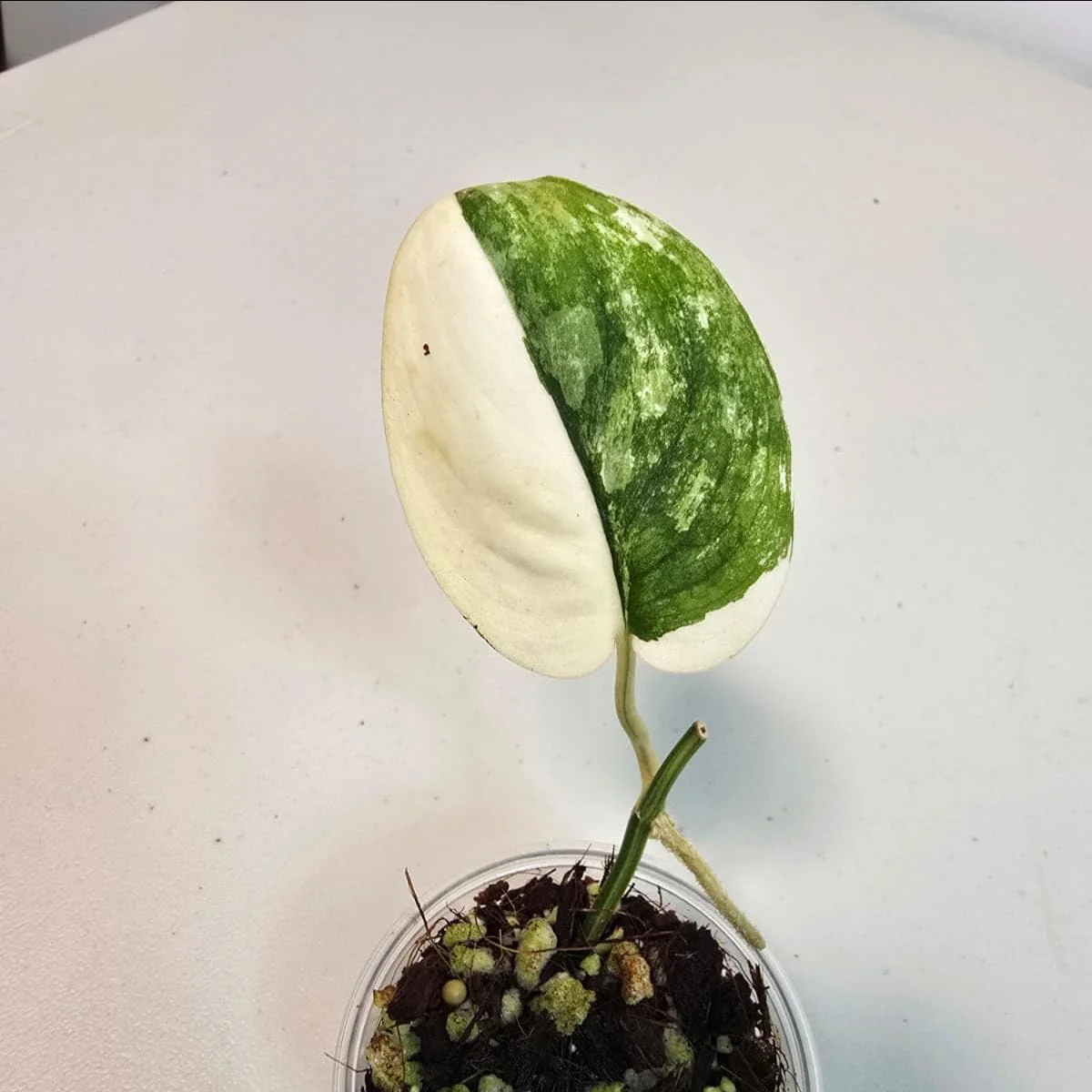
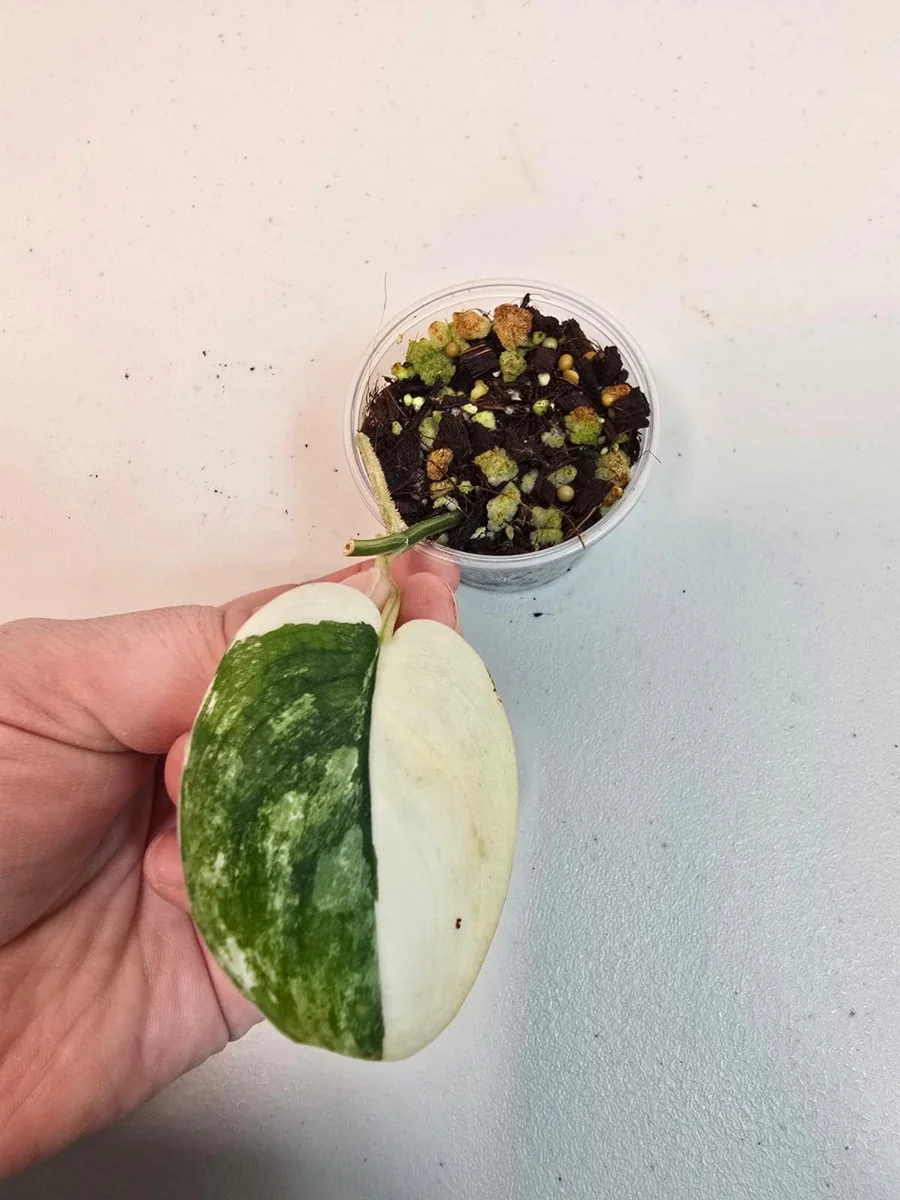
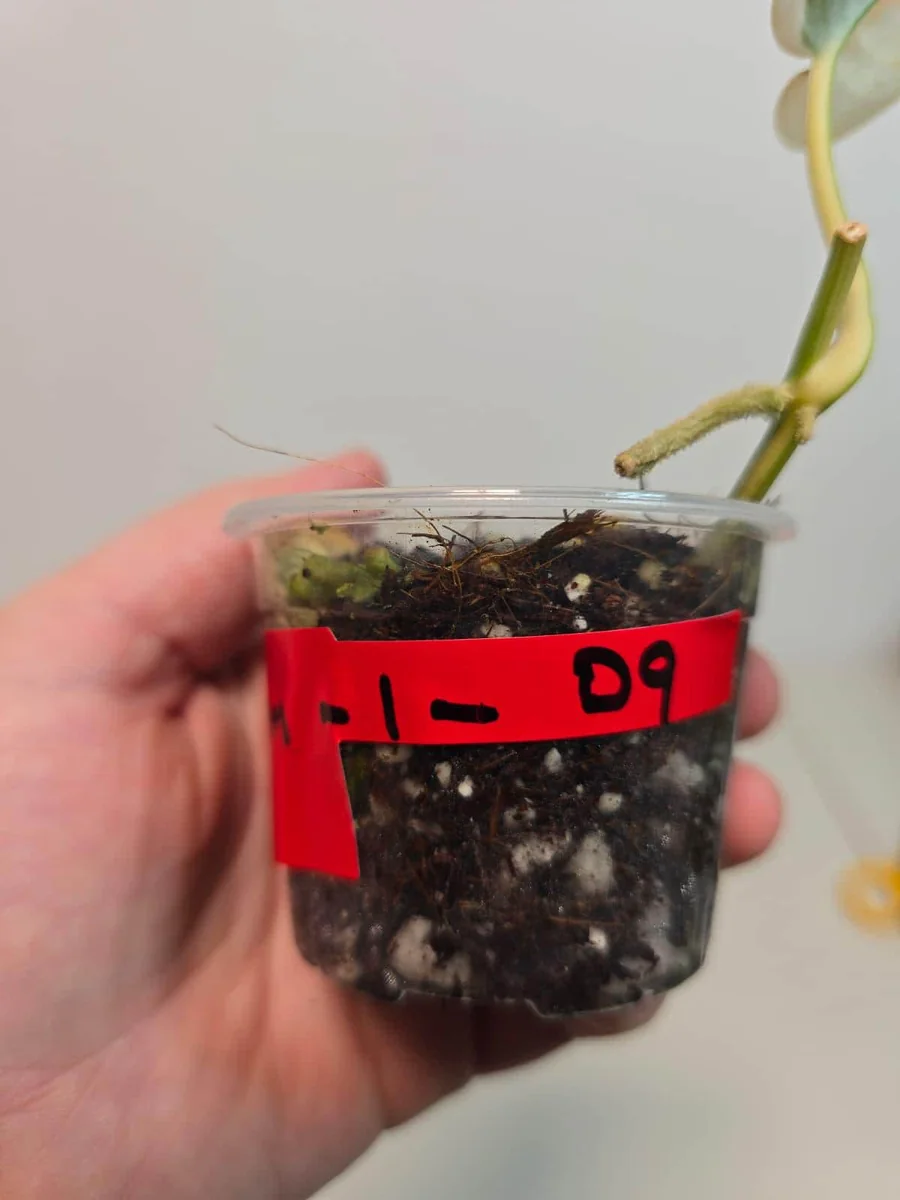
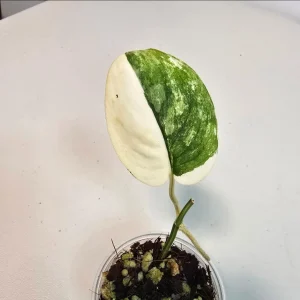
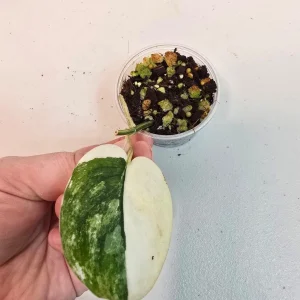
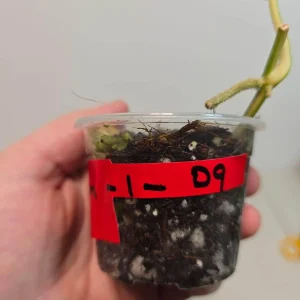
Introduce a touch of sophisticated elegance to your home with the magnificent variegated scindapsus pictus jade satin. This highly sought-after live plant, often referred to as ‘Satin Pothos’ or ‘Silver Pothos’ due to its velvety leaf texture and silvery-green patterns, is a true gem for any plant enthusiast. The ‘Jade Satin’ cultivar stands out with its particularly vibrant and well-defined variegation, featuring creamy-white to light yellow patches that beautifully contrast against a rich, dark green background on its heart-shaped leaves. As a vining plant, it gracefully trails or climbs, making it an ideal choice for hanging baskets, shelves, or trained on a moss pole. This particular offering provides the exact plant pictured, ensuring you receive the stunning specimen you expect. The variegated scindapsus pictus jade satin is not just a plant; it’s a living piece of art that promises to enhance your indoor jungle.
Originating from the tropical rainforests of Southeast Asia, Scindapsus Pictus varieties are known for their resilience and relatively easy-care nature, making them suitable for both seasoned collectors and those new to the world of rare houseplants. The ‘Jade Satin’ is especially prized for its unique foliage and the way its leaves shimmer in the light. This plant arrives healthy and established in a nursery pot, ready to thrive in its new home. Its striking appearance and manageable care requirements make it a fantastic addition for anyone looking to expand their collection with a truly special and beautiful plant.
Key Benefits
The variegated scindapsus pictus jade satin offers numerous advantages, making it a highly desirable addition to any indoor space. Its aesthetic appeal combined with practical benefits creates a truly rewarding plant ownership experience:
- Stunning Variegated Foliage: The primary draw of this plant is its incredibly beautiful heart-shaped leaves with distinct creamy-white and dark green patterns. Each leaf is a unique display, adding visual interest and a sophisticated touch to your decor.
- Air Purification: Like many houseplants, the variegated scindapsus pictus jade satin contributes to a healthier indoor environment by helping to filter out common airborne toxins, improving the air quality in your home or office.
- Versatile Display Options: Its vining growth habit allows for flexible styling. Display it in a hanging planter to showcase its cascading vines, or provide a support structure for it to climb, creating a lush, vertical accent.
- Relatively Low Maintenance: Despite its exotic appearance, this plant is quite forgiving and easy to care for, especially for those familiar with basic houseplant care. It’s an excellent choice for individuals seeking a high-reward, low-effort plant.
- Rare Collector’s Item: The ‘Jade Satin’ cultivar is considered a rare collector plant, making it a valuable addition for collectors looking for unique and less common varieties to enhance their specialized collections.
- Enhances Interior Aesthetics: Its elegant form and vibrant variegation make it a perfect accent piece that complements various interior design styles, from modern minimalist to bohemian chic, adding natural beauty and a calming presence.
- Promotes Well-being: Engaging with and caring for plants like the variegated scindapsus pictus jade satin has been shown to reduce stress, improve mood, and increase feelings of tranquility, contributing positively to overall mental well-being.
Plant Care & Growing Tips
Caring for your variegated scindapsus pictus jade satin is straightforward, ensuring it remains a vibrant and healthy addition to your home. This plant thrives with consistent, but not overly demanding, attention. Understanding its basic needs for light, water, and soil will set you up for success. To ensure healthy growth and maintain its stunning variegation, proper scindapsus pictus care is essential.
Light: The ‘Jade Satin’ prefers bright, indirect light. Placing it near an east or north-facing window is often ideal. It can tolerate lower light conditions, but its unique variegation will be more vibrant and pronounced with adequate light. Avoid direct sunlight, especially during the harsh afternoon hours, as this can scorch the delicate leaves and fade the beautiful patterns. If the variegation starts to diminish, it’s often a sign that the plant needs more light.
Watering: Allow the top inch or two of the soil to dry out completely before watering thoroughly. When you water, ensure excess water drains out from the bottom of the pot to prevent root rot. This plant does not like to sit in soggy soil. During the active growing season (spring and summer), you may need to water more frequently. Reduce watering during the dormant period in fall and winter. Overwatering is a common issue, so it’s always better to slightly underwater than to overwater. Proper drainage is crucial for its health.
Soil: Use a well-draining, peat-based potting mix. A good mix might include perlite, orchid bark, or coco coir to improve aeration and drainage, which are vital for healthy root development. Make sure the pot has adequate drainage holes. A slightly acidic to neutral pH (6.0-7.0) is generally preferred. This specialized soil environment is key to effective scindapsus pictus care.
Temperature & Humidity: This tropical plant thrives in average room temperatures, ideally between 65-80°F (18-27°C). Avoid sudden temperature fluctuations and cold drafts. Being a tropical plant, it appreciates higher humidity. You can increase humidity by misting the leaves regularly, placing the pot on a pebble tray with water, or using a humidifier, especially in drier environments. This helps mimic its natural habitat and keeps the leaves looking lush.
Fertilization: Feed your ‘Jade Satin’ with a balanced liquid fertilizer diluted to half strength every 2-4 weeks during the growing season (spring and summer). Reduce or cease fertilization during fall and winter when the plant’s growth slows down. Over-fertilization can lead to nutrient burn, so always err on the side of less.
Pruning: Prune your variegated scindapsus pictus jade satin to maintain its shape, encourage bushier growth, or propagate new plants. Simply snip off leggy stems just below a node. This helps keep the plant compact and full.
Size & Details
This offering is for a live variegated scindapsus pictus jade satin plant, presented in a standard nursery pot, typically ranging from 4 to 6 inches in diameter. The plant’s height and vine length will vary, but it will be a well-established specimen with healthy foliage, showing off its distinctive variegation. Scindapsus Pictus varieties are known for their moderate growth rate, and with proper scindapsus pictus care, your plant will develop beautiful cascading vines over time. Expect the leaves to be heart-shaped, featuring the characteristic creamy-white and dark green patterns that make the ‘Jade Satin’ so appealing. This plant is shipped in its nursery pot, ensuring minimal transplant shock and immediate enjoyment upon arrival. It is a juvenile to young adult plant, ready to grow and flourish in your home.
Frequently Asked Questions
- Q: How big does this plant get? A: The variegated scindapsus pictus jade satin is a vining plant. Its vines can grow several feet long (typically 3-6 feet indoors) if allowed to trail or climb. The individual leaves usually range from 2 to 4 inches in length.
- Q: What size pot does it come in? A: This plant typically arrives in a 4-inch or 6-inch nursery pot, providing a good base for its initial growth. You can repot it into a slightly larger decorative pot upon arrival or after it has settled.
- Q: Is this an indoor or outdoor plant? A: The variegated scindapsus pictus jade satin is primarily an indoor houseplant due to its tropical nature. It can be moved outdoors in warm, humid climates during summer, but must be brought inside before temperatures drop below 50°F (10°C).
- Q: How much sunlight does it need? A: It thrives in bright, indirect light. Direct sunlight can scorch its leaves, while too little light may cause the variegation to fade. A spot near an east or north-facing window is usually perfect for optimal scindapsus pictus care.
- Q: Is this plant easy to care for? Is it good for beginners? A: Yes, this plant is considered relatively easy to care for and is a good choice for beginners who want to try their hand at a slightly more unique houseplant. Its needs are quite straightforward, making satin pothos variegated a forgiving companion.
- Q: What condition will it arrive in? A: Your rare collector plant will arrive carefully packaged, healthy, and established in its nursery pot. We ensure it’s protected during transit to minimize stress and damage.
- Q: Is it pet-safe? A: No, like many Araceae family plants, Scindapsus Pictus contains calcium oxalates, which can be irritating if ingested by pets or humans. It’s best to keep this plant out of reach of curious pets and children.
- Q: How often should I water my variegated scindapsus pictus jade satin? A: Water when the top 1-2 inches of soil feel dry to the touch. This could be every 7-14 days depending on your home’s humidity and light conditions. Always check the soil moisture before watering.
- Q: Why is my plant’s variegation fading? A: Fading variegation is often a sign that the plant is not receiving enough bright, indirect light. Try moving it to a brighter location, but avoid direct sun to prevent scorching.
- Q: Can I propagate this plant? A: Yes, the variegated scindapsus pictus jade satin is easy to propagate from stem cuttings. Simply take a cutting with a few leaves and at least one node, and place it in water or moist soil until roots develop.


Reviews
There are no reviews yet.