Overview
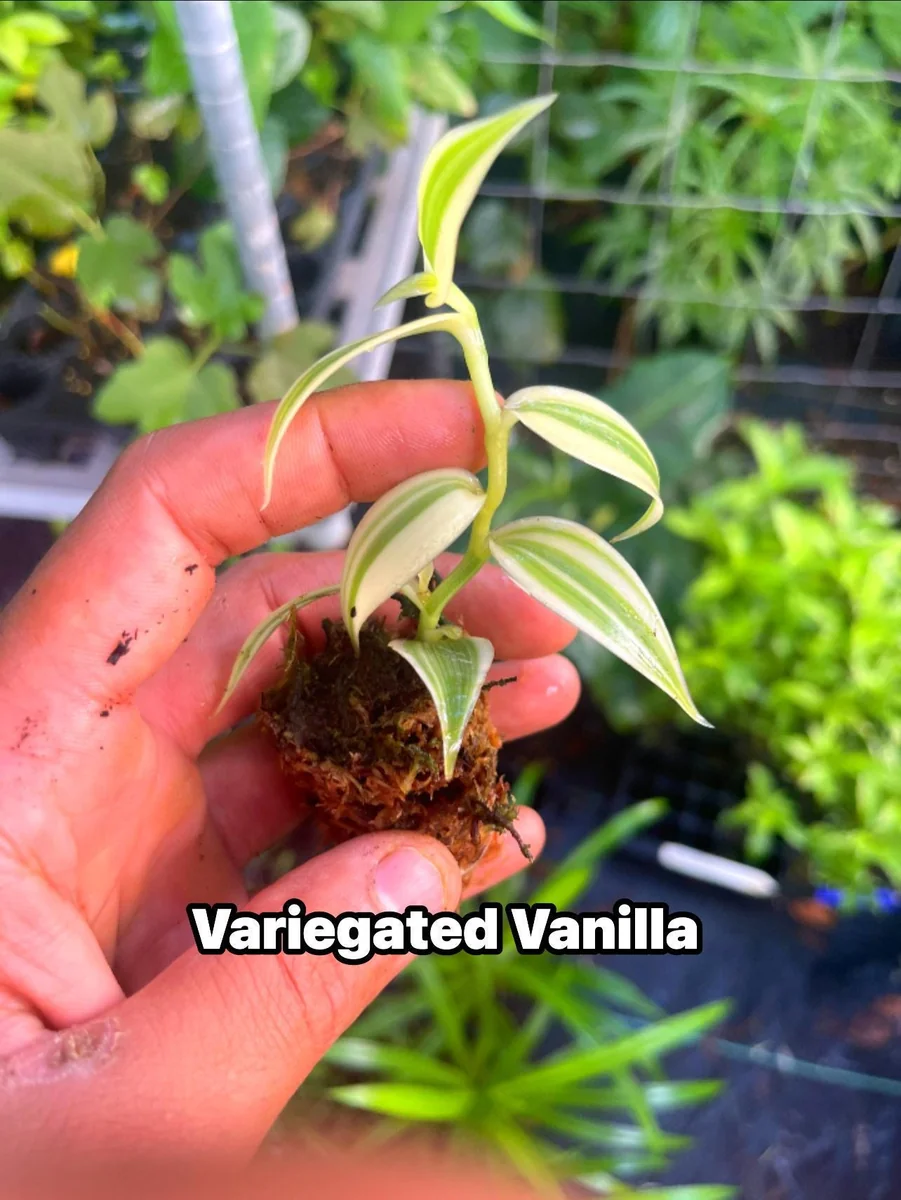
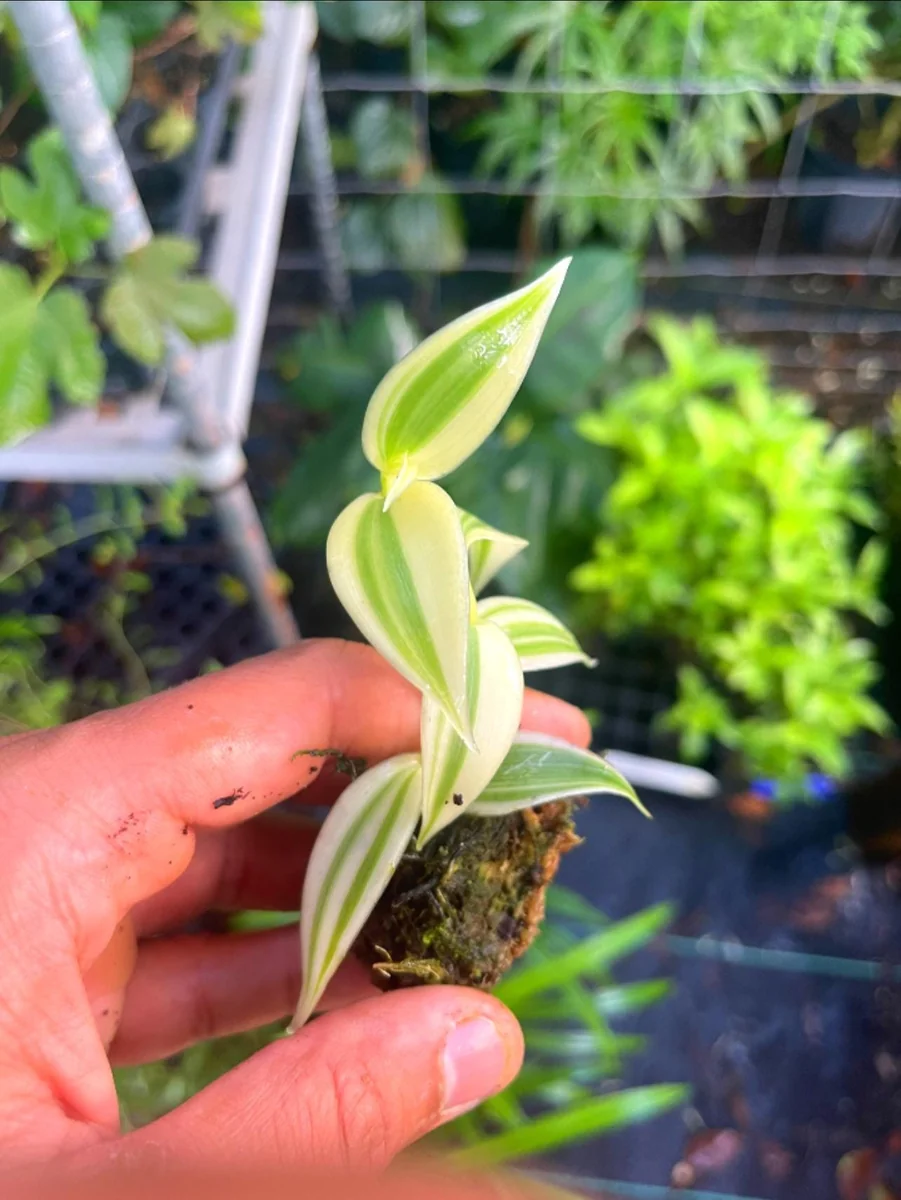
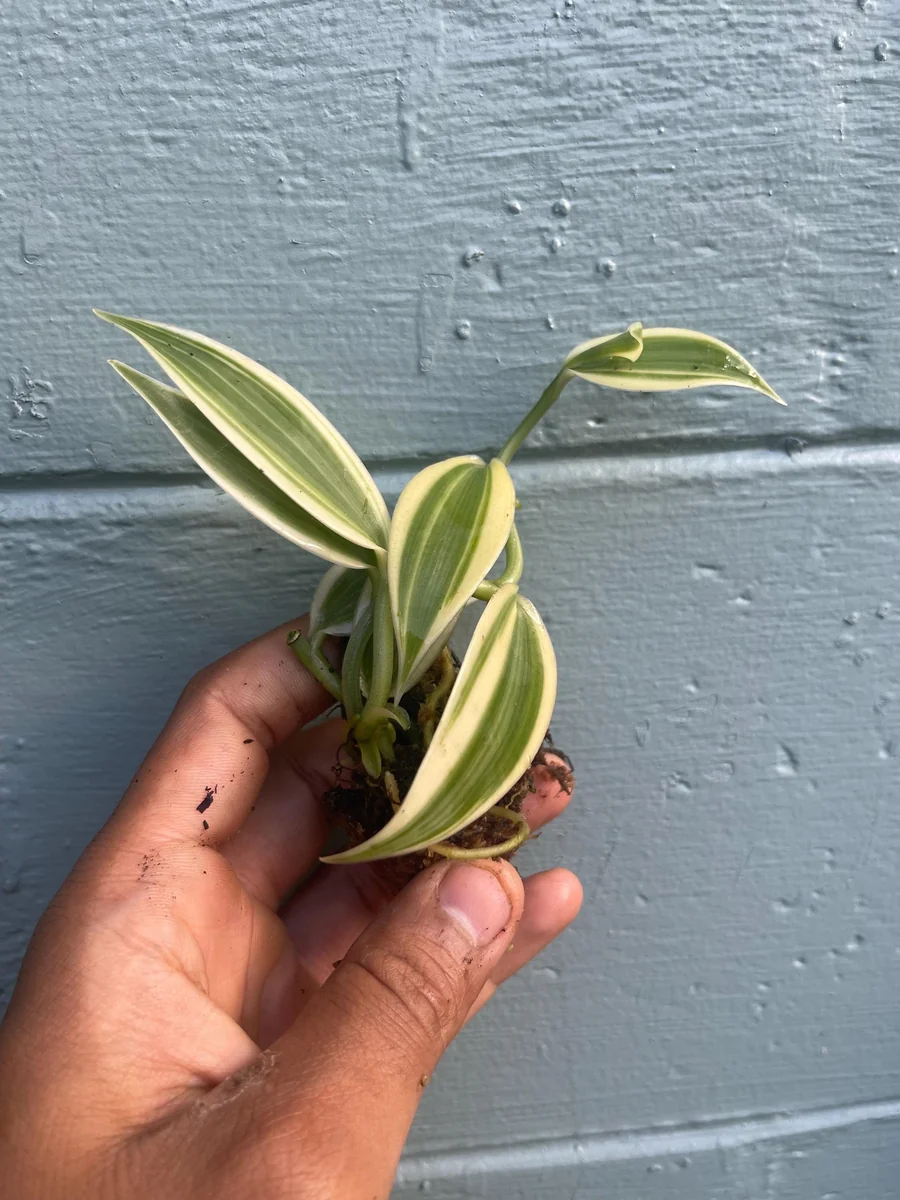
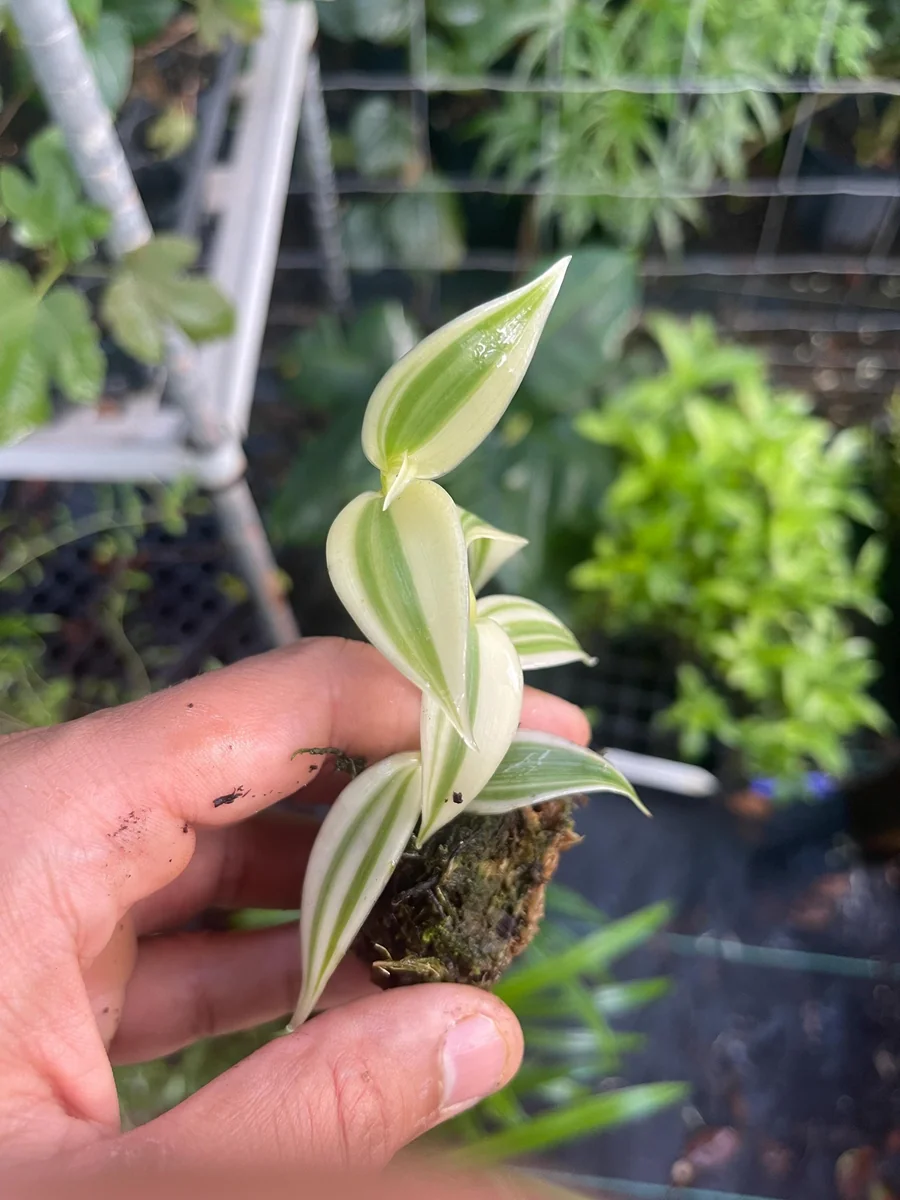
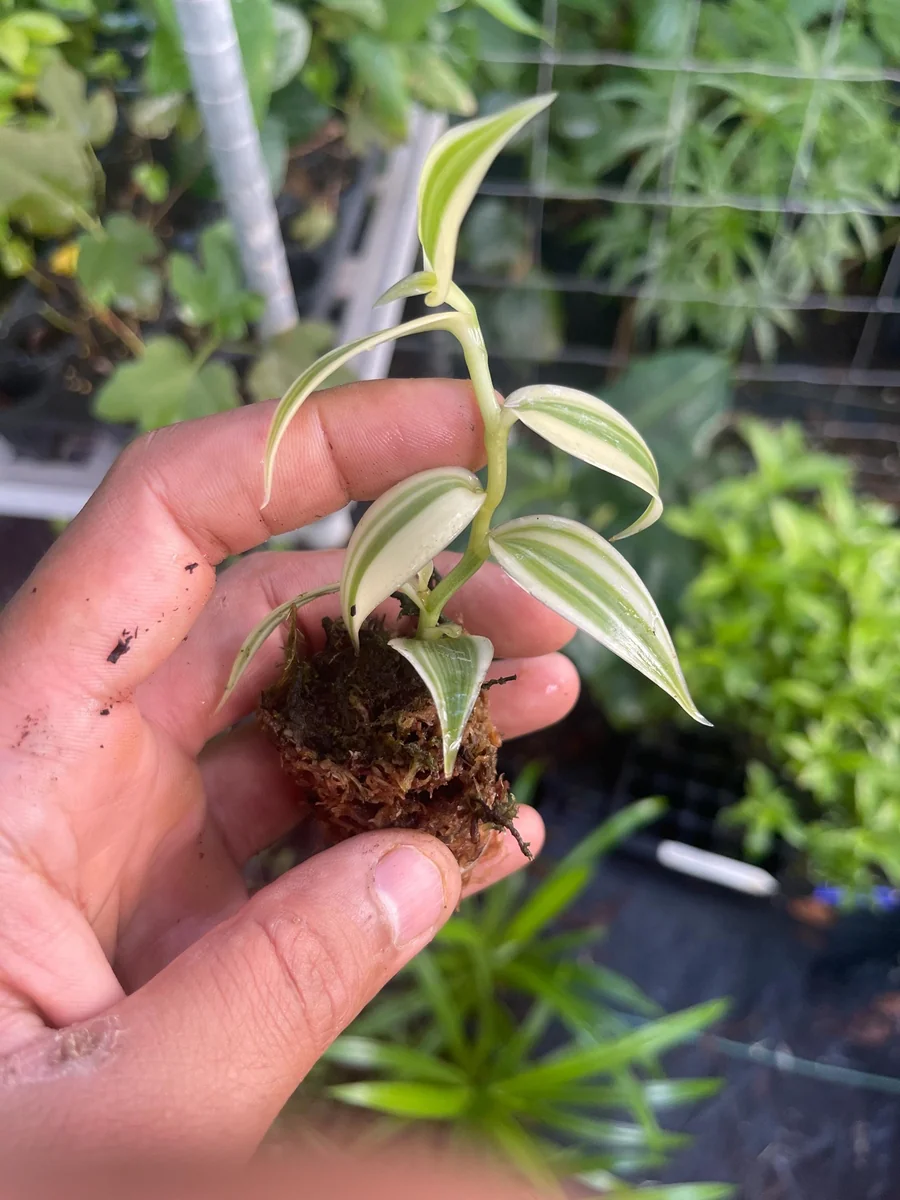
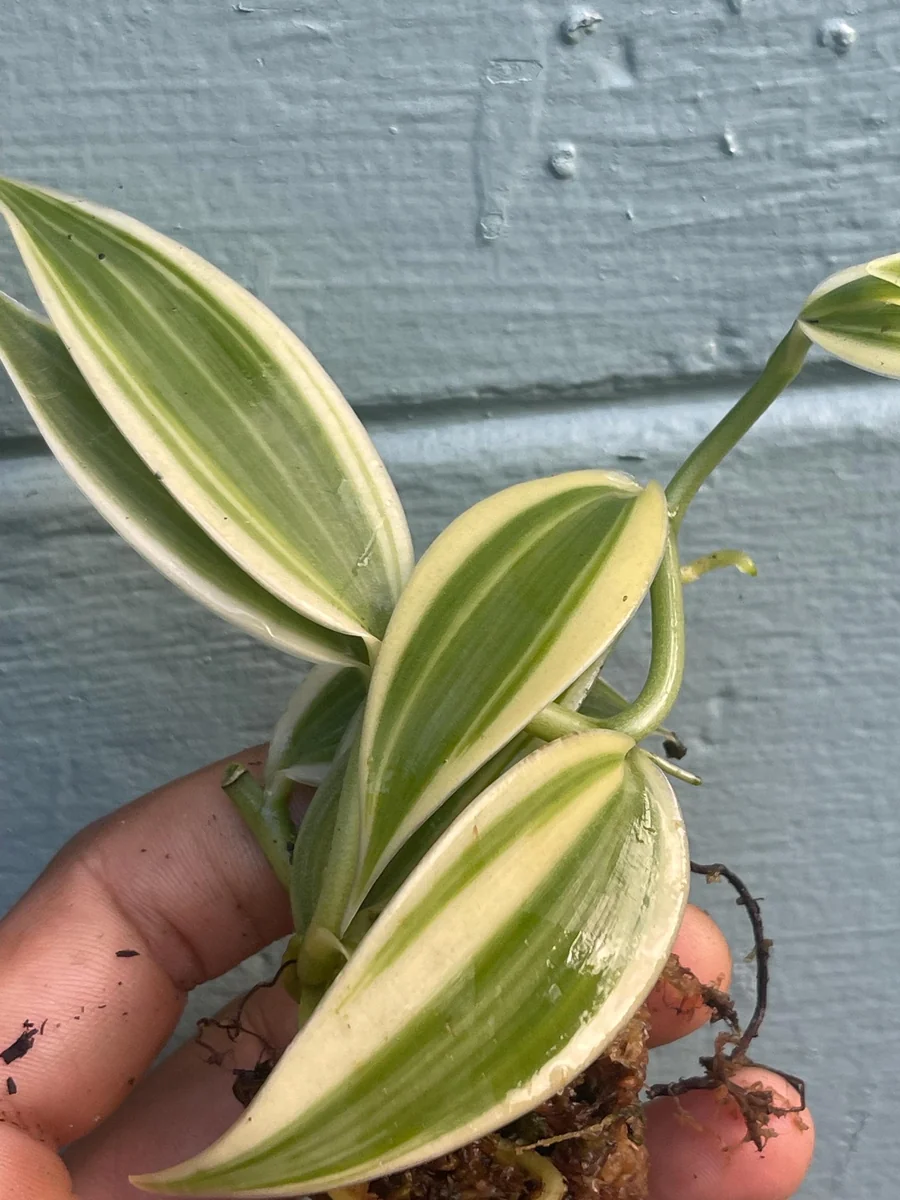
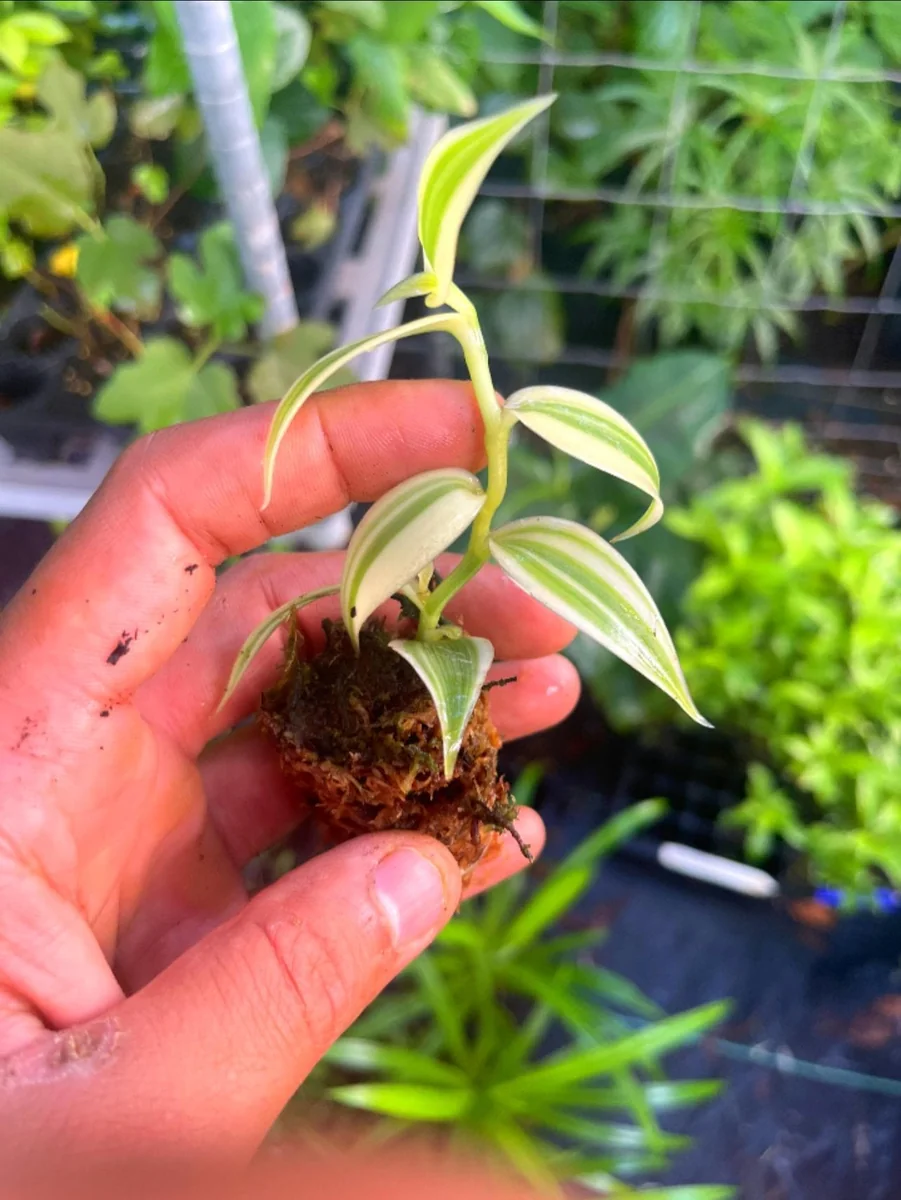
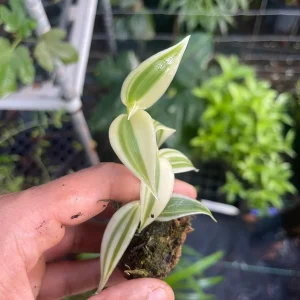
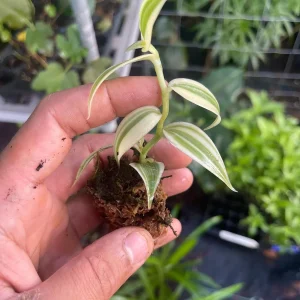
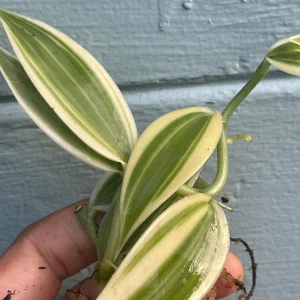
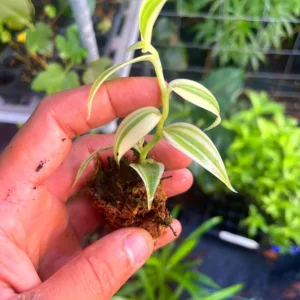
Introduce a truly exotic and rewarding addition to your plant collection with the variegated vanilla orchid live plant. This isn’t just any houseplant; it’s a rare and captivating variety of Vanilla planifolia variegata, the very species renowned for producing the world’s beloved vanilla beans. Our variegated vanilla orchid live plant brings a unique ornamental appeal with its striking creamy yellow and green variegated foliage, making it a focal point in any indoor garden or greenhouse. As a tropical climbing orchid vine, it’s a living piece of horticultural art that offers both aesthetic beauty and the potential for a culinary harvest. Whether you’re a seasoned orchid enthusiast, a collector of unusual plants, or simply looking to grow something truly special, this plant promises an engaging and educational journey into the world of orchids and spice production.
Each variegated vanilla orchid live plant is carefully nurtured to ensure it arrives healthy and ready to thrive in your care. Growing vanilla bean plant care can be a deeply rewarding experience, offering the unique satisfaction of cultivating a plant that yields one of the most cherished flavors on the planet. This particular variegated form adds an extra layer of visual interest, distinguishing it from standard vanilla orchids. Its vigorous climbing habit makes it an ideal candidate for training on trellises, moss poles, or other supports, allowing you to shape its growth and display its stunning leaves. Prepare to be enchanted by the beauty and potential of this extraordinary tropical vine.
Key Benefits
The variegated vanilla orchid live plant offers a multitude of benefits, blending aesthetic appeal with the fascinating potential for culinary reward. This unique plant is more than just a decorative item; it’s a living project that engages the senses and provides a connection to nature’s wonders. Here are some compelling reasons to welcome this extraordinary orchid into your home:
-
Rare and Collectible Variegated Form: This specific variety stands out with its striking creamy yellow and green variegated leaves, making it a highly sought-after specimen for plant collectors and enthusiasts. Its unique foliage adds an unparalleled visual interest compared to standard vanilla orchids.
-
Produces Edible Vanilla Beans: As a true Vanilla planifolia, this plant has the potential to produce the same beans used to create natural vanilla extract. While hand-pollination is often required for fruiting indoors, the journey of growing your own vanilla is incredibly rewarding, offering fresh, aromatic vanilla for your culinary creations.
-
Gorgeous Climbing Vine: The variegated vanilla orchid live plant is a vigorous climber, creating a lush, tropical display as it scales supports. Its aerial roots will cling to surfaces, and with proper training, it can become an impressive, living green curtain or a beautifully structured focal point in your home.
-
Tropical Accent for Any Space: Its vibrant variegation and exotic nature make it a perfect choice for adding a tropical ambiance to indoor spaces, conservatories, or even shaded outdoor areas in warm climates. It transforms any room into a serene, lush oasis, enhancing your home’s aesthetic appeal.
-
Educational and Engaging: Cultivating a rare vanilla orchid provides an enriching educational experience, teaching about orchid care, tropical plant needs, and the fascinating process of vanilla production. It’s a rewarding project for anyone interested in botany and horticulture.
-
Air Purifying Qualities: Like many houseplants, the variegated vanilla orchid live plant contributes to a healthier indoor environment by helping to filter airborne toxins and improve air quality, making your living space fresher and more pleasant.
-
Conversation Starter: Its rarity and the potential to produce vanilla beans make this plant an instant conversation starter. Guests will be intrigued by its unique appearance and the story behind growing your own vanilla.
Plant Care & Growing Tips
Cultivating a variegated vanilla orchid live plant requires attention to its specific tropical needs, but the reward of its beautiful foliage and potential for vanilla beans is well worth the effort. For successful vanilla bean plant care, providing the right environment is crucial. These plants thrive in conditions that mimic their native jungle habitat. Aim for bright, indirect light; direct harsh sunlight can scorch their delicate leaves, while too little light will hinder growth. An east-facing window or a spot several feet from a south or west-facing window is often ideal. Supplemental grow lights can be beneficial, especially during shorter winter days, to ensure consistent light exposure for your vanilla planifolia variegata.
Humidity is paramount for a rare vanilla orchid. Vanilla orchids are epiphytes, meaning they absorb moisture from the air. Maintain high humidity levels, ideally between 60-80%. This can be achieved through regular misting, using a pebble tray filled with water, or placing the plant near a humidifier. Watering should be consistent, keeping the potting mix evenly moist but never soggy. Allow the top inch or two of the soil to dry slightly before rewatering. Overwatering can lead to root rot, which is detrimental to the plant’s health. The ideal soil for growing vanilla beans indoors is a loose, airy, and well-draining mix, such as an orchid bark blend, coco coir, or a mix specifically designed for epiphytic plants. This allows for good aeration and prevents waterlogging around the roots.
Temperature is another critical factor; vanilla orchids prefer warm conditions, ideally between 65-85°F (18-29°C) during the day and no lower than 60°F (15°C) at night. They are not frost-tolerant and should be protected from cold drafts. Fertilize every 2-4 weeks during the growing season (spring and summer) with a balanced, diluted liquid fertilizer formulated for orchids. Reduce feeding in fall and winter. Provide a sturdy support structure for your climbing vine, such as a moss pole, trellis, or even a piece of rough bark, as the plant will produce aerial roots that cling to surfaces. Pruning can be done to manage size and encourage branching, promoting a bushier appearance for your variegated vanilla orchid live plant. Watch out for common pests like spider mites and mealybugs, and treat promptly with insecticidal soap if detected.
Size & Details
Each variegated vanilla orchid live plant is a young, vigorous specimen, typically arriving with a height of approximately 4-6 inches. These are live, rooted plants, carefully cultivated and ready to continue their growth journey in your home. They are established with a healthy rootball, usually around 2 inches in diameter, ensuring a strong start. As a tropical climbing orchid vine, this plant is known for its relatively fast growth rate under optimal warm and humid conditions. It will actively seek to climb and attach itself to any available support, making it an engaging plant to watch develop.
This vanilla planifolia variegata is shipped as a potted plant, ensuring minimal stress during transit and immediate readiness for placement in your preferred orchid mix or a slightly larger container. While it may take several years for the plant to mature and begin flowering and potentially producing vanilla beans, the journey of nurturing a rare vanilla orchid is a rewarding one. With proper care, consistent warmth, and high humidity, you can expect this beautiful vine to flourish and eventually reach its full potential, transforming into a magnificent tropical display. The distinctive creamy yellow and green variegation will become more pronounced as the plant establishes itself and grows.
Frequently Asked Questions
-
Q: How big does this variegated vanilla orchid live plant get? A: In ideal conditions, this climbing vine can grow quite long, sometimes reaching several feet in length. Its size can be managed through pruning and providing adequate climbing support, allowing it to adapt to your space while maintaining its lush appearance.
-
Q: What size pot does it come in? A: The variegated vanilla orchid live plant typically comes with a 2-inch rootball, indicating it’s ready to be potted into a slightly larger container or its permanent orchid mix upon arrival. Ensure the new pot allows for good drainage.
-
Q: Is this an indoor or outdoor plant? A: This is primarily an indoor tropical plant in most climates due to its need for consistent warmth and high humidity. It can be grown outdoors in USDA zones 10-11 or warmer, provided it’s in a shaded, humid environment. For most US customers, growing vanilla beans indoors is the best approach.
-
Q: How much sunlight does the vanilla bean plant need? A: The vanilla bean plant care requires bright, indirect light. Avoid direct, harsh sunlight which can burn its leaves. An east-facing window or filtered light from a south or west-facing window is usually ideal for this vanilla planifolia variegata.
-
Q: Is this plant easy to care for? Is it good for beginners? A: While not the easiest plant, with attention to its specific needs for humidity, warmth, and light, a beginner can successfully grow a rare vanilla orchid. It requires a bit more consistent care than some common houseplants, but the rewards are significant.
-
Q: What condition will the variegated vanilla orchid arrive in? A: Your variegated vanilla orchid live plant will arrive as a live, rooted plant, carefully packaged to ensure its health and safety during transit. It will be ready to be placed in its new home and continue growing.
-
Q: Can I really grow vanilla beans from this plant? A: Yes, this is the same species (Vanilla planifolia) that produces vanilla beans. For indoor plants, you will likely need to hand-pollinate the flowers when they appear to encourage bean production. This is part of the fascinating process of growing vanilla beans indoors.
-
Q: How long until it blooms and produces vanilla beans? A: Vanilla orchids typically take several years to mature and begin flowering, usually 3-5 years or more, depending on growing conditions and vigor. Once mature, hand-pollination is necessary for bean formation.
-
Q: What’s the minimum temperature this plant can tolerate? A: This tropical plant prefers temperatures above 60°F (15°C). It is sensitive to cold and should not be exposed to temperatures below this range for extended periods, as it can cause damage or even kill the plant.
-
Q: What kind of soil is best for this plant? A: An airy, well-draining orchid mix is best, such as one containing orchid bark, coco coir, perlite, and a small amount of sphagnum moss. This mimics its natural epiphytic growing conditions and prevents root rot, crucial for good vanilla bean plant care.


Reviews
There are no reviews yet.