Overview
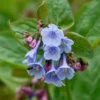
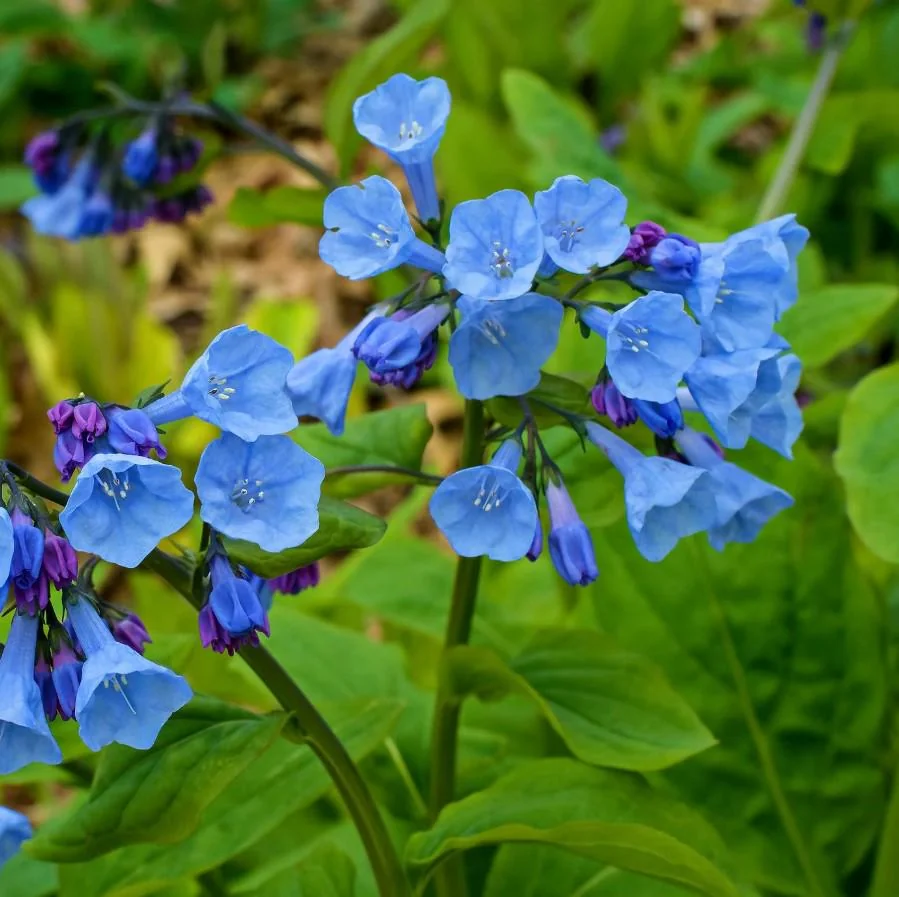
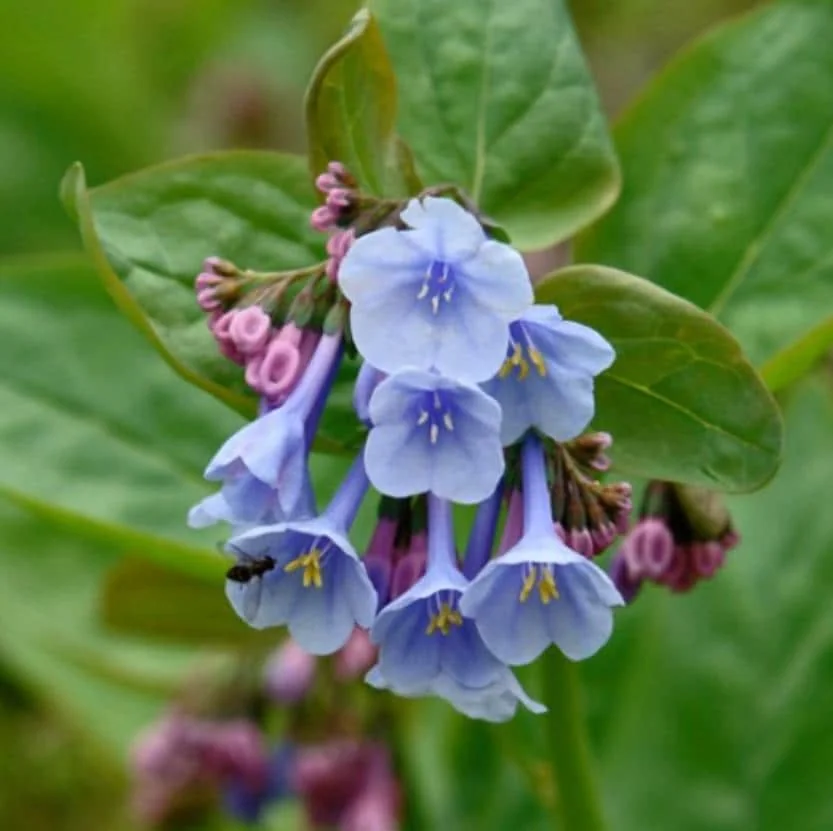
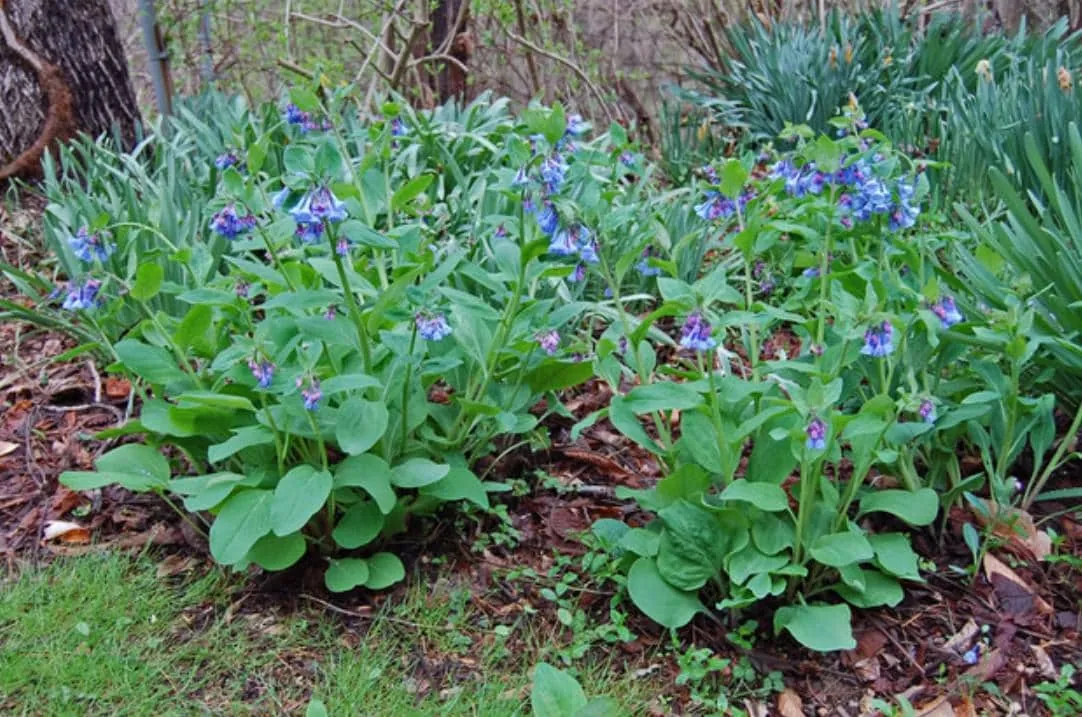
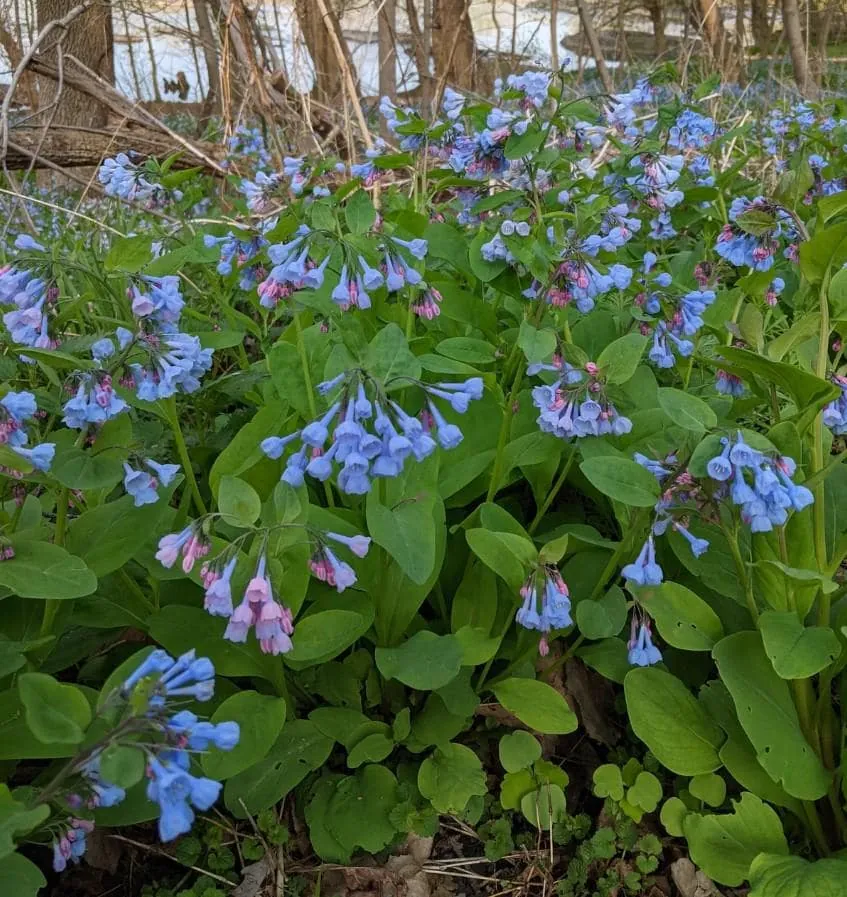
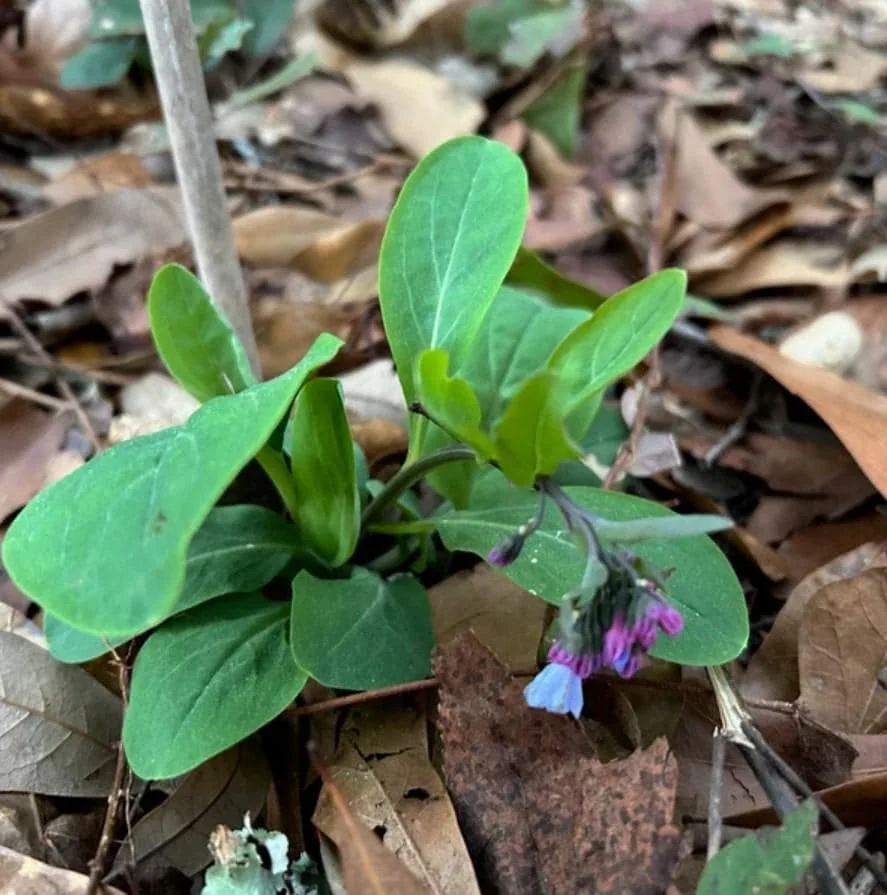
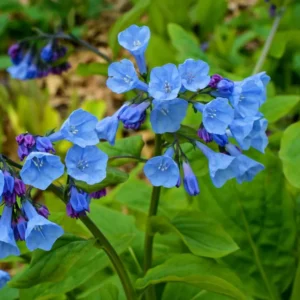
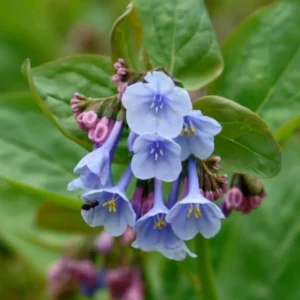
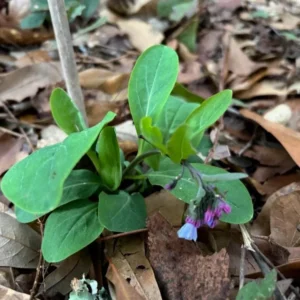
Introduce a touch of serene beauty to your landscape with the exquisite Virginia Bluebell bare root plant. Known scientifically as Mertensia virginica, this beloved native spring ephemeral is a true harbinger of spring, emerging with clusters of charming pink buds that gracefully unfurl into soft blue, bell-shaped flowers. These captivating blooms create a stunning visual display in early to mid-spring, transforming shaded areas into enchanting havens. Ideal for woodland gardens, naturalized areas, and pollinator habitats, the Virginia Bluebell bare root is a resilient and low-maintenance choice for gardeners seeking to add native elegance and support local ecosystems. Its delicate appearance belies its hardiness, thriving in a variety of conditions and returning year after year to delight with its ephemeral charm. This offering includes a set of 5 roots, providing a great start to establishing a beautiful colony of these delightful early spring perennial plants.
The Mertensia virginica plant is celebrated for its ethereal beauty and its vital role in supporting early-season pollinators. Originating from Eastern North America, it is perfectly adapted to temperate climates and offers a unique aesthetic that complements other shade-loving plants. As a true spring ephemeral, the foliage will yellow and disappear by summer, allowing other plants to take center stage, making it an excellent companion for ferns, hostas, and other shade perennials. This natural dormancy period is a key characteristic, ensuring the plant conserves energy and remains a robust addition to your garden for years to come. This makes it an excellent native pollinator plant choice.
Key Benefits
The Virginia Bluebell bare root offers numerous advantages, making it a highly desirable addition to any garden, particularly those with shaded areas. Its unique characteristics provide both aesthetic appeal and ecological benefits:
- Early Spring Blooms: Be among the first to welcome spring with delicate pink buds that open into soft blue, bell-shaped flowers. These early blooms provide essential nectar for emerging pollinators when other food sources are scarce, making the Mertensia virginica plant a vital resource.
- Native Pollinator Attraction: The Virginia Bluebell is a magnet for early bees, butterflies, and hummingbirds, making it an excellent choice for creating a vibrant and thriving pollinator habitat in your garden. It’s a prime example of a beneficial native pollinator plant.
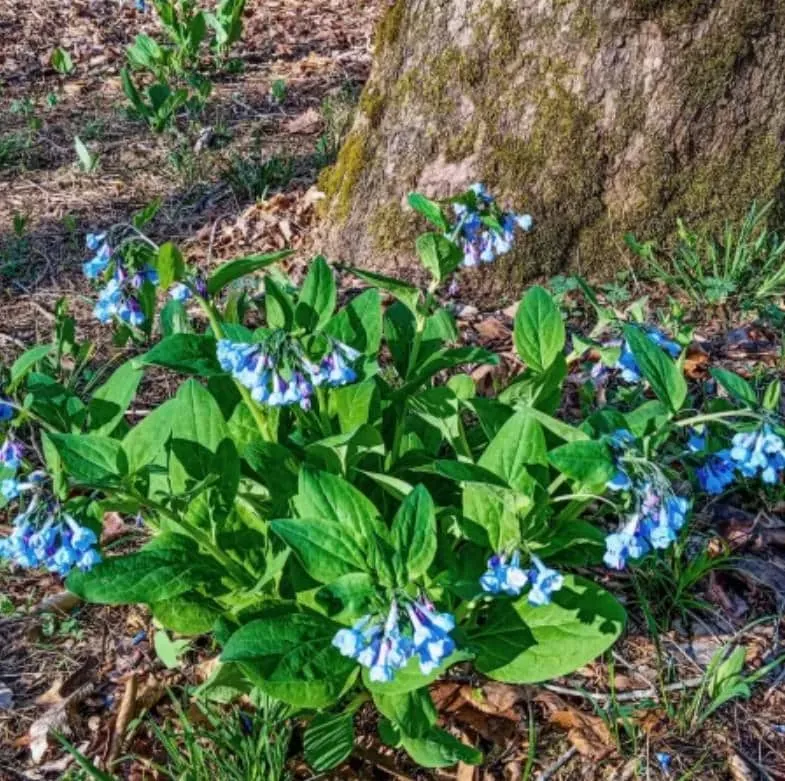
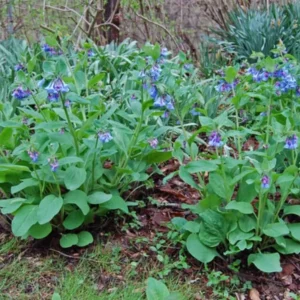
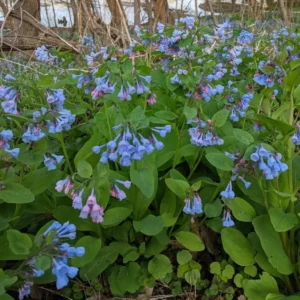
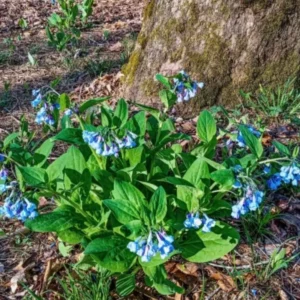
- Woodland Garden Essential: Perfectly suited for shaded, moist environments, it thrives under the canopy of deciduous trees, naturalizing beautifully and creating a serene, naturalistic effect in woodland garden flowers settings.
- Low Maintenance & Hardy: Once established, this perennial requires minimal care. It is cold-hardy in USDA zones 3–8 and relatively resistant to pests and diseases, ensuring a healthy return each year.
- Ephemeral Charm: Its unique lifecycle, where the foliage disappears in summer, allows for seamless integration with later-blooming perennials, preventing overcrowding and adding dynamic seasonal interest to your garden.
- Naturalizes Easily: This early spring perennial spreads over time through self-seeding and root growth, forming charming colonies that enhance the natural beauty of your landscape without becoming invasive.
- Deer Resistant: Generally, deer tend to avoid Virginia Bluebells, offering peace of mind for gardeners in areas prone to deer browsing.
Plant Care & Growing Tips
Caring for your Virginia Bluebell bare root is straightforward, especially when planted in the right conditions. These plants thrive in environments that mimic their native woodland habitats. For optimal growth and vibrant blooms, ensure they receive partial to full shade. Too much direct sun can scorch the delicate foliage and shorten the blooming period. Morning sun with afternoon shade is ideal, or dappled light throughout the day. They prefer moist, well-drained, and humus-rich soil. Amending your soil with organic compost or leaf mulch before planting, and annually each spring, will provide the necessary nutrients and improve soil structure, creating an ideal environment for your Mertensia virginica plant.
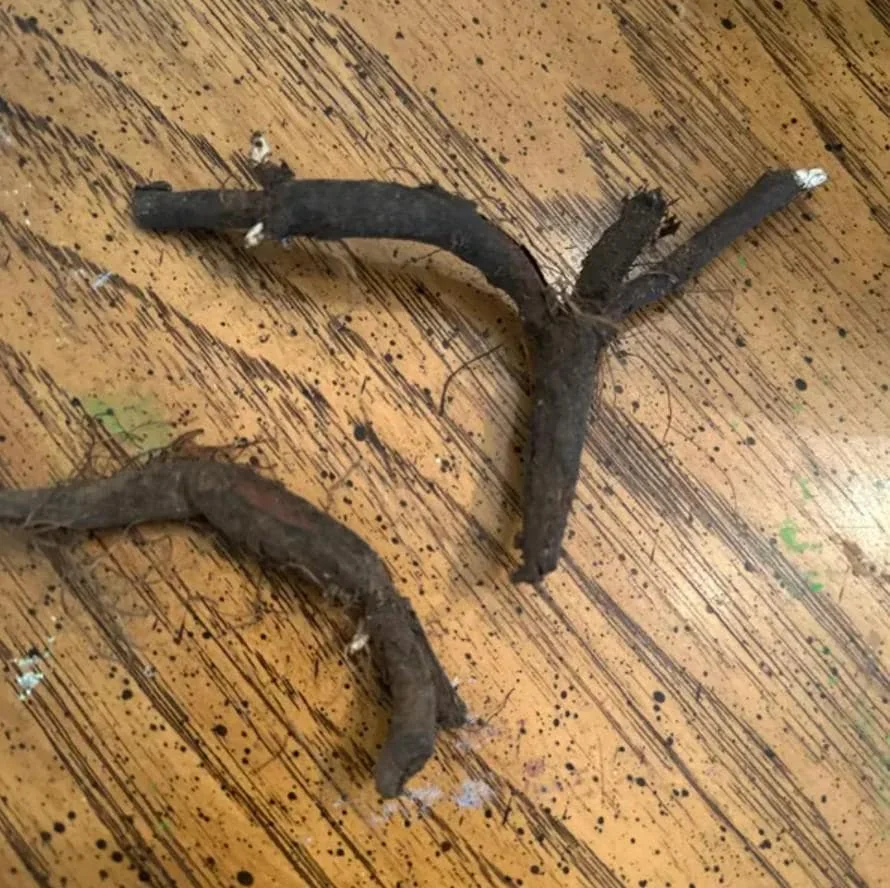
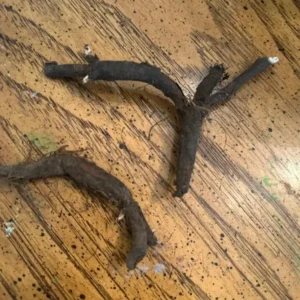
Planting time is crucial for this early spring perennial; fall or early spring are the best periods. When planting the bare roots, ensure the ‘eyes’ or growing points are just below the soil surface. Keep the soil consistently moist during the spring growth period, especially during dry spells. However, avoid waterlogging, as this can lead to root rot. Once the plant goes dormant in summer, typically around late June or July, it requires very little water. No additional fertilizer is usually needed beyond the annual application of organic compost or leaf mulch, which provides a slow release of nutrients and helps retain soil moisture. This approach supports a healthy, robust plant that will reliably return each year, contributing to a vibrant woodland garden flowers display. This care routine helps ensure your native pollinator plant flourishes.
Size & Details
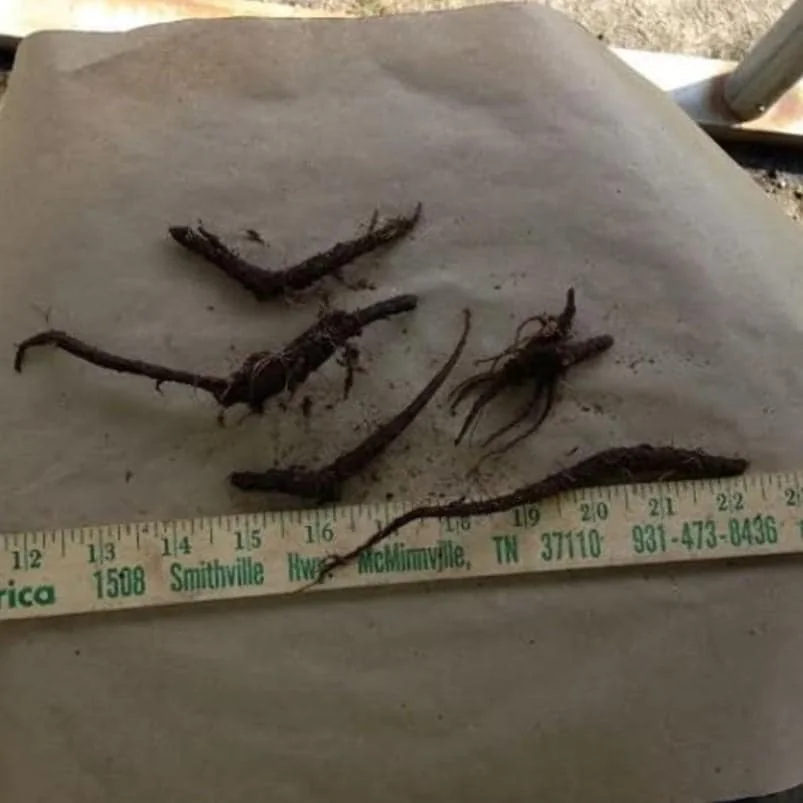
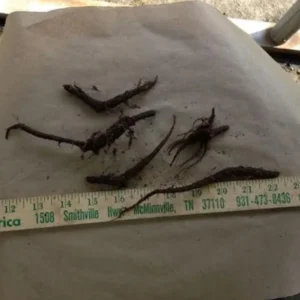
This offering includes a set of 5 bare roots of the Virginia Bluebell bare root, ready for planting. Each root is carefully selected to ensure vigorous growth and strong establishment in your garden. As a clump-forming perennial, the Virginia Bluebell typically grows to a height of 12–18 inches (30–45 cm) with a similar spread, creating a lovely mound of foliage before its summer dormancy. The plant blooms mid to late spring, providing a spectacular show of blue flowers. These roots will establish quickly, with blooms often appearing in their first or second season after planting, depending on planting time and growing conditions. The ephemeral nature means the plant will disappear by summer, leaving space for other shade-loving plants to fill in the gap, making it a dynamic component of any native pollinator plant strategy.
Frequently Asked Questions
- Q: How big does this plant get? A: The Virginia Bluebell bare root typically grows to a height of 12–18 inches (30–45 cm) and forms a clump of similar width. Its size makes it ideal for the mid-ground of a shaded border or naturalized area, contributing to beautiful woodland garden flowers.
- Q: Is this an indoor or outdoor plant? A: The Virginia Bluebell is an outdoor plant, best suited for woodland gardens, shaded beds, or naturalized areas where it can thrive in its preferred conditions. It is a hardy early spring perennial.
- Q: How much sunlight does it need? A: This plant prefers partial to full shade. Too much direct sun can stress the plant and reduce its blooming period. Dappled light or morning sun with afternoon shade is ideal for the Mertensia virginica plant.
- Q: Is this plant easy to care for? A: Yes, once established, Virginia Bluebells are relatively easy to care for. They require consistent moisture in spring but are quite self-sufficient once dormant in summer, making them a great choice for a low-maintenance garden.
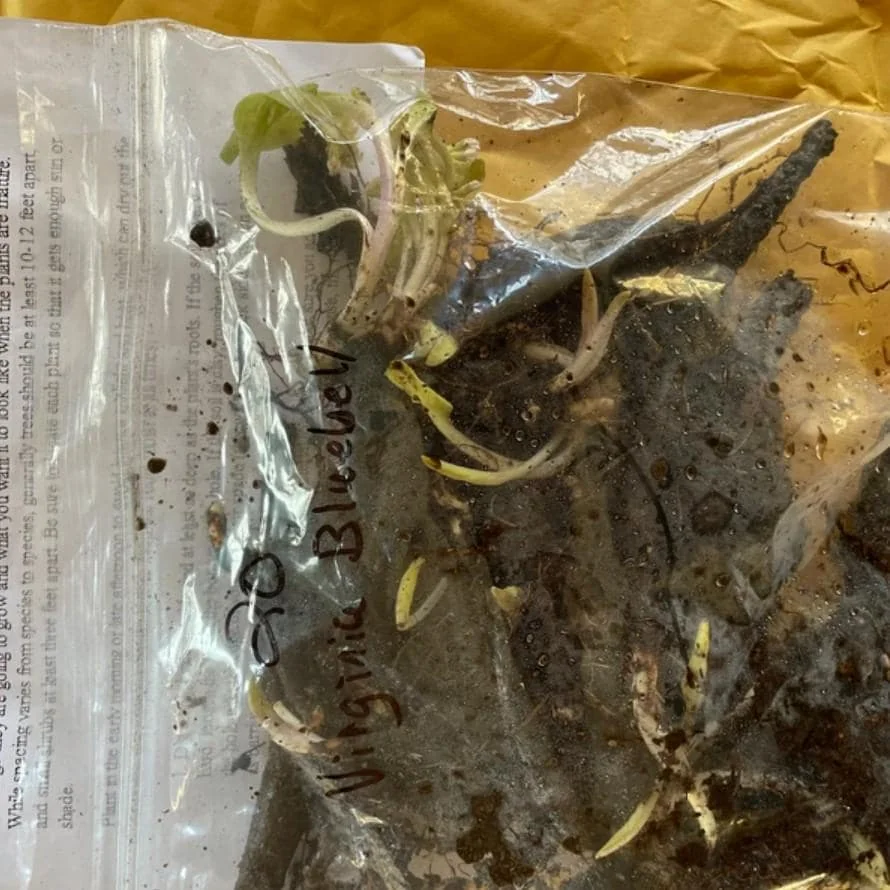
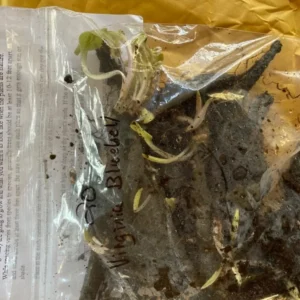
- Q: What condition will it arrive in? A: Your order will arrive as a set of 5 bare roots, carefully packaged to ensure freshness and viability. Bare roots are dormant and ready for planting upon arrival.
- Q: When is the best time to plant? A: The best time to plant Virginia Bluebell bare root is in the fall or very early spring. This allows the roots to establish before the plant begins its active growth cycle.
- Q: Will it survive winter in my zone? A: Yes, the Virginia Bluebell is cold-hardy and thrives in USDA zones 3–8, making it suitable for a wide range of climates. It is a reliable native pollinator plant that returns year after year.
- Q: Is it pet-safe? A: While Virginia Bluebells are generally considered low toxicity, it’s always best to prevent pets from ingesting any plant material to avoid potential mild digestive upset.
- Q: How long until it blooms? A: Depending on planting time and growing conditions, you can often expect to see blooms from your Virginia Bluebell bare root in the first or second spring after planting.
- Q: Can these be grown in containers? A: While primarily suited for in-ground planting, Virginia Bluebells can be grown in large containers with adequate drainage and shade. However, they perform best when allowed to naturalize in garden beds and contribute to beautiful woodland garden flowers.


Reviews
There are no reviews yet.