Overview
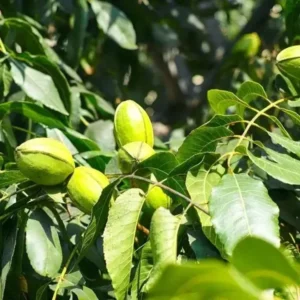
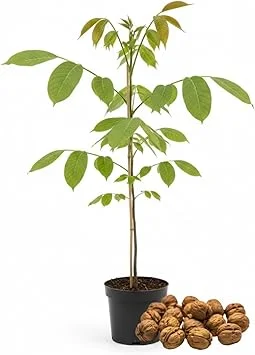
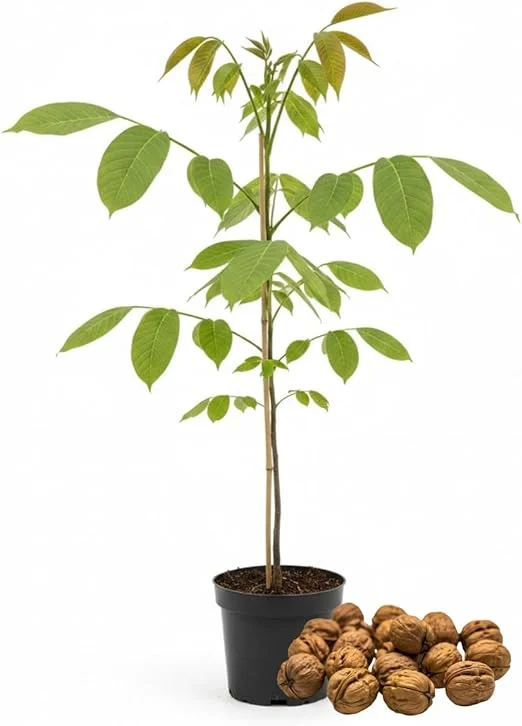
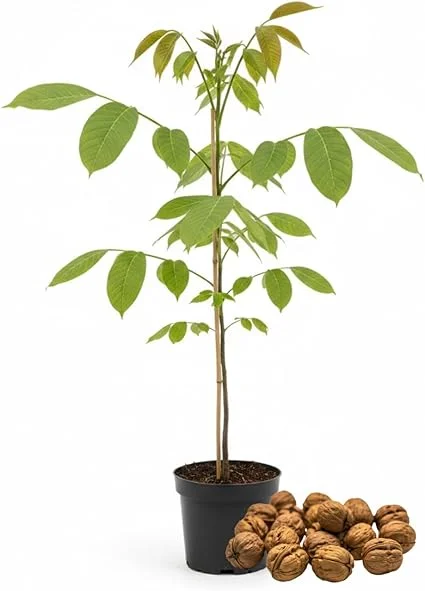
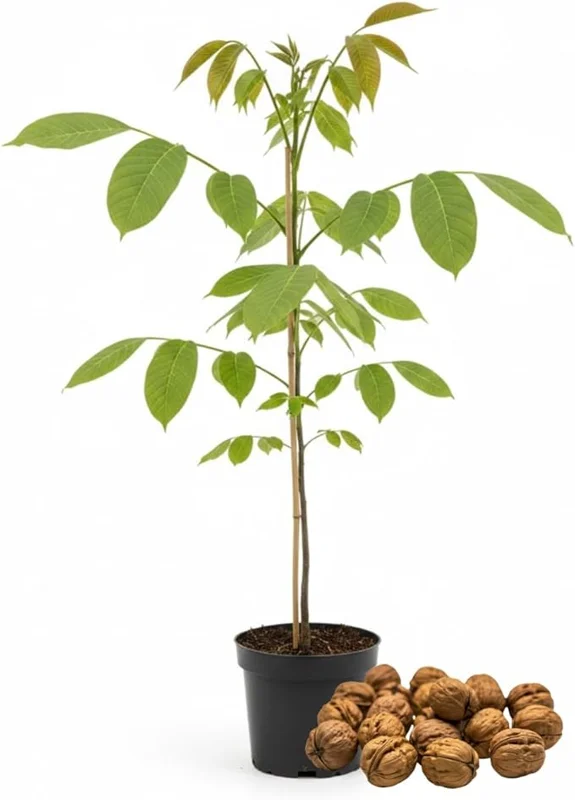
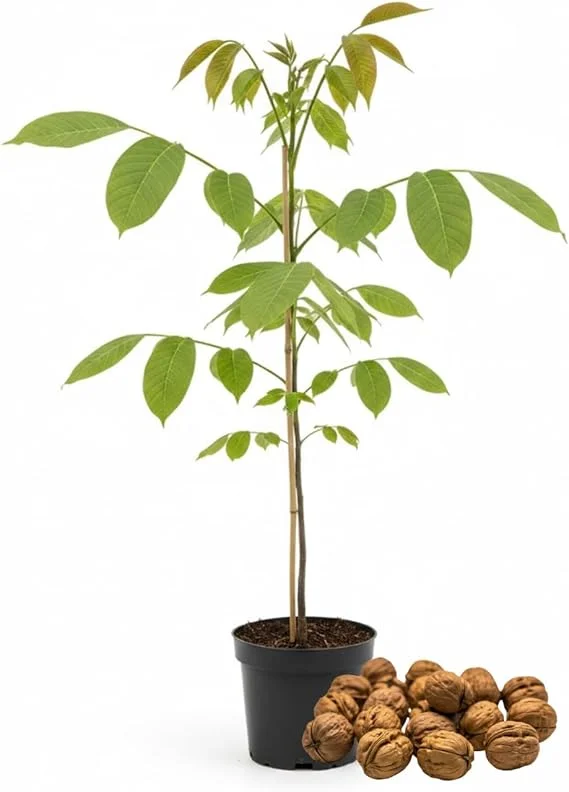
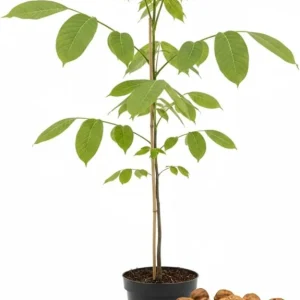
Introduce a thriving addition to your landscape with our premium walnut tree live plant. This robust, well-rooted specimen typically arrives 1-3 feet tall, ready to establish itself in your garden. Known for its rapid growth and delicious nuts, the walnut tree (Juglans spp.) is a fantastic investment for any horticulturist or homeowner looking to enhance their property with a productive and beautiful tree. Our walnut tree live plant is carefully cultivated to ensure a strong start, making it an excellent choice for both experienced gardeners and those new to growing nut trees. Imagine harvesting your own fresh walnuts, a versatile ingredient for baking, cooking, or simply enjoying as a healthy snack, all from your backyard.
Walnut trees are not only prized for their valuable nuts but also for their attractive foliage and stately presence. As they mature, they provide ample shade, making them a dual-purpose plant for both edibles and landscaping. This particular fast growing nut tree promises to deliver significant growth year after year, transforming your outdoor space into a fruitful haven. With proper care, your walnut tree will become a cherished part of your home garden, yielding a bountiful harvest for many seasons to come. It’s an eco-friendly choice that contributes to biodiversity and offers a sustainable food source.
Key Benefits
Adding a walnut tree live plant to your garden offers a multitude of advantages, from aesthetic appeal to tangible produce. These trees are a rewarding long-term investment, providing both beauty and sustenance.
- Homegrown Nuts: Enjoy the satisfaction of harvesting fresh, flavorful walnuts directly from your own garden. These nuts are rich in nutrients and can be used in countless culinary applications.
- Fast Growth Rate: This fast growing nut tree quickly establishes itself and adds significant height and canopy to your landscape within a few years, offering shade and visual interest.
- Long-Term Investment: Walnut trees can live for many decades, providing a continuous supply of nuts and increasing property value over time. They are a legacy plant that can be enjoyed by generations.
- Attractive Landscape Addition: With its broad canopy and distinctive leaves, a walnut tree serves as a beautiful focal point in any large garden or yard, enhancing the overall aesthetic.
- Wildlife Habitat: The tree provides shelter and food for various wildlife, contributing to the ecological balance of your local environment.
- Versatile Culinary Use: Fresh walnuts are incredibly versatile, perfect for baking, salads, savory dishes, or as a healthy snack on their own.
- Hardy and Resilient: Our walnut trees are suited for a wide range of climates, thriving in USDA Hardiness Zones 4-9, making them a reliable choice for many regions.
Plant Care & Growing Tips
Ensuring the health and productivity of your walnut tree live plant requires attention to a few key care aspects. With the right conditions, your tree will flourish and produce abundant nuts. Understanding how to plant a walnut tree correctly is the first step towards a successful harvest.
Sunlight Requirements: Walnut trees demand full sun exposure, meaning at least 6-8 hours of direct sunlight per day. Choose a planting location that receives ample unobstructed light throughout the day to ensure vigorous growth and optimal nut production. Avoid planting in shaded areas, as this can stunt growth and reduce yield. This fast growing nut tree relies on strong sunlight to fuel its development.
Watering Schedule & Soil Moisture: Young walnut trees require consistent moisture, especially during their first few years. Water deeply 1-2 times per week, ensuring the soil remains evenly moist but not waterlogged. Once established, walnut trees are moderately drought-tolerant but will benefit from supplemental watering during prolonged dry spells. Always check the soil moisture before watering; the top few inches should feel dry to the touch.
Soil Type & Drainage: Walnut trees thrive in well-drained, fertile soil with a slightly acidic to neutral pH (6.0-7.0). Loamy soils with good organic content are ideal. Avoid heavy clay soils that retain too much moisture, as this can lead to root rot. If your soil is heavy, amend it with compost or sand to improve drainage before you plant a walnut tree. Proper drainage is crucial for healthy root development.
Temperature Range & USDA Hardiness Zone: This walnut tree live plant is suitable for USDA Hardiness Zones 4-9, indicating its resilience to a wide range of temperatures. It can withstand cold winters and hot summers within these zones. Protect young trees from extreme frost in their first year if temperatures drop significantly below freezing. Understanding the appropriate USDA zone is key to healthy walnut tree care.
Fertilization: Fertilize your young walnut tree in early spring with a balanced, slow-release fertilizer, or a fertilizer specifically formulated for nut trees. Follow the manufacturer’s instructions for application rates. As the tree matures, reduce fertilization frequency. Organic matter like compost can also be incorporated into the soil annually to enrich it. Good nut tree for garden care includes regular but not excessive feeding.
Common Problems & Solutions: Walnut trees can be susceptible to certain pests and diseases, though they are generally robust. Watch for walnut blight or anthracnose, which can affect leaves and nuts. Proper air circulation and good sanitation practices (removing fallen leaves and debris) can help prevent fungal issues. Pests like walnut husk fly can be managed with appropriate insecticides if infestations are severe. Regular inspection is part of effective walnut tree care.
Size & Details
This walnut tree live plant typically ships at a height of 1-3 feet, providing you with a strong, young specimen ready for planting. Walnut trees are known for their impressive mature size, eventually reaching heights of 30-40 feet with a similar spread, creating a substantial canopy. They are shipped as well-rooted plants, often in a nursery pot or bare-root, protected to ensure safe transit and successful establishment upon arrival. The exact dimensions of the shipped plant may vary slightly based on seasonal growth and individual plant vigor.
Expect this fast growing nut tree to establish quickly in your garden. While it will begin producing nuts within a few years of planting, a significant harvest typically starts after 5-10 years, increasing in yield as the tree matures. This long-lived tree is a commitment that rewards patience with abundant, delicious walnuts for decades. The sturdy nature of the walnut tree live plant ensures it will become a prominent and productive feature of your landscape.
Frequently Asked Questions
- Q: How big does this walnut tree live plant get? A: This walnut tree live plant is generally shipped at 1-3 feet tall. When fully mature, a walnut tree can reach impressive heights of 30-40 feet with a similar spread, providing significant shade and a large nut yield.
- Q: Is this an indoor or outdoor plant? A: This walnut tree is an outdoor plant. It requires full sun exposure and ample space to grow to its mature size and produce nuts. It is not suitable for indoor cultivation.
- Q: How much sunlight does a walnut tree need? A: Walnut trees require at least 6-8 hours of direct, unobstructed sunlight per day. Plant your fast growing nut tree in a location that receives full sun for optimal growth and nut production.
- Q: Is this plant easy to care for? A: Walnut trees are relatively easy to care for once established. They require consistent watering when young, well-draining soil, and full sun. Understanding basic walnut tree care will ensure its success.
- Q: What condition will the walnut tree live plant arrive in? A: Your walnut tree live plant will arrive well-rooted and carefully packaged, either in a nursery pot or bare-root, to ensure its health and vitality during transit. We take great care to protect the plant.
- Q: When is the best time to plant a walnut tree? A: The best time to plant a walnut tree is typically in early spring or late fall when the tree is dormant. This allows the roots to establish before the stress of summer heat or winter cold.
- Q: Will it survive winter in my zone? A: This walnut tree live plant is hardy in USDA Zones 4-9. If you live within these zones, your tree should comfortably survive winter conditions. Always verify your specific hardiness zone before planting.
- Q: How long until it produces nuts? A: While a nut tree for garden will show growth quickly, you can typically expect your walnut tree to start producing nuts within 5-10 years after planting, with yields increasing significantly as the tree matures.
- Q: What type of soil is best for a walnut tree? A: Walnut trees prefer well-drained, fertile soil that is slightly acidic to neutral (pH 6.0-7.0). Avoid heavy clay soils. Amending with organic matter can improve soil structure.
- Q: Is this walnut tree a good choice for a beginner gardener? A: Yes, with proper site selection and initial care, a walnut tree can be a rewarding project for a beginner. Its hardiness and relatively low maintenance once established make it a good choice for those looking to plant a walnut tree.


Reviews
There are no reviews yet.