
Overview
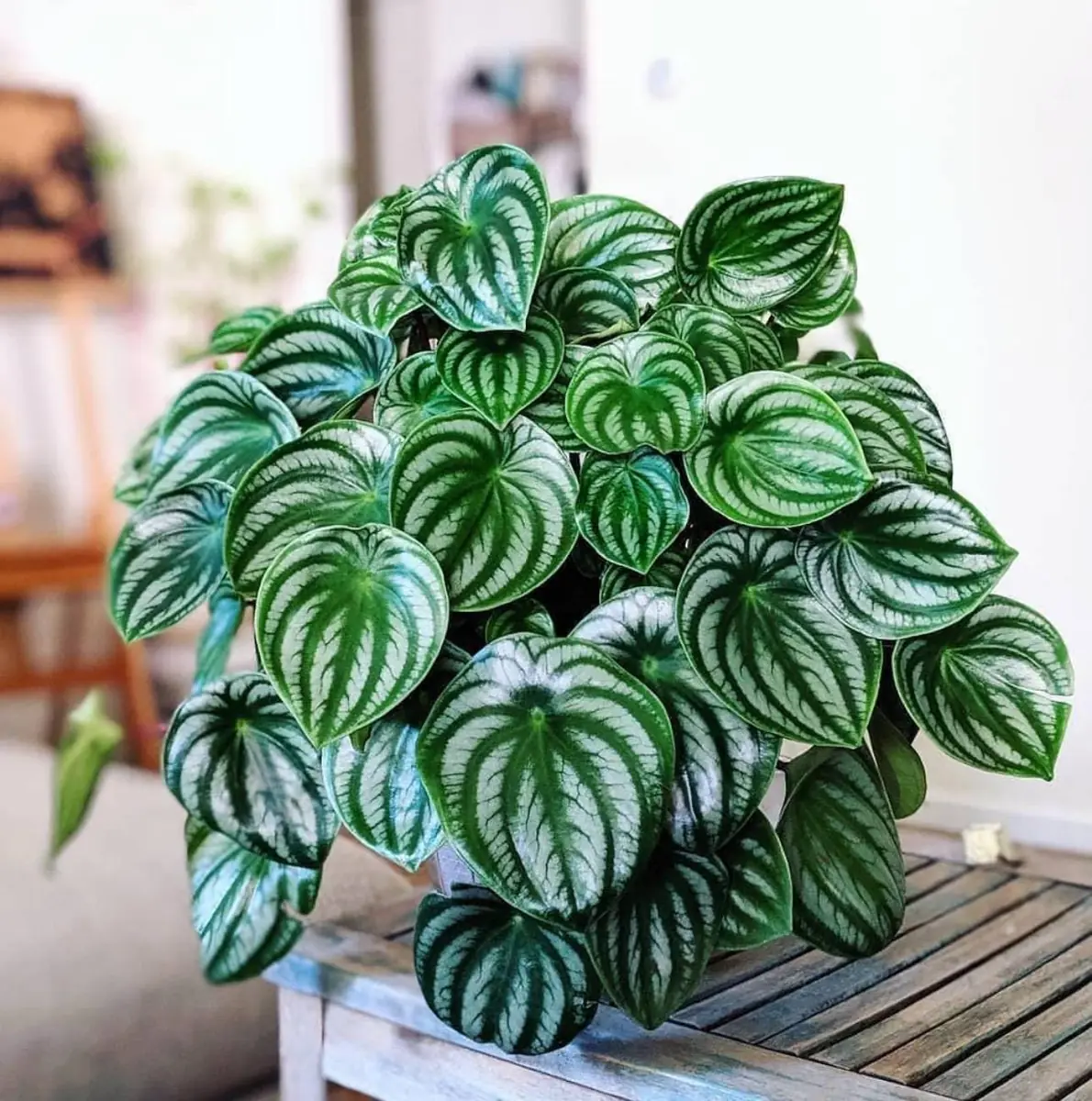
Introducing the captivating watermelon peperomia live plant, a highly sought-after houseplant renowned for its striking resemblance to a watermelon rind. Scientifically known as Peperomia argyreia, this charming plant features large, round to oval leaves with vibrant green and silver stripes that truly mimic the fruit it’s named after. Each leaf is a miniature work of art, making it a focal point in any indoor plant collection. This compact and visually appealing plant is perfect for plant enthusiasts of all levels, from beginners to seasoned collectors. Its unique aesthetic and relatively easy care requirements make the watermelon peperomia live plant a delightful addition to any home or office environment.
The Peperomia genus is vast and diverse, but Peperomia argyreia stands out with its distinct coloration and texture. Originating from the tropical regions of South America, this plant thrives in conditions that mimic its natural humid habitat. It’s a fantastic choice for those looking to add a pop of color and an interesting leaf pattern to their indoor jungle. The indoor peperomia plant is celebrated not just for its beauty but also for its manageable size, making it suitable for smaller spaces or as part of a larger plant display.
Key Benefits
The watermelon peperomia live plant offers numerous benefits, making it an excellent choice for any indoor setting. Its unique appearance and ease of care contribute to its popularity:
- Exceptional Decorative Appeal: The most prominent feature of the watermelon peperomia live plant is its stunning foliage. The distinct silver and green striped pattern on each leaf provides a vibrant and exotic look, instantly enhancing the aesthetic of any room. It’s a natural conversation starter.
- Compact Size: This plant maintains a relatively small and bushy growth habit, making it ideal for windowsills, shelves, desks, or terrariums. Its manageable size means it won’t outgrow its space quickly, perfect for urban living.
- Low Maintenance: Known for being forgiving, the peperomia argyleia care requirements are relatively simple, making it suitable for both novice and experienced plant parents. It doesn’t demand constant attention, allowing you to enjoy its beauty without extensive effort.
- Air Purifying Qualities: Like many houseplants, the striped peperomia houseplant contributes to better indoor air quality by filtering out certain toxins. While not as powerful as some larger plants, it still helps create a healthier living environment.
- Pet-Friendly: Peperomias are generally considered non-toxic to cats and dogs, offering peace of mind for pet owners who want to introduce more greenery into their homes. Always supervise pets around new plants, but this is a safer option.
- Versatile Placement: Its adaptability to various light conditions (avoiding direct harsh sun) means it can thrive in a range of indoor locations, from brightly lit rooms to those with moderate indirect light.
- Unique Foliage Texture: Beyond just color, the leaves have a slightly succulent texture, adding another dimension of interest and making the indoor peperomia plant a tactile delight.
Plant Care & Growing Tips
Caring for your watermelon peperomia live plant is straightforward, ensuring it remains vibrant and healthy with proper attention. This beautiful plant thrives in conditions that mimic its native tropical environment, but it’s quite adaptable to typical household settings. Understanding its needs will help you enjoy its unique beauty for a long time. For optimal peperomia argyleia care, focus on light, water, and humidity.
When it comes to light, the watermelon peperomia live plant prefers bright, indirect light. A spot near an east or west-facing window is often ideal, where it can receive plenty of light without the harshness of direct midday sun which can scorch its delicate leaves. Too little light might cause the vibrant stripes to fade and leggy growth, while too much direct light can lead to leaf burn. Consistent, moderate light levels are key for maintaining the plant’s distinctive coloration. For watering, allow the top inch or two of soil to dry out between waterings. Peperomias store water in their thick stems and leaves, making them somewhat drought-tolerant. Overwatering is a common mistake and can lead to root rot, so always check the soil moisture before watering again. Reduce watering frequency in winter when the plant’s growth slows down.
The ideal soil for your indoor peperomia plant should be well-draining and airy. A standard potting mix amended with perlite or orchid bark works well to ensure good drainage and aeration. This plant prefers average room temperatures, typically between 65-75°F (18-24°C), and appreciates higher humidity, though it can tolerate average household humidity levels. If your home is particularly dry, consider placing the pot on a pebble tray with water or using a humidifier nearby. Fertilize sparingly during the growing season (spring and summer) with a balanced liquid fertilizer diluted to half strength, typically once a month. This plant doesn’t require heavy feeding. The peperomia care guide also suggests repotting only when the plant becomes root-bound, usually every 1-2 years, into a pot only slightly larger than the previous one.
Size & Details
The watermelon peperomia live plant is typically shipped as a young, actively growing starter plant, perfect for establishing in your home. It usually arrives in a small nursery pot, allowing for easy transplanting into your preferred decorative container. While exact measurements can vary slightly due to natural plant growth and individual characteristics, you can expect a compact plant. Mature watermelon peperomia live plant specimens generally reach a height and spread of about 6-12 inches (15-30 cm) indoors, making them an excellent choice for tabletops, shelves, and terrariums. Its slow to moderate growth rate means it will maintain its charming size for an extended period before requiring a larger pot.
This indoor peperomia plant is known for its relatively quick establishment once acclimated to its new environment. It will continue to produce its signature striped leaves, adding continuous visual interest. The plant will arrive well-rooted and packaged to ensure its health during transit. Expect a healthy, vibrant plant ready to thrive in its new home. The distinctive foliage pattern makes every striped peperomia houseplant a unique specimen.
Frequently Asked Questions
- Q: How big does the watermelon peperomia live plant typically get? A: A mature watermelon peperomia live plant usually grows to about 6-12 inches (15-30 cm) in both height and spread indoors, making it a compact and manageable houseplant. Its size makes it ideal for various indoor settings.
- Q: Is this an indoor or outdoor plant? A: The watermelon peperomia live plant is primarily an indoor houseplant. While it can be placed outdoors in very warm, humid, and shaded conditions during summer in suitable climates, it thrives best indoors where temperatures and humidity can be controlled.
- Q: How much sunlight does my indoor peperomia plant need? A: This plant prefers bright, indirect light. Avoid direct harsh sunlight, which can scorch its leaves. A spot near an east or west-facing window is ideal, or a few feet away from a south-facing window.
- Q: Is the watermelon peperomia live plant easy to care for? A: Yes, the watermelon peperomia live plant is considered relatively easy to care for, making it a great choice for beginners. Its main requirements are consistent, indirect light and careful watering to avoid overwatering.
- Q: What condition will my striped peperomia houseplant arrive in? A: Your plant will arrive as a healthy, well-rooted starter plant in a nursery pot, carefully packaged to ensure its safety during shipping. It will be ready for you to acclimate and enjoy in your home.
- Q: How often should I water my peperomia argyleia care? A: Water your peperomia argyleia care when the top 1-2 inches of soil feel dry to the touch. It’s better to underwater slightly than to overwater, as peperomias are prone to root rot if kept in consistently soggy soil.
- Q: Is this plant pet-safe? A: Yes, peperomias, including the watermelon peperomia live plant, are generally considered non-toxic to cats and dogs, making it a safer option for homes with pets. However, it’s always wise to monitor pets around any new plant.
- Q: What kind of soil is best for this indoor peperomia plant? A: A well-draining potting mix is essential. You can use a standard houseplant potting mix amended with perlite or orchid bark to improve drainage and aeration, which is crucial for healthy root development.
- Q: Does the watermelon peperomia live plant need high humidity? A: While the watermelon peperomia live plant appreciates higher humidity, it can tolerate average household humidity levels. If your home is very dry, consider boosting humidity with a humidifier or pebble tray.
- Q: How often should I fertilize my striped peperomia houseplant? A: Fertilize your striped peperomia houseplant sparingly during the growing season (spring and summer) with a balanced liquid fertilizer diluted to half strength, typically once a month. No fertilization is needed during fall and winter.


Reviews
There are no reviews yet.