

Overview
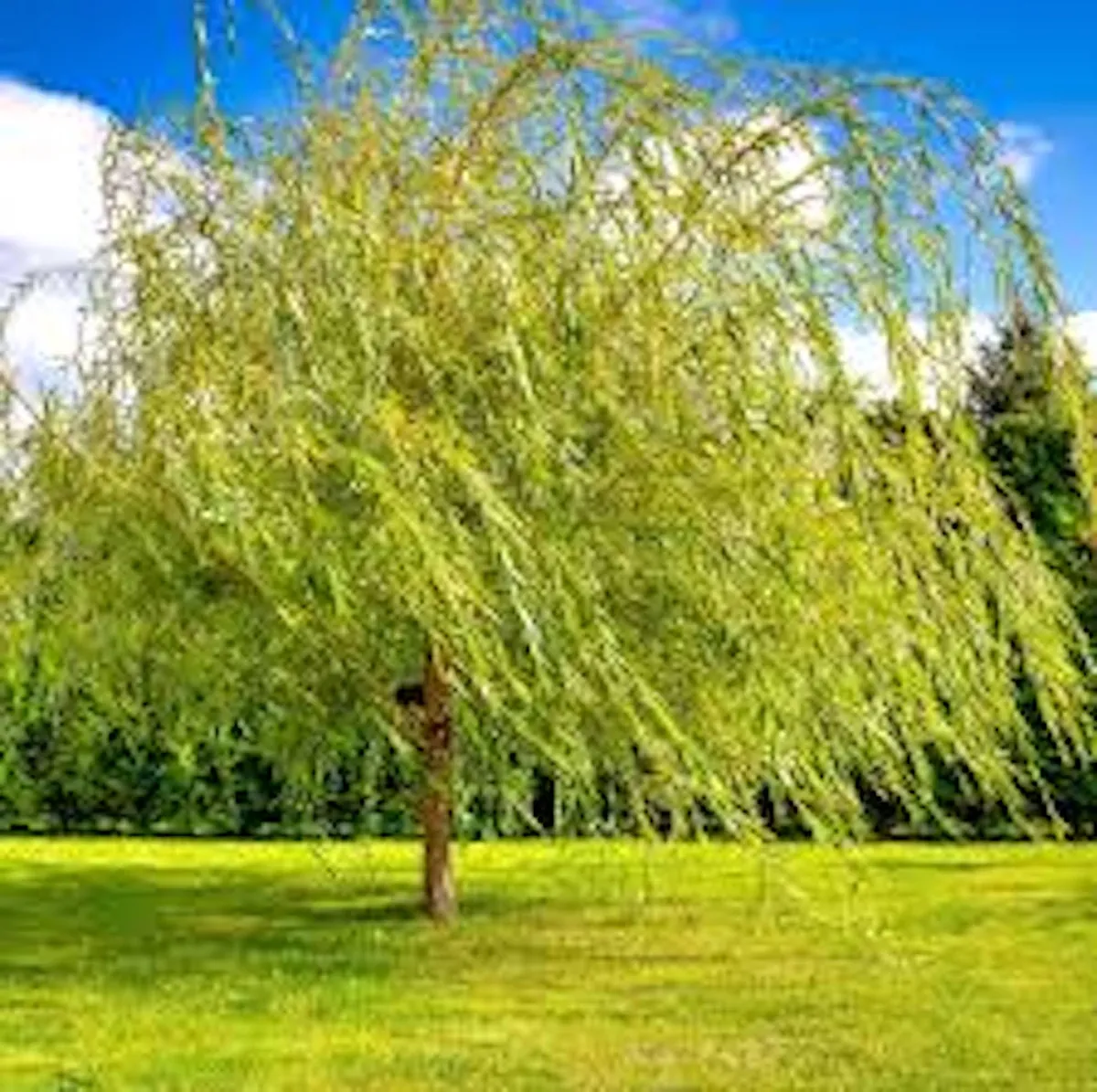
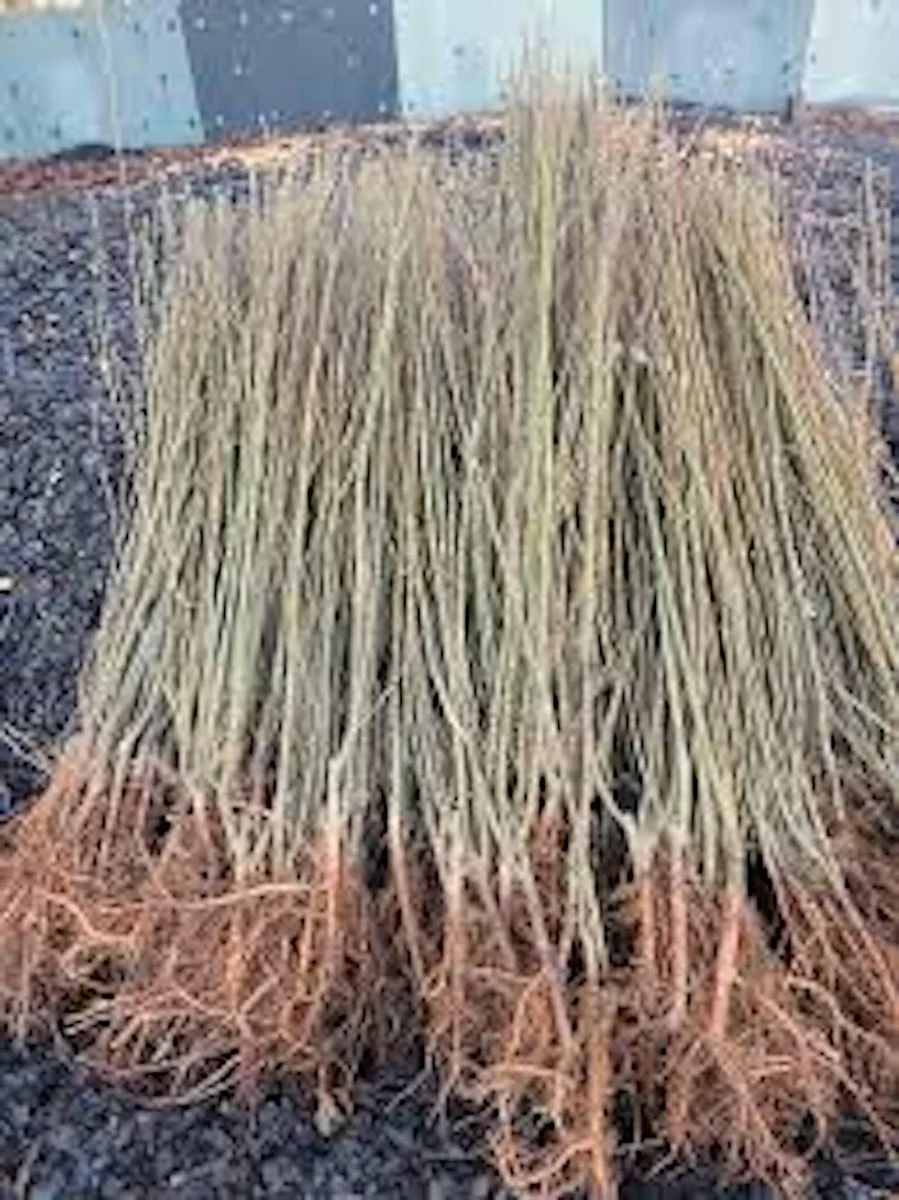
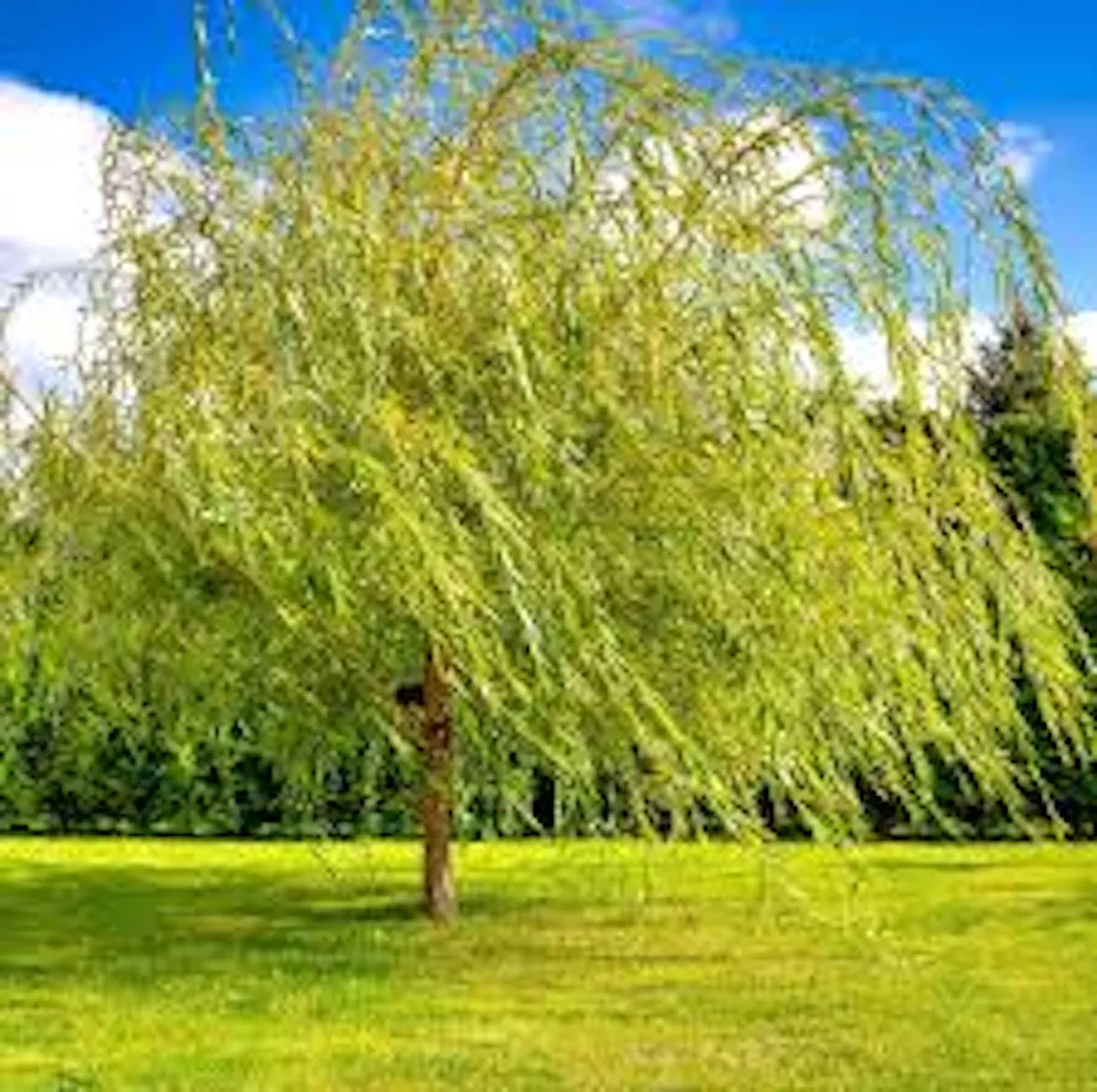
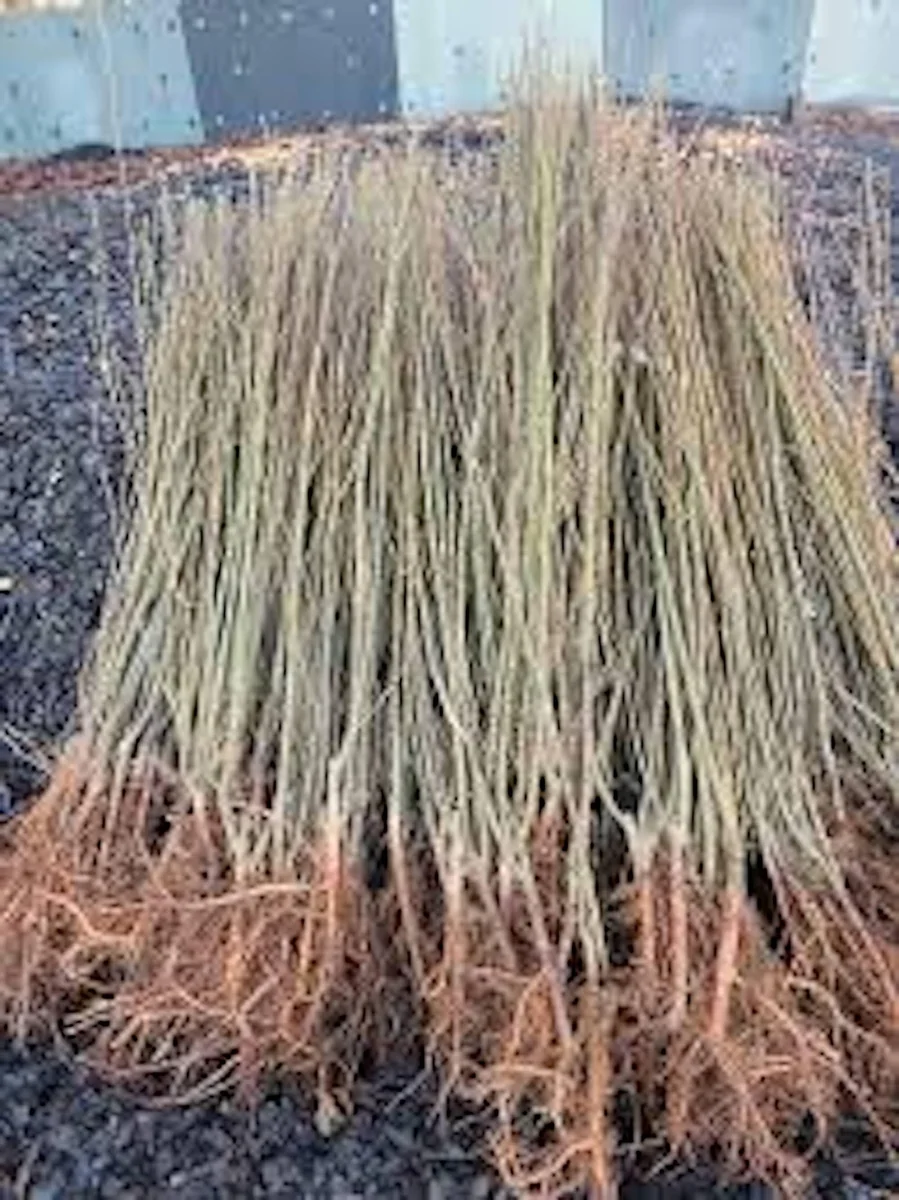
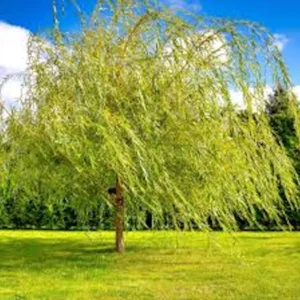
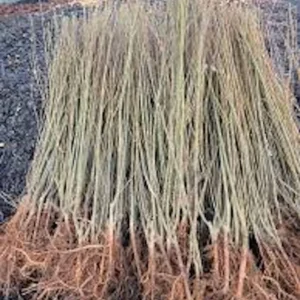
Introduce a majestic presence to your landscape with the iconic weeping willow tree (Salix babylonica). This live plant, arriving as a 12-24 inch tall bare root specimen, is renowned for its distinctive, gracefully drooping branches that sweep towards the ground, creating a serene and picturesque scene. The weeping willow tree is a fast-growing, deciduous tree that can transform any garden or waterside area into a tranquil oasis. Known by its botanical name, Salix babylonica, or commonly as the Babylon Willow, this species is celebrated for its rapid establishment and ability to thrive in a variety of conditions, making it a popular choice for gardeners seeking both beauty and resilience.
The allure of the weeping willow tree lies not only in its striking visual appeal but also in its historical and cultural significance. Originating from northern China, it has been cultivated for centuries and is now cherished worldwide for its unique form and soothing aesthetic. When established, this tree offers dense foliage in spring and summer, providing ample shade and a habitat for local wildlife. Its unique architecture makes it a natural focal point, and its adaptability ensures a rewarding growing experience for both novice and experienced gardeners. Whether you’re looking to create a dramatic statement or a peaceful retreat, the Salix babylonica bare root plant is an excellent choice.
Key Benefits
The weeping willow tree offers a multitude of benefits, making it a highly desirable addition to many landscapes. Its unique characteristics contribute to both aesthetic appeal and environmental well-being, enhancing any outdoor space.
- Stunning Aesthetic Appeal: The most prominent feature of the weeping willow tree is its elegant, cascading branches that create a waterfall-like effect. This unique form provides year-round visual interest, especially when its delicate green leaves emerge in spring and turn a soft yellow in autumn, making it a captivating focal point in any garden.
- Rapid Growth Rate: Known as a fast growing willow tree, Salix babylonica quickly establishes itself and adds significant height and spread to your landscape in a relatively short period. This rapid growth allows you to enjoy the mature beauty of the tree sooner, providing shade and visual impact within a few years.
- Erosion Control: The extensive root system of the weeping willow tree is excellent for stabilizing soil, particularly in moist areas or near water bodies. This makes it an ideal choice for preventing soil erosion along stream banks, pond edges, or in areas prone to runoff.
- Adaptability to Moist Soils: Unlike many trees, the weeping willow tree thrives in moist to wet soil conditions, making it suitable for areas where other trees might struggle. It can tolerate a range of soil types, from sandy to heavy clay, as long as adequate moisture is available.
- Wildlife Habitat: The dense canopy and branches provide shelter and nesting sites for various bird species and other small animals. Its early spring catkins can also be a food source for pollinators, contributing to local biodiversity.
- Natural Screening: Due to its large mature size and dense foliage, a well-placed weeping willow tree can serve as an effective natural screen, offering privacy and blocking undesirable views while adding a beautiful, living element to your property.
- Low Maintenance: Once established, the weeping willow tree is relatively low maintenance, requiring minimal intervention beyond occasional pruning to maintain its shape or remove dead branches. Its robust nature makes it resilient to many common pests and diseases.
Plant Care & Growing Tips
Caring for your weeping willow tree ensures its vigorous growth and iconic beauty for years to come. These trees are known for their adaptability but thrive best with specific conditions. When planting your Salix babylonica bare root, choose a location with full sun to partial shade, meaning it should receive at least 4-6 hours of direct sunlight daily. While adaptable, full sun will encourage the fastest and most robust growth. Ensure the soil is consistently moist but well-draining. Weeping willows naturally prefer sites near water, so a location that retains moisture is ideal. Avoid extremely dry or waterlogged conditions, though they can tolerate temporary flooding.
The ideal soil for a weeping willow tree is a rich, loamy soil with good drainage, but it can adapt to sandy or heavy clay soils. The key is consistent moisture. During the first few years after planting, regular watering is crucial, especially during dry spells, to help the tree establish its extensive root system. Once mature, weeping willow care typically involves less frequent but deep watering. Fertilization can promote faster growth; a balanced, slow-release fertilizer applied in early spring is generally sufficient. Pruning is important to maintain the tree’s shape, remove any dead or diseased branches, and encourage new, healthy growth. This can be done in late winter or early spring before new growth begins.
The weeping willow tree is hardy in USDA zones 6-8, meaning it can tolerate winter temperatures down to around -10°F (-23°C). Protection for young trees in colder zones may be beneficial. While generally robust, watch for common willow pests like aphids or willow sawflies, and diseases such as canker or powdery mildew. Good air circulation and proper watering practices can help prevent many issues. Remember that its root system spreads widely and shallowly, so consider its placement carefully, away from foundations, septic systems, or underground pipes, to avoid potential damage. Proper site selection and consistent initial care will ensure your babylon willow plant flourishes.
Size & Details
This offering is for one weeping willow tree, provided as a bare root plant measuring 12-24 inches in height. Bare root plants are shipped without soil around their roots, making them efficient to transport and ideal for planting during their dormant season. Upon arrival, the tree will be ready for immediate planting. The Salix babylonica is a remarkably fast-growing species, known for its ability to quickly reach impressive dimensions. While starting at a modest 12-24 inches, this tree typically matures to a significant height of 65 to 85 feet (19.8 – 25.9 meters) with a similar spread, forming a broad, rounded crown of gracefully drooping branches. Its trunk can also become quite sturdy over time, providing a strong anchor for its extensive canopy.
The mature size of the weeping willow tree makes it an excellent choice for larger landscapes where its full potential can be realized. Its rapid growth means you won’t have to wait long to enjoy its full beauty and the shade it provides. The roots of the babylon willow plant spread widely and shallowly, which is an important consideration for planting location. It’s best suited for open areas or near water features where its root system has ample space and its moisture preferences can be met. This 12-24 inch bare root weeping willow tree provides a strong foundation for a future landscape centerpiece, promising years of natural elegance and environmental benefits.
Frequently Asked Questions
- Q: How big does this weeping willow tree get? A: This weeping willow tree starts at 12-24 inches tall as a bare root plant. At maturity, it typically reaches impressive heights of 65 to 85 feet (19.8 – 25.9 meters) with a similar spread, creating a large, majestic presence in the landscape.
- Q: Is this an indoor or outdoor plant? A: The weeping willow tree is an outdoor plant. It is a large deciduous tree that requires ample space and specific environmental conditions to thrive, making it unsuitable for indoor cultivation.
- Q: How much sunlight does a Salix babylonica bare root need? A: A Salix babylonica bare root plant thrives best in full sun, meaning at least 6 hours of direct sunlight per day. It can tolerate partial shade, but growth may be slower and less vigorous.
- Q: Is this plant easy to care for? A: Once established, the weeping willow tree is relatively easy to care for. Its primary needs are consistent moisture and adequate sunlight. Initial care focuses on proper watering to ensure successful establishment of the bare root plant.
- Q: What condition will the weeping willow tree arrive in? A: Your weeping willow tree will arrive as a 12-24 inch tall bare root plant. This means it will be shipped without soil around its roots, in its dormant state, ready for planting upon arrival.
- Q: When is the best time to plant a weeping willow tree? A: The best time to plant a weeping willow tree is during its dormant season, typically in late fall after leaf drop or in early spring before new growth emerges. This is when bare root plants are most successfully established.
- Q: Will a fast growing willow tree survive winter in my zone? A: The fast growing willow tree (Salix babylonica) is hardy in USDA Zones 6-8. If you live within these zones, it should survive winter without special protection. For zones outside this range, it may require winter protection or may not thrive.
- Q: What type of soil does a babylon willow plant prefer? A: A babylon willow plant prefers well-drained, consistently moist soil. It can adapt to a range of soil types, including sandy or heavy clay, as long as it receives sufficient moisture. It naturally thrives in areas with abundant water.
- Q: How long until my weeping willow tree shows significant growth? A: The weeping willow tree is known for its fast growth rate. With proper care and ideal conditions, you can expect to see significant growth and establishment within the first few growing seasons after planting the bare root.
- Q: Can the roots of a weeping willow tree cause problems? A: Yes, the roots of a weeping willow tree spread widely and shallowly and are often drawn to water sources. It’s crucial to plant them away from house foundations, septic systems, and underground pipes to avoid potential damage.


Reviews
There are no reviews yet.