Overview
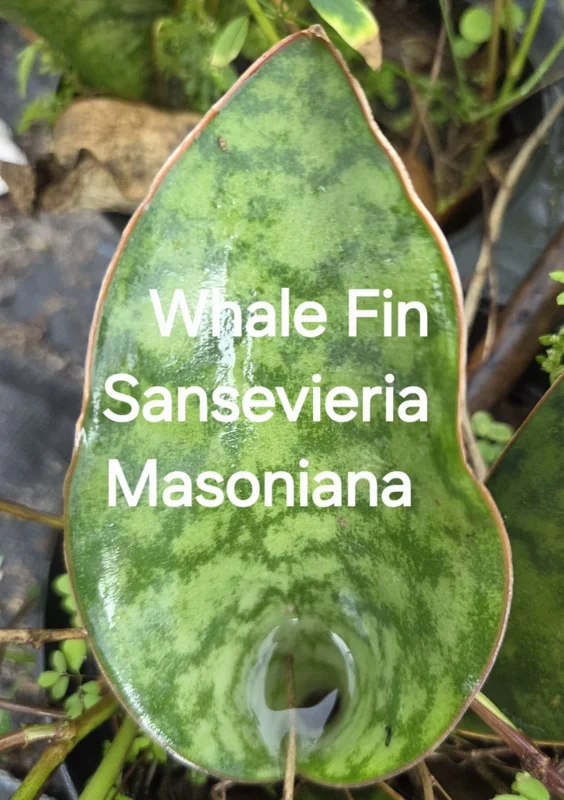
The whale fin sansevieria, also known as Sansevieria Masoniana, or more commonly as the Whale Fin Snake Plant, is a truly unique and captivating succulent that stands out from other snake plant varieties. Its most striking feature is its single, broad, paddle-shaped leaf that can grow quite large, resembling the fin of a whale breaching the water. This particular specimen is a well-rooted baby live plant, standing at approximately 5 inches tall, making it an excellent choice for those looking to start with a compact yet impressive plant. Native to tropical West Africa, this resilient plant is celebrated for its architectural beauty and ease of care, making it a favorite among both seasoned plant enthusiasts and beginners. Its robust nature allows it to thrive in a variety of indoor conditions, contributing to a greener and healthier living environment. The vibrant green leaves, often adorned with subtle brown spots, add a touch of natural elegance to any room.
Unlike many other houseplants, the Sansevieria Masoniana is incredibly tolerant of neglect, making it ideal for busy individuals or those who are new to plant care. Its slow growth rate means it won’t outgrow its space quickly, and its distinctive form ensures it remains a focal point. The common name, Whale Fin, perfectly describes its majestic appearance, setting it apart from the more common upright snake plant varieties. This specific offering is a live plant, ready to be nurtured and grown into a magnificent specimen. Enjoy the simple beauty and air-purifying benefits that this remarkable succulent brings to your home or office.
Key Benefits
The whale fin sansevieria offers numerous advantages, making it a highly desirable addition to any plant collection. Its unique aesthetics are just the beginning of its appeal.
- Striking Visual Appeal: The large, singular, paddle-shaped leaves create a dramatic and modern statement, instantly elevating the aesthetics of any room. Its sculptural form is a natural work of art that captures attention.
- Exceptional Air Purification: Like other snake plants, the Sansevieria Masoniana is renowned for its ability to filter indoor air, removing toxins such as formaldehyde, benzene, and trichloroethylene, even at night, contributing to a healthier home environment.
- Remarkably Low Maintenance: This plant is incredibly forgiving and requires minimal attention, thriving on neglect. It’s an excellent choice for busy individuals, frequent travelers, or those new to plant care, ensuring a beautiful plant without constant fuss.
- Drought Tolerant: The thick, succulent leaves store water efficiently, allowing the plant to withstand periods of drought. This means less frequent watering is needed, reducing the risk of overwatering, a common cause of plant demise.
- Adaptable to Various Light Conditions: While it prefers bright, indirect light, the whale fin sansevieria can tolerate low light conditions, making it versatile for placement in different areas of your home or office.
- Compact and Space-Saving: Despite its large leaves, the plant typically grows as a single leaf or a small cluster, making it suitable for smaller spaces, desktops, or shelves where a traditional bushy plant might be too large.
- Pet and Child Safe: While some Sansevieria varieties can be mildly toxic if ingested, this plant is generally considered safer than many other common houseplants, although direct ingestion should still be avoided. It is often referred to as a snake plant indoor option.
Plant Care & Growing Tips
Caring for your Sansevieria Masoniana, or Whale Fin Snake Plant, is straightforward, making it a perfect choice for both novice and experienced plant parents. This plant’s resilience is one of its most appealing traits.
Sunlight Requirements: The whale fin sansevieria thrives in bright, indirect light, but it is highly adaptable and can tolerate lower light conditions. Avoid direct, intense sunlight, especially during the hottest parts of the day, as this can scorch its leaves. A spot near a north or east-facing window is often ideal indoors. If outdoors, ensure it’s in a shaded area or receives only morning sun. While it can survive in low light, its growth may be slower, and the vibrant color might be less pronounced. Providing adequate light will help your tall sansevieria develop its characteristic strong, upright leaves.
Watering Schedule and Soil Moisture: Overwatering is the most common cause of problems for this plant. Allow the soil to dry out completely between waterings. When it’s time to water, do so thoroughly until water drains from the bottom of the pot. In winter, reduce watering significantly, perhaps once every 2-4 weeks, depending on your home’s humidity and temperature. Always check the soil moisture with your finger before watering. A well-draining pot is crucial to prevent root rot.
Soil Type and Drainage Requirements: Use a well-draining potting mix specifically formulated for succulents and cacti, or a standard potting mix amended with perlite or coarse sand to improve drainage. Good drainage is paramount for the health of your Sansevieria Masoniana. Ensure the pot has drainage holes to prevent water from sitting at the bottom, which can lead to root rot. The general rule for whale fin plant care is to prioritize drainage.
Temperature Range and USDA Hardiness Zone: This plant prefers average room temperatures between 65-80°F (18-27°C). It is not frost-tolerant and should be protected from temperatures below 50°F (10°C). For outdoor growing, it is generally suited for USDA Zones 9-11, where temperatures remain consistently warm. Indoors, avoid placing it near drafty windows or air conditioning vents.
Fertilization Schedule and Type: Fertilize sparingly during the growing season (spring and summer) with a balanced liquid fertilizer diluted to half strength. Avoid fertilizing in fall and winter when the plant’s growth slows down. Over-fertilization can harm the plant. For a healthy snake plant indoor, less is often more when it comes to nutrients.
Common Problems and Solutions: The most common issue is root rot, caused by overwatering. If leaves turn yellow or mushy, reduce watering and check the roots. Pests like mealybugs or spider mites are rare but can occur; treat with insecticidal soap if spotted. Brown tips on leaves can indicate low humidity or inconsistent watering.
Size & Details
This whale fin sansevieria is a healthy, well-rooted baby live plant, standing approximately 5 inches tall. It is presented in a bare root form, meticulously packaged to ensure its safe arrival and ready for immediate potting in your chosen container. While currently compact, the Sansevieria Masoniana has the potential to grow significantly larger, with mature leaves reaching up to 2-3 feet in height and 6-8 inches in width under optimal conditions, developing into an impressive tall sansevieria specimen over time. Its growth rate is generally slow, allowing you to enjoy its current size for an extended period before needing a larger pot. This plant ships as a single live plant, ready to establish itself in its new home.
The distinctive green oval-shaped leaves, often with subtle brown spots, make this plant a focal point. It is a long-lived plant, providing years of enjoyment with proper whale fin plant care. Expect it to maintain its striking appearance throughout all seasons, as it is an evergreen perennial. The plant’s robust root system ensures a strong start, making the transition to your home seamless. This live plant is cultivated to provide a healthy and vibrant addition to your collection.
Frequently Asked Questions
- Q: How big does this plant get? A: This particular plant is 5 inches tall. A mature Sansevieria Masoniana can grow single leaves up to 2-3 feet tall and 6-8 inches wide, becoming a truly impressive tall sansevieria over several years.
- Q: Is this an indoor or outdoor plant? A: The whale fin sansevieria is primarily grown as an indoor plant due to its sensitivity to cold. However, it can thrive outdoors in warm climates (USDA Zones 9-11) or be brought indoors during cooler months.
- Q: How much sunlight does it need? A: It prefers bright, indirect light but is highly tolerant of low light conditions. Avoid direct afternoon sun, which can scorch its leaves. For optimal growth and vibrant color, provide a good balance of indirect light.
- Q: Is this plant easy to care for? A: Yes, the whale fin sansevieria is considered one of the easiest plants to care for, making it excellent for beginners. Its drought tolerance and minimal light requirements contribute to its low-maintenance nature.
- Q: What condition will it arrive in? A: The plant arrives as a well-rooted baby live plant, carefully packaged to ensure its health and safe transit. It is typically shipped bare root, ready for you to pot upon arrival.
- Q: Is it pet-safe? A: Like many houseplants, the whale fin sansevieria can be mildly toxic if ingested by pets. It’s best to keep it out of reach of curious animals to prevent any issues, although it is generally considered safer than many others.
- Q: How often should I water my snake plant indoor? A: Only water when the soil is completely dry. This could be every 2-4 weeks during the growing season and even less frequently in winter. Overwatering is the biggest threat to this plant.
- Q: What kind of soil is best for whale fin plant care? A: A well-draining potting mix is essential. A cactus or succulent mix, or a regular potting mix amended with perlite or coarse sand, will provide the necessary drainage to prevent root rot.
- Q: Does it have any air-purifying qualities? A: Yes, the Sansevieria Masoniana is known for its excellent air-purifying capabilities, removing common indoor toxins and improving air quality, even at night.
- Q: What is the best way to propagate this plant? A: This plant can be propagated from leaf cuttings, though it can be a slow process. Allow cuttings to callus over for a few days before placing them in well-draining soil or water.


Reviews
There are no reviews yet.