Overview
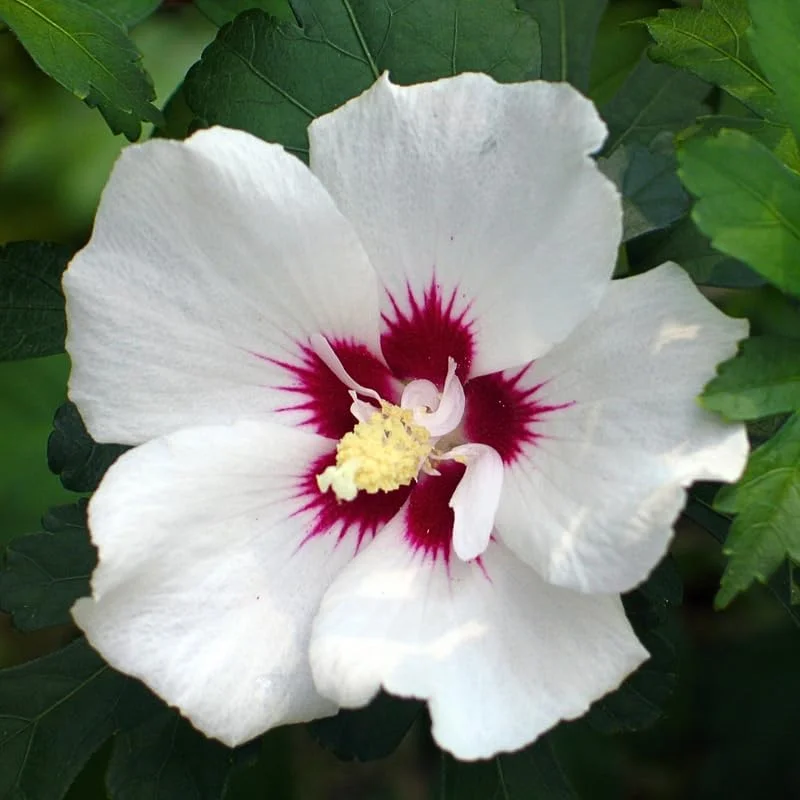
Introduce a touch of classic beauty to your landscape with the white althea rose of sharon live plant. This stunning deciduous shrub, scientifically known as Hibiscus syriacus, is renowned for its prolific and showy white blooms that grace gardens from mid-summer through fall. Arriving as a healthy 6-12 inch tall live plant, it’s ready to establish itself and transform your outdoor space. The Rose of Sharon is a popular choice for its hardiness and ability to thrive in various conditions, making it an excellent addition for both novice and experienced gardeners seeking a reliable and beautiful flowering shrub. Its upright growth habit and dense foliage provide structure and continuous color when many other plants begin to fade.
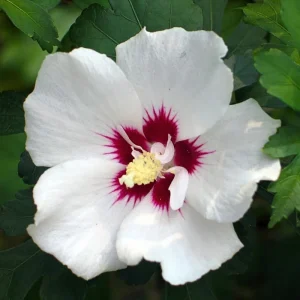
The white althea rose of sharon live plant is a true garden workhorse, offering visual appeal with minimal fuss. Its pristine white flowers create a striking contrast against its green leaves, making it a focal point in any garden design. This particular variety of hardy hibiscus shrub is prized for its pure white petals, which often feature a subtle, delicate texture. Whether you’re looking to create a vibrant hedge, add a specimen plant, or fill a perennial border, this Rose of Sharon brings long-lasting beauty and a classic charm that enhances curb appeal and enriches your outdoor living areas. Expect a robust plant that quickly settles into its new environment and begins to produce its characteristic large, trumpet-shaped blossoms.
Key Benefits
The white althea rose of sharon live plant offers a multitude of benefits that make it an exceptional choice for any garden. From its stunning visual impact to its easy-care nature, this shrub is designed to impress and simplify your gardening efforts.
- Spectacular, Long-Lasting Blooms: Enjoy an abundance of vibrant white, trumpet-shaped flowers that bloom continuously from mid-summer to fall, providing consistent color when many other garden plants are past their peak. These prolific blooms attract pollinators and add a lively atmosphere to your garden.
- Low Maintenance & Drought Tolerant: This hardy hibiscus shrub requires minimal care once established. It’s known for its resilience to various conditions, including periods of drought, making it an ideal choice for busy gardeners or those in drier climates.
- Versatile Landscaping Use: Perfect for creating stunning hedges, adding a focal point as a specimen plant, or integrating into mixed borders and foundation plantings. Its upright form and dense foliage provide excellent structure and privacy.
- Attracts Pollinators: The large, open flowers are a magnet for bees, butterflies, and hummingbirds, contributing to a healthy and biodiverse garden ecosystem.
- Hardy & Resilient: Thrives in USDA Zones 5-9, tolerating a wide range of temperatures and conditions, ensuring it will return year after year with its beautiful display. This makes it a reliable choice for diverse climates.
- Disease and Pest Resistant: Generally resistant to most common plant diseases and pests, reducing the need for constant monitoring and chemical treatments. This contributes to effortless rose of sharon care.
- Adaptable to Various Soils: While it prefers well-draining soil, the althea plant for garden can tolerate a variety of soil types, making it a flexible option for different garden environments.
Plant Care & Growing Tips
Caring for your white althea rose of sharon live plant is straightforward, ensuring years of beautiful blooms. This robust shrub is known for its resilience, but providing optimal conditions will encourage the most vigorous growth and plentiful flowering. Plant it in a location that receives full sun, meaning at least 6-8 hours of direct sunlight per day. Adequate sunlight is crucial for maximizing bloom production. While it can tolerate partial shade, flowering may be reduced. Ensure the planting site has well-draining soil, as the Rose of Sharon does not tolerate soggy roots. Amend heavy clay soils with organic matter like compost to improve drainage.
For watering, moderate moisture is key. Water regularly after planting to help establish the root system. Once established, the hardy hibiscus shrub is quite drought-tolerant, but consistent watering during dry spells will promote better flowering. Avoid overwatering, which can lead to root rot. Fertilize in early spring with a balanced slow-release granular fertilizer, or a fertilizer formulated for flowering shrubs, to support healthy growth and abundant blooms. Pruning is best done in late winter or early spring before new growth appears. You can prune to shape the plant, remove dead or crossing branches, or to control its size. Heavy pruning can encourage larger flowers.
This outdoor flowering shrub is hardy in USDA Zones 5-9. In colder zones, ensure it has a good layer of mulch around its base for winter protection. Pests and diseases are generally not a major concern for althea plant for garden, but occasionally aphids or Japanese beetles may appear. These can usually be managed with organic insecticidal soaps or by hand-picking. Proper air circulation and sanitation will also help prevent fungal issues. Following these simple rose of sharon care guidelines will ensure your shrub remains healthy and vibrant, providing a stunning display year after year.
Size & Details
Your white althea rose of sharon live plant will arrive as a healthy, actively growing specimen, typically measuring 6-12 inches in height. This size is ideal for planting, allowing the shrub to quickly establish its root system in your garden. The plant is shipped in a nursery pot, with its root ball intact and protected, ensuring it is ready for transplanting upon arrival. The Rose of Sharon is a moderately fast grower, and you can expect it to reach a mature height of 8-12 feet and a spread of 6-10 feet over several years, depending on growing conditions and pruning. It forms an upright, vase-shaped shrub with dense branching.
Expect the first vibrant white blooms to appear in its first or second growing season, typically from July through September. This outdoor flowering shrub will continue to increase in floral production as it matures. Its deciduous nature means it will shed its leaves in the fall and enter dormancy for the winter, returning with fresh foliage and beautiful flowers the following spring and summer. This particular variety is selected for its pure white flower color, offering a clean, classic look that complements a wide array of garden palettes. The robust root system ensures an easy transition to your garden bed, making it a rewarding addition for long-term enjoyment.
Frequently Asked Questions
- Q: How big does this white althea rose of sharon live plant get? A: This plant typically grows to a mature height of 8-12 feet and a spread of 6-10 feet. Its size can be managed with annual pruning to suit your garden space.
- Q: Is this an indoor or outdoor plant? A: The white althea rose of sharon live plant is an outdoor shrub. It thrives in garden beds, borders, and as a hedge, providing beautiful blooms in your landscape.
- Q: How much sunlight does it need? A: This hardy hibiscus shrub performs best in full sun, requiring at least 6-8 hours of direct sunlight per day to produce the most abundant flowers. It can tolerate partial shade, but flowering may be reduced.
- Q: Is this plant easy to care for? A: Yes, the Rose of Sharon is considered a low-maintenance shrub. Once established, it is drought-tolerant and generally resistant to pests and diseases, making rose of sharon care quite simple.
- Q: What condition will it arrive in? A: Your plant will arrive as a healthy, actively growing live plant, 6-12 inches tall, with its root ball protected in a nursery pot, ready for planting.
- Q: When is the best time to plant this althea plant for garden? A: The best time to plant is in spring or early fall, allowing the plant to establish its root system before extreme temperatures. However, potted plants can be planted any time the ground is not frozen.
- Q: Will it survive winter in my zone? A: This outdoor flowering shrub is hardy in USDA Zones 5-9, meaning it can tolerate winter temperatures down to -20°F (-29°C) and will reliably return each spring.
- Q: What type of soil does it prefer? A: It prefers well-draining soil but can tolerate a variety of soil types. Amending heavy clay with organic matter will improve drainage and overall plant health.
- Q: How long until it blooms? A: You can typically expect the first blooms in the first or second growing season after planting, with more prolific flowering as the plant matures.
- Q: Does this shrub attract pollinators? A: Yes, the large, open white flowers are very attractive to bees, butterflies, and hummingbirds, making it a great addition to a pollinator garden.


Reviews
There are no reviews yet.