Overview
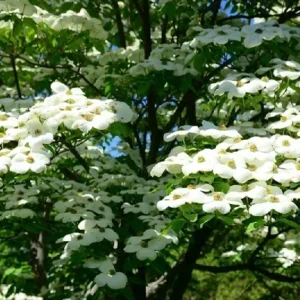
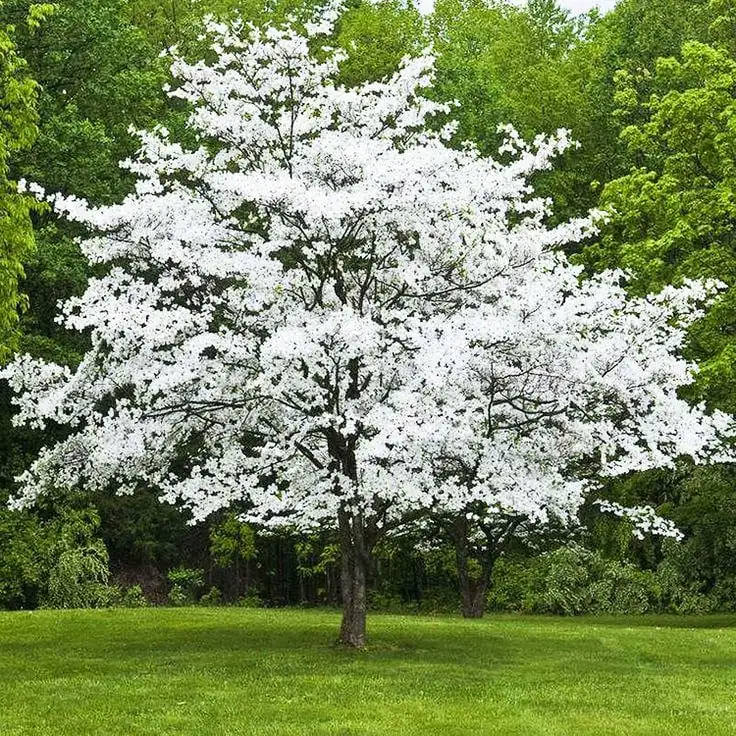
Introduce classic American charm to your landscape with the white dogwood bare root tree. This offering includes three bare-root specimens of Cornus florida, widely celebrated as one of the most beautiful native trees in North America. The White Flowering Dogwood is cherished for its spectacular display of white bracts that emerge in spring, creating a breathtaking canopy of bloom. Beyond its floral appeal, this tree provides continuous beauty through all four seasons, making it a truly exceptional addition to any garden. From its vibrant red fall foliage to the glossy red fruits that attract birds, the Cornus florida tree is a beacon of natural elegance. These bare-root plants are an economical and effective way to establish this magnificent species in your yard, promising years of enjoyment and ecological benefit.
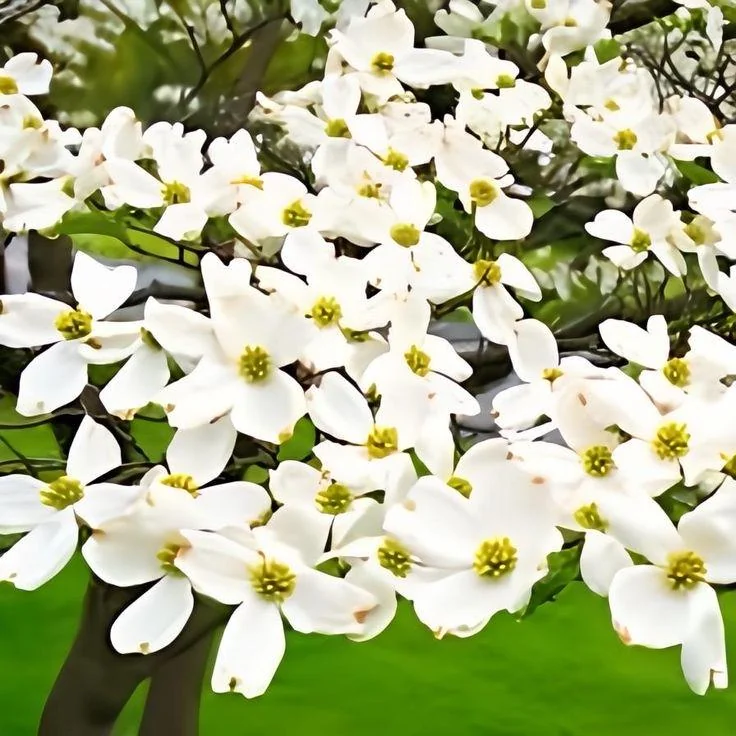
The actual flowers of the White Dogwood are small and green, but they are surrounded by four large, showy white bracts that steal the show. These trees are not just ornamental; they are vital for local ecosystems, attracting a variety of pollinators like native bees, moths, and butterflies. They also serve as a larval host for several butterfly and moth species, including the Spring Azure butterfly and Lo Moth. Planting these bare-root trees offers an opportunity to contribute to biodiversity while enhancing the aesthetic appeal of your outdoor space with a truly iconic North American tree.
Key Benefits
The white dogwood bare root offers numerous advantages, transforming your garden into a vibrant, wildlife-friendly haven. These trees provide exceptional value and beauty throughout the year.
- Stunning Spring Blooms: Enjoy a magnificent display of large, showy white bracts in mid-spring, creating an eye-catching focal point in your garden. The beauty of these blooms is unparalleled, making the Cornus florida tree a garden favorite.
- Four-Season Interest: Unlike many trees, the White Dogwood provides visual appeal throughout the year. From spring flowers to summer greenery, vibrant red-purple fall foliage, and attractive red berries in winter, it offers continuous beauty.
- Attracts Pollinators and Wildlife: The flowers attract essential pollinators like bees, moths, and butterflies, while the red berries are a beloved food source for birds, enhancing the ecological value of your yard.
- Native and Adaptable: As a native tree, Cornus florida is well-suited to many North American climates and soil types, making it a robust and relatively low-maintenance choice for your landscape.
- Excellent for Landscaping: Its moderate size, attractive shape, and seasonal changes make it an ideal specimen tree, understory tree, or addition to mixed borders, providing excellent structure and beauty.
- Supports Local Ecosystems: Serving as a larval host plant for various insects, including the Spring Azure butterfly, this tree actively supports local biodiversity.
- Durable and Long-Lived: With proper care, these white dogwood bare root plants will establish into strong, long-lived trees that will grace your property for decades.
Plant Care & Growing Tips
Proper care for your white dogwood bare root plants ensures they establish well and thrive, providing years of beauty. When planting, select a site with well-drained, acidic soil. Dogwoods prefer partial shade, especially in hotter climates, where afternoon sun can scorch leaves. Morning sun with afternoon shade is ideal. Ensure the planting hole is wide enough to accommodate the roots without bending, and plant the bare root so the root collar is at or slightly above ground level. Water thoroughly after planting to settle the soil around the roots.
For ongoing care, consistent moisture is crucial, especially during the first few years as the tree establishes. Aim for about 1 inch of water per week, either from rainfall or irrigation. Avoid overwatering, as dogwoods do not tolerate soggy conditions. Fertilize in early spring with a balanced, slow-release fertilizer formulated for acid-loving plants, following package directions. Pruning should be minimal, primarily to remove dead, damaged, or crossing branches. The best time for pruning is late winter or early spring before new growth begins. Understanding flowering dogwood care is key to a healthy, vibrant tree.
The Cornus florida tree typically grows well in USDA hardiness zones 5-9. Protect young trees from deer, as they can browse on tender new growth. Monitor for common pests and diseases such as dogwood anthracnose or powdery mildew, and address them promptly with appropriate organic or chemical treatments. A healthy environment, including proper moisture and light, will help your tree resist these issues. If you are looking for the best dogwood for sale, ensuring you understand these care requirements will help your investment flourish.
Size & Details
This offering includes 3 high-quality white dogwood bare root plants. Bare-root plants are shipped dormant without soil, offering an excellent way to establish trees economically. Upon arrival, soak the roots in water for a few hours before planting. These trees are typically shipped as young saplings, ready for immediate planting. Once established, White Dogwoods can grow to be 15–40 feet tall and 20–25 feet wide, forming a beautiful, rounded or flat crown. They feature short trunks and low branches, creating an attractive silhouette in the landscape.
The growth rate of the Cornus florida tree is moderate, typically adding about 12-24 inches of height per year. Expect the first showy blooms to appear within a few years of planting, with increasing abundance as the tree matures. The dark green, oval leaves are 4–8 inches long, turning a striking red-purple in the fall. The bright red fruit, which appears in late summer, is a favorite of birds and adds to the tree’s ornamental value. This 3-pack provides a fantastic opportunity to create a stunning natural display or a small grove of these iconic trees.
Frequently Asked Questions
- Q: How big does this white dogwood bare root tree get? A: White Dogwoods can mature to a height of 15–40 feet and spread 20–25 feet wide, forming a lovely, rounded canopy. Its ultimate size depends on growing conditions and environment.
- Q: Is this an indoor or outdoor plant? A: The Cornus florida tree is an outdoor tree, best suited for planting in gardens, yards, or as part of a larger landscape design. It requires significant space to grow.
- Q: How much sunlight does the Dogwood tree need? A: Dogwoods thrive in partial shade, particularly in areas with hot summers. They prefer morning sun and afternoon shade to protect their leaves from scorching.
- Q: What condition will the bare-root plants arrive in? A: Your bare-root plants will arrive dormant, without soil, with their roots protected. This is normal for bare-root stock and ensures they are ready for planting upon arrival.
- Q: When is the best time to plant these bare-root dogwood trees? A: The ideal time for planting bare-root dogwoods is in early spring, after the last frost, or in late fall after the leaves have dropped and before the ground freezes. This allows the roots to establish before extreme weather.
- Q: Is this plant easy to care for? A: With proper site selection and consistent watering during establishment, flowering dogwood care is relatively straightforward. They are considered moderately easy to care for once established.
- Q: What type of soil does the White Dogwood prefer? A: White Dogwoods grow best in well-drained, clay, loamy, sandy, moist, rich, and acidic soils. Good drainage is crucial to prevent root rot.
- Q: Will the fruit be safe for pets or children? A: The bright red fruit of the White Dogwood is beloved by birds but is poisonous to humans. It is best to educate children about not consuming the berries.
- Q: What is a good dogwood tree planting guide for beginners? A: For beginners, focus on choosing a site with partial shade and well-drained, acidic soil. Dig a wide hole, spread the bare roots, and plant so the root collar is at ground level. Water consistently, especially in the first year.
- Q: How long does it take for the bare root dogwood to bloom? A: Bare-root dogwoods typically begin to bloom within 2-3 years after planting, with more abundant flowering as the tree matures and establishes its root system.


Reviews
There are no reviews yet.