Overview
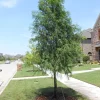
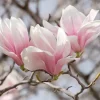
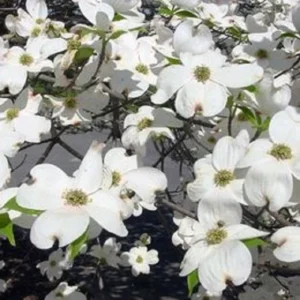
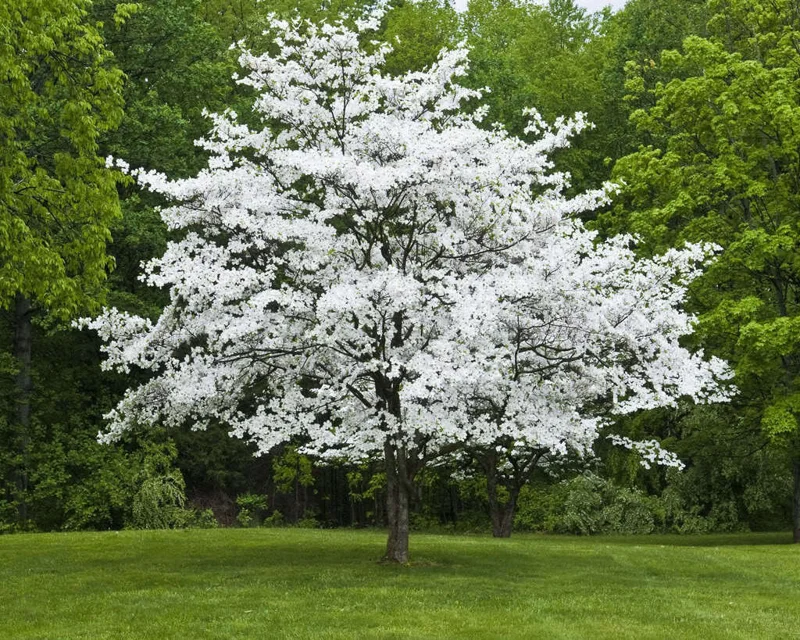
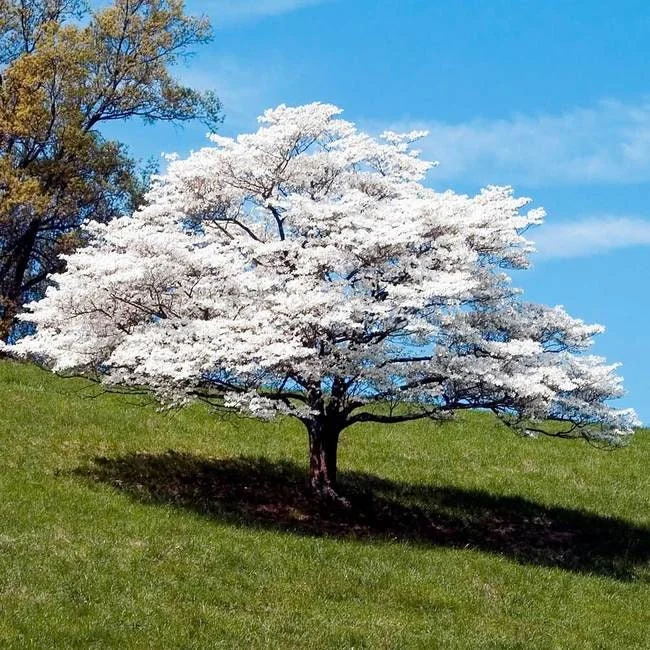
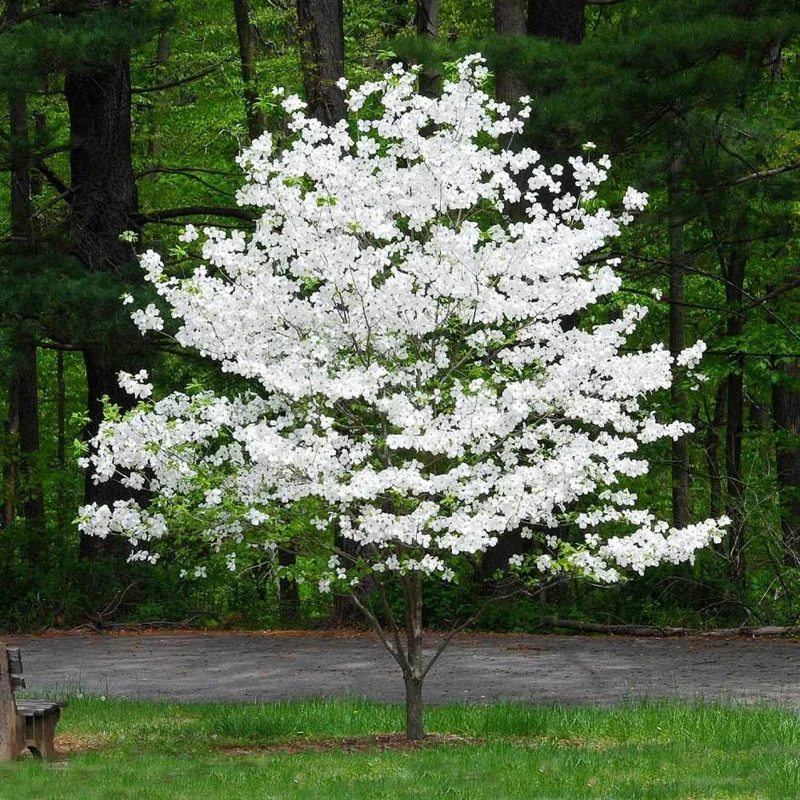
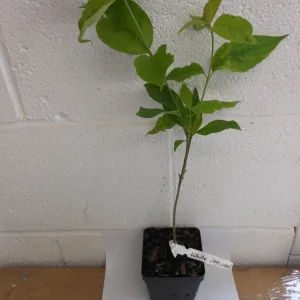
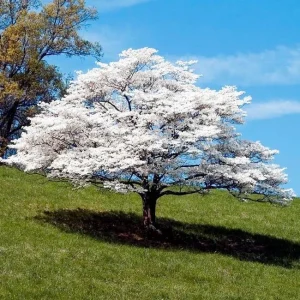
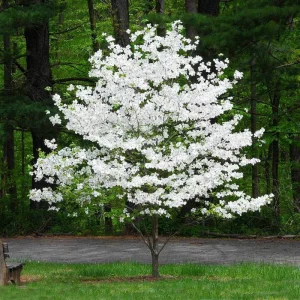
Introduce timeless beauty to your landscape with our premium white flowering dogwood live plant. This exquisite deciduous tree, scientifically known as Cornus florida, is a beloved classic, cherished for its spectacular white blossoms that herald the arrival of spring. Often growing to a mature height of 15-30 feet, the white flowering dogwood live plant develops a distinctive low-branching, broadly pyramidal, yet somewhat flat-topped habit, making it a striking specimen tree or an elegant addition to mixed borders. Its bloom period, typically in early spring, often overlaps with or shortly follows redbud trees, creating a picturesque display in your yard. Native to a vast region stretching from Maine to Texas, this resilient tree is also the proud state tree of both Missouri and Virginia, attesting to its widespread appeal and adaptability. Our dogwood comes as a robust 10-16 inch tall live plant in a quart pot, ready to establish itself and transform your outdoor space.
The cornus florida tree is more than just a spring beauty; it offers multi-season interest. Beyond its dazzling floral show, it provides attractive green foliage throughout the summer, which then transitions to beautiful reddish-purple hues in the fall, adding another layer of visual appeal. Furthermore, its bright red berries, which mature in late summer and fall, are a valuable food source for various bird species, contributing to local wildlife support. This makes the white flowering dogwood live plant an exceptional choice for anyone looking to cultivate a dynamic and engaging garden environment.
Key Benefits
Choosing a white flowering dogwood live plant brings numerous advantages to your garden, enhancing both its aesthetic and ecological value. This low-maintenance tree is an excellent investment for long-term enjoyment.
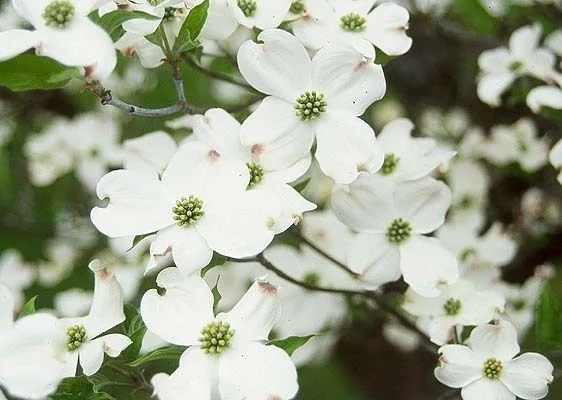
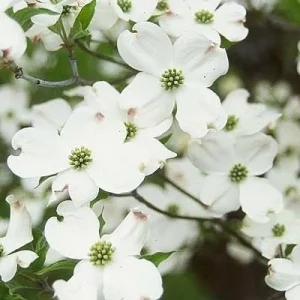
- Stunning Spring Blooms: Enjoy an explosion of delicate white flowers each spring, creating a breathtaking focal point in your garden. These iconic blooms are a true sign of the season’s renewal.
- Vibrant Fall Color: As summer wanes, the foliage of the cornus florida tree transforms into rich shades of reddish-purple, providing a dramatic display that adds depth and warmth to your autumn landscape.
- Wildlife Attraction: The bright red berries produced in late summer and fall are a natural food source for birds, helping to support local wildlife and bring more activity to your garden.
- Historical & Cultural Significance: As the state tree of Missouri and Virginia, the white flowering dogwood live plant carries a rich heritage, making it a meaningful addition to any American garden.
- Adaptable & Resilient: Hardy in USDA zones 5-9, this tree is surprisingly adaptable to a range of soil types and growing conditions, making it suitable for many regions.
- Moderate Size: With a mature height of 15-30 feet, it’s an ideal choice for both smaller urban gardens and larger landscapes, providing shade and beauty without overwhelming the space.
- Easy to Grow: Known for being relatively easy to grow and maintain, this dogwood tree care is straightforward, making it suitable for gardeners of all experience levels.
Plant Care & Growing Tips
Proper care ensures your white flowering dogwood live plant thrives and provides years of beauty. This tree is relatively low-maintenance once established, but a good start is crucial. It prefers average, medium moisture, well-drained soils. While it can tolerate full sun, it generally performs best in part shade, especially in hotter climates, where it benefits from protection from intense afternoon sun. Ensure the soil remains consistently moist but not waterlogged, particularly during its establishment period. Overwatering can be detrimental, so good drainage is key for optimal dogwood tree care.
When planting your cornus florida tree, choose a site with adequate space for its mature size. Dig a hole twice as wide as the root ball and just as deep. Backfill with the excavated soil, ensuring the top of the root ball is level with the ground. Mulch around the base to help retain soil moisture and regulate temperature. Fertilize annually in early spring with a balanced, slow-release fertilizer formulated for trees and shrubs. Pruning is generally minimal, focusing on removing dead, damaged, or crossing branches to maintain a healthy structure. Keep an eye out for common dogwood diseases like anthracnose, and ensure good air circulation around the plant to help prevent fungal issues. This species is hardy in zones 5-9, meaning it can withstand winter temperatures down to -20°F.
Understanding the specific needs of your white flowering dogwood live plant will lead to a healthier and more vibrant tree. While generally robust, consistent moisture during dry spells, especially in its first few years, is vital. The tree is native to the eastern United States, indicating its preference for climates with distinct seasons and moderate rainfall. Providing proper environmental conditions will ensure your Missouri state tree or Virginia state tree flourishes, delivering its iconic spring blossoms and attractive fall foliage year after year.
Size & Details
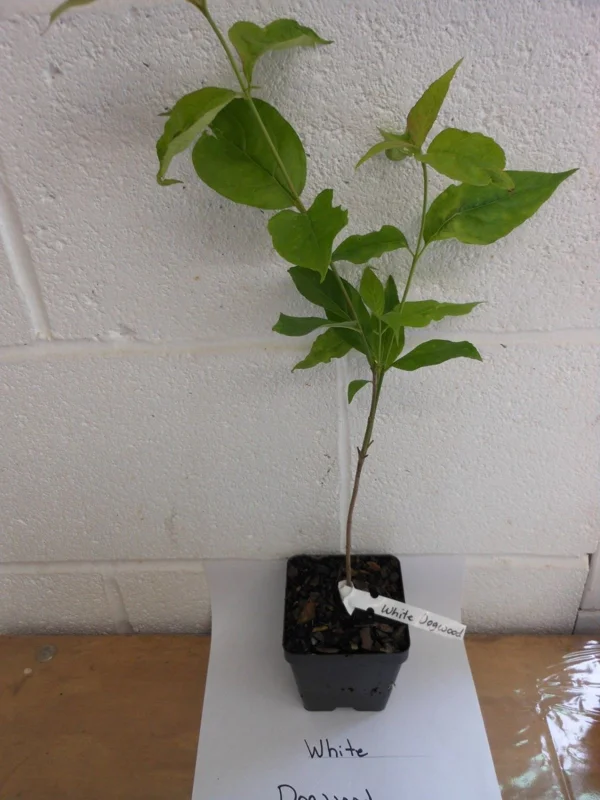
This offering is for one white flowering dogwood live plant, which arrives in a convenient quart-sized pot. The young tree stands approximately 10-16 inches in height, providing a robust starter plant ready for transplanting into your garden or a larger container. Cornus florida is a slow to medium grower, typically adding 12-24 inches of height per year under optimal conditions. It will eventually mature into a beautiful tree ranging from 15-30 feet tall with a similar spread, creating a lovely canopy.
The plant is shipped in its nursery pot with soil, ensuring minimal transplant shock and a healthy transition to its new home. Expect the first significant blooms to appear within a few years of planting, with the tree reaching its full splendor as it matures. Its low-branching habit makes it an excellent choice for underplanting or as a specimen tree where its form can be fully appreciated. The vibrant red berries follow the spring blooms, providing visual interest well into the fall and winter months.
Frequently Asked Questions
- Q: How big does this plant get? A: This white flowering dogwood live plant is currently 10-16 inches tall in a quart pot. It can eventually grow to a mature height of 15-30 feet with a similar spread, forming a beautiful, broadly pyramidal tree.
- Q: What size pot does it come in? A: The white flowering dogwood live plant is shipped in a quart-sized nursery pot, which is ideal for its current size and for safe transport. You can plant it directly into the ground or a larger container upon arrival.
- Q: Is this an indoor or outdoor plant? A: The cornus florida tree is an outdoor deciduous tree. It requires a period of dormancy and is not suitable for long-term indoor cultivation. It thrives in garden settings.
- Q: How much sunlight does it need? A: This dogwood prefers full sun to part shade. In regions with hot summers, it benefits from some afternoon shade to protect its foliage and ensure optimal growth.
- Q: Is this plant easy to care for? A: Yes, dogwood tree care is considered relatively easy. Once established, it requires average moisture and well-drained soil. Regular watering during dry spells and annual fertilization will keep it healthy.
- Q: What condition will it arrive in? A: Your white flowering dogwood live plant will arrive securely packaged in its quart pot with soil, ensuring it is healthy and ready for planting. We take care to protect the plant during shipping.
- Q: When is the best time to plant this tree? A: The best time to plant your white flowering dogwood live plant is in early spring or fall when temperatures are moderate. This allows the tree to establish its root system before extreme weather.
- Q: Will it survive winter in my zone? A: This dogwood is hardy in USDA zones 5-9, meaning it is well-suited to survive winters in a wide range of climates across the United States.
- Q: What is the significance of this tree being the Missouri state tree? A: The Missouri state tree designation, along with being the Virginia state tree, highlights its natural prevalence and cultural importance in these regions, showcasing its beauty and hardiness.


Reviews
There are no reviews yet.