Overview
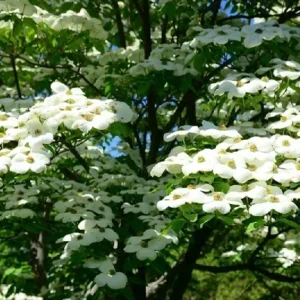
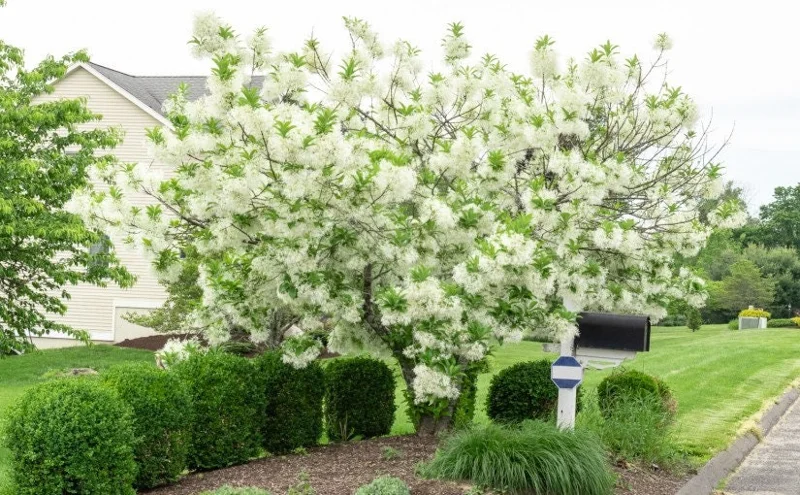
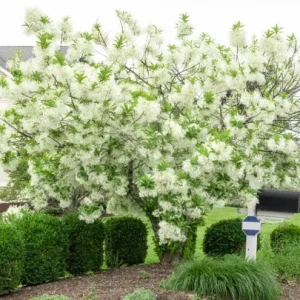
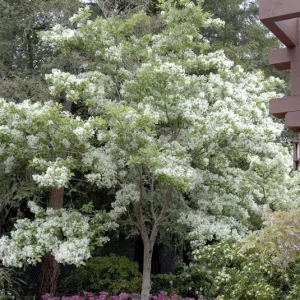
Introduce a touch of native American charm and seasonal beauty to your garden with the white fringe tree live plant, scientifically known as Chionanthus virginicus. This deciduous tree is a true spectacle, revered for its profusion of delicate, fringe-like white flowers that grace its branches in late spring, creating an ethereal display. Often called the Snow Flower Tree, Flowering Ash, Old Man’s Beard, or grancy graybeard tree, it offers year-round interest. While it may be one of the last trees to leaf out in spring, its eventual burst of blooms and vibrant fall color make it well worth the wait. This particular offering provides you with a healthy specimen grown in a 1-quart pot, ready to establish itself in your landscape and begin its journey to maturity.
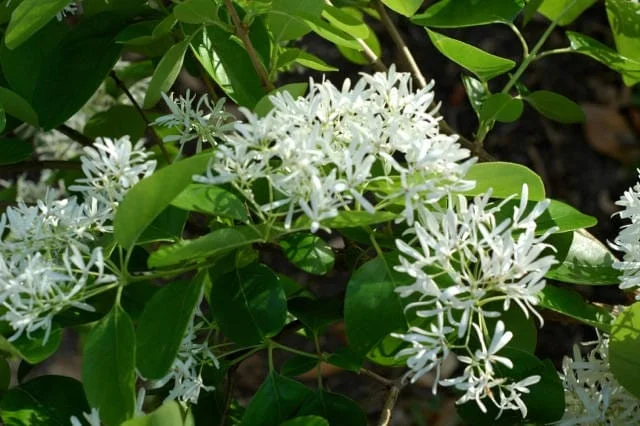
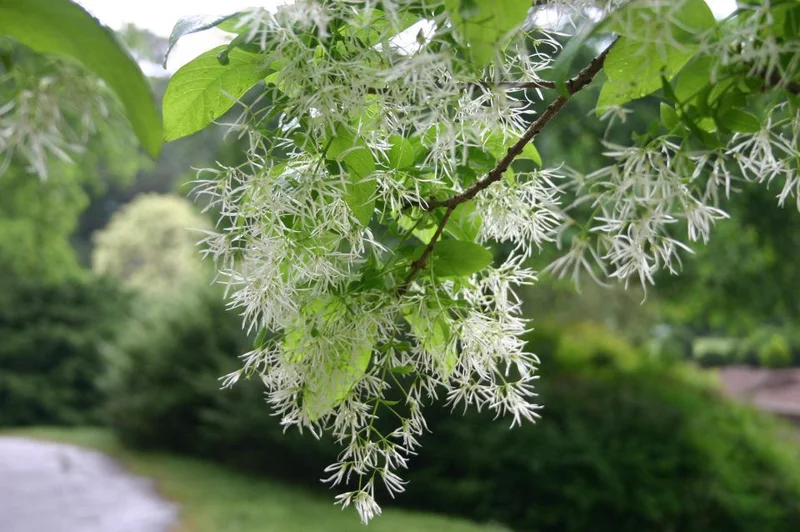
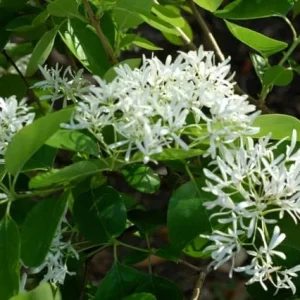
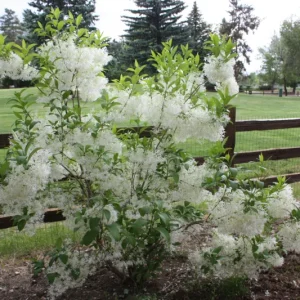
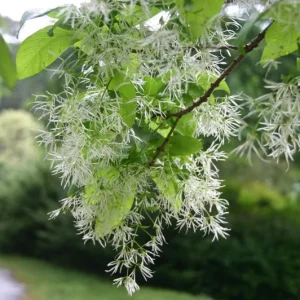
The Chionanthus virginicus tree is adaptable and can be trained to grow as a single-trunk specimen or allowed to develop its natural multi-stemmed form, offering versatility in garden design. Its unique common names vividly describe its appearance: the ‘fringe’ refers to its delicate white petals, while ‘Old Man’s Beard’ or ‘Grancy Graybeard’ allude to the long, flowing nature of its blooms. This plant is a fantastic choice for those looking to add an ornamental tree with significant seasonal impact and a relatively low maintenance profile to their outdoor space.
Key Benefits
The white fringe tree live plant offers a multitude of benefits, making it a stellar addition to various garden settings. From its aesthetic appeal to its adaptability, this tree provides consistent value and beauty.
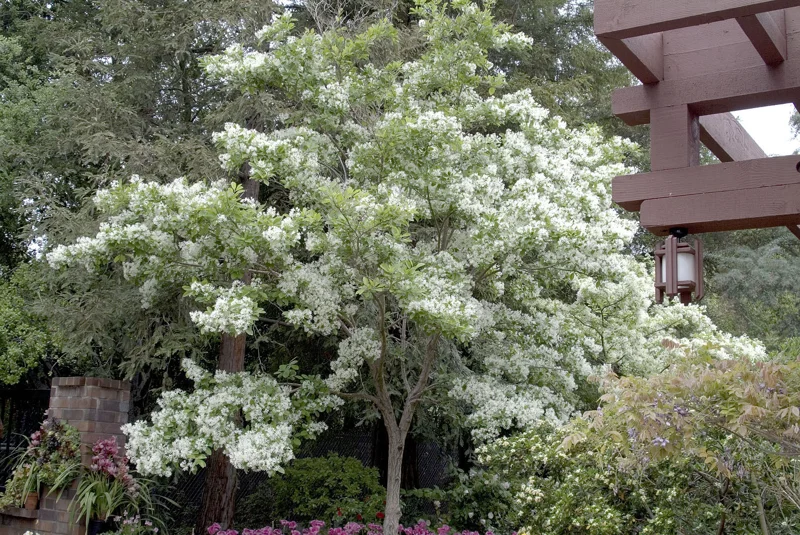
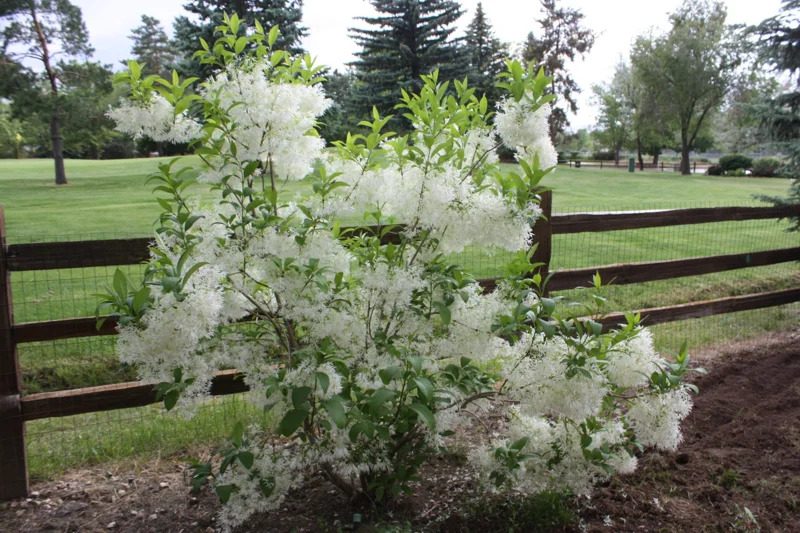
- Stunning Spring Blooms: Enjoy an abundance of delicate, fragrant white flowers in late spring that cover the entire tree, creating a cloud-like effect. These unique, strap-like petals give the tree its characteristic ‘fringed’ appearance.
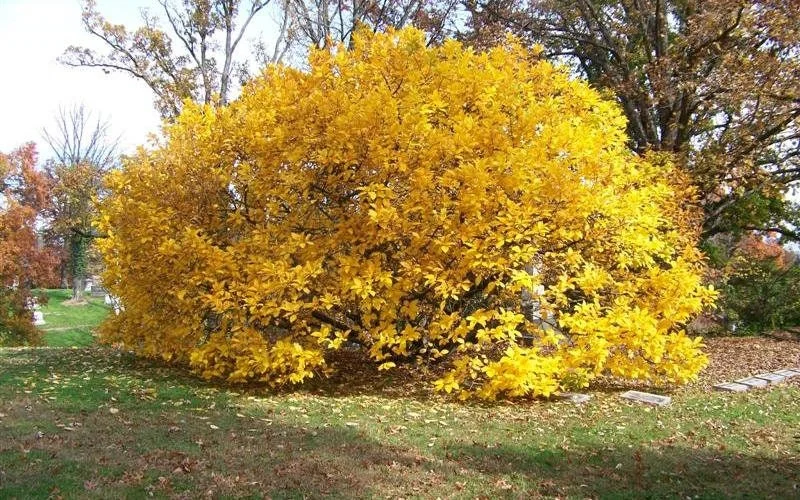
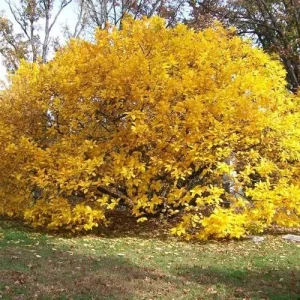
- Attractive Autumn Foliage: As seasons change, the leaves transform into a brilliant golden-yellow, providing a vibrant display before dropping for winter. This adds another layer of seasonal interest to your landscape.
- Adaptable Growth Habit: The tree can be cultivated as a single-trunk specimen for a more formal look or allowed to grow into a multi-stemmed shrub-like form, fitting diverse garden designs.
- Native and Hardy: Being native to America, this tree is well-suited to various climates and is remarkably hardy, thriving in USDA Zones 4-9. This resilience makes for easier care and establishment.
- Pollinator Friendly: The fragrant flowers attract beneficial pollinators, including bees and butterflies, contributing to the ecological health and biodiversity of your garden space.
- Moderate Size: Reaching mature heights of 15-20 feet and widths of 10-15 feet, it’s a perfect size for smaller gardens, urban landscapes, or as an understory tree in larger settings.
- Low Maintenance: Once established, the chionanthus virginicus tree is relatively low-maintenance, requiring minimal pruning and general care, making it ideal for busy gardeners.
Plant Care & Growing Tips
Ensuring the health and vitality of your white fringe tree live plant begins with proper planting and ongoing care. This tree is relatively forgiving, but understanding its preferences will lead to the best growth and most abundant blooms. For optimal results, consider the specific needs of the flowering ash tree, especially during its establishment phase.
Sunlight Requirements: The White Fringe Tree thrives in full sun to partial shade. In hotter climates, some afternoon shade can be beneficial to protect it from intense heat. Aim for at least 4-6 hours of direct sunlight daily for the best flowering. Watering Schedule: Keep the soil consistently moist, especially during the first year after planting to help establish its root system. Once established, it is moderately drought-tolerant but will benefit from regular watering during dry spells. Avoid overwatering, as this can lead to root rot. Soil Type and Drainage: This tree prefers rich, well-draining soil with a slightly acidic to neutral pH. Amend heavy clay soils with organic matter to improve drainage. Good drainage is crucial for its health. Temperature Range and USDA Hardiness Zone: The White Fringe Tree is hardy in USDA Zones 4-9, tolerating a wide range of temperatures. It can withstand cold winters and warm summers within these zones. Fertilization: Fertilize in early spring with a balanced, slow-release granular fertilizer formulated for trees and shrubs. Follow package directions for application rates. Avoid over-fertilizing, which can burn the roots. Pruning: Prune in late winter or early spring while the tree is dormant. Remove any dead, damaged, or crossing branches. You can also prune to maintain its shape or to encourage a single-trunk form. Minimal pruning is typically needed for this species. Common Problems: Generally pest and disease resistant. Watch for scale insects or powdery mildew, which can be treated with horticultural oil or fungicides if necessary. Ensure good air circulation to prevent fungal issues.
Size & Details
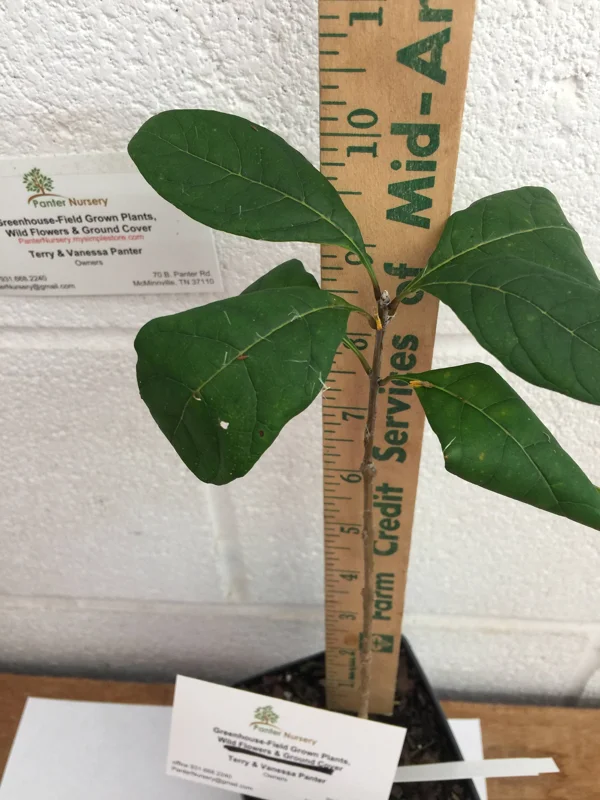
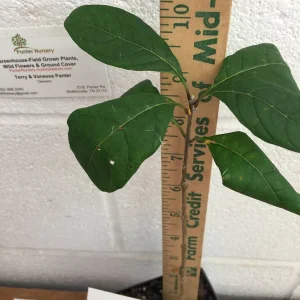
This offering is for one white fringe tree live plant, grown in a 1-quart pot. At the time of shipment, the plant will be well-rooted and healthy, ready for transplanting into your garden. The mature size of the White Fringe Tree typically ranges from 15 to 20 feet tall with a spread of 10 to 15 feet wide, making it a medium-sized ornamental tree suitable for various landscape applications. Its growth rate is moderate, meaning it will establish and grow steadily over several years. Expect the tree to begin flowering once it reaches a certain maturity, usually within a few years of planting. The deciduous nature means it will shed its leaves in late autumn after they turn a beautiful golden yellow. This plant is a long-lived addition to the landscape, providing decades of enjoyment.
Frequently Asked Questions
- Q: How big does this chionanthus virginicus tree get? A: The White Fringe Tree typically reaches a mature height of 15-20 feet tall and spreads 10-15 feet wide. Its size makes it suitable for many garden settings without overwhelming the space.
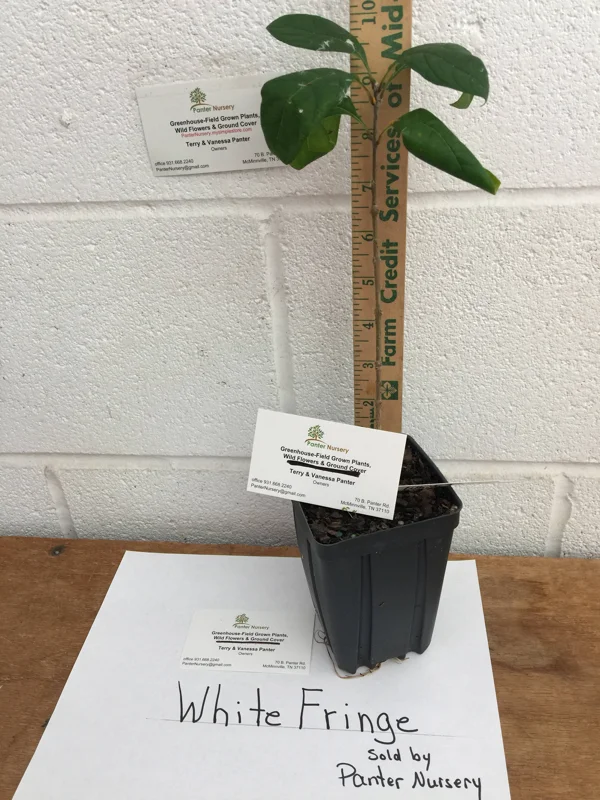
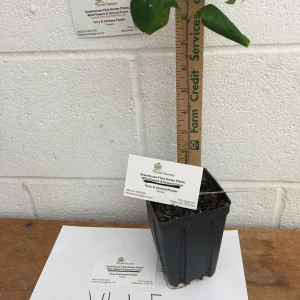
- Q: What size pot does it come in? A: This white fringe tree live plant is supplied in a 1-quart pot, ensuring a healthy root system for successful transplanting into your garden.
- Q: Is this an indoor or outdoor plant? A: The White Fringe Tree is an outdoor deciduous tree, best suited for planting directly in the ground in USDA Hardiness Zones 4-9. It requires seasonal changes to thrive.
- Q: How much sunlight does it need? A: For best results and abundant blooms, the tree needs full sun to partial shade. Aim for at least 4-6 hours of direct sunlight per day, especially in cooler climates.
- Q: Is this plant easy to care for? A: Yes, the white fringe tree care is generally considered low-maintenance once established. It’s tolerant of various conditions and relatively pest and disease resistant.
- Q: What condition will it arrive in? A: Your White Fringe Tree will arrive as a healthy, well-rooted live plant in its 1-quart nursery pot, carefully packaged to ensure its safe journey.
- Q: How long until it blooms? A: While the plant will arrive young, established White Fringe Trees typically begin blooming in late spring. It may take a few years after planting for your tree to produce its first significant floral display.
- Q: Will it survive winter in my zone? A: The White Fringe Tree is hardy in USDA Zones 4-9. If you are within these zones, your tree should successfully survive winter and return in spring.
- Q: What’s the best time to plant a grancy graybeard tree? A: The best time to plant is in spring or early fall, allowing the tree sufficient time to establish its root system before extreme summer heat or winter cold.
- Q: Can the flowering ash tree be grown in a container? A: While it can be grown in a large container for a few years when young, it will eventually need to be transplanted into the ground to reach its full size and potential.


Reviews
There are no reviews yet.