Overview
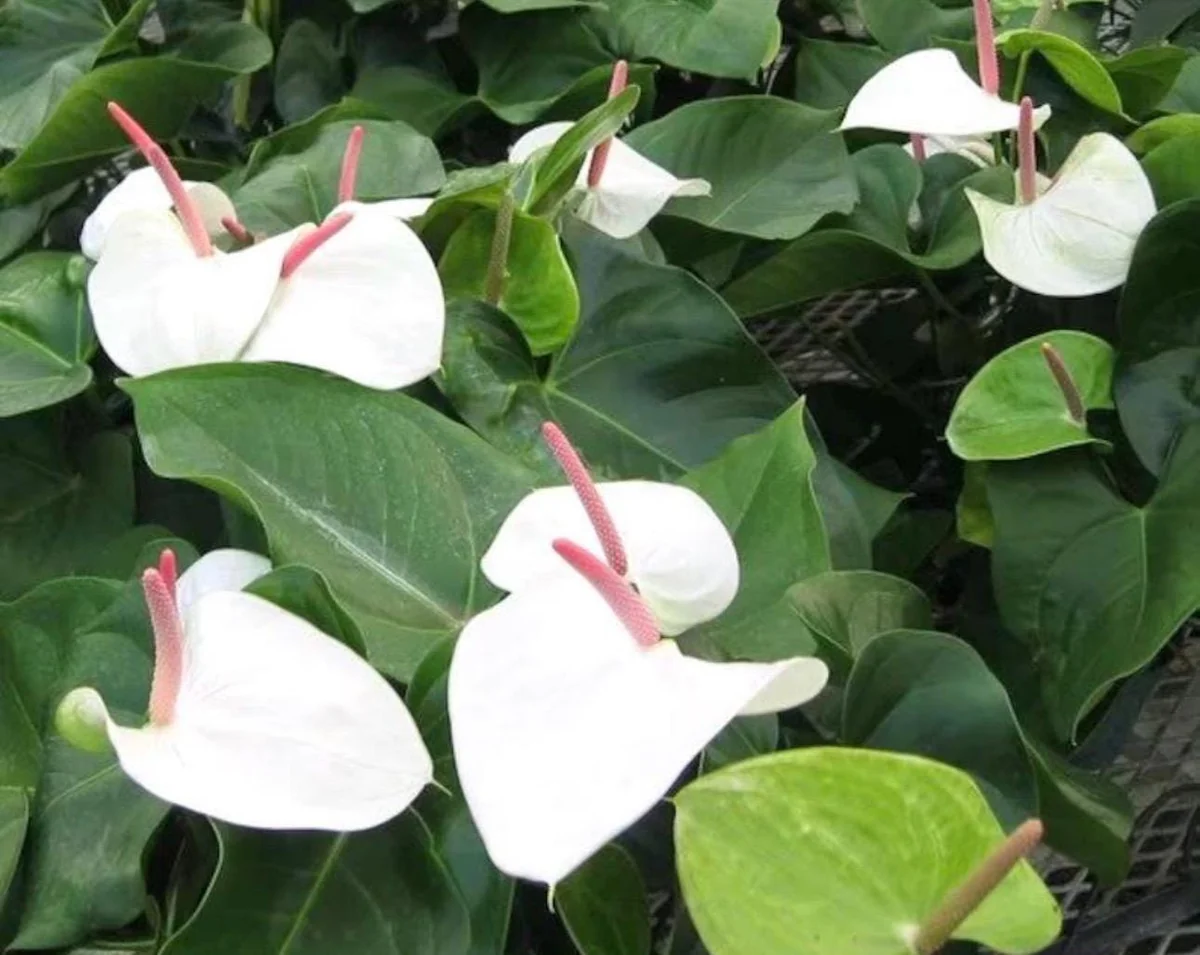
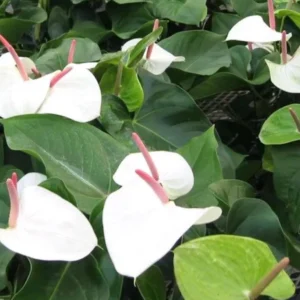
Introduce a touch of tropical elegance to your living space with the exquisite white heart anthurium live plant. This captivating indoor plant, often referred to simply as the flamingo flower or laceleaf, is cherished for its unique and striking appearance. The most prominent feature of this particular variety is its beautiful heart-shaped white spathes, which are often mistaken for flowers. These waxy, long-lasting structures provide a stunning contrast against the plant’s lush, glossy green foliage. Ideal for enhancing any room, the white heart anthurium live plant is a fantastic choice for those seeking a sophisticated and vibrant houseplant.
Originating from the rainforests of South America, Anthuriums are epiphytic plants, meaning they naturally grow on other plants rather than in soil. This characteristic contributes to their adaptability as houseplants. The white heart variety brings a serene and modern aesthetic, making it a popular choice for contemporary home decor. Its sculptural form and persistent blooms ensure year-round interest, providing continuous beauty and a refreshing presence in your home or office environment.
Key Benefits
The white heart anthurium live plant offers numerous advantages beyond its undeniable beauty, making it a valuable addition to your indoor plant collection. Here are some of the key benefits:
- Stunning Aesthetic Appeal: The primary draw of the white heart anthurium live plant is its breathtaking visual impact. The crisp, white, heart-shaped spathes provide a clean and elegant look that can brighten any room. Its vibrant green leaves add to its tropical charm, creating a focal point that captures attention.
- Long-Lasting Blooms: Unlike many flowering plants with short bloom cycles, anthuriums are known for their incredibly long-lasting spathes. These can remain in perfect condition for several weeks, if not months, ensuring continuous color and beauty in your home with minimal effort.
- Air Purification Qualities: Like many houseplants, the anthurium contributes to a healthier indoor environment. It has been recognized for its ability to filter airborne toxins, including formaldehyde, ammonia, toluene, and xylene, helping to purify the air you breathe.
- Relatively Easy Care: Despite its exotic appearance, the easy care anthurium is surprisingly manageable for plant enthusiasts of all experience levels. With proper light and watering, it thrives indoors, making it a rewarding plant to grow without requiring constant attention.
- Versatile Decor Piece: Its compact size and striking form make the white heart anthurium suitable for various settings. It can be a centerpiece on a coffee table, a bright accent on a desk, or part of a larger plant display, seamlessly integrating into diverse decor styles.
- Tropical Ambiance: For those who love the feel of a tropical paradise, the anthurium instantly transports that vibe indoors. Its lush foliage and exotic blooms create a warm, inviting, and vibrant atmosphere.
Plant Care & Growing Tips
Providing the right conditions is crucial for your white heart anthurium live plant to thrive and produce its beautiful white spathes. Understanding its tropical origins will guide you in creating an ideal environment. These plants prefer conditions that mimic their native rainforest habitat.
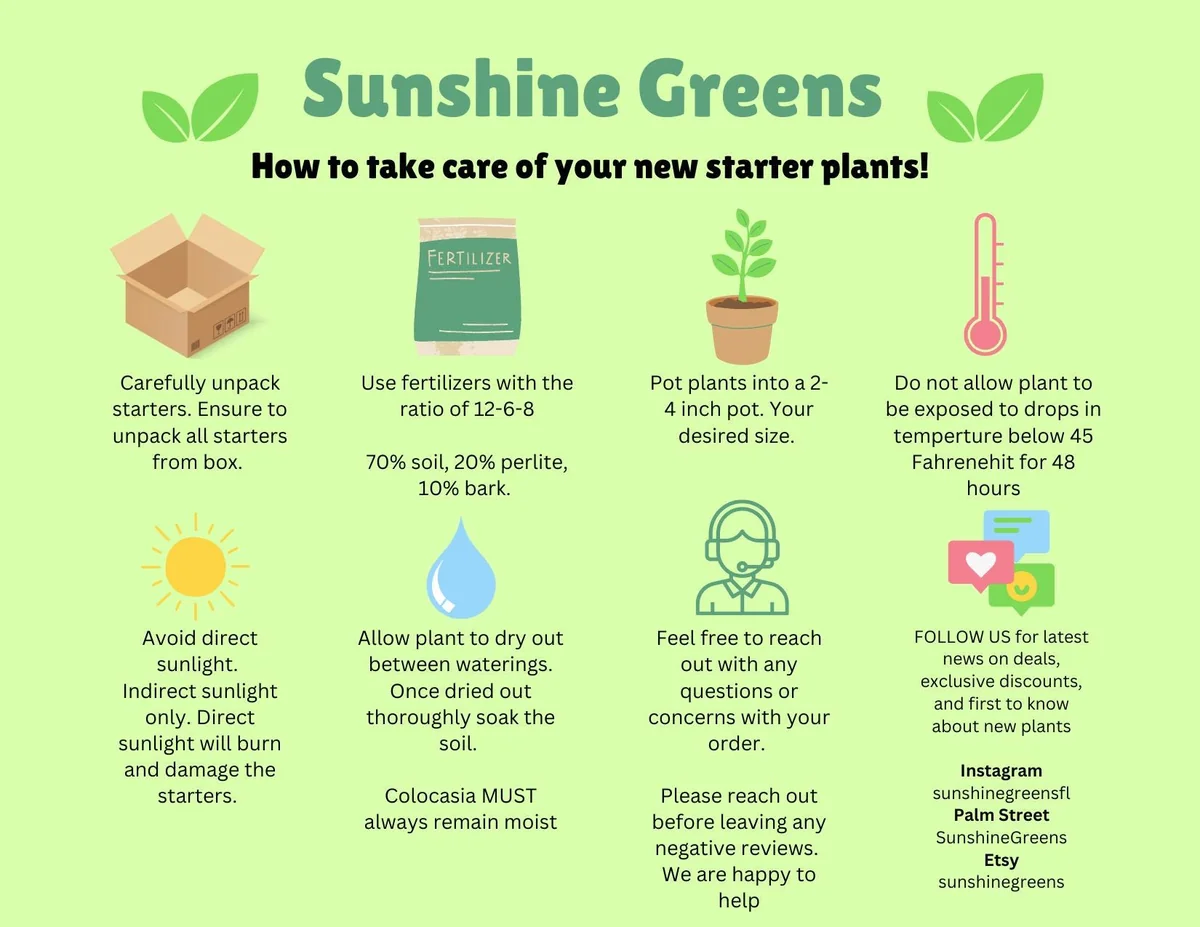
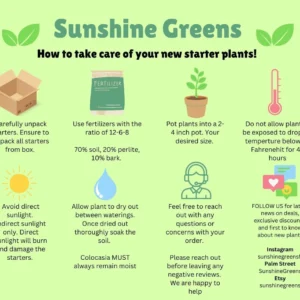
When it comes to sunlight, your anthurium indoor plant will do best in bright, indirect light. Avoid direct sunlight, especially the harsh afternoon sun, as this can scorch its delicate leaves and spathes, leading to discoloration. An east-facing window or a few feet away from a south or west-facing window is often ideal. If your plant isn’t blooming, it might not be getting enough light, so consider moving it to a slightly brighter spot. Humidity is also key for anthuriums; they appreciate high humidity levels. You can achieve this by misting the foliage regularly, placing the pot on a pebble tray with water, or using a humidifier, particularly in drier climates or during winter when indoor heating can reduce air moisture.
Watering should be consistent but careful. Allow the top inch or two of the soil to dry out between waterings. Overwatering is a common mistake and can lead to root rot. Ensure your pot has good drainage holes. When you water, do so thoroughly until water drains from the bottom. For optimal growth, use a well-draining potting mix, ideally one formulated for orchids or aroid plants, which typically includes bark, perlite, and peat moss. This substrate provides the necessary aeration and drainage while retaining some moisture. Fertilize your anthurium every 2-4 weeks during the growing season (spring and summer) with a balanced liquid fertilizer diluted to half strength. Reduce fertilization in fall and winter. The ideal temperature range for anthuriums is between 65-80°F (18-27°C). Protect them from cold drafts and temperatures below 60°F (15°C). Regularly inspect your plant for pests like spider mites or mealybugs and treat them promptly if found. For more detailed information on maintaining this gorgeous specimen, consult an in-depth anthurium care guide.
Size & Details
This offering is for a white heart anthurium live plant, typically provided as a starter plant in a nursery pot. While specific dimensions can vary as each plant is unique, starter plants usually range from 4 to 8 inches in height, including the pot. The plant will arrive well-rooted and ready to acclimate to its new home. Growth rate for anthuriums is moderate, and with proper care, it can reach a mature height of 1 to 2 feet indoors, with a similar spread. The characteristic heart-shaped spathes can grow several inches across, providing a significant visual impact.
The plant is shipped in its nursery pot with soil, ensuring minimal stress during transit. Expect new spathes to emerge throughout the year, especially under optimal growing conditions. The foliage is evergreen, providing continuous greenery. Variations in leaf count and spathe development are normal for young plants. Its compact nature makes it an excellent choice for windowsills, desks, or shelves, allowing you to enjoy the beauty of an anthurium indoor plant even in smaller spaces.
Frequently Asked Questions
- Q: How big does this white heart anthurium live plant get? A: A starter plant typically ranges from 4 to 8 inches tall. With proper care, it can grow to a mature height of 1 to 2 feet and a similar width indoors, making it a medium-sized houseplant.
- Q: Is this an indoor or outdoor plant? A: The white heart anthurium live plant is primarily an indoor plant in most climates. It thrives in the consistent temperatures and humidity levels found indoors, away from harsh outdoor elements.
- Q: How much sunlight does an anthurium indoor plant need? A: It prefers bright, indirect light. Avoid direct sun exposure, which can scorch its leaves. An east-facing window or a spot a few feet from a south or west-facing window is ideal.
- Q: Is this plant easy to care for? A: Yes, anthuriums are considered relatively easy to care for, especially for those who can provide consistent humidity and indirect light. Following an anthurium care guide will ensure its success.
- Q: What condition will the plant arrive in? A: Your white heart anthurium live plant will arrive as a healthy starter plant in its nursery pot with soil, carefully packaged to minimize stress during shipping. Some minor leaf yellowing from transit is normal.
- Q: How long until it blooms? A: Young anthurium plants can start producing their beautiful white spathes within a few months of establishment under good growing conditions. They are known for their long-lasting blooms.
- Q: What’s the best soil type for an anthurium crystallinum? A: Anthuriums prefer a well-draining, airy potting mix. An orchid mix or a blend of peat moss, perlite, and pine bark is highly recommended to mimic its natural epiphytic growing conditions.
- Q: Do I need to fertilize my anthurium? A: Yes, during the spring and summer growing seasons, fertilize every 2-4 weeks with a diluted liquid fertilizer. Reduce or stop fertilizing during fall and winter.
- Q: Is this plant pet-safe? A: No, anthuriums are considered toxic if ingested by pets or humans due to calcium oxalate crystals. Keep them out of reach of children and pets.
- Q: How often should I water my anthurium? A: Water when the top 1-2 inches of soil feel dry to the touch. Ensure the pot has good drainage to prevent root rot, as consistent moisture is important but not soggy soil.


Reviews
There are no reviews yet.