
Overview
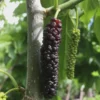
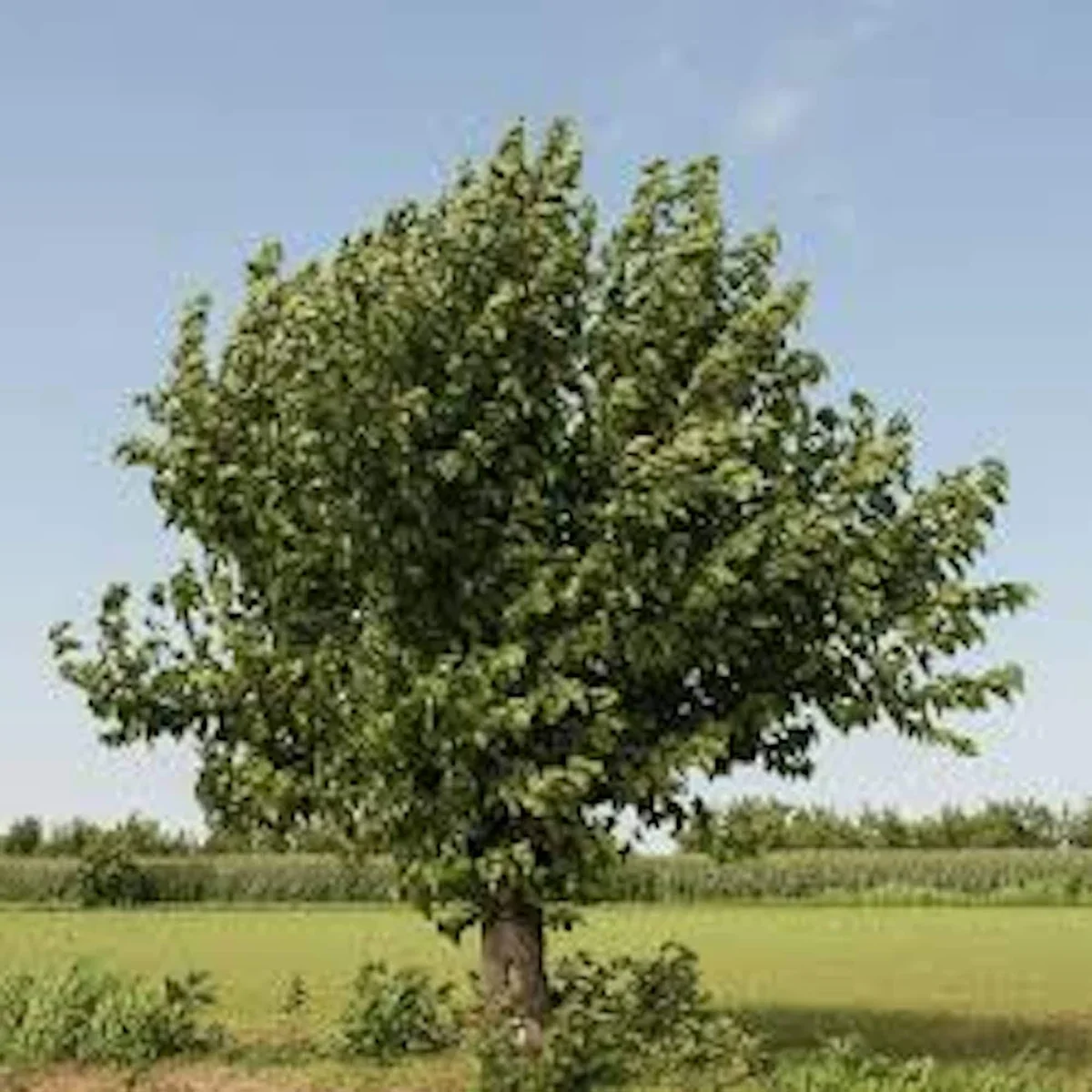
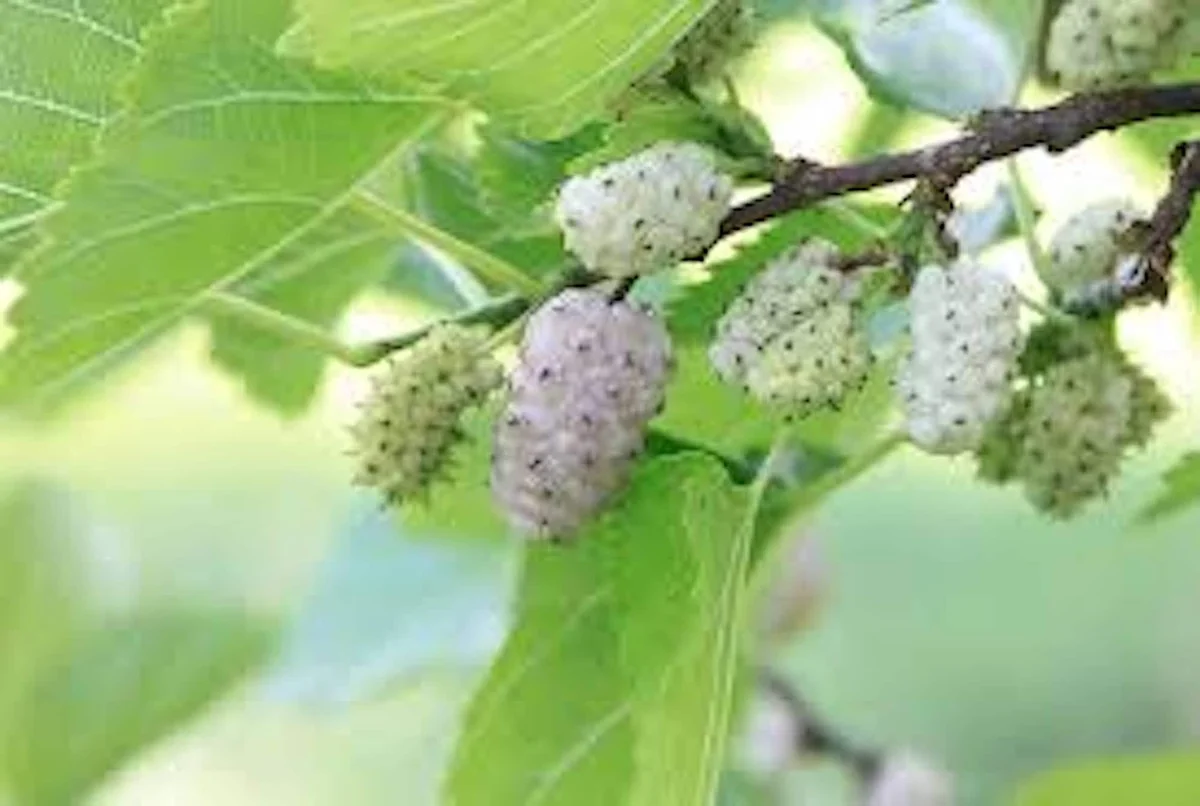
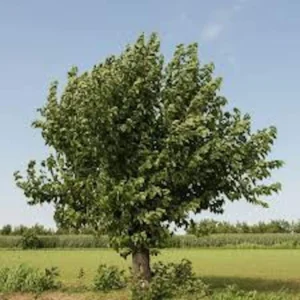
Bring the beauty and bounty of a white mulberry tree bare root into your garden. This offering features a live Morus alba plant, commonly known as the white mulberry, common mulberry, or silkworm mulberry. Renowned for its rapid growth and medium size, this tree can reach impressive heights of 33–66 feet, providing ample shade and an abundant harvest of sweet, edible fruits. Our bare root specimens are carefully selected to ensure a healthy start in your landscape, arriving dormant and ready for planting. The Morus alba is a highly adaptable species, making it a popular choice for both experienced gardeners and those new to tree planting. Its historical significance, particularly in silkworm cultivation, adds an intriguing dimension to its appeal, while its modern use as an ornamental and fruit-bearing tree continues to grow.
These morus alba plant offerings are perfect for establishing a long-term feature in your yard. They are an excellent investment for anyone looking to enhance their property with a resilient and productive tree. The white mulberry is not only a source of delicious berries but also contributes significantly to local ecosystems, attracting various wildlife. Choosing a bare root plant allows for direct establishment in your garden, promoting strong root development from the outset.
Key Benefits
A white mulberry tree bare root offers numerous advantages for any landscape. Its fast growth and adaptability make it a practical and rewarding choice:
- Rapid Growth & Shade: The Morus alba is known for its quick establishment and growth, providing shade relatively quickly compared to many other tree species. This makes it ideal for new homes or areas needing rapid canopy development.
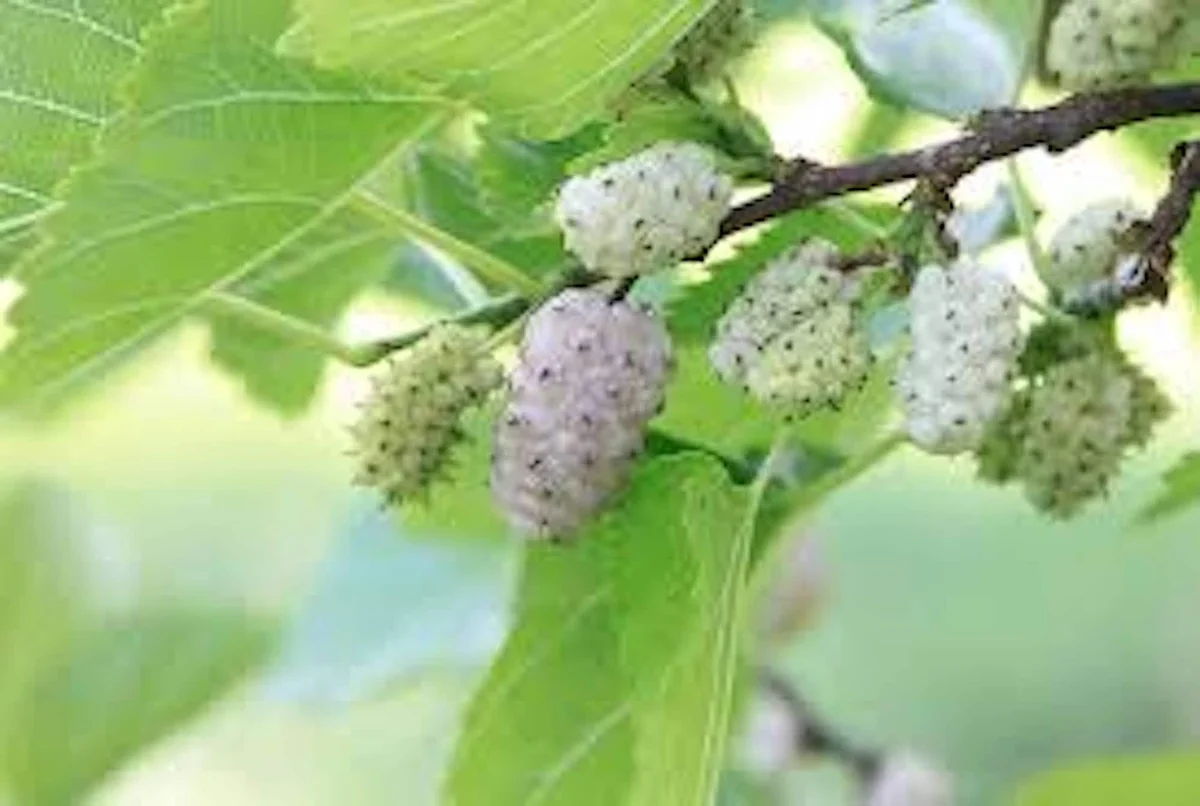
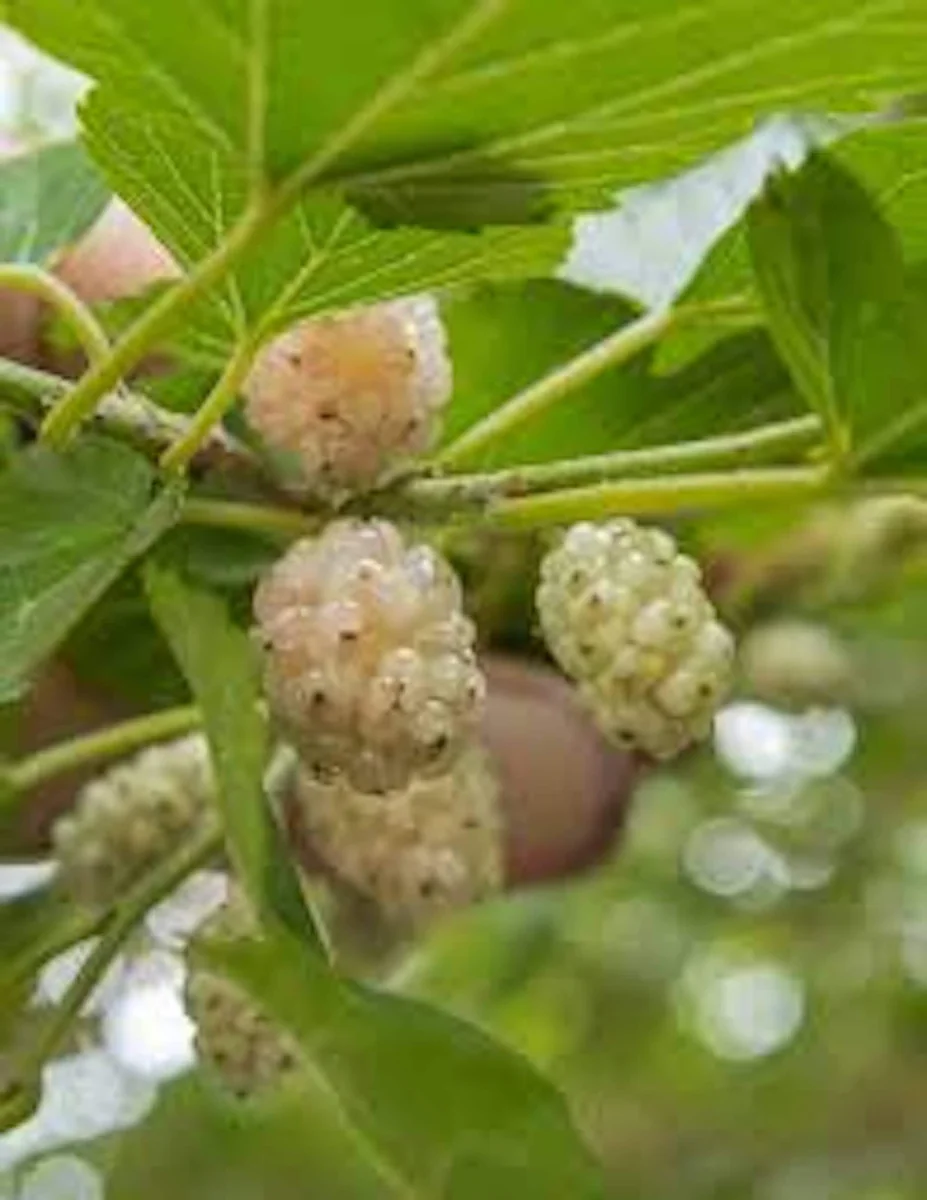
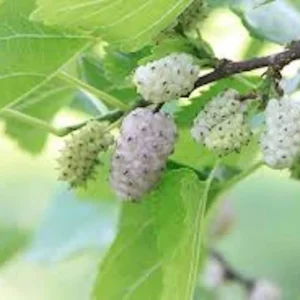
- Delicious Edible Fruit: Enjoy a prolific harvest of sweet, white to pinkish-purple mulberries. These fruits are excellent for fresh eating, jams, pies, or as a treat for local wildlife.
- Drought Tolerance: Once established, the morus alba plant exhibits good drought tolerance, reducing the need for frequent watering and making it a sustainable choice for various climates.
- Cold Hardiness: This tree is remarkably cold-hardy, thriving in USDA Zones 4 to 9, ensuring its survival and productivity across a wide range of temperate regions.
- Adaptable to Soil Types: White mulberries are not particular about soil, flourishing in a variety of well-drained conditions, from sandy to clay soils, which simplifies planting and care.
- Wildlife Attraction: The berries are a favorite food source for birds and other small animals, contributing to biodiversity and bringing vibrant activity to your garden.
- Low Maintenance: Generally, the fast growing mulberry tree requires minimal care once established, making it a suitable option for gardeners who prefer a more hands-off approach.
Plant Care & Growing Tips
Caring for your white mulberry tree bare root is straightforward, ensuring a healthy and productive plant for years to come. These trees are quite resilient but benefit from proper initial care. For optimal growth, plant your bare root mulberry in a location that receives full sun, meaning at least 6-8 hours of direct sunlight per day. While they can tolerate some shade, full sun promotes the best fruit production and overall vigor. Ensure the planting site has well-drained soil; Morus alba can adapt to various soil types, but standing water is detrimental to root health. When planting, dig a hole wide enough to accommodate the roots spread out naturally, and deep enough so that the root collar is at soil level.
Watering is crucial during the establishment phase. Keep the soil consistently moist but not waterlogged for the first year after planting. Once established, the morus alba plant becomes quite drought-tolerant, requiring less frequent watering, though supplemental watering during prolonged dry spells will be beneficial for fruit development. Fertilization is typically not critical for white mulberries, especially in rich soils. However, a balanced, slow-release fertilizer can be applied in early spring to encourage growth, particularly if your soil is poor. Pruning should be done in late winter or early spring while the tree is dormant. Focus on removing dead, damaged, or crossing branches to maintain a strong structure and improve air circulation. Keep an eye out for common pests like aphids or scale, and treat with organic insecticides if necessary. This usda zone 4-9 mulberry is generally robust against most diseases.
Size & Details
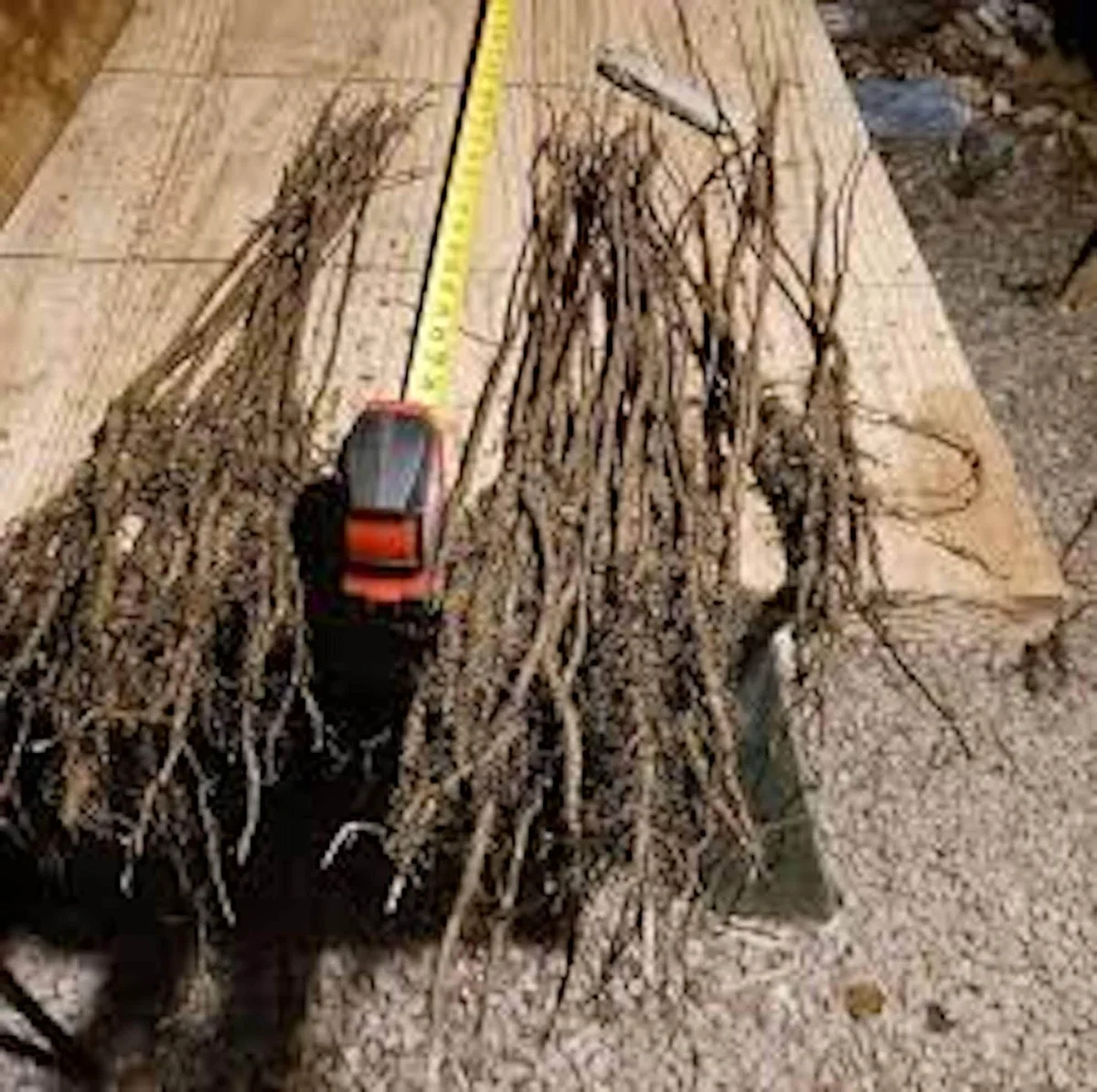
This offering includes a white mulberry tree bare root plant, typically measuring 12-24 inches in height upon arrival. Bare root plants are shipped without soil or a pot, in a dormant state, which is ideal for transplanting and allows for robust root development directly in your garden soil. The mature size of a Morus alba tree ranges from 33 to 66 feet tall, with a comparable spread, forming a dense, rounded canopy. The growth rate is considered fast, meaning you can expect noticeable development each season. These trees are deciduous, losing their leaves in the fall and regrowing them in the spring. Fruit production usually begins within 2-3 years after planting, with peak yields as the tree matures. The berries ripen in late spring to early summer, offering a delightful harvest period. This specific mulberry tree for sale is cultivated to ensure a strong start for your landscaping project.
Frequently Asked Questions
- Q: How big does this white mulberry tree bare root get? A: A mature white mulberry tree bare root (Morus alba) can grow to an impressive height of 33–66 feet tall, with a similar spread, creating a substantial shade tree. Its fast growth rate means it will reach a considerable size relatively quickly.
- Q: Is this an indoor or outdoor plant? A: The morus alba plant is an outdoor tree, best suited for planting directly in the ground. It is hardy in USDA Zones 4 to 9 and requires ample space to grow to its full potential.
- Q: How much sunlight does it need? A: White mulberry trees prefer full sun exposure, ideally receiving at least 6-8 hours of direct sunlight daily for optimal growth and fruit production. They can tolerate some partial shade, especially in hotter climates.
- Q: Is this plant easy to care for? A: Yes, the fast growing mulberry tree is considered relatively easy to care for once established. It is adaptable to various soil types and is drought-tolerant, making it a good choice for gardeners of all experience levels.
- Q: What condition will it arrive in? A: Your white mulberry tree bare root will arrive dormant, without leaves or soil, and carefully packaged to protect its root system. This is the ideal state for planting during the dormant season.
- Q: When is the best time to plant a bare root mulberry tree? A: The best time to plant a bare root mulberry tree is in late winter or early spring, while the tree is still dormant, before new growth begins. This allows the roots to establish before the stress of summer heat.
- Q: Will this usda zone 4-9 mulberry survive winter in my zone? A: Yes, if you are in USDA Zones 4 to 9, this white mulberry tree is cold-hardy and will typically survive winter conditions in your region. It is well-adapted to temperate climates.
- Q: What kind of soil does a white mulberry tree prefer? A: White mulberry trees thrive in well-drained soils and are quite adaptable to a variety of soil types, including loam, sand, and clay. Good drainage is key to preventing root issues.
- Q: How long until it starts producing fruit? A: A mulberry tree for sale typically begins to produce fruit within 2-3 years after planting. Fruit production will increase as the tree matures, offering a bountiful harvest in subsequent years.
- Q: Can I prune my white mulberry tree? A: Yes, pruning is beneficial to maintain the tree’s shape, remove dead or diseased branches, and encourage stronger growth. It’s best done in late winter or early spring while the tree is dormant.


Reviews
There are no reviews yet.