

Overview
Introduce a piece of American heritage to your garden with the majestic white oak tree bareroot, scientifically known as Quercus alba. This offering provides a strong, healthy white oak tree bareroot measuring 18-30 inches, ready to establish itself in your landscape. Renowned for its impressive size, longevity, and robust nature, the White Oak is a classic American tree that contributes timeless beauty and ecological value for generations. It’s an excellent choice for those looking to invest in a durable, long-lived specimen that will stand the test of time, providing shade, beauty, and a habitat for local wildlife.
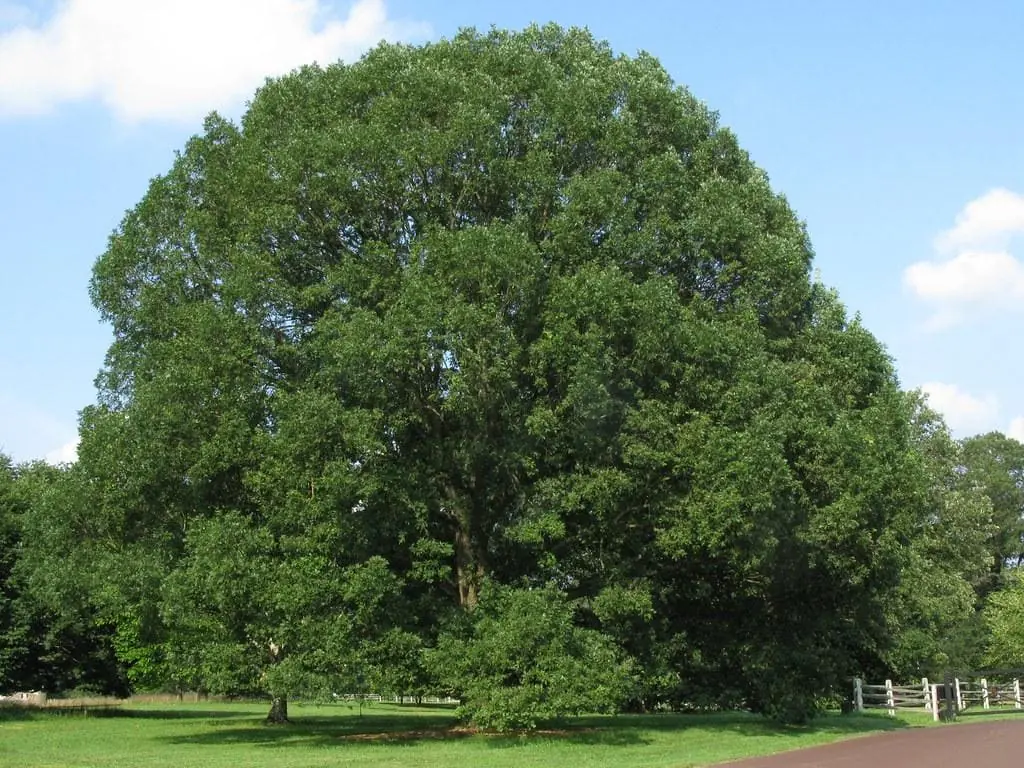
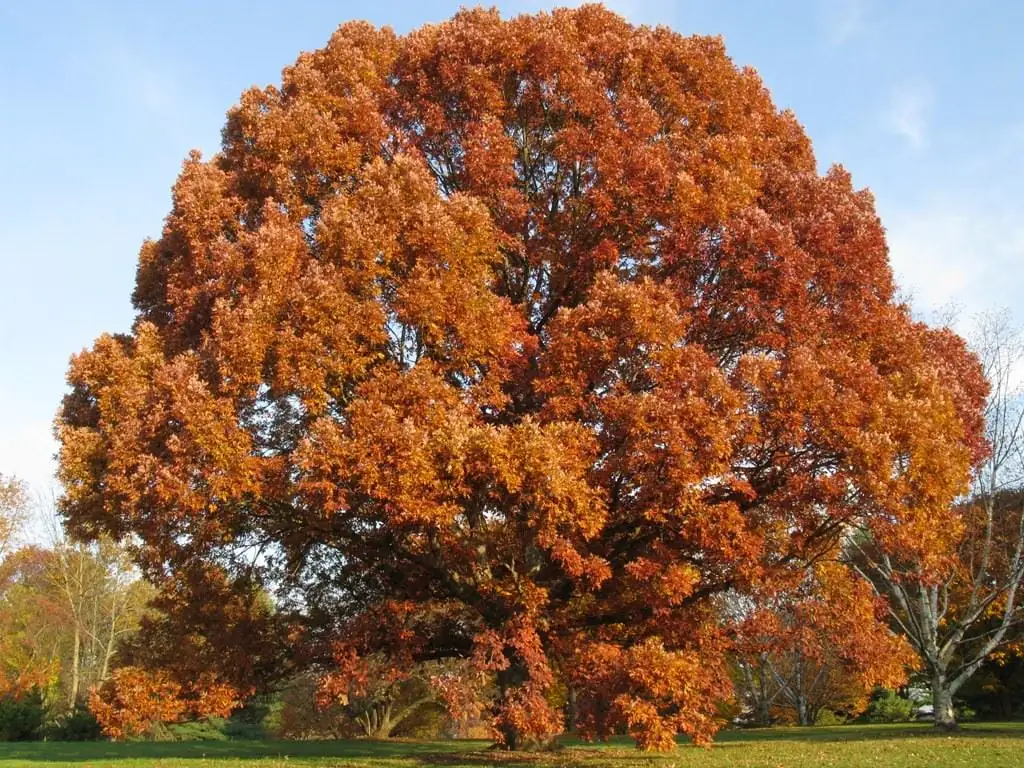
The white oak tree bareroot is a deciduous tree native to eastern and central North America. It is celebrated for its distinctive lobed leaves, which turn beautiful shades of red and brown in the fall, and its strong, sturdy branches. As a native oak tree, it plays a vital role in its ecosystem, supporting a wide array of insects, birds, and mammals. Planting a White Oak is not just about adding a tree to your yard; it’s about fostering a piece of natural history and creating a focal point that will grow with your family for decades to come, bringing a sense of nostalgia and familiarity to any setting.
Key Benefits
The white oak tree bareroot offers a multitude of benefits for both your landscape and the environment, making it a highly rewarding choice for any gardener. Its enduring qualities and ecological contributions are truly remarkable.
- Long-Lasting Beauty: A white oak tree bareroot grows into a magnificent specimen, providing a grand presence and shade for over a century. Its classic form and seasonal color changes offer year-round visual interest.
- Ecological Value: As a native oak tree, it supports local biodiversity, providing food and shelter for countless wildlife species, including birds, squirrels, and deer, through its acorns.
- Durable and Resilient: The White Oak is known for its incredible hardiness, thriving in a wide range of soil conditions and environments, including urban and rural settings. It’s a robust tree that can withstand various challenges.
- Excellent Shade Provider: With a mature width of 30-70 feet, a fully grown quercus alba tree creates a broad, dense canopy, offering substantial shade and helping to cool your home and outdoor living spaces.
- Low Maintenance: Once established, these trees are remarkably self-sufficient, requiring minimal care and proving to be highly drought-tolerant. This makes them an ideal choice for a lasting, low-effort landscape feature.
- Historical Significance: The White Oak holds a significant place in American history and culture, representing strength, longevity, and resilience. Planting one connects your property to a rich natural heritage.
- Enhanced Property Value: Mature trees, especially stately and long-lived species like the White Oak, can significantly increase the aesthetic appeal and monetary value of your property.
Plant Care & Growing Tips
Caring for your white oak tree bareroot begins with proper planting and establishing good habits in its early years. White Oaks thrive in full sun, meaning they need at least 6 hours of direct sunlight per day to achieve their best growth and shape. Choose a location that allows ample room for its mature size, both in height and width. These trees are exceptionally adaptable but prefer well-draining soil. While they can tolerate a range of soil types, from sandy to clay, good drainage is crucial to prevent root rot. Incorporating organic matter into the planting hole can help improve soil structure and nutrient availability for your quercus alba tree.
When planting your white oak tree bareroot, dig a hole that is wider than it is deep, allowing the roots to spread naturally. The root collar should be level with or slightly above the ground. Water thoroughly immediately after planting, and continue to water regularly during the first year, especially during dry spells, to help the tree establish a strong root system. Once established, the deciduous oak tree is quite drought-tolerant. Fertilization is generally not necessary for the first few years if the soil is healthy; however, a balanced, slow-release fertilizer can be applied in early spring if growth appears sluggish. Pruning should focus on removing dead, damaged, or crossing branches to maintain a strong structure. This native oak tree is hardy in USDA Zones 2-9 outdoors, making it suitable for a vast majority of the United States. While generally robust, keep an eye out for common oak pests like oak wilt or borers, though healthy trees are often more resistant.
Size & Details
This offering is for a white oak tree bareroot, measuring approximately 18-30 inches in height. Bareroot trees are shipped without soil around their roots, making them an economical and efficient way to transport and plant trees, especially during their dormant season. Upon receipt, it’s important to plant your quercus alba tree promptly or temporarily heel it into moist soil to keep the roots hydrated. The mature height of a White Oak can range from 40-100 feet, with a mature width of 30-70 feet, forming a majestic, spreading canopy. Its growth rate is considered moderate, meaning it will steadily grow into a grand specimen over the years. This deciduous oak tree is an investment that will continue to grow and provide benefits for generations.
The 18-30 inch size makes this white oak tree bareroot an ideal starting point for your landscape project, providing a young, vigorous plant ready to adapt to its new environment. While it will take several years to reach its full majestic size, the initial investment in a healthy bareroot plant ensures a robust foundation. This native oak tree is well-suited for large yards, parks, or open spaces where it has ample room to develop its impressive stature without crowding other plants or structures. Plan for its future size when selecting a planting location.
Frequently Asked Questions
- Q: How big does this white oak tree bareroot get? A: A mature white oak tree bareroot can reach an impressive height of 40-100 feet with a spread of 30-70 feet. The size offered here is 18-30 inches, providing a strong start for its long journey to maturity.
- Q: Is this an indoor or outdoor plant? A: The white oak tree bareroot is strictly an outdoor plant. It requires full sun and ample space to grow into its mature size and cannot be grown indoors.
- Q: How much sunlight does a quercus alba tree need? A: A quercus alba tree thrives in full sun, meaning it needs at least 6 hours of direct sunlight per day to ensure healthy growth and development.
- Q: Is this white oak plant care easy for beginners? A: Yes, once established, the white oak plant care is relatively low maintenance. The most critical steps are proper planting and consistent watering during its first year to ensure establishment.
- Q: What condition will the white oak tree bareroot arrive in? A: Your white oak tree bareroot will arrive dormant, without leaves, and with its roots carefully packaged to maintain moisture during transit, ready for immediate planting.
- Q: When is the best time to plant a deciduous oak tree? A: The best time to plant a deciduous oak tree bareroot is typically in the early spring, after the danger of hard frost has passed, or in the fall, allowing roots to establish before winter.
- Q: Will this native oak tree survive winter in my zone? A: This native oak tree is highly hardy and suitable for USDA Zones 2-9, which covers a wide range of climates, making it very resilient to winter conditions within these zones.
- Q: What kind of soil does a white oak prefer? A: White Oaks are adaptable but prefer well-draining soil. They can tolerate various soil types, from sandy to clay, as long as water does not stand around the roots.
- Q: How long until my white oak tree bareroot shows leaves? A: After planting in early spring, your white oak tree bareroot should begin to break dormancy and show new leaves within a few weeks to a couple of months, depending on local conditions and planting time.
- Q: Does this white oak tree produce acorns? A: Yes, a mature white oak tree bareroot will eventually produce acorns, which are an important food source for wildlife. Acorn production typically begins when the tree is around 20-30 years old.


Reviews
There are no reviews yet.