Overview
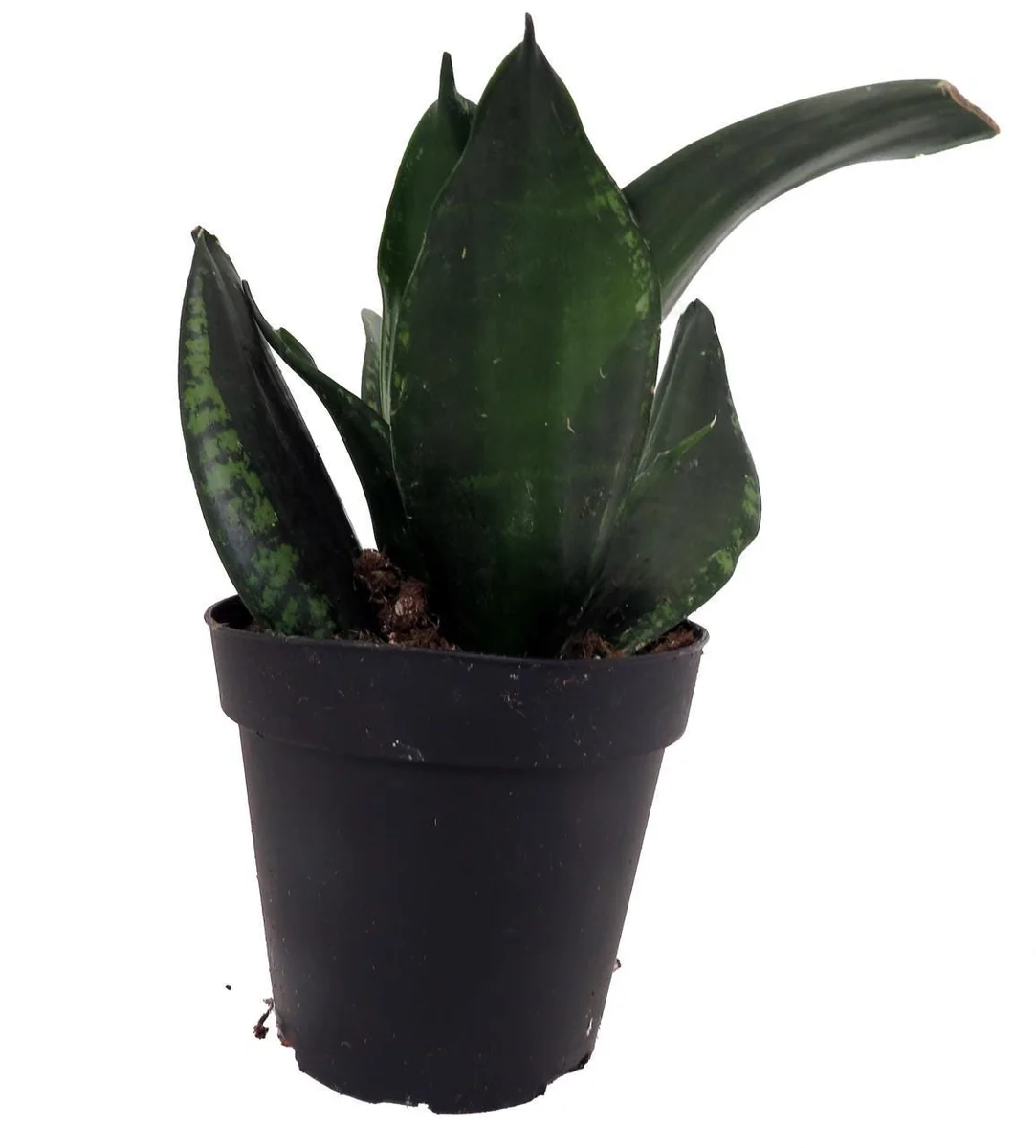
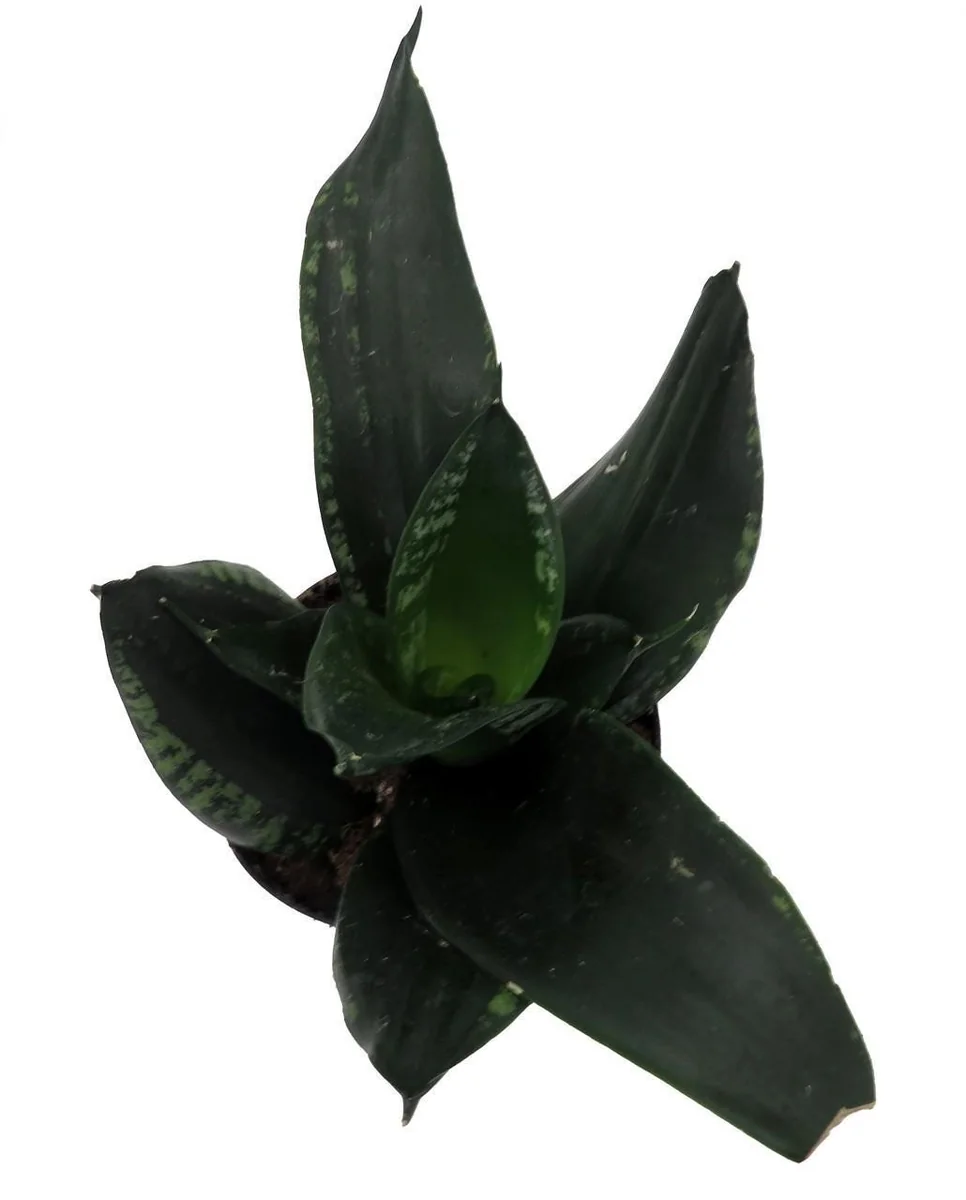
The Whitney Snake Plant, scientifically known as Sansevieria trifasciata ‘Whitney’, is a highly sought-after live houseplant celebrated for its striking beauty and incredible resilience. This particular cultivar features dark green leaves with distinct, lighter green margins, creating a sophisticated and modern aesthetic. Commonly referred to as a Sansevieria or Snake Plant, it belongs to a genus of flowering plants native to tropical regions of West Africa. Its robust nature makes it an excellent choice for both novice and experienced plant enthusiasts. Beyond its ornamental appeal, the Whitney Snake Plant has a rich history, revered in various cultures for its symbolic significance, often associated with virtues like long life and prosperity. It is also famously recognized by NASA for its air-purifying qualities, effectively removing toxins from indoor environments, making it a valuable addition to any home or office.
This particular offering provides a healthy, established Sansevieria in a convenient 4-inch pot, ready to enhance your living space. The Snake Plant’s architectural form and upright growth habit make it a versatile decor element, fitting seamlessly into diverse interior design styles. Its ability to thrive on neglect has earned it the reputation of being ‘impossible to kill’, a testament to its hardy nature. Whether you’re looking to add a touch of greenery to a bright living room or a dimly lit corner, the Whitney Snake Plant adapts beautifully, consistently delivering beauty and clean air.
Key Benefits
The Whitney Snake Plant offers a multitude of advantages that make it a favorite among houseplant lovers. Its unique combination of aesthetic appeal and practical benefits contributes to a healthier and more enjoyable indoor environment. This easy indoor plant is truly a gem for any home.
- Exceptional Air Purification: The Sansevieria is renowned for its ability to filter indoor air, removing harmful toxins such as formaldehyde, benzene, trichloroethylene, and xylene. It even converts carbon dioxide into oxygen at night, making it an ideal bedroom plant for improved sleep quality.
- Extremely Low Maintenance: Often called the ‘indestructible plant’, the Whitney Snake Plant requires minimal attention. It tolerates infrequent watering and a wide range of light conditions, making it perfect for busy individuals or those new to plant care.
- Drought Tolerant: Its thick, succulent-like leaves store water efficiently, allowing it to withstand extended periods without watering. This makes it an forgiving plant, reducing the stress of constant monitoring.
- Adaptable to Various Light Conditions: While it thrives in bright, indirect light, the Sansevieria can also adapt to low-light environments, making it suitable for almost any room in your house. Avoid direct, harsh sunlight for prolonged periods to prevent leaf scorching.
- Stylish & Modern Aesthetic: The upright, sword-like leaves of the Whitney Snake Plant provide a strong vertical element that complements modern and minimalist decor. Its variegated patterns add visual interest without being overpowering.
- Improves Humidity: Like all plants, the Sansevieria releases moisture into the air through transpiration, contributing to a slightly higher humidity level, which can be beneficial in dry indoor environments.
- Pet-Friendly (with caution): While not entirely non-toxic, the Sansevieria is generally considered less harmful than some other houseplants if ingested, though it can cause mild digestive upset. It’s always best to keep plants out of reach of pets.
Plant Care & Growing Tips
Caring for your Whitney Snake Plant is remarkably straightforward, contributing to its reputation as an easy indoor plant. The key to its success lies in understanding its basic needs for water, light, and soil. This resilient Sansevieria thrives on a bit of neglect, making it a perfect companion for those with busy schedules or a tendency to forget watering.
For sunlight, the Whitney Snake Plant is incredibly adaptable. It prefers bright, indirect light but can tolerate low-light conditions, making it ideal for various indoor settings. Avoid placing it in direct, intense sunlight for extended periods, as this can scorch its leaves. Conversely, while it can survive in very low light, its vibrant variegation might become less pronounced, and growth will be slower. An east or north-facing window is often ideal, providing ample light without harshness. When it comes to watering, less is definitely more. Allow the soil to dry out completely between waterings. Overwatering is the most common cause of problems for Sansevieria care, leading to root rot. During winter months, reduce watering even further. A good rule of thumb is to check the soil moisture with your finger; if the top two inches are dry, it’s time to water.
A well-draining potting mix is crucial for the health of your Whitney Snake Plant. A cactus or succulent mix, or a regular potting mix amended with perlite or pumice, will provide the necessary drainage. Ensure your pot has drainage holes to prevent water from accumulating at the bottom. The ideal temperature range for this plant is between 65-80°F (18-27°C). It can tolerate temperatures down to 50°F (10°C) but should be protected from cold drafts. Fertilize sparingly; a balanced liquid houseplant fertilizer diluted to half strength once or twice during the growing season (spring and summer) is sufficient. The low light houseplant nature means it doesn’t require frequent feeding. Common problems often stem from overwatering, so always err on the side of underwatering. Pests are rarely an issue, but occasional checks for mealybugs or spider mites are good practice. Wipe leaves with a damp cloth to keep them dust-free and allow for optimal photosynthesis.
Size & Details
This offering includes one healthy Whitney Snake Plant, carefully grown and established in a 4-inch nursery pot. The plant typically stands approximately 8-12 inches tall from the base of the pot, with its upright, sword-like leaves reaching skyward. The growth rate of the Sansevieria is moderate, meaning it will steadily fill its pot and grow taller over time without becoming unruly. This compact size makes it perfect for desk spaces, shelves, or as an accent in larger plant arrangements. It is shipped as a live, potted plant with its root ball intact within the nursery container, ensuring a smooth transition to your home. With proper Sansevieria care, you can expect this plant to thrive for many years, slowly growing larger and potentially producing offsets or ‘pups’ that can be propagated.
Frequently Asked Questions
- Q: How big does this plant get? A: The Whitney Snake Plant typically grows to an average indoor height of 1-3 feet, though some mature specimens can reach up to 4 feet under ideal conditions. Its spread is generally compact, staying within the diameter of its pot.
- Q: What size pot does it come in? A: This Whitney Snake Plant is supplied in a standard 4-inch diameter nursery pot, ready for you to place in a decorative cachepot or repot into a slightly larger container if desired.
- Q: Is this an indoor or outdoor plant? A: While it can be grown outdoors in very warm, frost-free climates (USDA zones 10-12), the Whitney Snake Plant is primarily cultivated as an indoor houseplant in most regions due to its sensitivity to cold temperatures.
- Q: How much sunlight does it need? A: This low light houseplant is incredibly versatile. It thrives in bright, indirect light but can also tolerate and adapt to low-light conditions, making it suitable for almost any room in your home.
- Q: Is this plant easy to care for? A: Absolutely! The Whitney Snake Plant is renowned for being one of the easiest houseplants to care for, making it an excellent choice for beginners or those seeking a low-maintenance option. Proper Sansevieria care is minimal.
- Q: What condition will it arrive in? A: Your plant will arrive healthy and securely packaged in its nursery pot, with soil intact. We take great care to ensure it reaches you in excellent condition, ready to thrive in its new home.
- Q: Is it pet-safe? A: While not considered highly toxic, the Sansevieria can cause mild gastrointestinal upset if ingested by pets. It’s always best to keep plants out of reach of curious animals.
- Q: How often should I water my Whitney Snake Plant? A: Water sparingly. Allow the soil to dry out completely between waterings, typically every 2-4 weeks depending on light and humidity. Overwatering is the biggest mistake in Sansevieria care.
- Q: What kind of soil is best for this plant? A: A well-draining potting mix is essential. A cactus or succulent mix, or a standard potting mix amended with perlite, works perfectly to prevent root rot for your air purifying houseplant.
- Q: Can the Whitney Snake Plant improve indoor air quality? A: Yes, it is one of the best air purifying houseplants, recognized by NASA for its ability to filter airborne toxins and release oxygen, even at night.


Reviews
There are no reviews yet.