
Overview
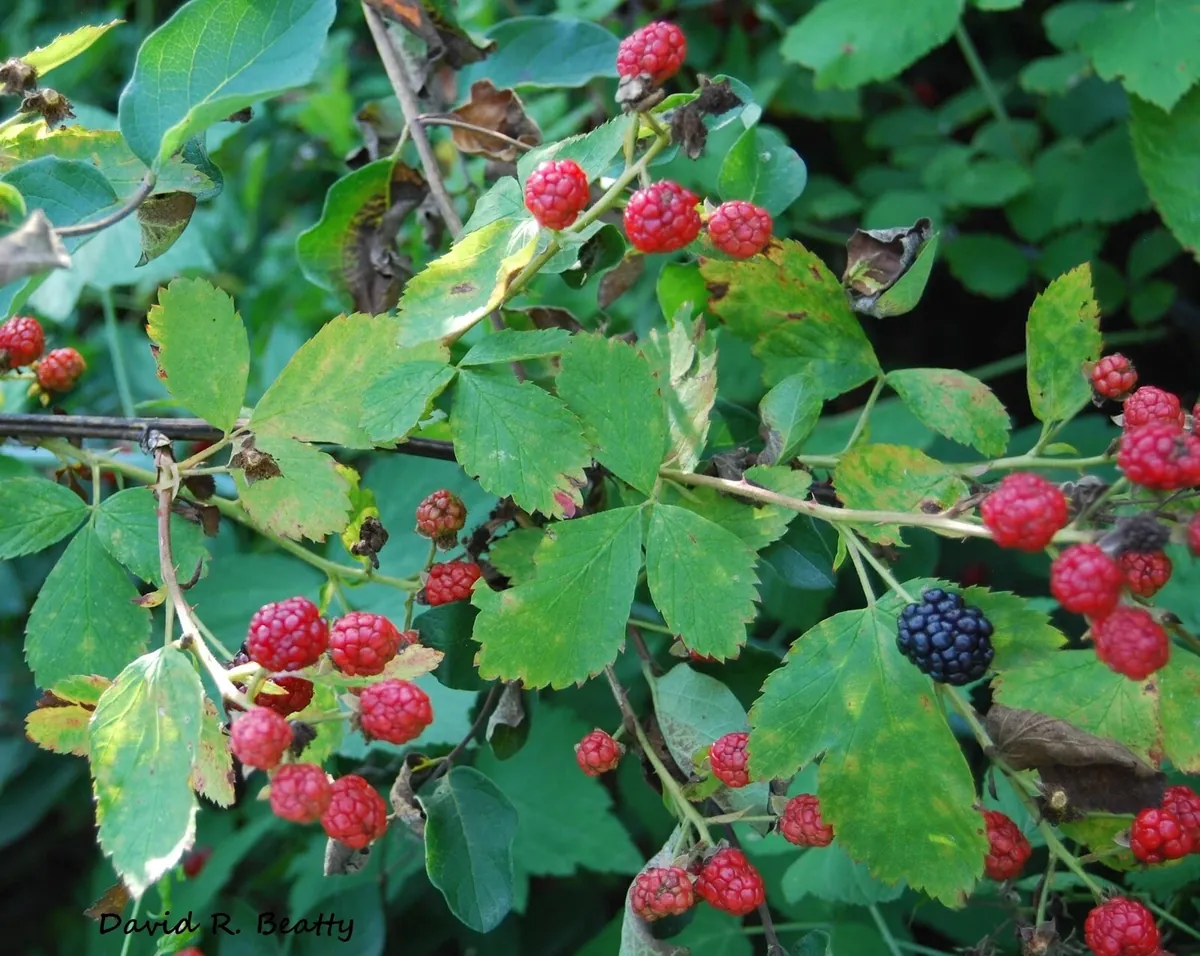
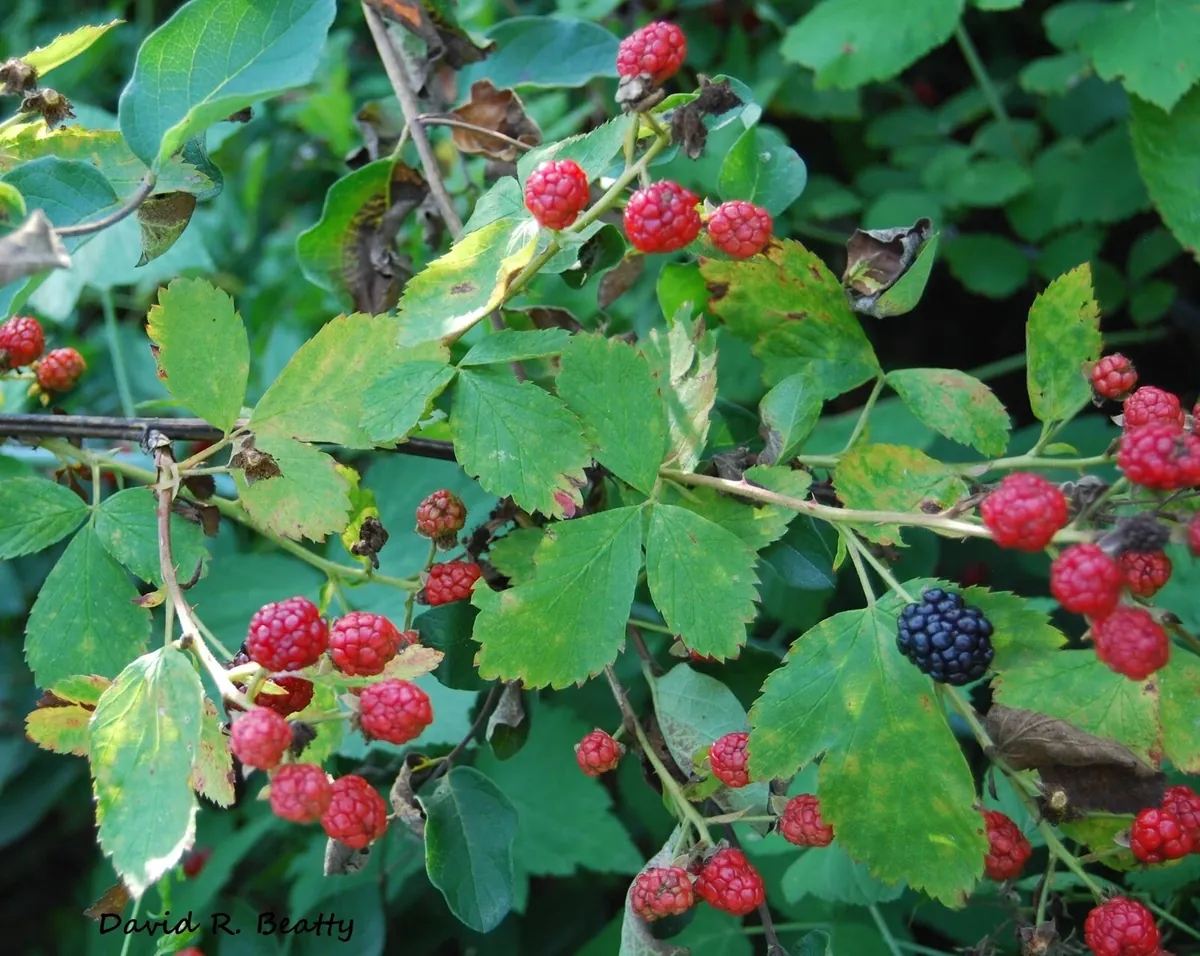
Bring the taste of nature to your garden with this set of 2 wild blackberry bush bare root starter plants. These vigorous plants, scientifically known as Rubus allegheniensis, are renowned for their abundant and succulent black berries, perfect for fresh eating, jams, pies, and more. When you choose to grow a wild blackberry bush, you’re not just planting a fruit producer; you’re inviting a piece of the outdoors into your landscape, offering both beauty and bounty. They are an excellent choice for gardeners looking to establish a productive and relatively low-maintenance fruiting plant.
These starter plants are shipped in a bare root form, which allows them to establish quickly once planted in their new environment. Blackberry bare root plants are dormant upon arrival, making them easy to handle and transport, and ready to burst into growth when conditions are right. They are a robust and resilient variety, well-suited for various climates and soil types, making them a popular choice for both novice and experienced growers.
Cultivating your own blackberries ensures you have access to fresh, organic fruit right at your fingertips. These plants are known for their fast growth habit, meaning you won’t have to wait long to enjoy your first harvest. Get ready to transform your garden into a productive and delightful berry patch with these exceptional wild blackberry bush starter plants.
Key Benefits
Beyond the simple joy of fresh fruit, growing your own wild blackberry bush offers a multitude of advantages for your garden and your lifestyle. These plants are a fantastic addition to any edible landscape, providing both visual appeal and a delicious harvest.
- Abundant Edible Fruit: Enjoy a generous supply of sweet, juicy blackberries that are perfect for snacking, baking, preserves, or adding to smoothies. The black, ripe berries are a summer delight.
- Fast Growth and Vigor: These bushes are known for their rapid growth, allowing you to establish a productive patch quickly and enjoy harvests sooner. They are a rewarding plant for those eager to see results.
- Outdoor Adaptability: Thriving in outdoor environments, these plants are robust and can adapt to various growing conditions, making them a versatile choice for many garden settings.
- Attractive Foliage: The perennial foliage provides a lush green backdrop throughout the growing seasons, adding natural beauty to your garden even when not fruiting.
- Child and Pet Safe: Unlike some ornamental plants, the fruit of the wild blackberry bush is safe for both children and pets to consume, making it a family-friendly garden addition.
- Seasonal Interest: Provides visual interest across multiple seasons, from spring blossoms to summer fruit and fall foliage, enhancing your garden’s aesthetic appeal.
- Supports Local Wildlife: The flowers attract pollinators, and the berries can provide a food source for birds, contributing to a healthy ecosystem in your backyard.
Plant Care & Growing Tips
Proper care is essential for a thriving wild blackberry bush and a bountiful harvest. These plants are relatively easy to care for, especially when their basic needs are met. For successful growing blackberries, start with the right location and planting technique.
Sunlight Requirements: Blackberry bushes thrive in full sun, meaning they need at least 6-8 hours of direct sunlight per day. While they can tolerate partial shade, fruit production will be significantly reduced. Ensure your planting site receives ample sun, ideally morning sun which helps dry foliage and reduce disease risk. These are outdoor plants and require natural light cycles.
Watering Schedule and Soil Moisture: During their establishment phase and dry periods, blackberry bushes require consistent watering. The soil should be kept consistently moist but not waterlogged. Once established, they are moderately drought-tolerant but will produce better fruit with regular moisture. Aim for about 1 inch of water per week, either from rainfall or irrigation. Overwatering can lead to root rot, so good drainage is crucial.
Soil Type and Drainage: Wild blackberry bush plants prefer well-draining, slightly acidic soil with a pH between 5.5 and 7.0. A rich, loamy soil amended with organic matter such as compost will provide the best growing medium. Avoid heavy clay soils that retain too much water. If your soil is poor, consider raised beds or amending heavily with compost and sand to improve drainage and fertility.
Temperature Range and USDA Hardiness Zone: These blackberry bushes are hardy and suitable for outdoor cultivation in many regions. They are particularly well-suited for the Midwest climate, indicating a good tolerance to various temperatures. For optimal growth and fruit production, they generally perform best in USDA zones 5-9. Provide winter protection in colder zones if temperatures consistently drop below freezing for extended periods.
Fertilization Schedule and Type: Fertilize your blackberry bushes in early spring before new growth begins, and again after harvest. Use a balanced fertilizer, such as a 10-10-10, or a fertilizer specifically formulated for berries. Avoid over-fertilizing with nitrogen, which can lead to excessive foliage growth at the expense of fruit production. Organic options like compost tea or well-rotted manure are also excellent choices for healthy edible berry plants.
Common Problems and Solutions: Keep an eye out for common pests like aphids and cane borers, and diseases such as rust and anthracnose. Good air circulation, proper pruning, and prompt removal of infected plant parts can help prevent many issues. Using insecticidal soap for pests and appropriate fungicides for diseases can be effective. Proper spacing and sunlight exposure are key to preventing fungal issues. Understanding how to manage these issues is part of successfully growing blackberries.
Size & Details
This offering includes a set of 2 wild blackberry bush bare root starter plants. These plants are typically dormant upon arrival, appearing as roots with possibly a small amount of stem. This bare root form is ideal for transplanting and encourages robust growth once planted. While exact initial size can vary, they are ready to be planted and will quickly develop into mature bushes. Blackberry bushes are known for their fast growth stage, quickly establishing themselves in your garden.
Once established, these perennial plants can reach heights of 3 to 6 feet and spread similarly, depending on variety and growing conditions. They are outdoor plants that produce fruit typically in summer. With proper care, you can expect a good harvest of delicious berries year after year. The ‘Number in Pack’ is 2, ensuring you have a good start to your blackberry patch.
Frequently Asked Questions
- Q: How big does this wild blackberry bush get? A: Once established, these blackberry bushes can typically grow to a height of 3 to 6 feet and spread similarly, creating a dense and productive fruiting plant.
- Q: What condition will the blackberry bare root plants arrive in? A: The plants will arrive as bare roots, dormant and ready for planting. They may have some soil attached, which helps in maintaining their viability during transit.
- Q: Is this an indoor or outdoor plant? A: This wild blackberry bush is an outdoor plant, requiring full sun exposure and suitable for garden planting. It is not intended for indoor cultivation.
- Q: How much sunlight does a wild blackberry bush need? A: These bushes thrive in full sun, needing at least 6-8 hours of direct sunlight daily for optimal growth and fruit production.
- Q: Is this plant easy to care for? A: Yes, blackberry bushes are generally considered medium maintenance. With proper sunlight, water, and occasional fertilization, they are quite resilient and rewarding for growing blackberries.
- Q: When is the best time to plant these edible berry plants? A: Bare root blackberry plants are best planted in early spring after the last frost, allowing them ample time to establish their root system before the summer heat.
- Q: What kind of soil is best for growing blackberries? A: They prefer well-draining, slightly acidic soil rich in organic matter. Amending heavy soils with compost can greatly improve their growth.
- Q: Will these plants survive winter in my zone? A: These blackberry bushes are hardy and suitable for many climates, particularly the Midwest. They generally thrive in USDA zones 5-9, but local conditions may vary.
- Q: Can I use the fruit from this wild blackberry bush in cooking? A: Absolutely! The blackberries produced are edible and perfect for a wide range of culinary uses, including pies, jams, desserts, and fresh consumption.
- Q: Are these plants safe for children and pets? A: Yes, the fruit of the blackberry bush is safe for both children and pets to consume, making it a great addition to a family garden.


Reviews
There are no reviews yet.