
Overview
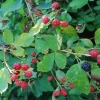
Embark on a rewarding gardening journey with our set of wild blackberry bush cuttings. This offering includes 12 healthy, unrooted cuttings of the vigorous Rubus allegheniensis, commonly known as the Allegheny Blackberry. These cuttings provide an excellent opportunity to establish your own productive blackberry patch, yielding abundant, delicious fruit year after year. Perfect for permaculture projects, edible landscaping, or simply expanding your home garden, these unrooted blackberry cuttings are a cost-effective and satisfying way to grow wild blackberries. They are known for their resilience and ability to thrive in various outdoor conditions.
Propagating blackberries from cuttings is a time-honored method, allowing gardeners to multiply desirable plants. Our carefully selected cuttings are prepared for successful rooting, providing you with a strong foundation for future growth. The Allegheny Blackberry is prized for its large, flavorful berries, making it a favorite among home gardeners and foragers alike. With these cuttings, you can easily cultivate a natural source of fresh, nutrient-rich fruit right in your backyard.
Key Benefits
Cultivating your own wild blackberry bush cuttings offers a multitude of advantages for any gardener, from the novice to the experienced. These plants are not only productive but also add natural beauty to your landscape.
- Abundant Edible Fruit: Enjoy a prolific harvest of sweet, juicy blackberries directly from your garden. These berries are perfect for eating fresh, making jams, pies, or freezing for later use. Growing your own ensures a fresh, organic supply.
- Easy Propagation: Starting with unrooted blackberry cuttings is a straightforward and rewarding process. With proper care, these cuttings will develop robust root systems and grow into thriving bushes. This method allows for easy expansion of your berry patch.
- Low Maintenance: Once established, Rubus allegheniensis plants are remarkably hardy and require minimal ongoing care. They are tolerant of various soil types and can withstand a range of environmental conditions, making them a resilient choice for your garden.
- Attracts Pollinators: The flowers of blackberry bushes are a magnet for bees and other beneficial pollinators, contributing to the biodiversity and health of your garden ecosystem. This supports local wildlife and enhances overall garden productivity.
- Versatile Landscaping: Blackberry bushes can be used in various garden settings, from hedgerows and naturalized areas to dedicated fruit gardens. Their sprawling habit can also help with erosion control on slopes.
- Nutrient-Rich Harvest: Blackberries are packed with vitamins, antioxidants, and fiber, contributing to a healthy diet. Having a fresh supply means you can easily incorporate these superfoods into your daily meals.
Plant Care & Growing Tips
Successfully rooting and growing wild blackberry bush cuttings requires attention to a few key environmental factors. Blackberries (Rubus allegheniensis) thrive in conditions that mimic their natural habitat. Begin by preparing a well-draining soil mix, ideally a blend of potting soil and perlite or sand to prevent waterlogging, which can cause cuttings to rot. While the cuttings are unrooted, maintaining consistent moisture is crucial without overwatering. A humidity dome or plastic bag can help create a humid environment conducive to rooting.
For sunlight exposure, place your newly planted unrooted blackberry cuttings in a location that receives bright, indirect light. Once rooted and transplanted outdoors, blackberry bushes prefer full sun, meaning at least 6-8 hours of direct sunlight per day, especially during the growing season. They are highly adaptable and can tolerate some partial shade, particularly in hotter climates, but fruit production will be maximized with more sun. The ideal USDA hardiness zone for these plants typically ranges from 5 to 9, indicating their resilience to various climates. Ensure the soil remains consistently moist but not waterlogged, especially during dry spells. Fertilization can begin once the cuttings have established a strong root system and show new growth, using a balanced slow-release granular fertilizer or a liquid feed diluted to half strength. Keep an eye out for common pests like aphids or spider mites, and treat promptly with organic insecticidal soap if necessary. Proper pruning after fruiting will encourage new growth and better yields in subsequent years, helping you to grow wild blackberries effectively.
Size & Details
This offering provides a set of 12 individual wild blackberry bush cuttings. Each cutting is unrooted and typically measures approximately 6-10 inches in length, ready for immediate propagation upon arrival. The cuttings are carefully selected for their health and viability, ensuring a good starting point for your new plants. Once successfully rooted and planted, these blackberry bushes will exhibit a medium to fast growth rate, quickly developing into mature, fruit-bearing plants. The plants are perennial, meaning they will return year after year, providing a continuous harvest. Expect the first significant fruit production within 1-2 years after successful rooting and establishment. These deciduous plants will lose their leaves in winter and sprout new foliage in spring, followed by fragrant flowers and then delicious berries in the summer. Each cutting represents a potential new plant, allowing you to establish a sizable blackberry patch from this single set.
Frequently Asked Questions
- Q: How big does this plant get? A: Once established, a single wild blackberry bush can grow into a dense thicket, with canes reaching 5-8 feet in length, sometimes even longer when supported. They tend to spread and form colonies over time.
- Q: What condition will the cuttings arrive in? A: The unrooted blackberry cuttings will arrive fresh and ready for planting. They are dormant sections of cane, carefully packaged to maintain viability during transit.
- Q: How long until it starts producing fruit? A: With proper care, you can expect your rooted blackberry bushes to begin producing fruit within 1 to 2 years after planting. Full production typically occurs in the third year.
- Q: Is this an indoor or outdoor plant? A: These are outdoor plants. While they can be rooted indoors, the mature Rubus allegheniensis requires outdoor conditions to thrive and produce fruit.
- Q: How much sunlight does it need? A: Once transplanted outdoors, blackberry bushes require at least 6-8 hours of direct sunlight daily for optimal growth and fruit production. They can tolerate some partial shade.
- Q: Is this plant easy to care for? A: Yes, once established, wild blackberry bush cuttings are relatively easy to care for. They are hardy and resilient, making them suitable for gardeners of all experience levels.
- Q: What’s the best time to plant these cuttings? A: The best time to plant these unrooted cuttings is typically in early spring after the last frost, or in late fall before the ground freezes. This allows them time to establish roots.
- Q: Will it survive winter in my zone? A: The Allegheny Blackberry (Rubus allegheniensis) is generally hardy in USDA Zones 5-9, meaning it can withstand winter temperatures in these regions.
- Q: Are the berries edible? A: Yes, the berries produced by these edible berry plants are fully edible and delicious, perfect for fresh consumption or culinary uses.
- Q: What type of soil do blackberries prefer? A: Blackberries prefer well-draining, slightly acidic to neutral soil (pH 5.5-7.0) that is rich in organic matter.


Reviews
There are no reviews yet.