Overview
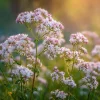
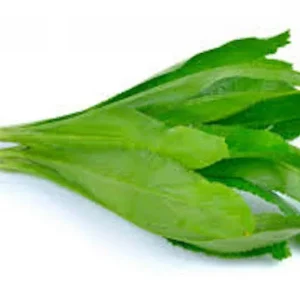
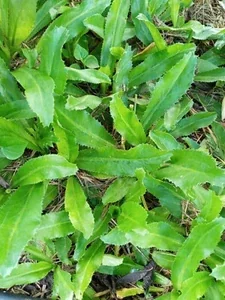
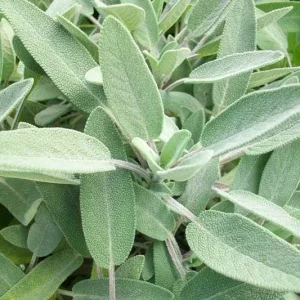
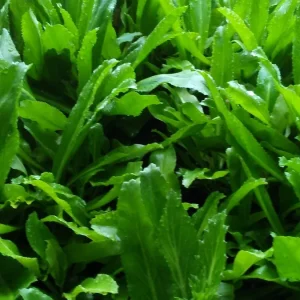
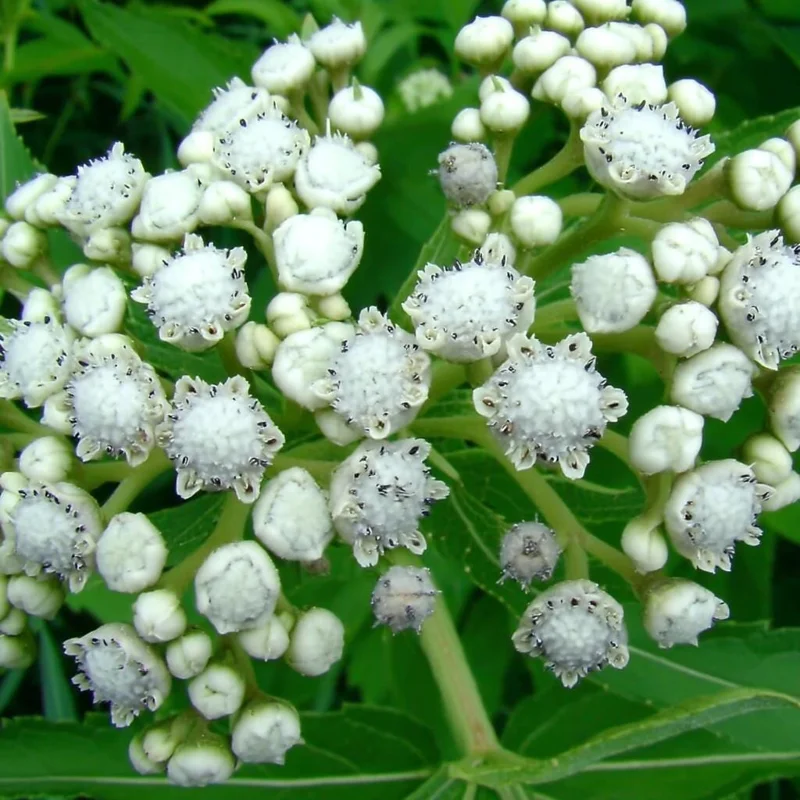
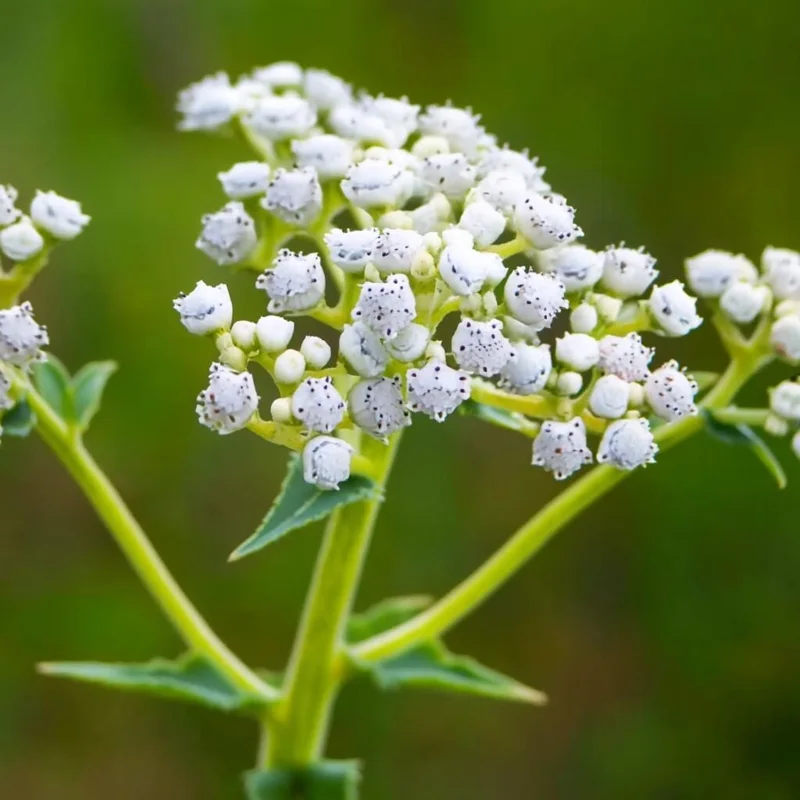
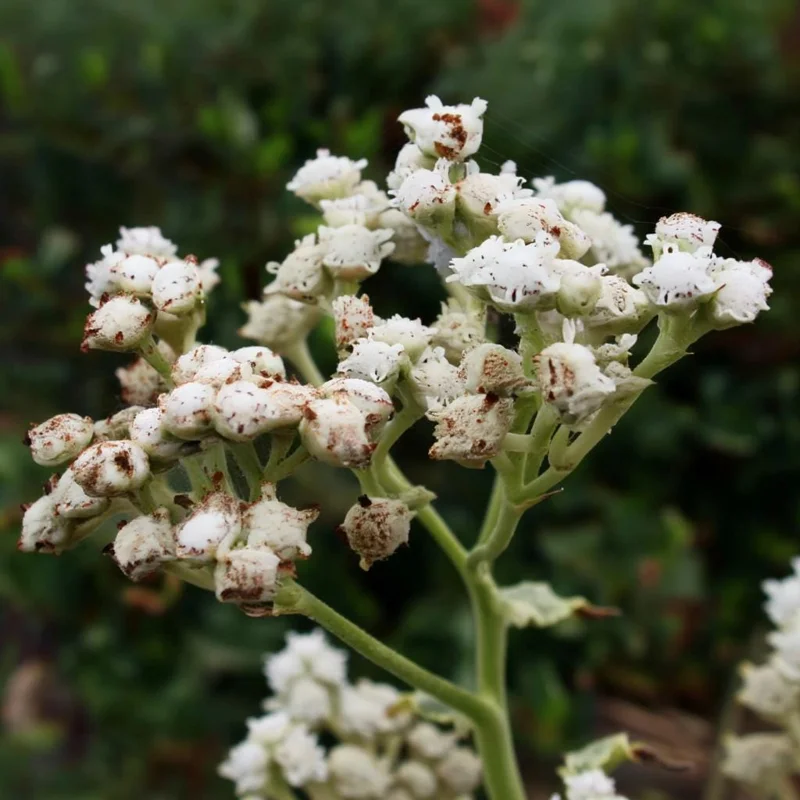
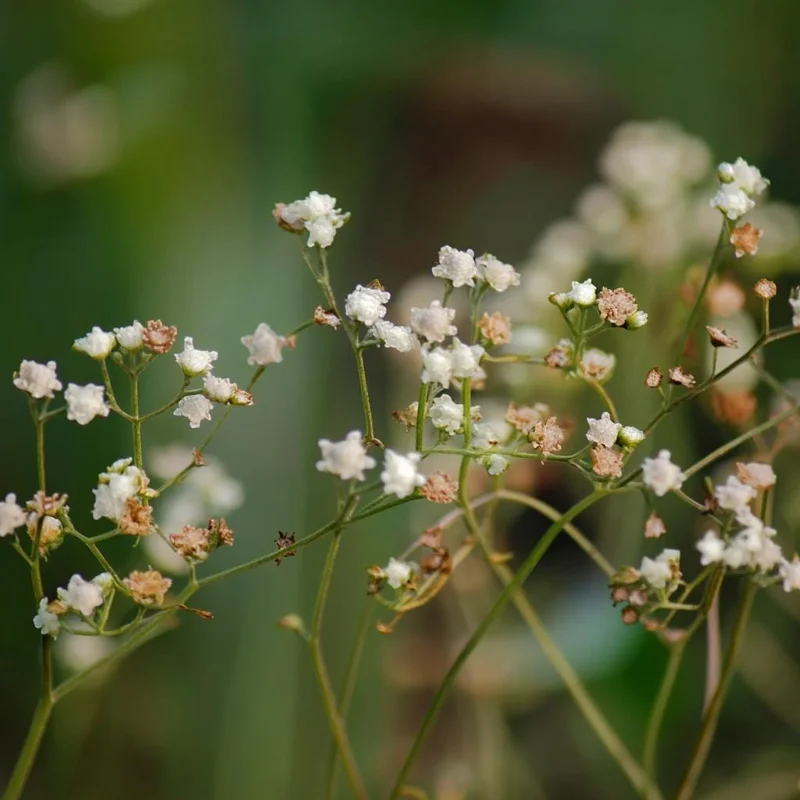
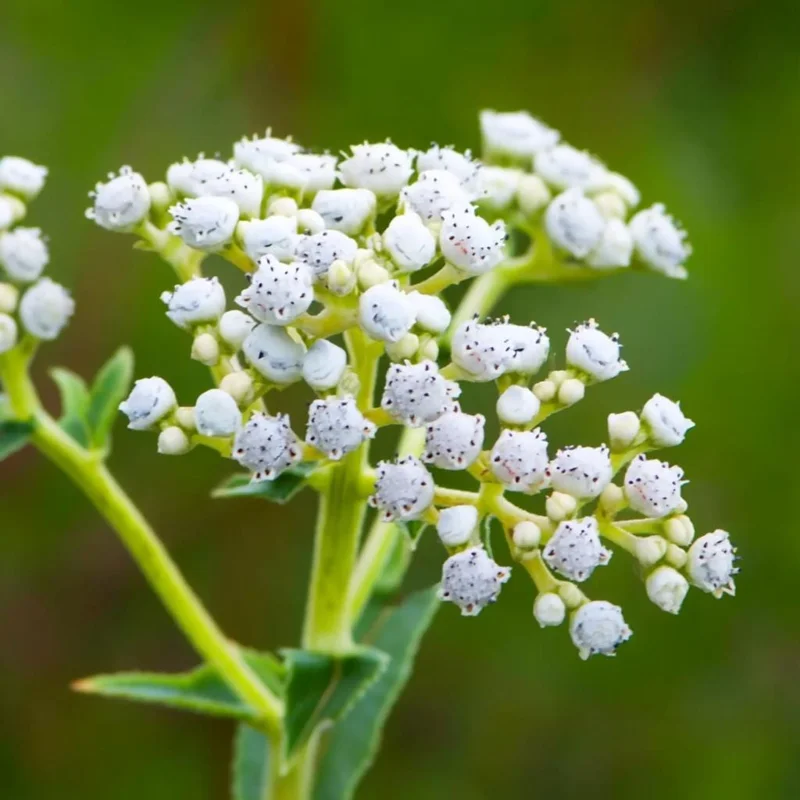
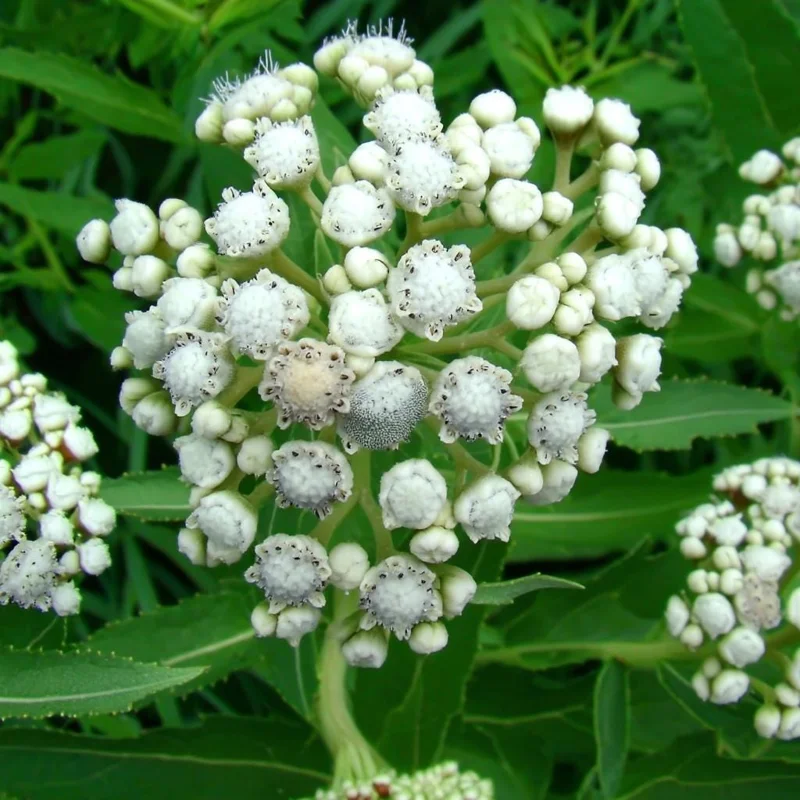
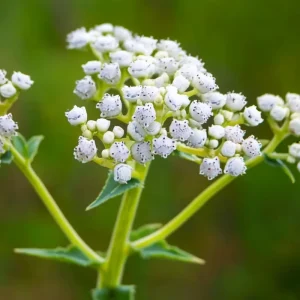
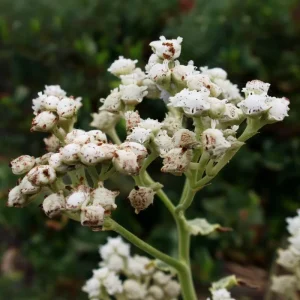
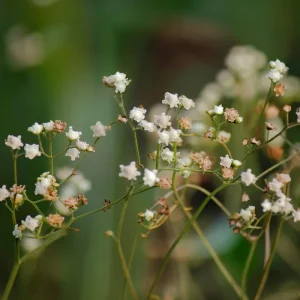
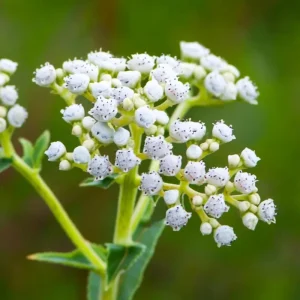
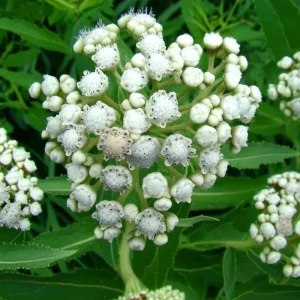
Cultivate a piece of North American natural heritage with these premium wild quinine seeds. Also known as Parthenium integrifolium or American Feverfew seeds, this hardy perennial is a fantastic addition to any garden seeking ecological value and historical significance. Renowned for its clusters of delicate, daisy-like flowers in soft pink to lavender hues, Wild Quinine is a magnet for essential pollinators like bees and butterflies. Historically, it has been valued for its traditional medicinal properties in herbal remedies, making it a plant with both beauty and purpose. Growing from wild quinine seeds allows you to establish a robust and long-blooming plant that thrives in various landscapes, from native plant gardens to perennial borders and naturalized meadows.
These wild quinine seeds offer the opportunity to grow a resilient and low-maintenance plant that contributes significantly to local ecosystems. Its upright growth habit and extended bloom period ensure continuous visual interest throughout the growing season. Whether you’re a seasoned gardener or a beginner, starting with wild quinine seeds is a rewarding experience, providing a connection to native flora and supporting biodiversity in your outdoor space. It’s an excellent choice for those looking for native plant seeds that are both beautiful and beneficial.
Key Benefits
Growing wild quinine seeds brings a multitude of advantages to your garden and local environment. This versatile plant offers both aesthetic appeal and ecological benefits, making it a must-have for conscious gardeners.
- Attracts Pollinators: The charming, daisy-like flowers of Wild Quinine are highly attractive to bees, butterflies, and other beneficial insects, making it an excellent choice for supporting local pollinator populations. A garden featuring American Feverfew seeds will buzz with life, contributing to a healthier ecosystem.
- Native Plant Appeal: As a North American native, Wild Quinine is perfectly adapted to local climates and soils, requiring less intervention once established. This makes growing Parthenium integrifolium seeds an environmentally friendly choice, reducing the need for excessive watering or fertilization.
- Low Maintenance: Once established, Wild Quinine is relatively drought-tolerant and requires minimal care, making it ideal for gardeners seeking beautiful, yet easy-to-manage plants. These medicinal herb seeds grow into resilient plants that thrive with little fuss.
- Traditional Medicinal Use: Historically, Wild Quinine has been used in traditional herbal remedies, adding a layer of heritage and potential utility to your garden. Its historical significance makes it a fascinating addition.
- Long Blooming Period: Enjoy an extended season of blooms from late spring through fall, providing continuous color and nectar sources for pollinators. This extended bloom time ensures your garden remains vibrant for months.
- Versatile Landscaping: Its upright habit and attractive flowers make it suitable for native plant gardens, perennial borders, naturalized landscapes, and meadows. The plant’s structure adds a classic, natural look to any setting.
- Ecological Value: Contributes significantly to biodiversity and provides habitat and food resources for native wildlife. Growing native plant seeds like these is a step towards a healthier, more balanced ecosystem.
Plant Care & Growing Tips
Cultivating Wild Quinine from wild quinine seeds is a straightforward process, yielding a robust and beautiful perennial. To ensure successful growth, understanding its specific care requirements is essential. Start your wild quinine seeds indoors 6–8 weeks before the last expected frost, or sow them directly outdoors in spring or fall. When sowing, simply press the seeds lightly onto the soil surface, as they require light for germination. Maintain consistent soil moisture at temperatures between 65–70°F (18–21°C). Germination typically occurs within 14–21 days. Once seedlings are established, thin them to 12–18 inches apart to allow for proper air circulation and healthy development.
For established plants grown from American Feverfew seeds, Wild Quinine thrives in full sun to partial shade, meaning it prefers at least 6 hours of direct sunlight daily but can tolerate some afternoon shade in hotter climates. Well-drained soil is crucial to prevent root rot; sandy or loamy soils are ideal. Once established, this plant exhibits good drought tolerance, but moderate watering during prolonged dry spells will encourage better blooming. Removing spent flower heads (deadheading) can promote continuous flowering and prevent self-seeding if desired. Wild Quinine is generally hardy across a wide range of USDA zones, typically 4-8. It’s a low-maintenance plant, making it perfect for pollinator-friendly gardens and naturalized meadows. Ensure adequate air circulation to prevent fungal issues, especially in humid environments. These medicinal herb seeds develop into resilient plants, requiring minimal intervention once established.
Size & Details
This offering includes a pack of 50 wild quinine seeds, providing an excellent foundation for establishing a thriving patch of this native perennial. Each seed has the potential to grow into a robust plant, typically reaching heights of 3 to 5 feet (90-150 cm) with a spread of 2 to 3 feet (60-90 cm) once mature. The plant develops an upright, bushy habit with strong stems supporting its clusters of soft pink to lavender, daisy-like flowers. While the initial growth from Parthenium integrifolium seeds will be modest, established plants exhibit a moderate growth rate, reaching their full size within 2-3 years.
These medicinal herb seeds are supplied in a protective packet, ensuring viability upon arrival. Wild Quinine is a long-lived perennial, providing years of beauty and ecological benefit. The plants will typically begin to bloom in their second year when grown from seed, offering a spectacular display from mid-summer through fall. Expect a vibrant addition to your garden that supports local wildlife. This plant is a fantastic choice for those looking for native plant seeds that are both ornamental and beneficial.
Frequently Asked Questions
- Q: How big does Wild Quinine get? A: Wild Quinine typically grows to an impressive height of 3 to 5 feet (90-150 cm) with a spread of 2 to 3 feet (60-90 cm) at maturity. It forms an upright, bushy plant with sturdy stems, adding significant vertical interest to your garden.
- Q: Is this an indoor or outdoor plant? A: Wild Quinine is primarily an outdoor plant, native to North American prairies and woodlands. It thrives in garden beds, meadows, and naturalized areas, making it an excellent choice for native plant seeds in outdoor landscapes. It is not generally suited for indoor cultivation.
- Q: How much sunlight does Wild Quinine need? A: This plant prefers full sun to partial shade, meaning it needs at least 6 hours of direct sunlight per day for optimal growth and flowering. It can tolerate some afternoon shade, especially in hotter climates, which can help prevent stress.
- Q: Is Wild Quinine easy to care for? A: Yes, once established, Wild Quinine is a very low-maintenance plant. It is drought-tolerant and generally pest-free, making it a great option for beginner gardeners looking to grow wild quinine seeds. Its resilience makes it a rewarding choice.
- Q: What condition will the seeds arrive in? A: Your wild quinine seeds will arrive in a sealed, protective packet designed to maintain their viability. We ensure careful packaging for safe delivery, so your seeds are ready for planting.
- Q: When is the best time to plant Wild Quinine seeds? A: You can sow American Feverfew seeds indoors 6–8 weeks before the last frost in spring, or directly outdoors in early spring or fall. Fall sowing allows for natural stratification over winter, which can aid germination.
- Q: Will Wild Quinine survive winter in my zone? A: Wild Quinine is hardy in USDA Zones 4-8. It is a perennial, meaning it will die back to the ground in winter and re-emerge in spring in these zones, providing reliable growth year after year.
- Q: What are the benefits of growing Parthenium integrifolium seeds? A: Growing Parthenium integrifolium seeds offers numerous benefits, including attracting beneficial pollinators, contributing to local biodiversity, and providing a beautiful, low-maintenance native plant for your garden. It’s an ecologically sound choice.
- Q: Can these medicinal herb seeds be used for traditional remedies? A: Historically, these medicinal herb seeds have been valued for their traditional uses in herbal remedies. While we provide them for gardening purposes, their historical significance adds a unique layer of interest to your plant collection.
- Q: Why choose native plant seeds like Wild Quinine? A: Choosing native plant seeds like Wild Quinine supports local ecosystems, requires less water and care once established, and provides essential food and habitat for native wildlife, making your garden more sustainable and vibrant.


Reviews
There are no reviews yet.