Overview
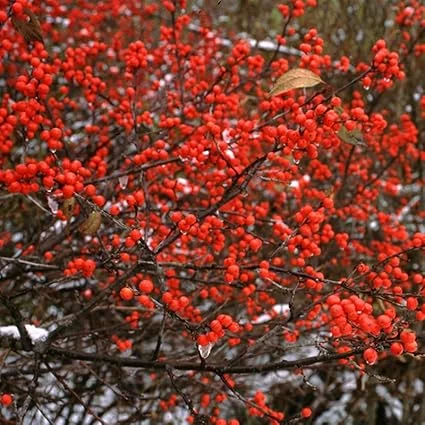
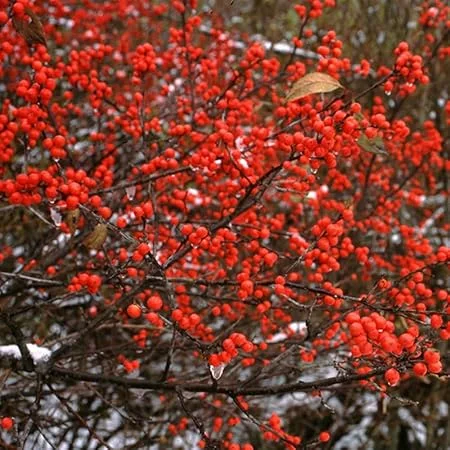
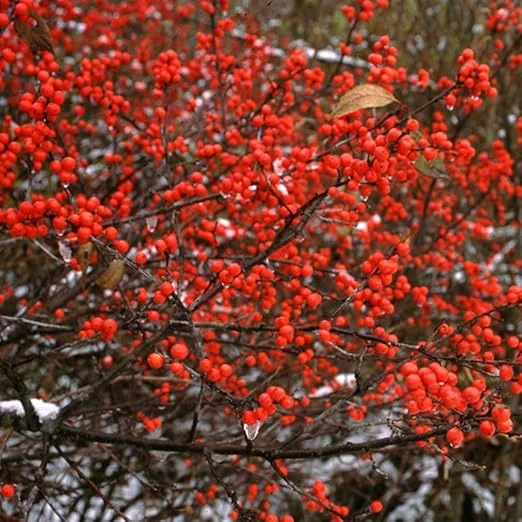
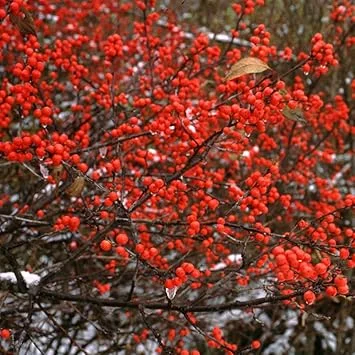
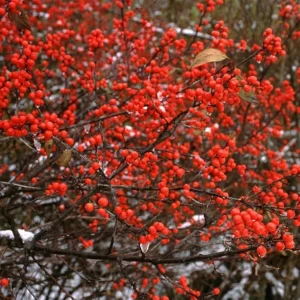
Transform your garden into a winter wonderland with the addition of a beautiful winterberry holly plant. This deciduous holly, scientifically known as Ilex verticillata, is celebrated for its spectacular display of bright red berries that emerge after its leaves drop in autumn and persist throughout the winter. Our live winterberry holly plant arrives ready to thrive in your landscape, delivered in a convenient 4-inch container, making it easy to plant and establish. Perfect for adding a vibrant splash of color when other plants are dormant, this hardy shrub provides crucial winter interest and a vital food source for local wildlife, particularly birds.
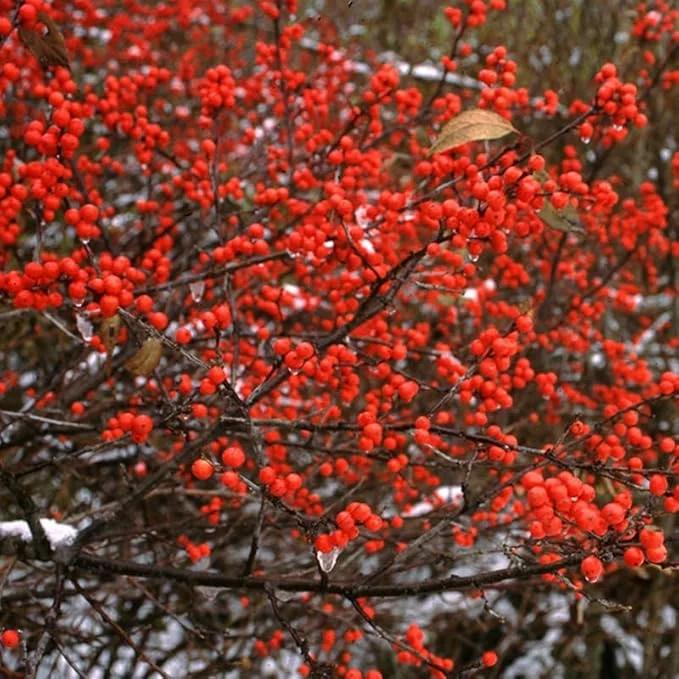
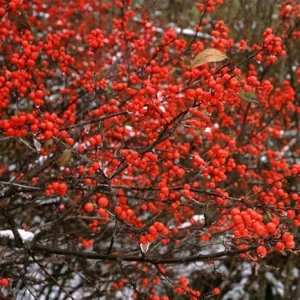
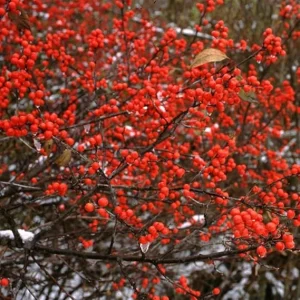
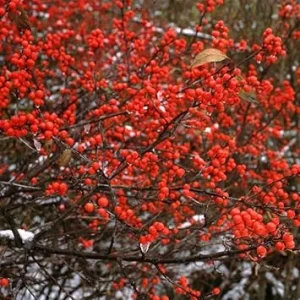
Unlike evergreen hollies, the winterberry holly plant sheds its leaves to reveal an impressive show of berries along its bare branches. This makes it an ideal choice for winter gardens, holiday decorations, and for attracting feathered friends. This particular variety produces striking red berries, ensuring a dramatic and eye-catching display against a snowy backdrop or a drab winter sky. It’s a low-maintenance, high-impact deciduous shrub that brings joy and ecological benefits to any outdoor space.
Key Benefits
The winterberry holly plant offers numerous advantages for both the avid gardener and the nature enthusiast. Its unique characteristics make it a standout choice for winter landscaping:
- Stunning Winter Interest: Provides unparalleled visual appeal during the coldest months with its profusion of bright red berries, offering a vibrant contrast to dormant landscapes. This makes your garden lively even in winter.
- Wildlife Attractor: The abundant berries serve as a crucial food source for various bird species throughout winter, making your garden a haven for wildlife. This is especially beneficial for winterberry for birds, ensuring they have sustenance.
- Versatile Landscaping: Suitable for a variety of garden designs, from specimen planting to mass groupings, hedges, or even rain gardens. Its adaptability makes it a gardener’s favorite.
- Low Maintenance: Once established, this winterberry holly plant is remarkably easy to care for, requiring minimal pruning and general attention. It’s a robust and resilient shrub.
- Hardy & Adaptable: Thrives across a wide range of climates, specifically USDA Zones 3-8, and tolerates various soil conditions, including wetter areas. This ensures broad applicability for many regions.
- Excellent for Cut Arrangements: The berry-laden branches are highly sought after for winter floral arrangements and holiday decor, bringing natural beauty indoors.
- Deer Resistant: Generally not preferred by deer, making it a good choice for areas where deer browse is a concern.
Plant Care & Growing Tips
Caring for your winterberry holly plant is straightforward, ensuring a spectacular display of berries year after year. This hardy shrub requires specific conditions to thrive and produce its best show. For optimal berry production, you will need both male and female plants; typically, one male plant can pollinate several female plants within a 50-foot radius. Ensure you have the correct ratio for successful fruiting.
Regarding sunlight, the winterberry holly plant performs best in full sun to part shade. Full sun (at least 6 hours of direct sunlight daily) will generally result in the most prolific berry set. While it can tolerate some shade, too much shade may reduce the number of berries produced. It prefers moist, acidic, well-draining soil but is quite adaptable to various soil types, including sandy soil and even wet conditions, making it suitable for rain gardens or boggy areas. Moderate watering is generally sufficient, but ensure the soil remains consistently moist, especially during dry spells or in its first year of establishment. A layer of mulch can help retain soil moisture and regulate temperature.
The winterberry shrub care routine is relatively simple. Fertilize in early spring with a balanced, slow-release fertilizer formulated for acid-loving plants. Pruning should be done in late winter or early spring before new growth begins, primarily to remove any dead, damaged, or crossing branches, or to shape the plant. Avoid heavy pruning if you want to maximize berry production for the upcoming winter. This plant is generally pest and disease resistant, but monitor for common issues. Ensure proper air circulation to prevent fungal problems. Understanding the needs of this ilex verticillata will ensure a healthy, berry-filled shrub.
Size & Details
This winterberry holly plant is a live, ready-to-grow specimen, delivered in a 4-inch container. At maturity, this deciduous shrub typically reaches a height of 3-4 feet, making it a medium-sized addition to your landscape. Its width can also be similar, creating a rounded to upright form. The plant has a moderate growth rate, establishing itself well within a few seasons. It is shipped as a young plant, allowing it to acclimate to your garden’s specific conditions and grow into its full splendor. The size makes it perfect for immediate planting in garden beds, borders, or even larger containers if desired.
The berries, which are the main attraction, develop after the small, inconspicuous white flowers bloom in late spring to early summer. These vibrant red berries persist throughout the fall and winter, providing long-lasting seasonal interest. This red holly bush is hardy in USDA Zones 3-8, capable of withstanding significant cold temperatures. Remember, for a successful berry display, a male pollinator plant of the same species must be present within proximity. The berries are not typically consumed by humans but are a vital food source for wildlife, especially during harsh winter months. This is an excellent choice for a vibrant and ecologically friendly garden.
Frequently Asked Questions
- Q: How big does this winterberry holly plant get? A: This shrub typically grows to a mature height of 3-4 feet and can have a similar spread, forming a dense, rounded bush. Its size makes it versatile for various garden applications, from borders to hedges.
- Q: Is this an indoor or outdoor plant? A: The winterberry holly plant is an outdoor shrub, perfectly suited for garden beds, landscapes, and large outdoor containers. It requires the seasonal changes to thrive and produce its characteristic berries.
- Q: How much sunlight does the red holly bush need? A: This plant thrives in full sun to part shade. For the best berry production, aim for at least 6 hours of direct sunlight per day. It can tolerate some afternoon shade in hotter climates.
- Q: Is this plant easy to care for? A: Yes, the winterberry holly plant is considered low-maintenance once established. It’s hardy, adaptable, and generally resistant to pests and diseases, making winterberry shrub care quite manageable for most gardeners.
- Q: What condition will it arrive in? A: Your winterberry holly plant will arrive as a live, healthy plant in a 4-inch container, ready for planting. We take great care in packaging to ensure it reaches you in optimal condition.
- Q: How long until it blooms and produces berries? A: While the plant will grow and establish quickly, significant berry production usually begins within 1-3 years after planting, once the plant has matured and if a male pollinator is present.
- Q: Will it survive winter in my zone? A: This winterberry holly plant is hardy in USDA Zones 3-8, meaning it is well-equipped to survive cold winters within this range. It is deciduous, so it will lose its leaves, exposing the beautiful red berries.
- Q: Are the berries good for wildlife? A: Absolutely! The vibrant red berries are a crucial food source for many bird species, especially during the winter months when other food sources are scarce. This makes winterberry for birds an excellent choice for supporting local ecosystems.
- Q: What kind of soil does ilex verticillata prefer? A: It prefers moist, acidic, well-draining soil but is highly adaptable and can tolerate a range of soil types, including sandy and clay soils, and even wet conditions.
- Q: Do I need a male plant for berries? A: Yes, winterberry holly plant is dioecious, meaning male and female flowers are on separate plants. You will need at least one male pollinator variety planted within 50 feet of female plants for successful berry production.


Reviews
There are no reviews yet.