Overview
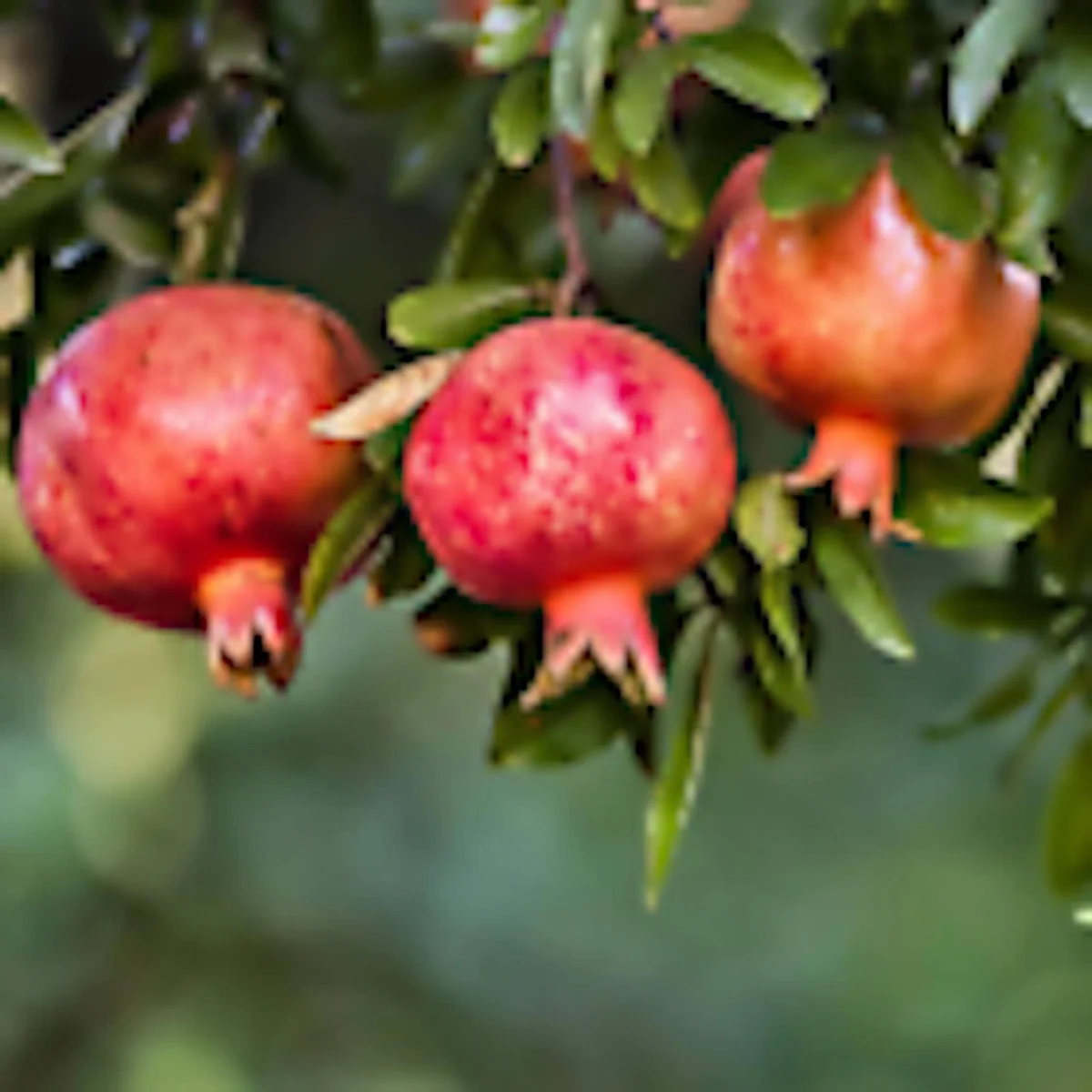
Bring the joy of home-grown fruit to your garden with the pomegranate fruit tree, specifically the renowned ‘Wonderful’ variety. This deciduous shrub or small tree, scientifically known as Punica granatum plant, is celebrated for its abundant yield of large, flavorful, and nutrient-rich pomegranates. Originating from ancient Persia and cultivated across the Mediterranean for centuries, the pomegranate is not only a source of delicious fruit but also an ornamental addition to any landscape. Its fountain-like, upright branches provide an attractive structure, while the large orange-red blooms in summer are a magnet for hummingbirds, adding a touch of vibrant life to your outdoor space. This particular ‘Wonderful’ variety is often favored for commercial juice production due to its high quality and generous fruit size, making it an excellent choice for anyone looking to grow pomegranate for juice or fresh eating. It’s a truly rewarding plant for gardeners eager to enjoy fresh, edible produce.
The wonderful pomegranate is a versatile plant, capable of growing as a multi-stemmed shrub, a small tree, or even trained as an espalier. It adapts well to various garden designs and offers both aesthetic beauty and practical benefits. If you’re looking for an edible fruit tree that combines beauty with bounty, the ‘Wonderful’ pomegranate is an outstanding selection.
Key Benefits
The ‘Wonderful’ pomegranate fruit tree offers a multitude of benefits, making it a highly desirable addition to nearly any garden. Its unique characteristics provide both visual appeal and practical yields.
- Abundant Edible Fruit: This tree produces large, juicy, and sweet-tart pomegranates, perfect for fresh eating, juicing, or culinary creations. Enjoy a continuous supply of healthy, antioxidant-rich fruit directly from your garden.
- Vibrant Ornamental Blooms: In summer, the plant showcases striking orange-red flowers that are highly attractive to hummingbirds, adding dynamic beauty and ecological value to your landscape.
- Versatile Landscape Use: Whether you prefer a shrub, a small tree, or an espalier, the ‘Wonderful’ pomegranate adapts beautifully to various training methods, allowing for creative integration into diverse garden styles.
- Heat and Humidity Tolerant: This robust plant thrives in warm climates, demonstrating excellent resilience to heat and humidity, making it suitable for a wide range of growing regions.
- Rich in Antioxidants and Vitamins: The fruit of the Punica granatum plant is renowned for its health benefits, including high levels of vitamin C and potent antioxidants, supporting overall well-being.
- Drought Resistance Once Established: While young plants need regular watering, mature ‘Wonderful’ pomegranates develop good drought tolerance, reducing water needs in the long run.
- Attracts Pollinators: Beyond hummingbirds, the flowers also attract other beneficial pollinators, contributing to the health and biodiversity of your garden ecosystem.
Plant Care & Growing Tips
To ensure your pomegranate fruit tree thrives and produces abundant fruit, proper care is essential. This resilient plant generally requires a sunny location and well-draining soil. Plant your wonderful pomegranate in a spot that receives full sun, ideally 6-8 hours of direct sunlight per day, to maximize fruit production and overall plant health. While adaptable to many soil types, it performs best in loamy, well-drained soil. Avoid heavy clay soils that retain too much moisture, as this can lead to root issues. If your soil is heavy, amend it with organic matter to improve drainage.
Regular watering is crucial, especially during establishment and hot, dry periods. Water weekly, ensuring the soil is consistently moist but not waterlogged. During extreme heat, you may need to water more frequently. Once established, the Punica granatum plant becomes more drought tolerant, but consistent moisture during fruiting will lead to larger, juicier pomegranates. Fertilize in early spring with a balanced slow-release fertilizer designed for fruit trees. Pruning should be done in late winter or early spring to remove dead or crossing branches, maintain desired shape, and encourage air circulation. This helps prevent diseases and promotes better fruit development for your edible fruit tree. It is generally hardy in USDA Zones 7-11, tolerating temperatures down to about 10°F (-12°C).
While relatively low-maintenance, watch for common pests like aphids or whiteflies, which can be managed with insecticidal soap. Fungal issues are rare in well-drained conditions. The medium growth rate with an upright to weeping habit means it will gradually develop its mature form. With consistent care, you’ll be able to grow pomegranate successfully and enjoy its beautiful blooms and delicious fruit for many years.
Size & Details
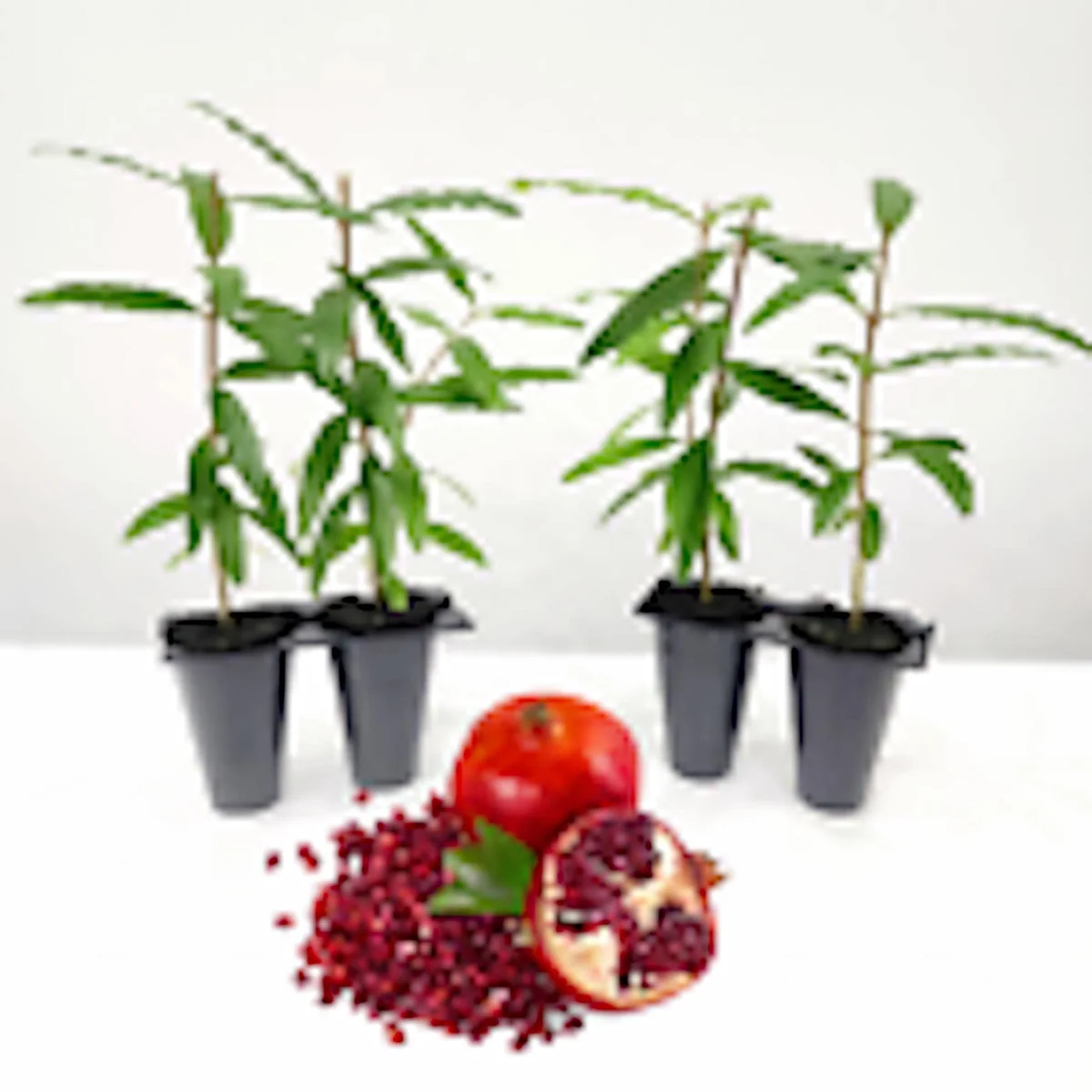
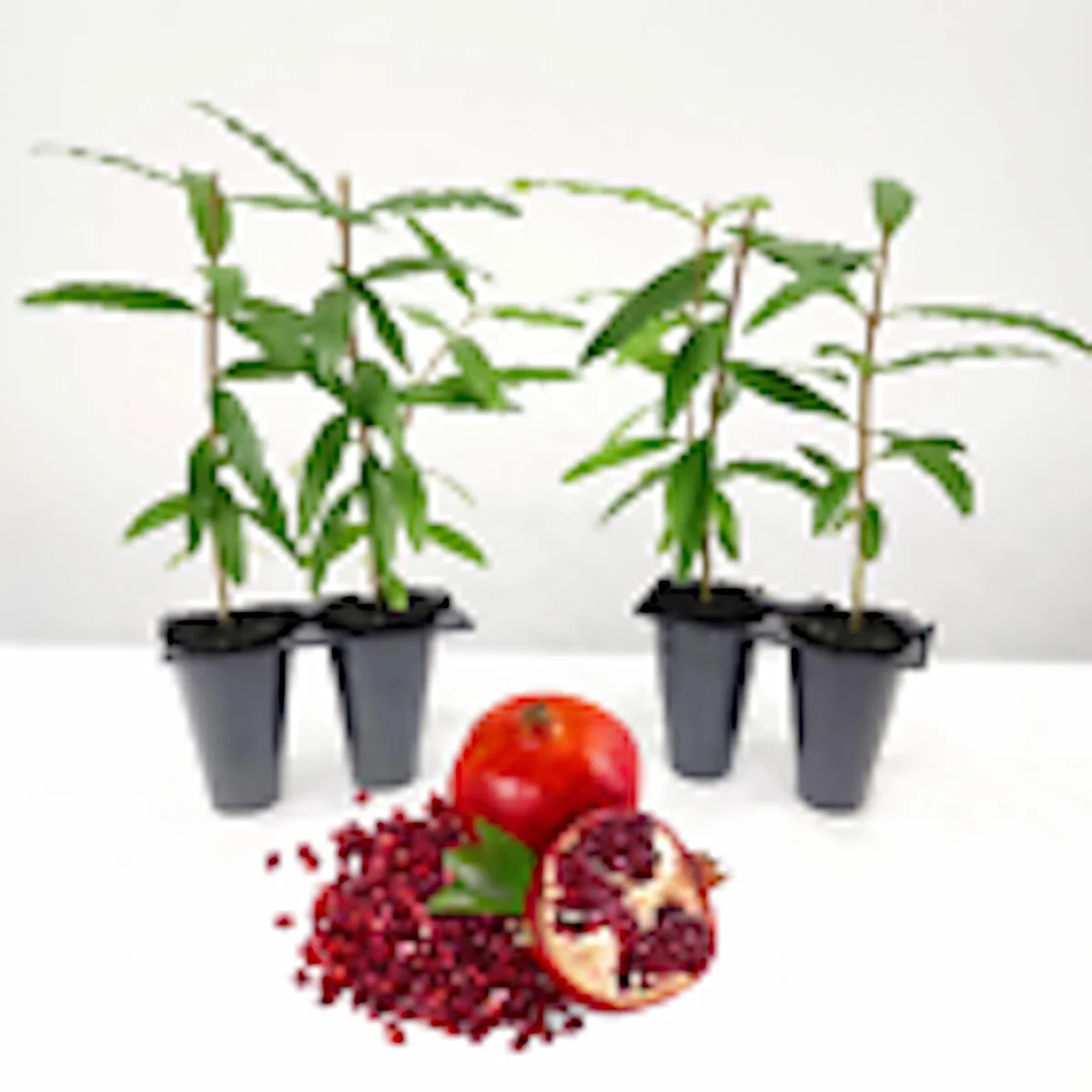
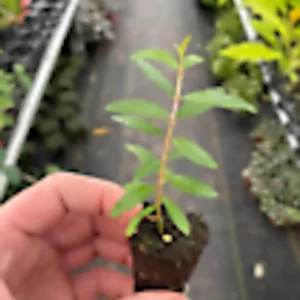
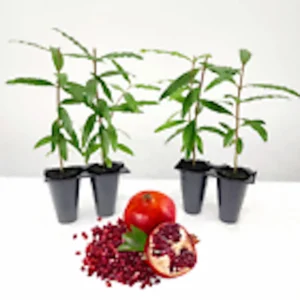
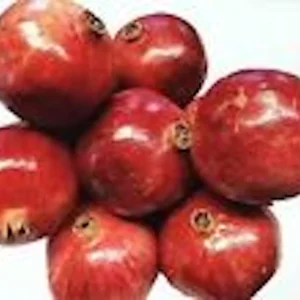
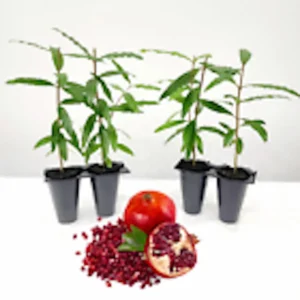
This offering is for one vibrant ‘Wonderful’ pomegranate fruit tree starter plant, ready for planting in your garden. The mature plant typically grows to a height of 12-15 feet in its natural shrub or small tree form, though it can be maintained at a smaller size with pruning or by training as an espalier. Its spread can reach up to 10 feet with an upright to weeping habit. The ‘Wonderful’ variety is known for its robust growth and consistent fruit production. The fruit develops in early fall, featuring a distinctive burnished red exterior and sweet-tart arils inside. This variety is highly regarded for its large fruit size and suitability for juicing.
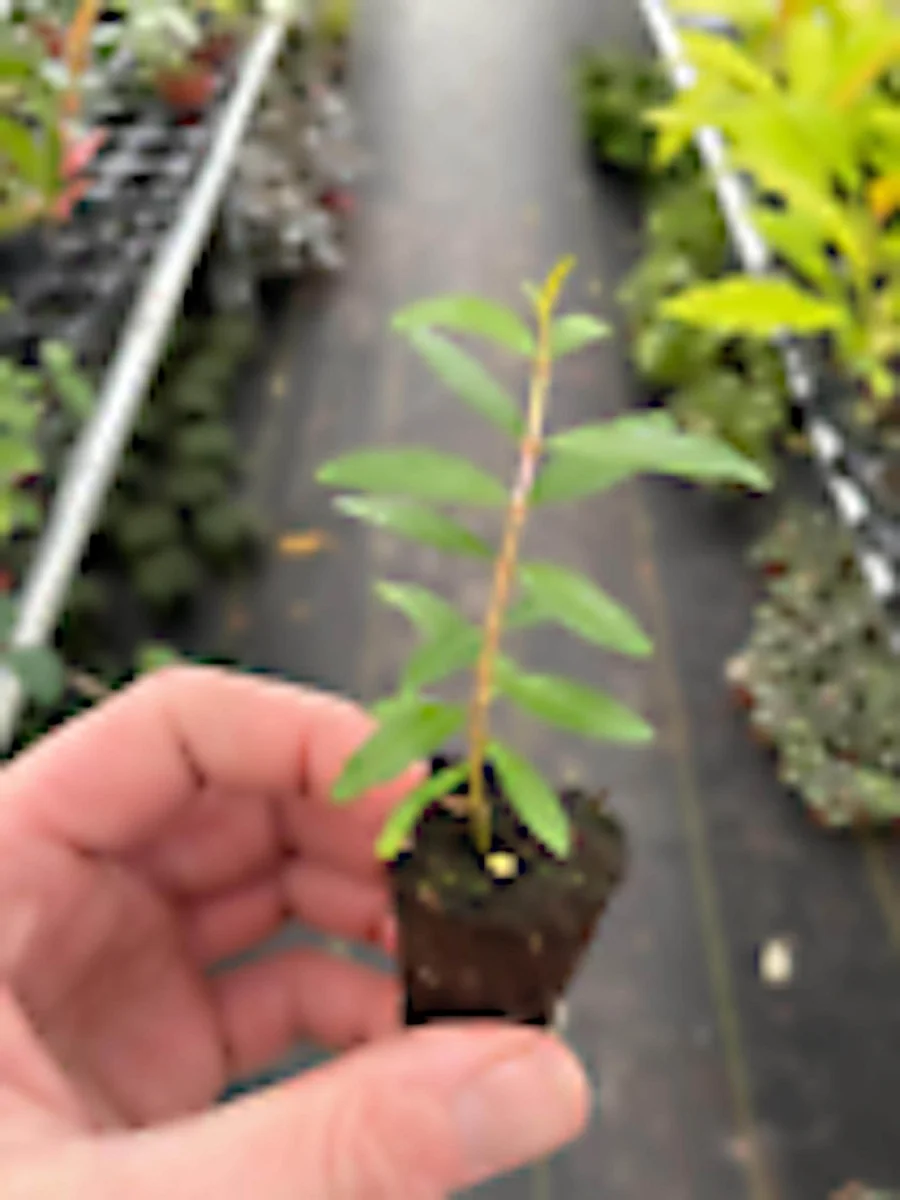
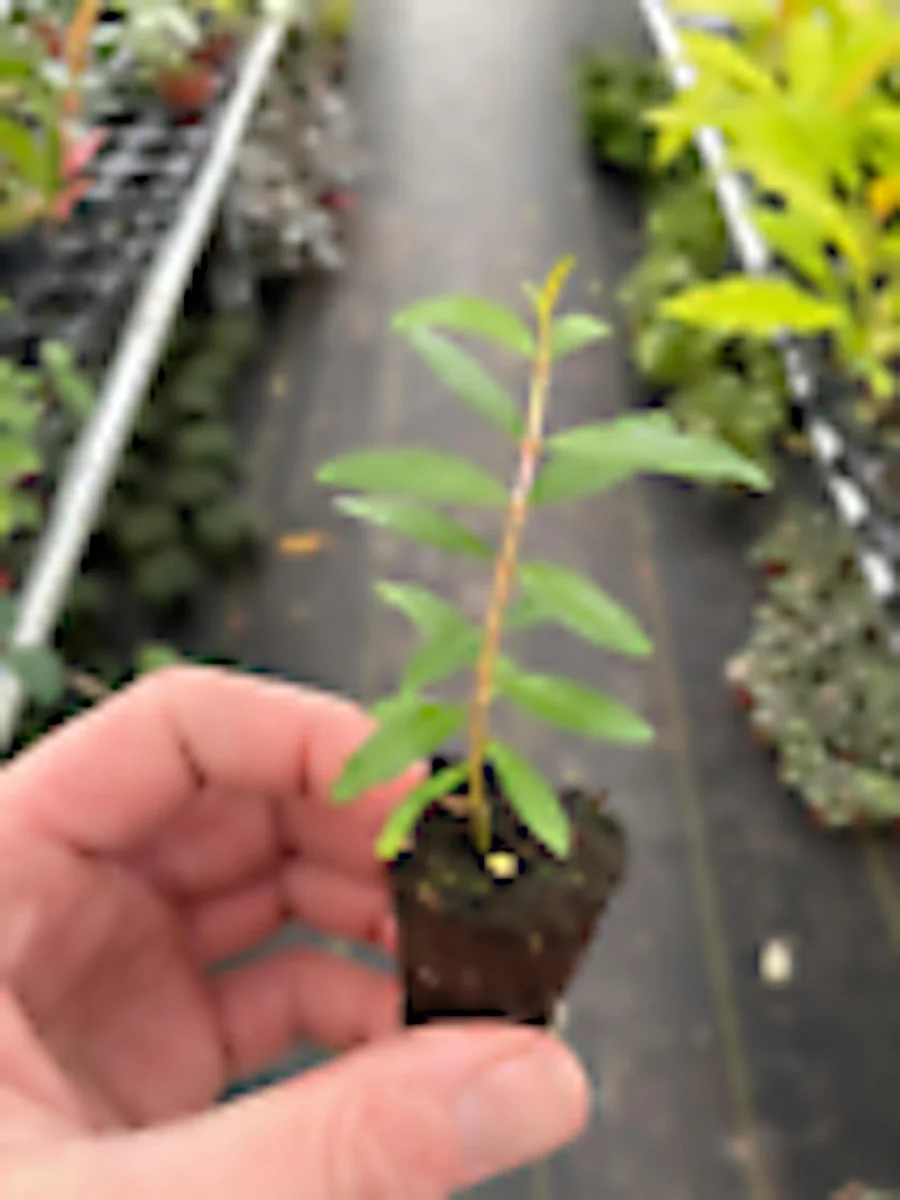
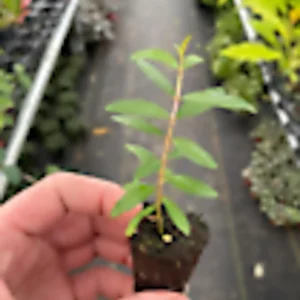
Your Punica granatum plant will arrive as a healthy, live starter plant, carefully packaged to ensure its safe journey. It is adaptable to many soil types, but prefers full sun and well-draining conditions. Expect summer blooms that attract hummingbirds, followed by delicious fall fruit. With optimal care, this edible fruit tree will establish quickly and begin producing within a few years, allowing you to enjoy fresh pomegranates for seasons to come.
Frequently Asked Questions
- Q: How big does this plant get? A: The ‘Wonderful’ pomegranate fruit tree typically grows between 12 to 15 feet tall and can spread up to 10 feet wide. Its size can be managed with regular pruning to suit your garden space.
- Q: What size pot does it come in? A: The specific pot size is not provided, but it will arrive as a healthy starter plant, suitable for immediate transplanting into a larger container or directly into the ground.
- Q: Is this an indoor or outdoor plant? A: This is primarily an outdoor plant, thriving in full sun. In colder climates (below USDA Zone 7), it can be grown in a large container and moved indoors during winter to protect it from frost.
- Q: How much sunlight does it need? A: The ‘Wonderful’ punica granatum plant requires full sun, meaning at least 6-8 hours of direct sunlight daily, for optimal growth and fruit production.
- Q: Is this plant easy to care for? A: Yes, once established, the ‘Wonderful’ pomegranate is relatively easy to care for. It’s heat and humidity tolerant and becomes somewhat drought-resistant, making it a good choice for various gardeners.
- Q: Can I use the fruit for juice? A: Absolutely! The ‘Wonderful’ variety is highly prized for its large, juicy fruit, making it an excellent choice for making fresh pomegranate juice, as well as for eating fresh.
- Q: When is the best time to plant? A: The best time to plant this edible fruit tree is typically in spring or fall when temperatures are moderate, allowing the plant to establish its root system before extreme heat or cold.
- Q: What is the USDA hardiness zone for this pomegranate? A: This pomegranate is hardy in USDA Zones 7-11, meaning it can tolerate winter temperatures down to about 10°F (-12°C).
- Q: How long until it produces fruit? A: A young pomegranate fruit tree typically starts producing fruit within 2-3 years after planting, with increasing yields as the plant matures.
- Q: Is it good for beginners who want to grow pomegranate? A: Yes, its hardiness and relatively straightforward care make it a suitable choice for beginner gardeners looking to cultivate an edible fruit tree.


Reviews
There are no reviews yet.