Overview
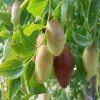
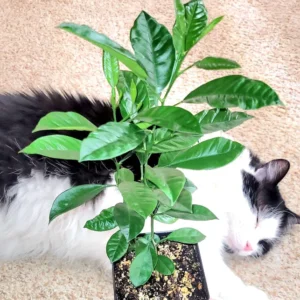
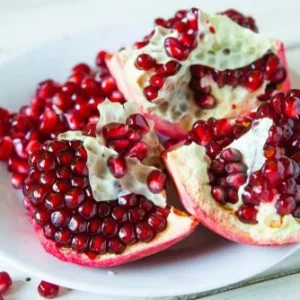
Bring the joy of home-grown, delicious fruit to your garden with a wonderful pomegranate tree. This live plant, typically 1 to 2 feet tall and shipped in a 6-inch pot, is the perfect starting point for cultivating one of the world’s most prized fruits. The ‘Wonderful’ variety is renowned for its extra-large, blushed red fruit with rich, red, juicy flesh and a distinctive sharp-tart flavor. Beyond its culinary appeal, the pomegranate tree is a beautiful addition to any landscape, offering showy, decorative flowers and an attractive, long-lived form. Whether you’re looking to grow pomegranate tree for its health benefits, ornamental value, or a combination of both, this robust plant is an excellent choice for gardeners in USDA Zones 5-10.
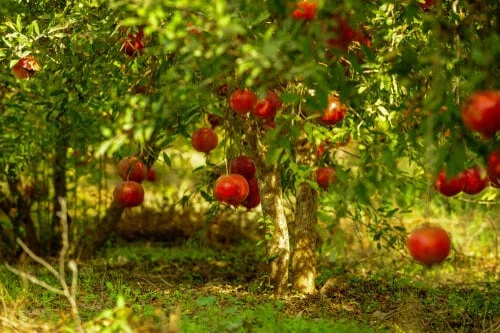
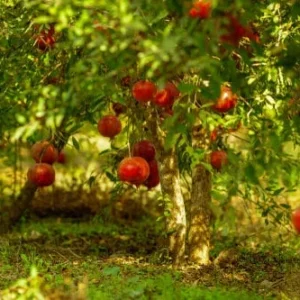
The wonderful pomegranate tree is celebrated for its adaptability and relatively easy care, making it suitable for a wide range of climates where hot summers prevail. It can be grown as an ornamental shrub or a small tree, reaching up to 18 feet tall at maturity. Its drought-tolerant nature makes it a sustainable option for many garden settings, and its self-fruitful characteristic means you can enjoy fruit even with a single plant, though planting another nearby can enhance production. Prepare to enjoy bountiful harvests generally ripening in September, filling your kitchen with fresh, exquisite pomegranates.
Key Benefits
The wonderful pomegranate tree offers a multitude of benefits, from its stunning visual appeal to its highly nutritious fruit. It’s a versatile plant that enhances any garden while providing a rewarding harvest.
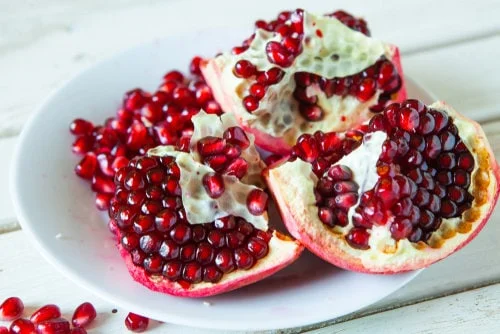
- Exceptional Fruit Quality: Produces extra-large pomegranates with vibrant red skin and deeply colored, juicy, sharp-tart arils. These fruits are perfect for fresh eating, juicing, and culinary creations, offering a burst of exquisite flavor.
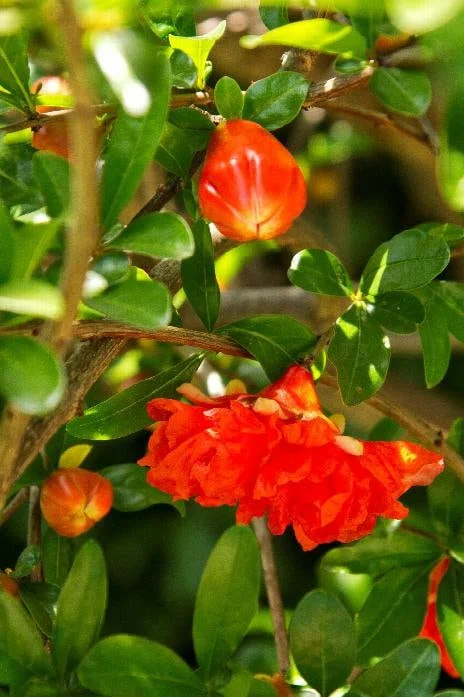
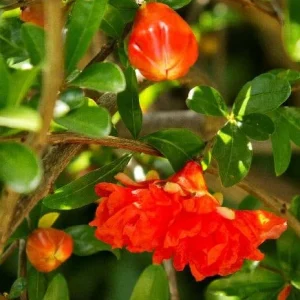
- Ornamental Value: Beyond its fruit, the pomegranate tree is a striking landscape plant. Its attractive form, showy orange-red flowers, and ability to be grown as a shrub or small tree make it a beautiful focal point in gardens and parks.
- Drought Tolerance: Once established, this plant is remarkably drought-tolerant, thriving in dry areas and requiring less water than many other fruit trees. This makes it an excellent choice for water-wise gardening.
- Health Benefits: Pomegranate juice and arils are packed with antioxidants and nutrients, highly prized for their numerous health benefits. Growing your own ensures a fresh, organic supply.
- Self-Fruitful: The ‘Wonderful’ variety is self-fruitful, meaning it does not require another tree for pollination to produce fruit. This simplifies the process for those with limited space, though cross-pollination can increase yields.
- Adaptable & Long-Lived: Thriving in a wide range of climates (USDA Zones 5-10) and known for its longevity, this tree will provide many years of beauty and delicious fruit. It’s a resilient choice for various garden conditions.
- Low Chill Hours: Requiring only 150-200 chill hours, the wonderful pomegranate tree is suitable for regions with milder winters, expanding its growing range considerably compared to many other fruit-bearing trees.
Plant Care & Growing Tips
Caring for your wonderful pomegranate tree is straightforward, especially when provided with the right conditions. These trees thrive in hot, sunny locations, which are crucial for fruit development and ripening. They need at least 6-8 hours of direct sunlight per day to produce the best yields. While drought-tolerant, consistent watering is essential during the establishment phase and during dry spells, particularly when the tree is fruiting. Ensure the soil is well-draining, as pomegranates do not tolerate wet feet, which can lead to root rot. A sandy loam or loamy soil enriched with organic matter is ideal.
The pomegranate plant care routine involves minimal fertilization once established. A balanced fertilizer applied in early spring before new growth emerges can be beneficial. Pruning is best done in late winter or early spring to remove dead or crossing branches, shape the tree, and encourage air circulation and fruit production. For those wondering how to grow pomegranate tree in cooler climates, remember that they require 150-200 chill hours, making them suitable for zones 5-10. In colder parts of its range, some winter protection might be beneficial for young plants. Keep an eye out for common pests like aphids or scale, and treat with horticultural oil or insecticidal soap if necessary, ensuring your tree remains healthy and productive.
While the ‘Wonderful’ is self-fruitful, planting another pomegranate nearby can significantly increase fruit production on both plants. This cross-pollination benefit is something to consider if you have space for multiple trees. If you’re considering a dwarf pomegranate tree for container growing, ensure the container is large enough to accommodate its root system and provides excellent drainage. Regular watering and feeding will be more critical for container-grown plants. With proper care, your pomegranate will become a cherished and productive part of your landscape, yielding delicious fruit year after year.
Size & Details
This offering is for a wonderful pomegranate tree live plant, typically measuring 1 to 2 feet in height at the time of shipment. The plant arrives carefully packaged in a 6-inch nursery pot, providing a strong root system ready for transplanting into your garden or a larger container. At maturity, the ‘Wonderful’ pomegranate can grow up to 18 feet tall, though it can be kept smaller with regular pruning, making it adaptable to various garden sizes. Fruit generally ripens in September, offering a late-season harvest of delicious, juicy pomegranates. It is a relatively fast-growing tree once established, quickly developing into a productive and ornamental specimen. This fruit bearing tree will begin producing fruit within a few years of planting, with yields increasing as the tree matures.
Frequently Asked Questions
- Q: How big does this Wonderful Pomegranate tree get? A: This live plant typically ships at 1 to 2 feet tall. At maturity, a wonderful pomegranate tree can reach up to 18 feet in height, though its size can be managed with pruning to suit your garden space.
- Q: What size pot does it come in? A: The wonderful pomegranate tree is shipped in a 6-inch nursery pot, providing a healthy root system for successful transplanting.
- Q: Is this an indoor or outdoor plant? A: This is primarily an outdoor plant, thriving in full sun. It can be grown in a large container and brought indoors in winter in colder climates, but it performs best when planted in the ground outdoors.
- Q: How much sunlight does it need? A: For optimal fruit production and health, the wonderful pomegranate tree requires at least 6-8 hours of direct sunlight per day. It loves hot, sunny locations.
- Q: Is this plant easy to care for? A: Yes, pomegranates are relatively easy to care for once established. They are drought-tolerant and adaptable, making them a good choice for both experienced and novice gardeners looking to grow pomegranate tree.
- Q: What condition will it arrive in? A: Your wonderful pomegranate tree live plant will arrive carefully packaged in its 6-inch pot, with its soil intact, ready for planting. We take great care to ensure healthy arrival.
- Q: When is the best time to plant a pomegranate tree? A: The best time to plant is in spring or early summer, after the last threat of frost, allowing the plant ample time to establish itself before winter.
- Q: Will it survive winter in my zone? A: The ‘Wonderful’ pomegranate is hardy in USDA Zones 5-10. In zone 5, some winter protection for young plants may be beneficial. It requires 150-200 chill hours.
- Q: What is the benefit of a fruit bearing tree like this? A: A fruit bearing tree like the ‘Wonderful’ pomegranate provides fresh, nutritious fruit directly from your garden, offers ornamental beauty, and can be a rewarding gardening experience.
- Q: Can I grow a dwarf pomegranate tree from this variety? A: While the ‘Wonderful’ is a standard-sized variety, its size can be controlled through regular pruning to maintain a more compact, shrub-like form, suitable for smaller spaces or large containers, effectively creating a manageable ‘dwarf’ size.


Reviews
There are no reviews yet.