Overview
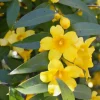
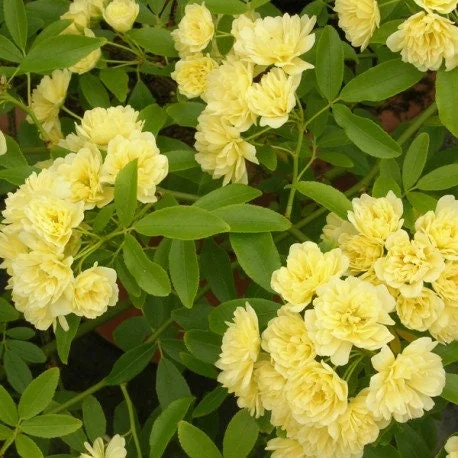
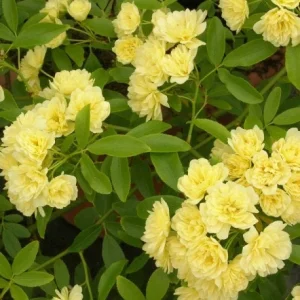
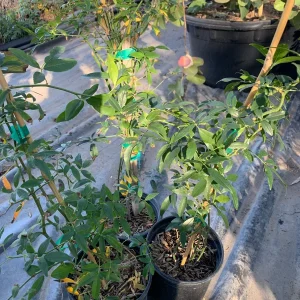
Introduce a touch of timeless elegance and vibrant color to your garden with the exquisite Yellow Banksia Rose climbing plant. Known botanically as Rosa Banksiae ‘Lutea’, this magnificent vine is celebrated for its profusion of small, double yellow flowers that bloom in early spring, creating a breathtaking display. Unlike many other roses, the Yellow Banksia Rose climbing plant is cherished for its nearly thornless branches, making it a joy to train and maintain on arbors, pergolas, fences, or walls. Its vigorous growth habit allows it to quickly cover large areas, transforming your outdoor space into a fragrant, golden paradise. This live plant arrives ready to thrive, typically measuring 1 to 2 feet tall and shipped securely in a 6-inch pot, ensuring a healthy start in your landscape.
The ‘Lutea’ variety is particularly prized for its cheerful, buttery yellow blossoms that emit a delicate, violet-like fragrance, adding another layer of sensory delight to your garden. Whether you’re an experienced gardener or just starting, the resilience and beauty of this Rosa Banksiae Lutea make it an excellent choice for a wide range of climates and garden styles. Its ability to grow in full sun conditions further enhances its appeal, allowing it to flourish in bright, open spaces where other plants might struggle. Prepare to be enchanted by the cascading blooms and easy-care nature of this remarkable climbing rose.
Key Benefits
The Yellow Banksia Rose climbing plant offers numerous advantages that make it a standout choice for any garden. Its unique characteristics contribute to both its aesthetic appeal and ease of cultivation:
- Stunning Floral Display: Enjoy an abundance of small, cheerful double yellow flowers that create a spectacular visual impact, especially in early spring. The vibrant hue of this fragrant yellow rose can brighten any garden space.
- Almost Thornless Branches: A significant advantage, its nearly smooth stems make training and pruning much safer and more pleasant compared to typical thorny roses. This feature is particularly appreciated by those with children or pets.
- Vigorous Climbing Habit: This rose is a strong grower, quickly establishing itself and covering structures like arbors, pergolas, and fences, providing excellent vertical interest and shade. It’s an ideal choice for creating living walls or privacy screens.
- Fragrant Blooms: The delicate, sweet fragrance of the blossoms adds an extra dimension of enjoyment to your garden, attracting pollinators and enhancing the overall ambiance.
- Low Maintenance: Once established, the Yellow Banksia Rose climbing plant is remarkably drought-tolerant and disease-resistant, requiring less intensive care than many other rose varieties.
- Full Sun Performance: Thrives in locations with ample sunlight, ensuring robust growth and prolific flowering, making it a perfect fit for sunny garden spots.
- Long-Lived Beauty: With proper care, this rose can become a long-term fixture in your landscape, offering many years of beautiful blooms and vigorous growth.
Plant Care & Growing Tips
Caring for your Yellow Banksia Rose climbing plant is relatively straightforward, making it a rewarding addition to most gardens. To ensure your Rosa Banksiae Lutea flourishes and produces its spectacular display of yellow blooms, understanding its basic needs is crucial. This plant thrives in sunny conditions, so select a location that receives at least six hours of direct sunlight per day. Full sun exposure is key to maximizing its flowering potential and maintaining healthy growth. Ensure the soil is well-draining; while adaptable, it dislikes soggy roots. Amending heavy clay soils with organic matter like compost can improve drainage significantly. For optimal growth, aim for a slightly acidic to neutral soil pH (6.0-7.0).
Watering should be consistent, especially during dry spells and in the plant’s first year of establishment. Deep watering once or twice a week is generally more beneficial than frequent shallow watering, encouraging roots to grow deeper. Once established, this thornless climbing rose becomes quite drought-tolerant. Fertilize in early spring with a balanced rose fertilizer or a slow-release granular feed, following product instructions. Avoid over-fertilizing, which can promote foliage growth at the expense of flowers. Pruning is typically done after the spring bloom to shape the plant, remove dead or damaged wood, and manage its size. Since it blooms on old wood, avoid heavy pruning before flowering.
This vigorous climber is generally hardy in USDA Zones 7-9, though some sources suggest it can tolerate Zone 6 with winter protection. In colder zones, consider growing it in a large container that can be moved indoors or to a sheltered location during winter. While generally disease-resistant, keep an eye out for common rose pests like aphids, which can be managed with insecticidal soap or neem oil. Providing a sturdy support structure like an arbor, trellis, or strong fence is essential as the plant matures and its branches become heavy with blooms. With proper care, your full sun rose will provide years of beauty and fragrance.
Size & Details
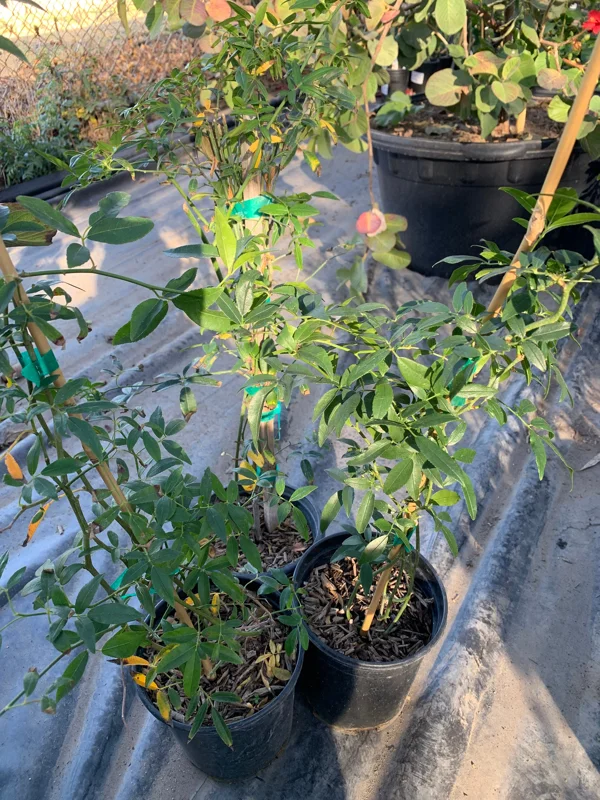
This Yellow Banksia Rose climbing plant is a young, healthy specimen, typically arriving 1 to 2 feet tall from the top of the soil line. It is carefully shipped in a 6-inch nursery pot, providing a well-established root system ready for transplanting into your garden or a larger container. As a vigorous climber, this rose has a fast growth rate and can reach impressive mature dimensions. Expect it to grow upwards of 15 to 20 feet tall and spread 10 to 15 feet wide over several years when provided with adequate support and growing conditions. The plant will establish quickly and begin to produce its characteristic double yellow flowers, usually in its second or third year after planting, with increasingly abundant blooms as it matures.
The nearly thornless nature of this thornless climbing rose makes it exceptionally easy to handle and train, allowing you to guide its growth along various structures without concern. Its early spring blooming habit ensures it is one of the first roses to grace your garden with color each year. The compact size upon arrival makes it easy to transport and plant, while its inherent vigor promises significant growth in its first season. This particular cultivar, Rosa Banksiae ‘Lutea’, is renowned for its reliable performance and stunning visual appeal, making it a highly desirable choice for gardeners seeking a robust and beautiful climbing rose.
Frequently Asked Questions
- Q: How big does this Yellow Banksia Rose climbing plant get? A: This vigorous climbing rose can reach impressive mature sizes, typically growing 15 to 20 feet tall with a spread of 10 to 15 feet. Its ultimate size depends on growing conditions and pruning.
- Q: What size pot does it come in? A: The Yellow Banksia Rose climbing plant is shipped in a 6-inch nursery pot, and the plant itself is generally 1 to 2 feet tall upon arrival, ready for planting.
- Q: Is this an indoor or outdoor plant? A: The Yellow Banksia Rose climbing plant is an outdoor plant, best suited for gardens where it can climb and receive plenty of sunlight. It is not typically grown as a houseplant.
- Q: How much sunlight does it need? A: This full sun rose thrives in full sun, requiring at least 6 hours of direct sunlight per day to ensure healthy growth and abundant flowering.
- Q: Is this plant easy to care for? A: Yes, the Rosa Banksiae Lutea is known for being relatively low-maintenance once established. It’s drought-tolerant and generally disease-resistant, making it a good choice for both beginner and experienced gardeners.
- Q: What condition will it arrive in? A: Your Yellow Banksia Rose climbing plant will arrive as a healthy, live plant, typically 1 to 2 feet tall, securely packaged in its 6-inch nursery pot with moist soil.
- Q: How long until it blooms? A: While young plants may produce some flowers, significant blooming from your fragrant yellow rose usually begins in its second or third year after planting, with the display becoming more spectacular with age.
- Q: When is the best time to plant this rose? A: The best time to plant your thornless climbing rose is in early spring or fall, allowing it to establish its root system before extreme summer heat or winter cold.
- Q: Will it survive winter in my zone? A: The Yellow Banksia Rose climbing plant is generally hardy in USDA Zones 7-9. In Zone 6, it may require some winter protection, especially for young plants.
- Q: Is this rose truly thornless? A: It is almost entirely thornless, particularly on mature stems, which is one of its most desirable characteristics, distinguishing it from many other rose varieties.


Reviews
There are no reviews yet.