Overview
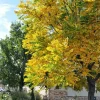
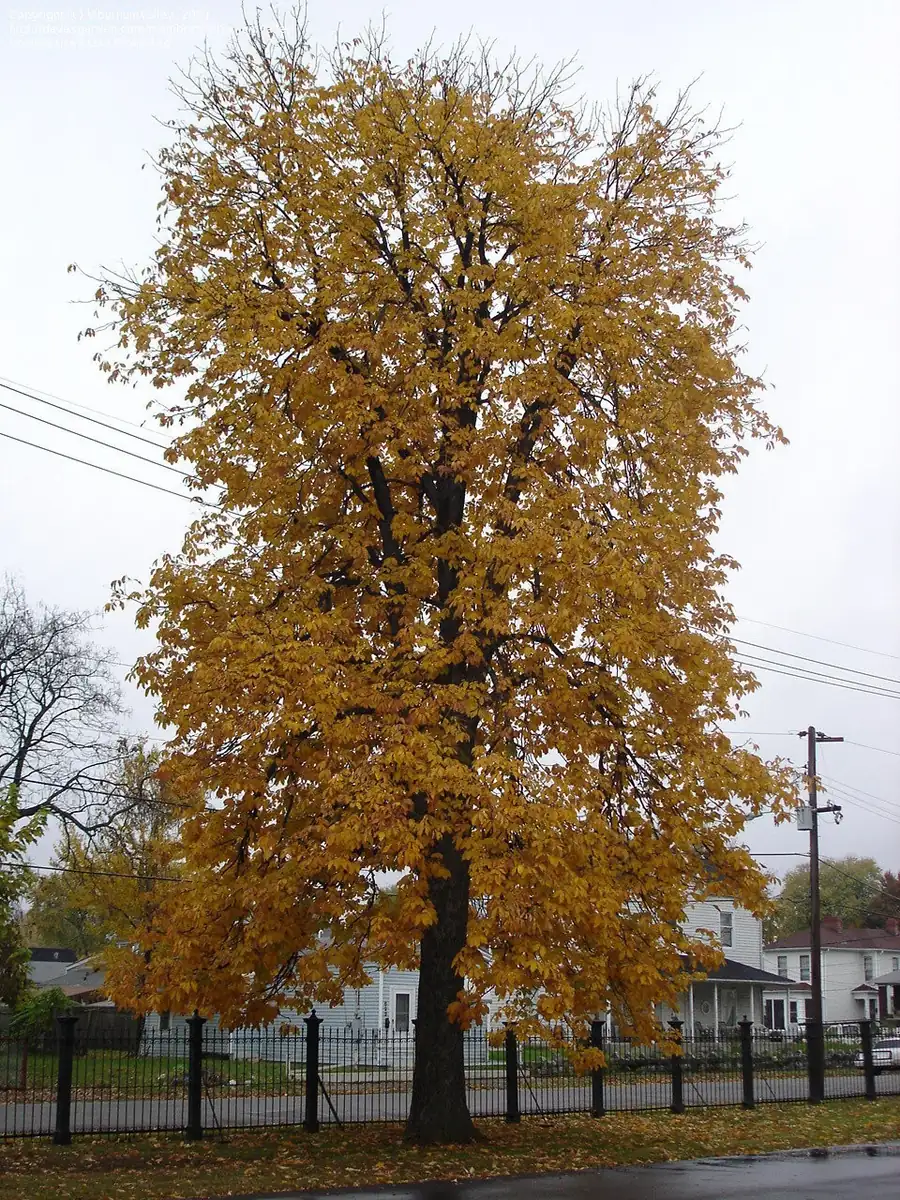
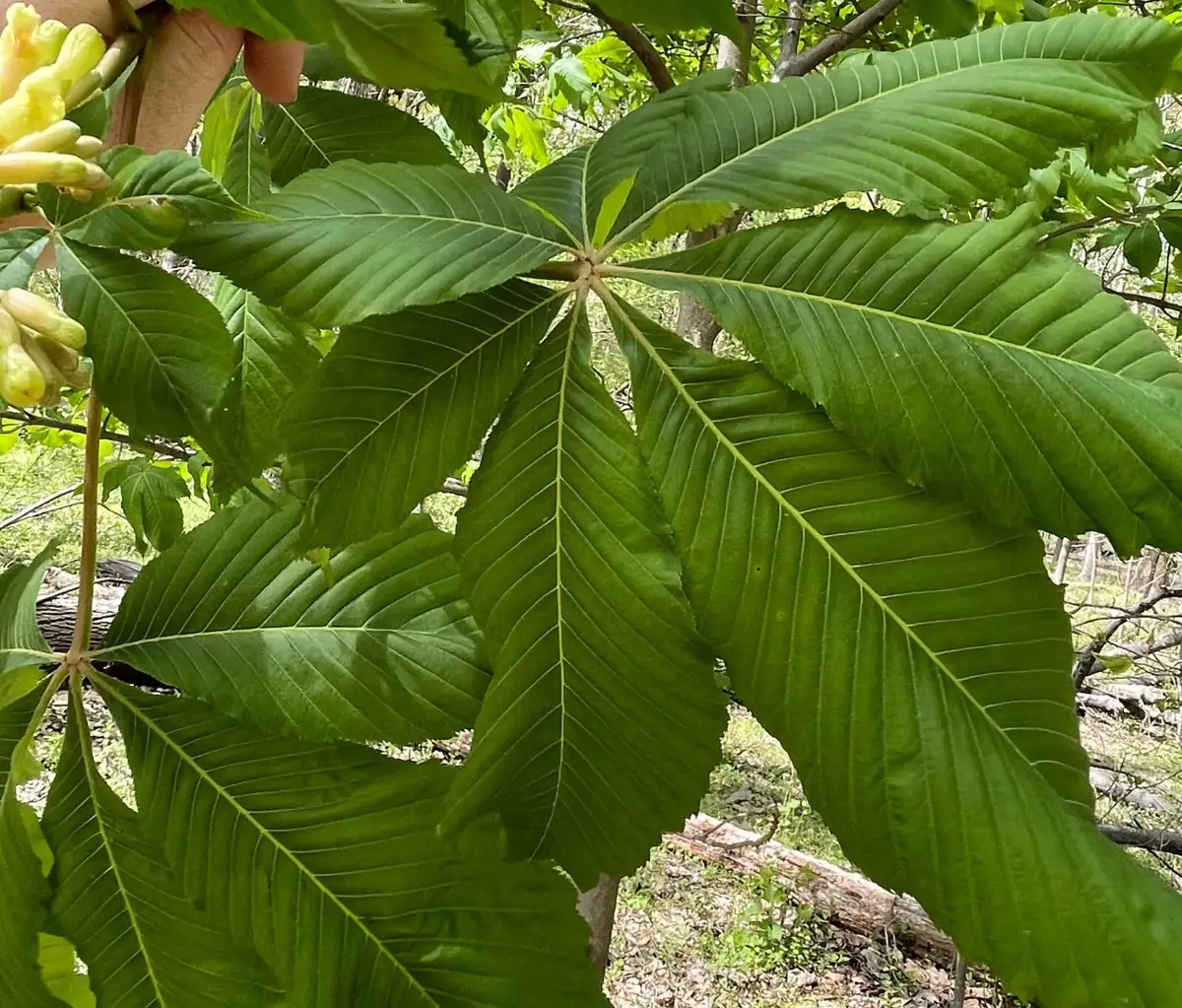
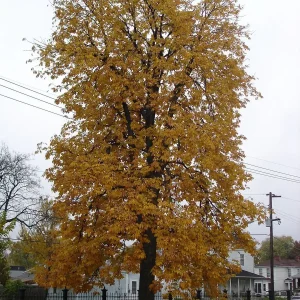
Introduce a magnificent specimen to your garden with the yellow buckeye live plant, scientifically known as Aesculus flava. This impressive deciduous tree is cherished for its majestic stature, attractive foliage, and distinctive yellow blooms, making it a standout feature in any landscape. Our yellow buckeye live plant arrives as a robust bare root specimen, measuring 16+ inches in height, ready for planting to establish a strong foundation in your yard. Native to the eastern United States, the Yellow Buckeye is a hardy and adaptable tree, known for its rapid growth and long lifespan. It offers a spectacular display of color throughout the seasons, from lush green leaves in spring and summer to brilliant shades of orange and yellow in the fall, providing a continuous show of natural beauty.
The Aesculus flava, also commonly referred to as the sweet buckeye tree, is an excellent choice for those looking to create a significant impact in their outdoor spaces. Its stately presence makes it ideal as a focal point, a shade tree, or as part of a larger woodland garden. This particular offering is a bare root tree, which means it is shipped without soil around its roots, a common and effective method for transplanting trees during their dormant season. This allows for easier handling and often results in quicker establishment once planted. Prepare to enjoy the elegance and grandeur this native tree brings to your home.
Key Benefits
The yellow buckeye live plant offers a multitude of benefits for both gardeners and the environment, enhancing any outdoor setting. Its impressive features contribute to a vibrant and healthy landscape.
- Stunning Ornamental Value: The Yellow Buckeye boasts beautiful yellow flowers that appear in spring, followed by attractive green foliage that transforms into striking orange and yellow hues in the fall, providing year-round visual interest. This makes it a highly desirable deciduous buckeye for aesthetic appeal.
- Excellent Shade Provider: With its broad, dense canopy, this tree develops into a fantastic source of shade, perfect for cooling your home or creating comfortable outdoor living spaces during warm months.
- Wildlife Attraction: The flowers attract pollinators like bees and hummingbirds, while the seeds, though toxic to humans, are a food source for squirrels and other wildlife, enriching your garden’s biodiversity.
- Robust & Adaptable: Known for its hardiness, the sweet buckeye tree is relatively low-maintenance once established, tolerating a range of soil types and conditions, making it suitable for various climates.
- Long Lifespan: A long-lived tree, the Yellow Buckeye can be a multi-generational addition to your landscape, growing into a magnificent specimen that provides beauty and benefits for decades.
- Bare Root Advantage: Shipping as a bare root plant allows for easier transportation, reduced transplant shock, and typically faster establishment in its new home, ensuring a healthy start for your aesculus flava bare root.
- Environmental Contribution: Like all trees, the Yellow Buckeye aids in air purification, carbon sequestration, and soil stabilization, contributing to a healthier local ecosystem.
Plant Care & Growing Tips
Caring for your yellow buckeye live plant is straightforward, ensuring it thrives and becomes a cherished part of your landscape. Proper planting and consistent care in its early years are crucial for its long-term health and vigorous growth.
Sunlight Requirements: The Yellow Buckeye prefers a location with full sun to partial sun. Full sun (at least 6 hours of direct sunlight per day) will encourage the best flowering and fall color, but it can tolerate some afternoon shade, especially in hotter climates, which can help prevent leaf scorch. This makes it a versatile outdoor shade tree that can adapt to different light conditions.
Watering Schedule & Soil Moisture: During its first growing season, consistent moisture is vital. Water deeply 2-3 times a week, especially during dry spells, to encourage a strong root system. Once established, the sweet buckeye tree is moderately drought-tolerant but will benefit from supplemental watering during prolonged dry periods. Ensure the soil remains moist but not waterlogged.
Soil Type & Drainage: This tree thrives in rich, well-draining soil. It tolerates a range of soil types, including loamy, sandy, and clay soils, as long as drainage is adequate. Amend heavy clay soils with organic matter to improve drainage and aeration. The ideal pH range is slightly acidic to neutral.
Temperature Range & USDA Hardiness Zone: The yellow buckeye live plant is cold hardy, typically thriving in USDA Zones 4-8. It can withstand a wide range of temperatures, making it a reliable choice for many regions across the continental United States. It is a true deciduous buckeye, losing its leaves in winter and entering dormancy.
Fertilization Schedule: In the initial years, a balanced, slow-release fertilizer can be applied in early spring. Once mature, the Yellow Buckeye usually does not require extensive fertilization if planted in fertile soil. If growth appears sluggish, a soil test can determine specific nutrient deficiencies.
Pruning: Prune in late winter or early spring while the tree is dormant. Focus on removing dead, damaged, or crossing branches to maintain a strong structure and good air circulation. Minimal pruning is typically needed for mature trees.
Size & Details
This yellow buckeye live plant is offered as a bare root tree, carefully prepared for optimal transplanting. Upon arrival, the plant will measure 16+ inches in height, providing a substantial start for your landscape project. As a relatively fast-growing tree, the Aesculus flava can reach impressive mature dimensions of 50-75 feet tall with a spread of 30-50 feet, developing a broad, rounded crown. The aesculus flava bare root form means it is shipped without soil, making it lightweight and reducing transplant shock. Expect the tree to begin establishing its root system quickly once planted, with visible growth typically appearing in its first spring. Its growth stage is generally considered juvenile, allowing you to shape its development from an early age. The flowering stage occurs in late spring to early summer, showcasing its beautiful yellow blooms. This deciduous buckeye will develop a strong trunk and branch structure over time, becoming a prominent feature in your garden.
Frequently Asked Questions
- Q: How big does this yellow buckeye live plant get? A: A: The Yellow Buckeye is a large deciduous tree, typically reaching mature heights of 50-75 feet and spreads of 30-50 feet. It develops a broad, rounded canopy, making it an excellent shade tree.
- Q: What size is the sweet buckeye tree when it arrives? A: Your Yellow Buckeye will arrive as a bare root plant, measuring 16+ inches tall, ready for immediate planting. This method promotes strong root development once established.
- Q: Is this an indoor or outdoor plant? A: The yellow buckeye live plant is strictly an outdoor tree. It requires ample space to grow and is not suitable for indoor cultivation due to its mature size and specific environmental needs.
- Q: How much sunlight does the aesculus flava bare root need? A: This tree thrives in full sun to partial sun, ideally receiving at least 6 hours of direct sunlight daily. It can tolerate some afternoon shade, especially in hotter climates.
- Q: Is this tree easy to care for? A: Once established, the Yellow Buckeye is considered a relatively low-maintenance tree. It requires consistent watering during its first growing season, but afterward, it is quite resilient and adaptable.
- Q: When is the best time to plant this bare root tree? A: Bare root trees are best planted in late fall after leaf drop or in early spring before bud break, allowing them to establish roots before the stress of summer heat.
- Q: What condition will the deciduous buckeye arrive in? A: Your tree will arrive as a dormant bare root plant, meaning it will not have leaves and the roots will be free of soil. This is normal and optimal for transplanting.
- Q: Will this tree survive winter in my zone? A: The Yellow Buckeye is cold hardy and suitable for USDA Zones 4-8. It is well-adapted to temperate climates and will go dormant during winter, returning with new growth in spring.


Reviews
There are no reviews yet.