Overview
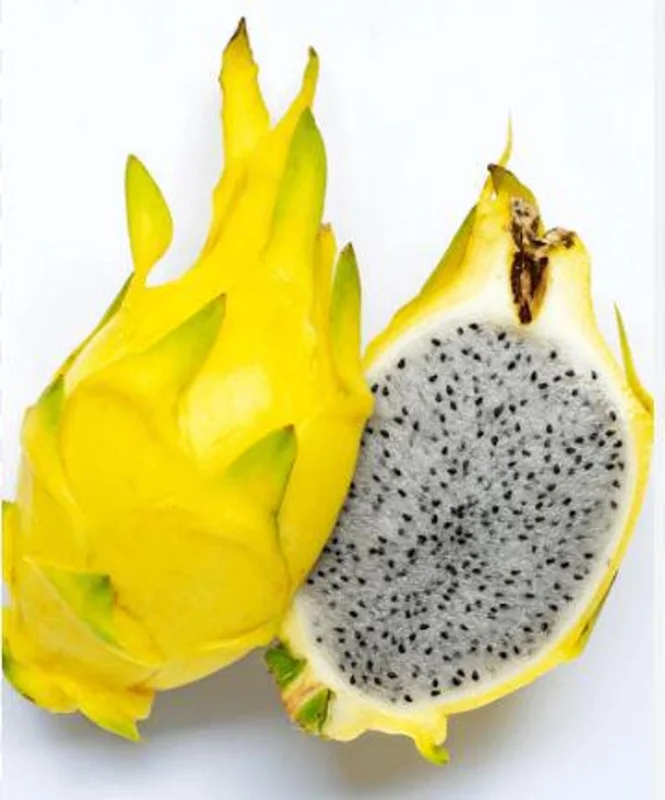
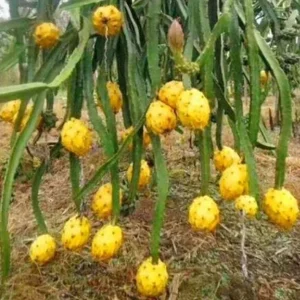
Cultivate your own exotic produce with this vibrant yellow dragon fruit live plant. Also known as yellow pitaya or Hylocereus megalanthus, this unique cactus-like vine produces some of the sweetest and most visually appealing dragon fruit varieties available. Originating from the tropical regions of South America, the yellow dragon fruit plant is a fascinating addition to any garden, whether you’re an experienced horticulturist or a budding enthusiast. Unlike its red-skinned counterparts, the yellow variety boasts a brighter, often spiny skin and remarkably sweet, white flesh speckled with tiny black seeds. This live plant offers an exciting opportunity to grow a truly distinctive and rewarding fruit at home.
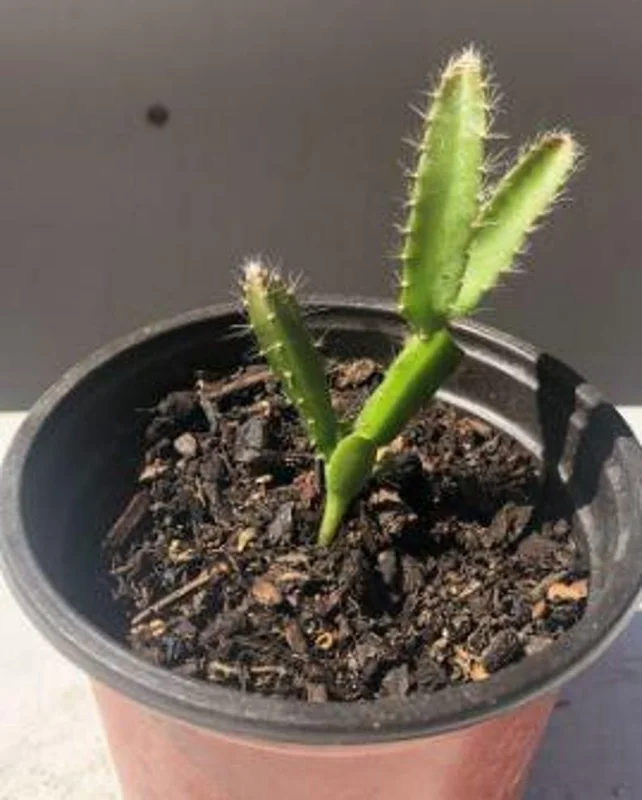
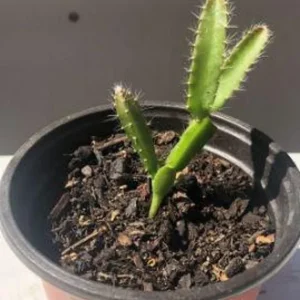
Our yellow dragon fruit live plant arrives in a convenient 4-inch nursery pot, providing a healthy, established start for you to transplant and nurture. Growing your own dragon fruit is a fulfilling experience, allowing you to enjoy fresh, organic fruit right from your backyard or patio. These plants are known for their striking nocturnal flowers and the eventual development of their unique, edible fruits. Bring a taste of the tropics to your home with this exceptional and productive plant.
Key Benefits
The yellow dragon fruit live plant offers a multitude of benefits, from its aesthetic appeal to the delicious fruit it produces. It’s more than just a plant; it’s an investment in a unique gardening experience and healthy eating.
- Exotic Fruit Production: Enjoy the incredibly sweet and juicy flavor of fresh yellow dragon fruit, often considered sweeter than the red varieties. Growing your own ensures you have access to organic, ripe fruit.
- Unique Ornamental Value: With its climbing, vining stems and large, fragrant nocturnal flowers, the plant itself is a striking ornamental feature, adding a tropical flair to your garden or patio.
- Nutritional Powerhouse: Dragon fruit is packed with antioxidants, vitamins (especially Vitamin C), and fiber, contributing to a healthy diet and supporting overall well-being.
- Relatively Low Maintenance: Once established, dragon fruit plants are surprisingly resilient and require less intensive care than many other fruit-bearing plants, making them suitable for various gardening skill levels.
- Container Friendly: This exotic fruit plant can thrive in large containers, making it ideal for patios, balconies, or indoor cultivation in colder climates, allowing you to move it as needed.
- Supports Wildlife: The large flowers attract nocturnal pollinators, contributing to local biodiversity and supporting the ecosystem.
- Conversation Starter: Its unusual appearance and delicious, rare fruit make the yellow dragon fruit a fantastic conversation piece and a source of pride for any gardener.
Plant Care & Growing Tips
Successful cultivation of your yellow dragon fruit live plant involves understanding its specific needs for light, water, and support. Dragon fruit (Hylocereus spp.) are epiphytic cacti, meaning they naturally grow on other plants or rocks, not in the soil. This influences their care requirements. They thrive in warm, humid environments and require a sturdy support structure, such as a trellis or post, to climb.
For sunlight, yellow dragon fruit plants prefer full sun, ideally 6-8 hours of direct sunlight per day. In extremely hot climates, some afternoon shade can prevent scorching. If growing indoors, place it near a south-facing window or under powerful grow lights. Watering should be consistent but allow the top 1-2 inches of soil to dry out between waterings. Overwatering can lead to root rot, so ensure excellent drainage. During winter, reduce watering. The ideal soil is well-draining, slightly acidic to neutral (pH 6.0-7.0), and rich in organic matter. A good mix would be a cactus blend amended with compost. For optimal growth, fertilize every 2-3 months during the growing season (spring to fall) with a balanced, slow-release fertilizer or a liquid feed with a higher phosphorus content to encourage flowering and fruiting. These plants are generally hardy in USDA zones 9-11. In colder zones, they must be brought indoors when temperatures drop below 40°F (4°C).
Pruning is essential for managing growth and promoting fruit production. Once the plant reaches the top of its support, allow it to branch out and hang down. This encourages fruiting. Remove any dead, damaged, or overly crowded stems. Regular inspection for pests like aphids or mealybugs and addressing them promptly will keep your dragon fruit plant care routine effective. Understanding how to grow dragon fruit successfully involves providing the right environment and consistent, attentive care.
Size & Details
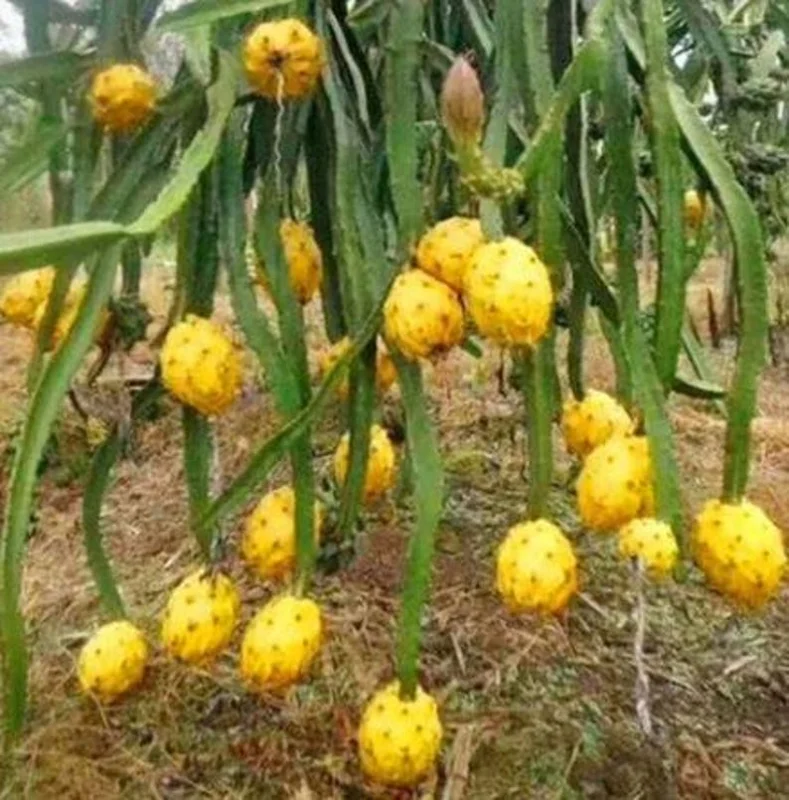
This offering is for one yellow dragon fruit live plant, shipped in a 4-inch nursery pot. At the time of shipment, the plant will typically be 6-12 inches tall, consisting of several healthy, established stem segments. Dragon fruit are fast growers and, with proper support, can quickly reach mature sizes of 10-20 feet in length, though they are often pruned to a more manageable height of 5-8 feet for easier harvesting. The plant is a vining cactus that requires a sturdy trellis or post to climb as it matures. Expect it to begin producing fruit within 1-3 years under ideal growing conditions, with flowers appearing at night and fruits developing over several weeks.
The plant will arrive with its root ball intact and some soil, ready for immediate transplanting into a larger pot or your garden. Its vigorous growth habit means you’ll soon see new growth, especially during warmer months. The mature fruit typically weighs between 0.5 to 1.5 pounds and ripens to a bright yellow color with small, edible spines that are easily rubbed off when ripe.
Frequently Asked Questions
- Q: How big does this plant get and what size pot does it come in? A: This yellow dragon fruit live plant is shipped in a 4-inch nursery pot. With proper support and care, it can grow quite large, reaching lengths of 10-20 feet, but can be maintained at 5-8 feet with pruning.
- Q: Is this an indoor or outdoor plant? How much sunlight does it need? A: It can be grown both indoors and outdoors. It thrives in full sun, needing 6-8 hours of direct sunlight daily. In colder climates (below USDA Zone 9), it should be grown in a container and brought indoors during winter.
- Q: Is this plant easy to care for? Is it good for beginners? A: Dragon fruit plants are relatively easy to care for once established, making them a good choice for adventurous beginners. The main requirements are plenty of sun, a sturdy support, and consistent, but not excessive, watering.
- Q: What condition will it arrive in? Is it shipped in soil? A: Your yellow dragon fruit live plant will arrive healthy, with its roots and base planted in a 4-inch nursery pot with soil, ensuring it’s ready for transplanting upon arrival.
- Q: How long until it blooms and produces fruit? A: Under optimal conditions, a young yellow dragon fruit plant can begin to flower and fruit within 1-3 years of planting. The large, fragrant flowers typically bloom at night.
- Q: What is the best way to support the plant as it grows? A: Dragon fruit is a climbing cactus, so it requires a strong support structure such as a sturdy wooden post (at least 4×4 inches) or a robust trellis. The plant will climb up and then cascade down, where it will produce fruit.
- Q: Will it survive winter in my zone? What’s the minimum temperature? A: This plant is best suited for USDA hardiness zones 9-11. It is sensitive to cold and should be protected or brought indoors when temperatures consistently drop below 40°F (4°C) to prevent damage.
- Q: Can I grow this plant in a container on my patio? A: Yes, the yellow pitaya plant is well-suited for container growing on patios or balconies, especially in colder regions where it needs to be moved indoors for winter protection. Ensure the container is large (at least 15-20 gallons for a mature plant) and has excellent drainage.
- Q: What kind of soil is best for this exotic fruit plant? A: A well-draining soil mix is crucial. A good quality cactus potting mix amended with some compost or organic matter works well. Ensure the soil allows water to pass through easily to prevent root rot.
- Q: What are the main differences between yellow dragon fruit and red dragon fruit? A: The primary differences are taste and appearance. Yellow dragon fruit is generally sweeter and has a more intense flavor than most red varieties. It also has yellow skin, often with small spines that rub off, whereas red dragon fruit has red or pink skin with leafy scales.


Reviews
There are no reviews yet.