Overview
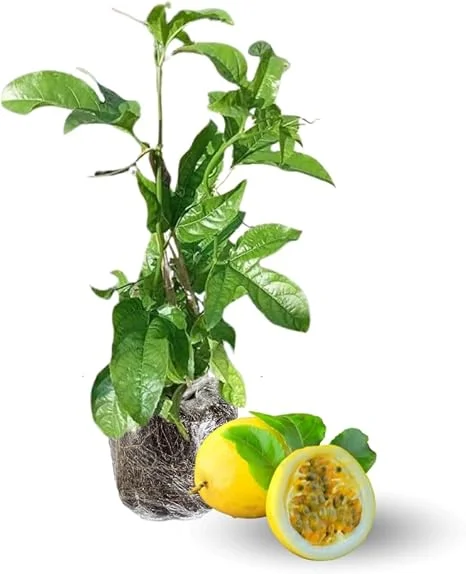
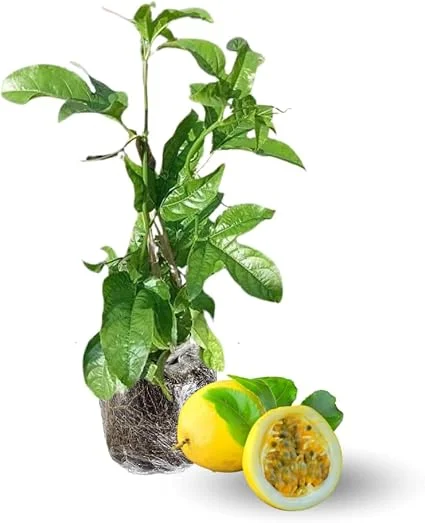
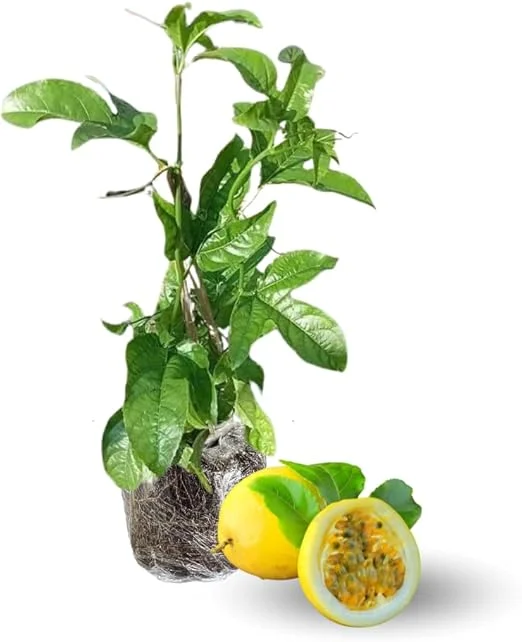
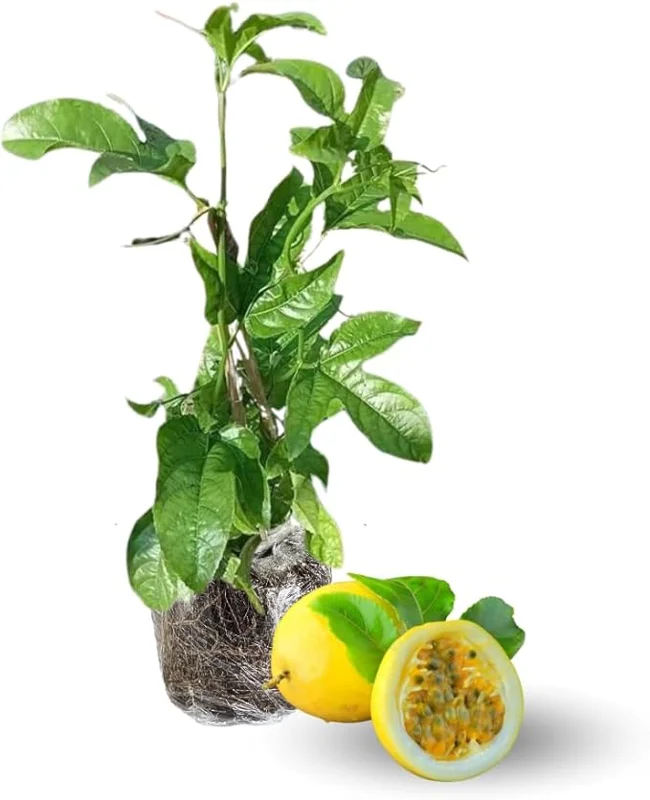
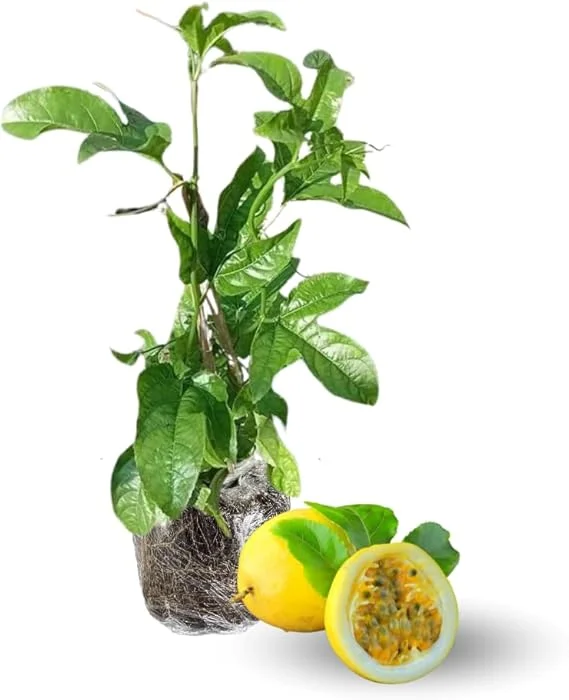
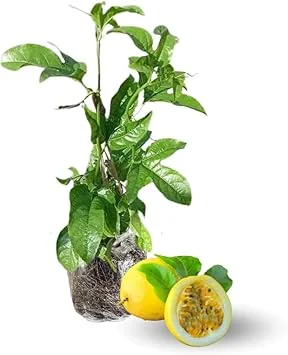
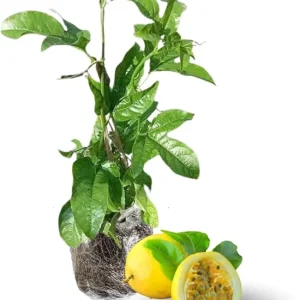
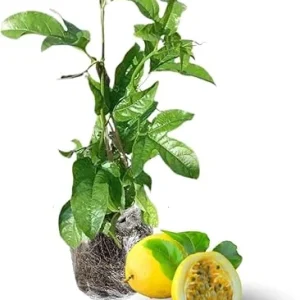
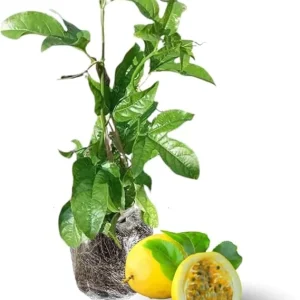
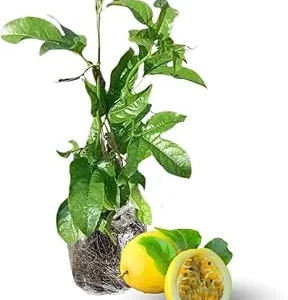
Experience the joy of growing your own exotic fruit with this vibrant yellow passion fruit live plant. This vigorous, fast-growing vine, scientifically known as Passiflora edulis flavicarpa, is celebrated for its delicious, aromatic fruit and beautiful, intricate flowers. Originating from tropical and subtropical regions, the yellow passion fruit vine is a fantastic addition to any outdoor garden, offering both ornamental beauty and a bountiful harvest. Perfect for training on trellises, fences, or arbors, this plant will transform your outdoor space into a lush, tropical paradise. Our 4-6 inch tall live plant arrives ready to thrive, eager to establish itself and begin producing its sweet and tangy treasures.
The yellow passion fruit is a highly sought-after variety, known for its larger size and more tart flavor compared to its purple counterparts, making it ideal for juices, desserts, and fresh eating. This edible passion fruit plant is a rewarding choice for gardeners looking to add a unique, productive, and visually appealing specimen to their collection. With proper care and the right conditions, you can look forward to a continuous supply of fresh passion fruit, straight from your own garden.
Key Benefits
Adding a yellow passion fruit live plant to your garden offers a multitude of benefits, from its stunning aesthetics to its culinary contributions. This plant is a true multi-tasker, providing both visual interest and delicious, healthful fruit.
- Delicious Edible Fruit: Enjoy a steady supply of sweet and tangy yellow passion fruit, perfect for fresh eating, juices, desserts, and cocktails. The unique flavor profile of the yellow passion fruit vine is a culinary delight.
- Beautiful Flowers: Adorn your garden with the exotic and intricate blossoms of the passion fruit plant. These striking flowers are not only visually captivating but also attract pollinators, enhancing your garden’s ecosystem.
- Vigorous Growth: This fast-growing vine quickly covers trellises, fences, and arbors, providing excellent natural shade and privacy for your outdoor living spaces. It’s an efficient way to add lush greenery.
- Rich in Nutrients: Passion fruit is packed with vitamins A and C, fiber, and antioxidants, contributing to a healthy diet directly from your backyard. Growing your own ensures the freshest possible produce.
- Tropical Garden Aesthetic: Create a vibrant, tropical ambiance in your garden with the lush foliage and exotic fruit of this plant. It’s an excellent choice for adding a touch of the tropics, even if you just grow yellow passion fruit in a container.
- Drought Tolerant: Once established, the yellow passion fruit plant exhibits good drought tolerance, making it a resilient choice for various climates, particularly in USDA zones 9-11.
- Versatile Planting: Ideal for gardens, large containers, or as a climbing specimen on trellises, this plant adapts well to different outdoor settings, making passion fruit plant care flexible.
Plant Care & Growing Tips
Proper passion fruit plant care is essential for a healthy and productive yellow passion fruit live plant. These tropical vines thrive in specific conditions that mimic their native environment. For optimal growth and fruit production, ensure your plant receives ample sunlight. It requires full sun exposure, meaning at least 6-8 hours of direct sunlight per day. Choose a location in your garden that is unshaded and receives consistent light throughout the day. In extremely hot climates, some afternoon shade can be beneficial to prevent leaf scorch, but generally, more sun equals more fruit.
Watering is crucial, especially during the plant’s establishment phase and during periods of active growth and fruiting. Keep the soil consistently moist but never waterlogged. Regular watering is preferred over infrequent deep soaks. Well-drained soil is paramount to prevent root rot. A sandy loam soil enriched with organic matter provides the best growing medium. A pH between 6.0 and 7.0 is ideal. Consider adding compost or well-rotted manure to improve soil structure and fertility. These plants are typically grown in USDA Hardiness Zones 9-11, where they can survive mild winters. In colder regions, they can be grown in containers and brought indoors during the winter months, making it possible to still grow yellow passion fruit.
Fertilize your yellow passion fruit vine regularly, particularly during the growing season. A balanced fertilizer (e.g., 10-5-20 or 6-8-12) with higher potassium content is beneficial for fruit development. Apply according to package directions, typically every 4-6 weeks. Pruning is also important for maintaining plant health and encouraging fruit production. Remove dead, diseased, or weak branches, and thin out overcrowded areas to improve air circulation. Training the vine on a trellis or support system is vital as it grows, providing the necessary structure for its climbing habit and making harvesting easier. Watch out for common pests like aphids and mites, and treat with organic insecticides if necessary.
Size & Details
This offering is for one yellow passion fruit live plant, which arrives approximately 4-6 inches tall, measured from the base of the root ball to the top of the foliage. These young plants are carefully nurtured to ensure they are healthy and ready for transplanting into your garden or a larger container. While the initial size is compact, this yellow passion fruit vine is a fast grower and will quickly establish itself, reaching lengths of 15-20 feet or more in a single growing season under ideal conditions. The plant is shipped in a nursery pot, ensuring its root system is protected during transit and ready for immediate planting upon arrival.
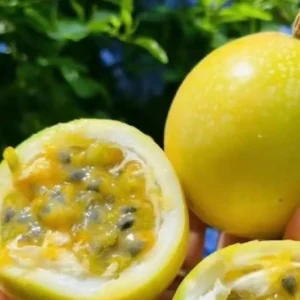
Expect your plant to begin blooming in summer, usually from late spring to early fall, with fruit ripening a few months after flowering. The exact timing can vary based on local climate and care. With proper passion fruit plant care, you can anticipate fruit production within 1-2 years of planting. The mature fruits are typically round to oval, 2-3 inches in diameter, with a bright yellow rind when ripe. This plant is suitable for outdoor cultivation in USDA Zones 9-11 and can be grown in containers in colder regions if brought indoors during winter.
Frequently Asked Questions
- Q: How big does this plant get? A: This yellow passion fruit live plant is a vigorous vine that can grow 15-20 feet or more in a single season. Its size is largely dependent on available support, pruning, and growing conditions.
- Q: Is this an indoor or outdoor plant? A: The yellow passion fruit is primarily an outdoor plant, thriving in full sun in USDA Zones 9-11. In colder climates, it can be grown in large containers and brought indoors during winter.
- Q: How much sunlight does it need? A: This yellow passion fruit vine requires full sun, meaning at least 6-8 hours of direct sunlight per day, for optimal growth and fruit production.
- Q: Is this plant easy to care for? A: With consistent watering, well-draining soil, and proper support, passion fruit plant care is relatively straightforward. It’s a rewarding plant for gardeners of all experience levels.
- Q: What condition will it arrive in? A: Your edible passion fruit plant will arrive as a healthy, live plant, approximately 4-6 inches tall, securely packaged in a nursery pot to protect its root system during shipping.
- Q: How long until it blooms and fruits? A: Under ideal conditions, your plant may begin to bloom in its first year, typically in summer. Fruit production usually follows within 1-2 years of planting.
- Q: Will it survive winter in my zone? A: This plant is cold-sensitive and thrives outdoors in USDA Hardiness Zones 9-11. In zones below 9, it will need winter protection or should be grown in a container to be moved indoors.
- Q: What is the best way to support the vine? A: The yellow passion fruit vine is a climber and will benefit from a strong trellis, arbor, fence, or other sturdy support structure to grow vertically and maximize fruit exposure to sunlight.
- Q: Can I grow yellow passion fruit in a pot? A: Yes, you can successfully grow yellow passion fruit in a large container (at least 15-20 gallons) with good drainage, especially if you live outside of its recommended hardiness zones.
- Q: What kind of soil is best for this plant? A: Well-drained, fertile soil rich in organic matter is ideal. A slightly acidic to neutral pH (6.0-7.0) is preferred for the best growth and fruit yield.


Reviews
There are no reviews yet.