Overview
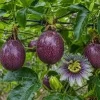
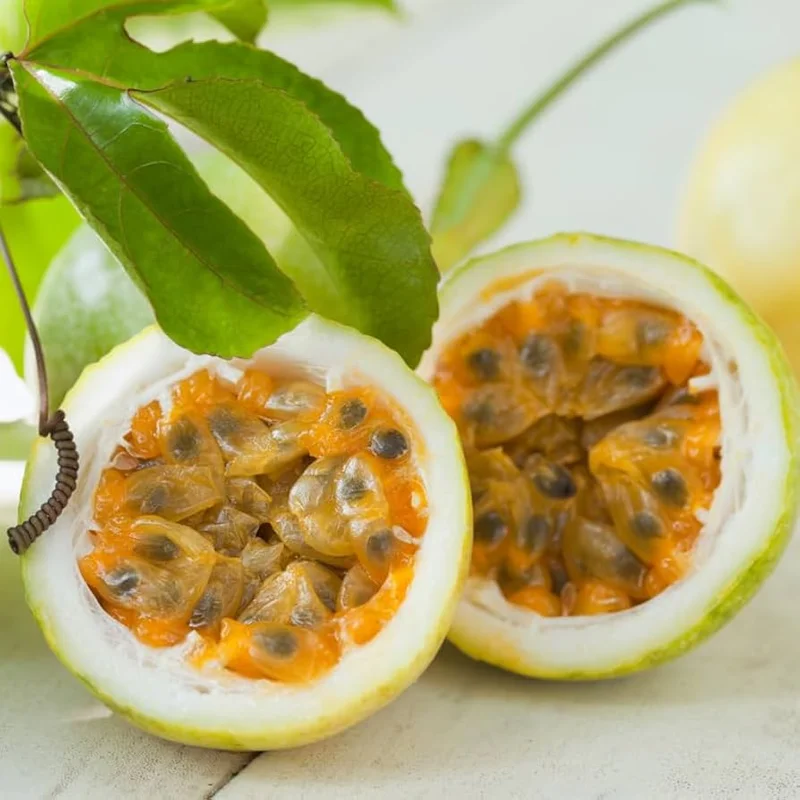
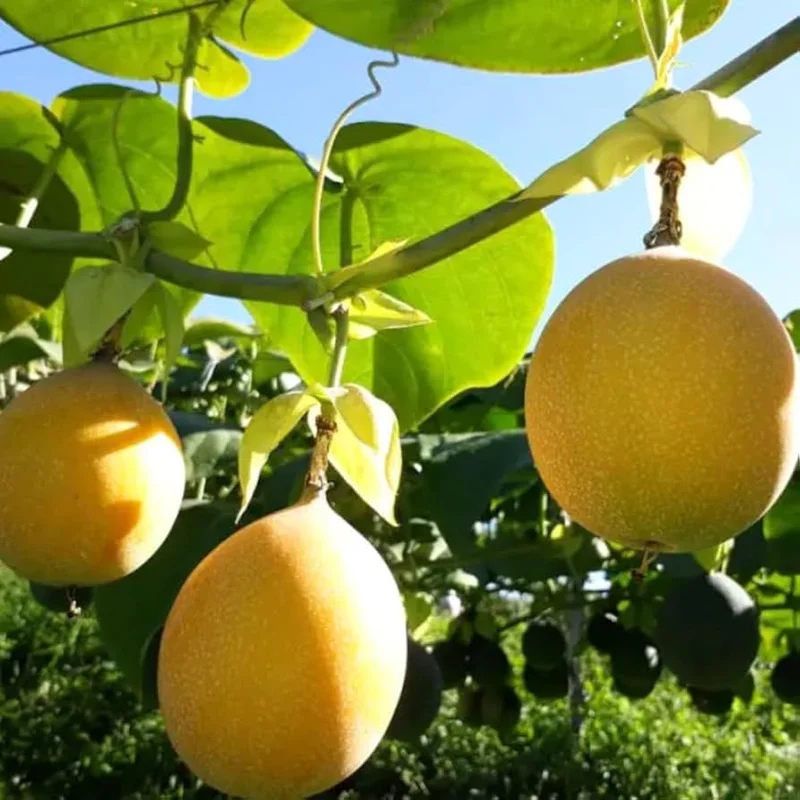
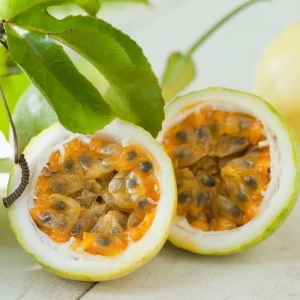
Cultivate your own exotic flavors with the yellow passionfruit live plant, a vigorous vine known for its delicious and aromatic fruits. This particular specimen stands 4-6 inches tall, making it an ideal starter plant for gardeners eager to grow tropical produce. Scientifically known as Passiflora edulis flavicarpa, the yellow passionfruit is a cultivar of the common passion fruit, distinguished by its larger, often brighter yellow fruits and a more tart, yet incredibly fragrant, pulp. Originating from South America, this climbing vine thrives in warm climates and is a fantastic addition to any garden or patio, providing both ornamental beauty with its intricate flowers and the rewarding experience of harvesting your own tropical fruit. Discover how to grow passionfruit successfully with our comprehensive guide.
Key Benefits
Adding a yellow passionfruit live plant to your garden offers numerous advantages, from its aesthetic appeal to its culinary contributions. This plant is not just a source of food; it’s a dynamic addition that enhances your outdoor space.
- Delicious Edible Fruit: Enjoy a consistent supply of fresh, tangy yellow passion fruits, perfect for juices, desserts, sauces, or eating fresh. Each fruit is packed with a unique tropical flavor that elevates any dish.
- Stunning Ornamental Flowers: Before the fruit appears, the vine produces intricate, showy flowers with striking purple and white patterns, adding a beautiful, exotic touch to your garden. These blooms are a conversation starter and attract pollinators.
- Vigorous Growth & High Yield: Once established, this vine grows rapidly, quickly covering trellises, fences, or pergolas, providing ample shade and a bountiful harvest of fruit. It’s a rewarding plant for those looking for substantial yields.
- Rich in Nutrients: Passion fruit is a good source of vitamins A and C, fiber, and antioxidants, contributing to a healthy diet. Growing your own ensures you have access to fresh, nutrient-dense produce.
- Attracts Pollinators: The vibrant flowers are a magnet for bees and other beneficial pollinators, supporting local ecosystems and encouraging biodiversity in your garden. This makes it an excellent choice for a biodiversity-friendly garden.
- Versatile Use in Landscaping: Beyond fruit production, the edible passion fruit plant can be used to create living screens, add vertical interest, or provide shade, making it a functional and beautiful landscaping choice.
Plant Care & Growing Tips
Caring for your yellow passionfruit live plant is relatively straightforward, especially when provided with the right conditions. This tropical vine thrives in warm, sunny environments and requires consistent attention to produce its best fruit. For optimal growth, plant your passionfruit in a location that receives at least 6-8 hours of direct sunlight daily. While it can tolerate some partial shade, full sun encourages better flowering and fruiting. Ensure the soil is well-draining and rich in organic matter. A slightly acidic to neutral pH (6.0-7.0) is ideal. When planting, incorporate compost or well-rotted manure to boost soil fertility.
Watering is crucial, especially during dry spells and when the plant is actively fruiting. Keep the soil consistently moist but never waterlogged, as this can lead to root rot. Deep watering encourages a strong root system. Fertilize your passiflora edulis flavicarpa every 4-6 weeks during the growing season (spring through fall) with a balanced fertilizer high in phosphorus and potassium to promote flowering and fruiting. Pruning should be done in late winter or early spring to remove dead or weak growth and to manage the vine’s size and shape. Provide a sturdy trellis, arbor, or fence for the vine to climb, as it can grow quite large. Protect young plants from strong winds. In colder climates, consider growing it in a container that can be moved indoors during winter.
Size & Details
This offering is for one yellow passionfruit live plant, standing approximately 4-6 inches tall from the base of the soil to the top of the foliage. It ships as a young, actively growing plant, typically rooted in a small nursery pot, ready for transplanting into a larger container or directly into your garden. Passionfruit vines are fast growers and can quickly reach lengths of 15-20 feet or more in a single season once established, given adequate support. Expect the plant to start producing fruit within 1-2 years under ideal growing conditions. The fruits themselves are typically round to oval, 2-3 inches in diameter, and ripen to a vibrant yellow color, indicating their readiness for harvest. This tropical fruit vine promises a rewarding journey from young plant to abundant harvest.
Frequently Asked Questions
- Q: How big does this passion fruit plant get? A: This particular plant starts at 4-6 inches tall. Once established, the vine can grow quite vigorously, reaching lengths of 15-20 feet or more in a single season, quickly covering a trellis or arbor.
- Q: Is this an indoor or outdoor plant? A: The yellow passionfruit live plant is primarily an outdoor plant, thriving in warm, sunny climates. In USDA zones 9-11, it can be grown outdoors year-round. In colder zones, it can be grown in a container and brought indoors during winter.
- Q: How much sunlight does it need? A: Passionfruit vines require at least 6-8 hours of direct sunlight per day for optimal growth and fruit production. While it can tolerate some partial shade, full sun is highly recommended.
- Q: Is this plant easy to care for? A: Yes, once established, the edible passion fruit plant is relatively easy to care for. It primarily needs consistent watering, ample sunlight, a good support structure, and regular fertilization during its growing season.
- Q: What condition will it arrive in? A: Your yellow passionfruit live plant will arrive as a healthy, actively growing young plant, typically rooted in a small nursery pot, carefully packaged to ensure its safe journey.
- Q: How long until it blooms and produces fruit? A: Under ideal conditions, a young passionfruit vine can begin to flower and set fruit within 1 to 2 years of planting. The exact timing can vary based on growing conditions and care.
- Q: What’s the best way to support the vine as it grows? A: Passionfruit is a climbing vine, so it absolutely needs a sturdy support structure. A trellis, arbor, fence, or even a strong wire structure will allow it to climb and spread, ensuring good air circulation and fruit development.
- Q: Can I use the fruit in cooking? A: Absolutely! The yellow passionfruit is highly valued for its tart, aromatic pulp, which is perfect for making juices, jams, jellies, desserts, and even savory sauces. It’s a versatile ingredient in many tropical recipes.
- Q: What kind of soil does this plant prefer? A: This plant thrives in well-draining soil that is rich in organic matter. A slightly acidic to neutral pH (6.0-7.0) is ideal. Amending with compost or well-rotted manure before planting is beneficial.
- Q: Will it survive winter in my zone? A: The passiflora edulis flavicarpa is best suited for USDA zones 9-11, where it can tolerate mild winters. In colder zones, it must be protected from frost, either by bringing container-grown plants indoors or providing significant winter protection for in-ground plants.


Reviews
There are no reviews yet.