Overview
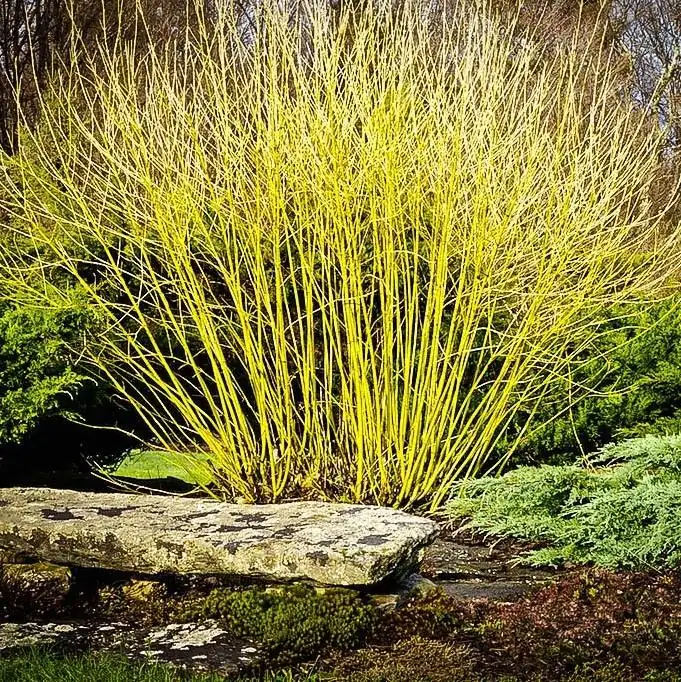
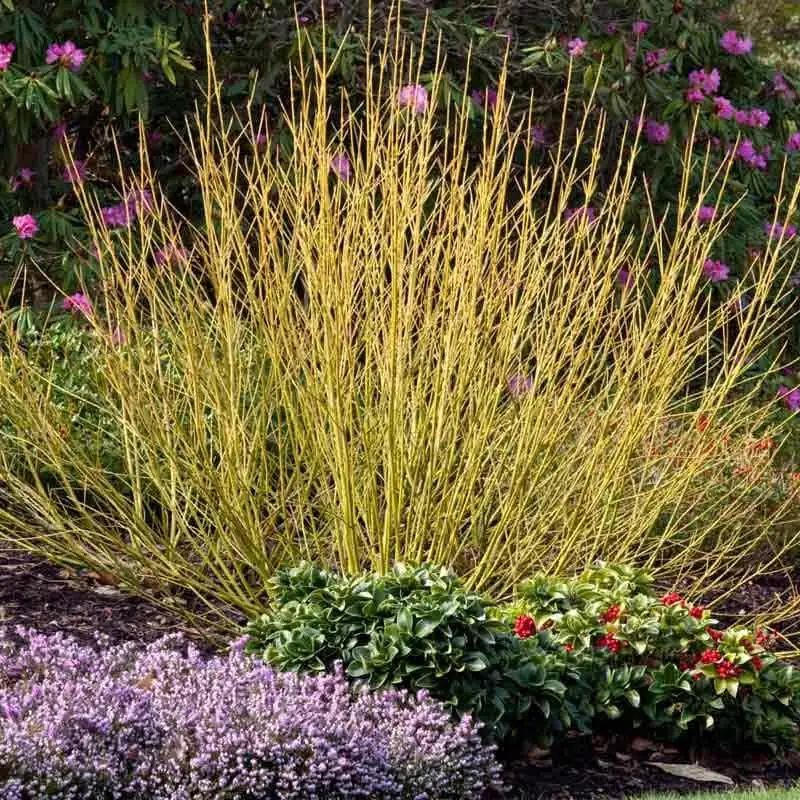
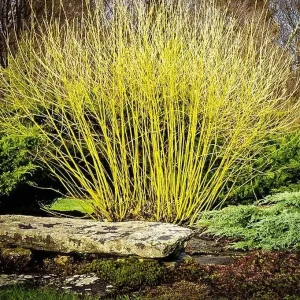
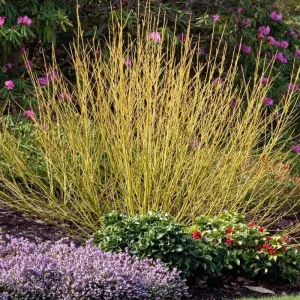
Transform your garden with the stunning seasonal interest of the yellow twig dogwood bareroot. This unique cultivar, scientifically known as Cornus sericea ‘Lutea’ or commonly as Cornus Lutea plant, is a deciduous flowering shrub renowned for its luminous greenish-yellow stems. These multi-stemmed plants offer a dramatic visual display, particularly in the cooler months when the bright, golden stems truly stand out against a snowy or dormant landscape. Growing to a mature height of 5 to 6 feet, this dogwood variety is a rapid grower, quickly establishing itself to provide both aesthetic appeal and practical benefits to your outdoor space. Unlike its red-stemmed relatives, the ‘Lutea’ variety brings a cheerful, sunny hue to garden designs, making it a focal point in any setting. This offering includes 3 healthy bareroot plants, ready for planting and establishment in your garden.
The genus name, Cornus, derives from the Latin word ‘cornu’, signifying horn, a testament to the wood’s remarkable hardness. The species name, sericea, is Latin for silky, referring to the delicate hairs found on the twigs and upper leaf surfaces. This combination of robust growth and delicate texture makes the golden stem dogwood a fascinating addition to any plant collection. Its adaptability and striking appearance make it a favorite among landscapers and home gardeners alike, promising a dynamic and colorful presence throughout the year.
Key Benefits
The yellow twig dogwood bareroot offers a multitude of benefits that make it an exceptional choice for various garden applications. Its ornamental value extends beyond just its unique stem color, providing interest across all four seasons. Discover why this shrub is a must-have for your landscape:
- Vibrant Year-Round Color: The most prominent feature is its brilliant greenish-yellow stems during spring and summer, which intensify to a golden hue in fall and winter, offering unparalleled visual interest when other plants are dormant.
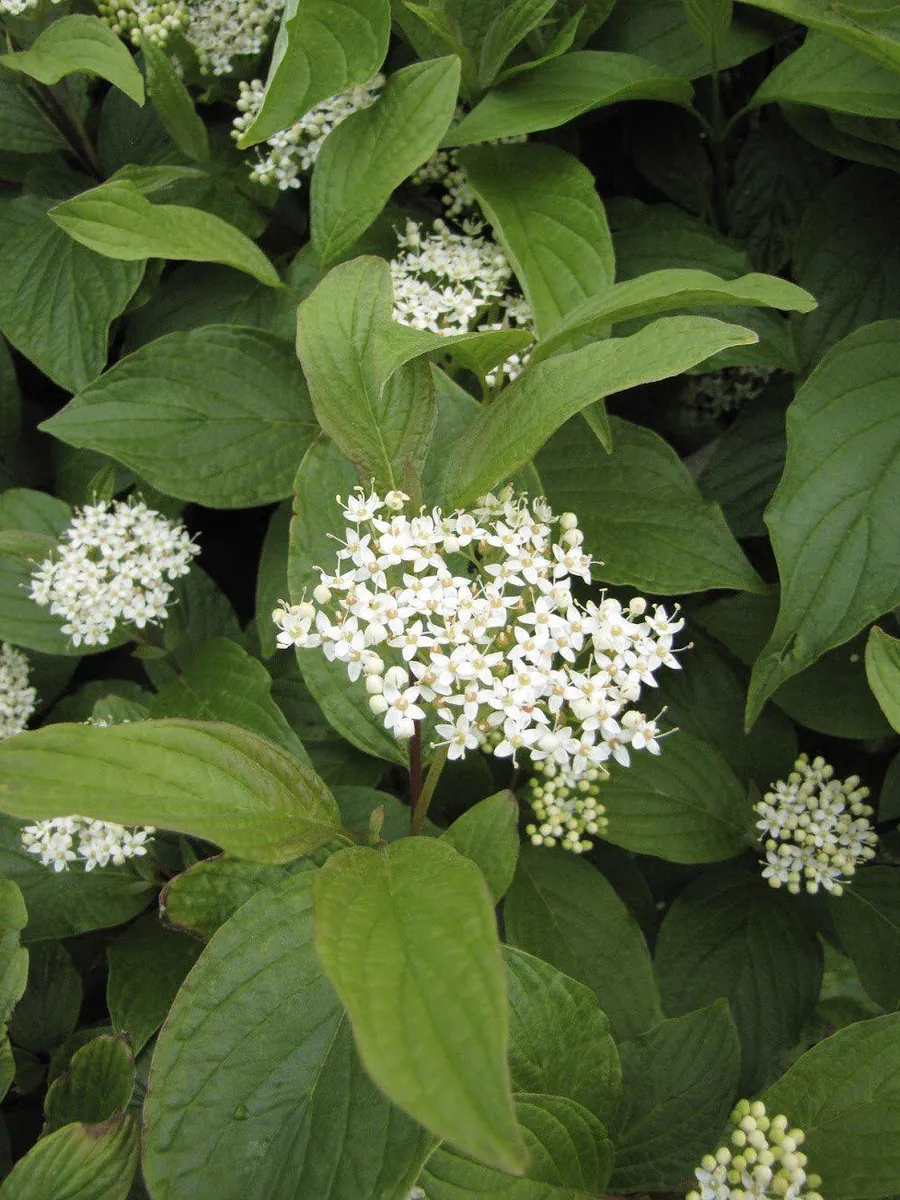
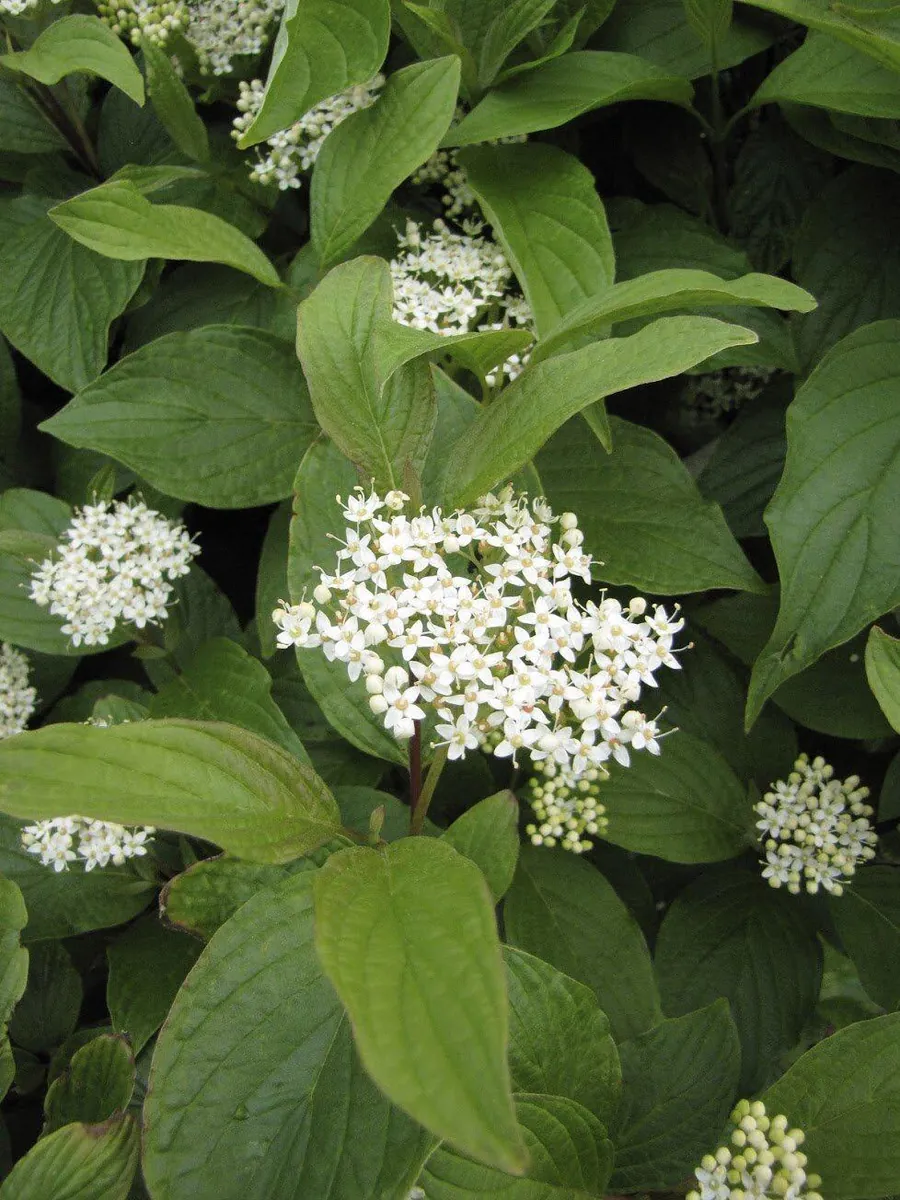
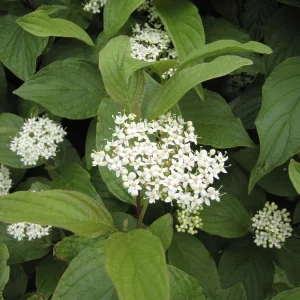
- Attractive Foliage and Flowers: Dark green, ovate leaves transition to striking reddish-orange in autumn. In late spring, clusters of creamy-white flowers emerge, adding a delicate touch to the vibrant stems.
- Wildlife Attractor: The creamy-white flowers are a magnet for butterflies, aiding in pollination, while the subsequent bluish-tinged white berries provide a vital food source for birds and small mammals.
- Excellent for Erosion Control: With its spreading root system, the Cornus Lutea plant is an ideal choice for stabilizing slopes and banks, effectively preventing soil erosion in critical areas.
- Tolerant and Resilient: This adaptable shrub thrives in a variety of conditions, tolerating clay soil, wet soil, and even deer browsing, making it a robust and low-maintenance option for many gardens.
- Versatile Landscape Use: Perfect as a specimen plant to highlight its unique color, or planted en masse in naturalized areas for a breathtaking display. It’s also an excellent choice for winter gardens.
- Easy Propagation: The plant can be readily reproduced from hardwood cuttings and freely spreads via suckers, allowing for easy expansion of your collection or sharing with fellow gardeners.
Plant Care & Growing Tips
Cultivating a thriving yellow twig dogwood bareroot is relatively straightforward, thanks to its adaptable nature. To ensure optimal growth and the most vibrant stem color, understanding its basic needs is crucial. This shrub can be planted in a location receiving full sun to part shade. Full sun exposure (at least 6 hours of direct sunlight per day) will generally lead to the most intense stem coloration, which is a key ornamental feature. While tolerant of various conditions, it prefers organically rich and consistently moist, well-drained soils. Avoid excessively dry conditions, especially during establishment. Although it tolerates clay soil and wet soil, excellent drainage is always beneficial for long-term health.
Regular watering is important, particularly during dry spells and in its first year of establishment. Once mature, it has moderate water needs but will appreciate consistent moisture. The golden stem dogwood is hardy in USDA zones 3-8. In hotter summer climates, it may be more susceptible to disease, so providing some afternoon shade in these regions can be beneficial. Fertilization can be done in early spring with a balanced, slow-release granular fertilizer to support vigorous growth. Pruning is essential not only to maintain the plant’s shape but, more importantly, to encourage the brightest stem color. The most vivid colors are found on young, new stems, so an annual pruning of about one-third of the oldest stems to the ground in late winter or early spring will promote a continuous display of vibrant color. This practice also helps maintain a healthy, vigorous plant and encourages new growth.
While generally robust, monitoring for common shrub pests and diseases is always a good practice. Good air circulation and proper watering techniques can prevent many issues. The plant’s tolerance to deer makes it a good option in areas where deer browsing is a concern. Its spreading nature means it can form thickets over time, providing excellent dogwood for erosion control on slopes and banks. Understanding these care requirements will help you enjoy the beauty of your Cornus Lutea plant for many years.
Size & Details
This offering includes 3 bareroot yellow twig dogwood plants, ready for planting. Bareroot plants are dormant plants shipped without soil around their roots, which allows for easier and more economical shipping and often results in robust growth once established. Upon arrival, the roots should be kept moist until planting. These plants have a rapid growth rate, quickly establishing themselves in the garden. When mature, the golden stem dogwood typically reaches a height of 5 to 6 feet with a similar spread, forming a multi-stemmed shrub. The vibrant stems are the plant’s primary ornamental feature, especially noticeable during the dormant season.
The shrub’s spreading root system contributes to its effectiveness as dogwood for erosion control. It will begin to produce its characteristic greenish-yellow stems in its first growing season, with the intense golden color becoming more pronounced as the plant matures and new growth is encouraged through pruning. Expect creamy-white flowers in late spring, followed by bluish-tinged white berries. These bareroot plants offer an economical and efficient way to introduce this beautiful and beneficial shrub into your landscape.
Frequently Asked Questions
- Q: How big does this plant get? A: The yellow twig dogwood bareroot matures to a height of 5 to 6 feet with a similar spread, forming a multi-stemmed shrub. Its rapid growth rate means it will establish quickly and reach its mature size within a few years with proper care.
- Q: How much sunlight does it need? A: This Cornus Lutea plant thrives in full sun to part shade. For the most vibrant golden stem color, aim for at least 6 hours of direct sunlight per day. Some afternoon shade is beneficial in hotter climates to prevent stress.
- Q: Is this plant easy to care for? A: Yes, the golden stem dogwood is considered a low-maintenance and resilient shrub. It tolerates various soil conditions, including wet and clay soils, and is deer resistant. Regular pruning is key to maintaining vibrant stem color.
- Q: What condition will it arrive in? A: Your order will contain 3 dormant yellow twig dogwood bareroot plants, meaning they are shipped without soil around their roots. This is a common and effective way to ship deciduous plants, allowing them to establish quickly once planted.
- Q: When is the best time to plant? A: Bareroot plants are best planted in early spring, as soon as the soil can be worked, or in the fall after the leaves have dropped. This allows the plant time to establish its root system before the stress of summer heat or deep winter cold.
- Q: Will it survive winter in my zone? A: The yellow twig dogwood bareroot is hardy in USDA Zones 3-8, making it suitable for a wide range of climates across the United States. It is well-adapted to cold winters, with its golden stems providing winter interest.
- Q: Can this plant be used for erosion control? A: Absolutely. The golden stem dogwood has a vigorous, spreading root system that makes it an excellent choice for stabilizing slopes and banks, providing effective dogwood for erosion control in challenging landscapes.
- Q: What type of soil does it prefer? A: While adaptable, the Cornus Lutea plant prefers organically rich, consistently moist, and well-drained soils. It can tolerate clay and wet soils, but good drainage is always recommended for optimal health.
- Q: How often should I prune for best stem color? A: To encourage the brightest golden stem color, prune about one-third of the oldest stems to the ground in late winter or early spring each year. This promotes new growth, which displays the most intense coloration.
- Q: Does it attract wildlife? A: Yes, the creamy-white flowers attract butterflies for pollination, and the bluish-tinged white berries that follow are a food source for birds and small mammals, adding ecological value to your garden.


Reviews
There are no reviews yet.