Overview
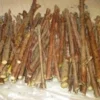
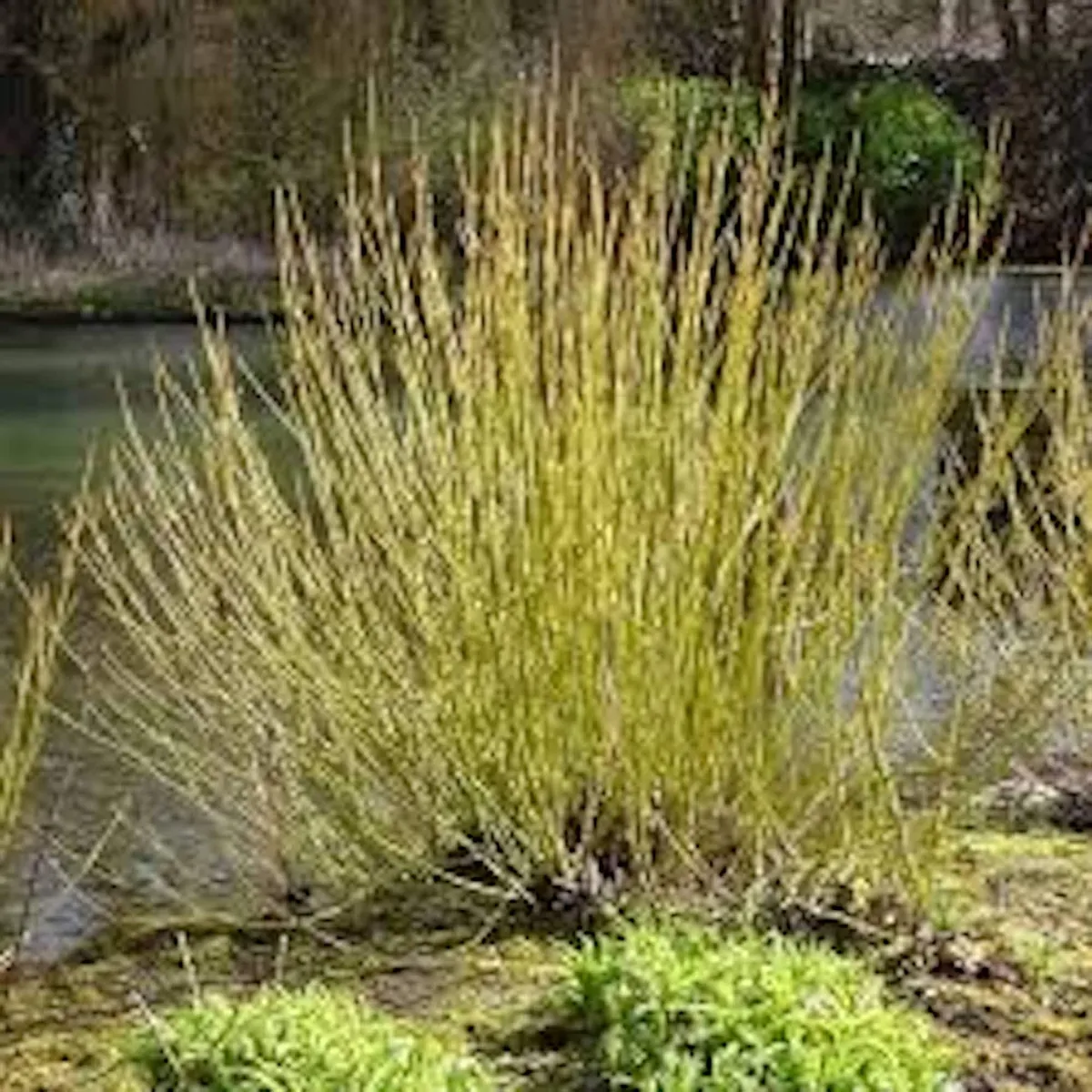
Introduce a burst of color and year-round interest to your garden with the spectacular yellow twig dogwood shrub, scientifically known as Cornus sericea ‘Flaviramea’. This deciduous shrub is highly prized for its brilliant yellow stems, which become particularly eye-catching during the drab winter months, offering a stunning contrast against snow or evergreens. As a live starter shrub, this plant is ready to establish itself in your landscape, growing into a mature specimen that provides beauty through every season. The cornus sericea flaviramea is a versatile and resilient native North American plant, known for its adaptability and relatively low-maintenance care requirements. Its unique visual appeal makes it a favorite for gardeners looking to add dynamic texture and color to their outdoor spaces.
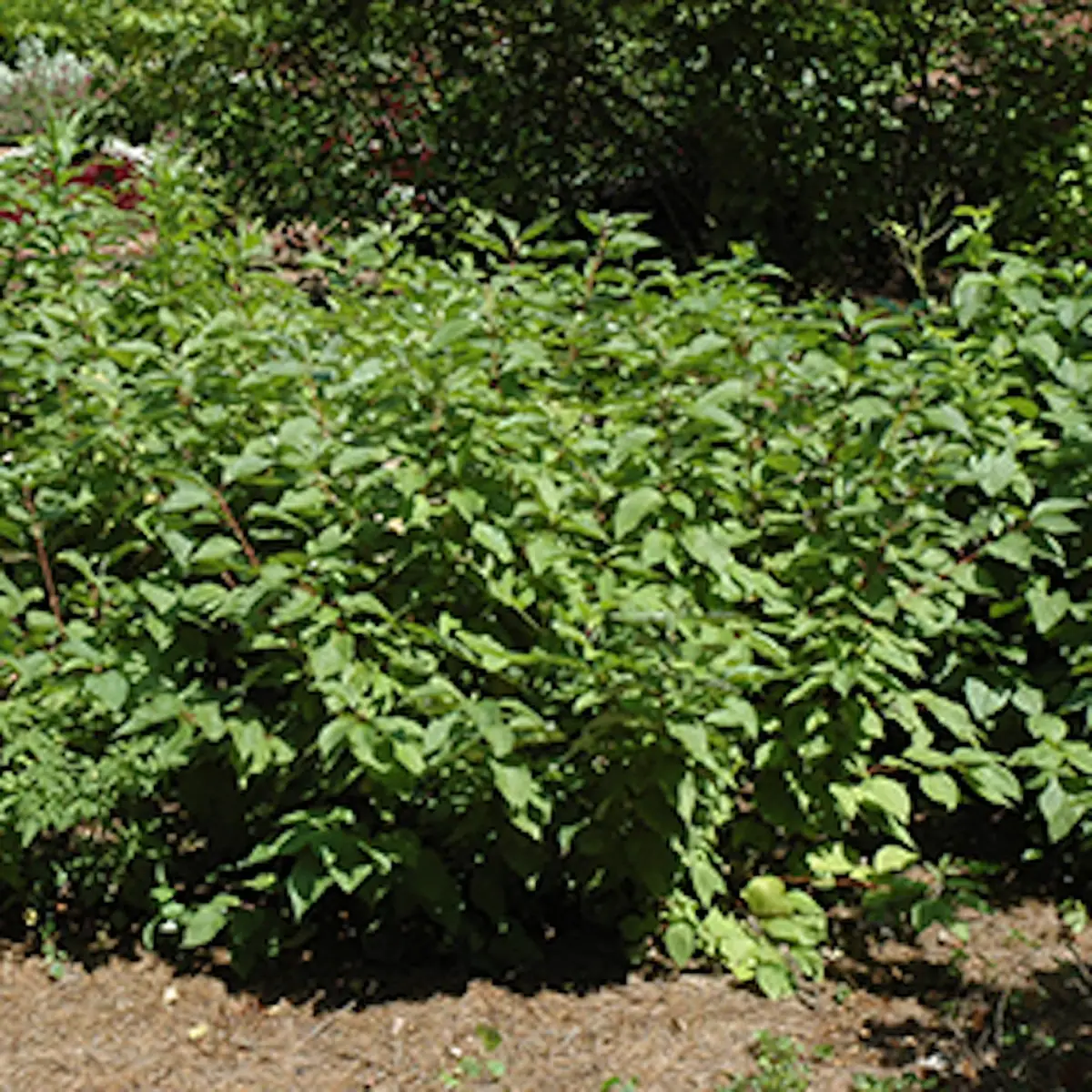
During spring and summer, the yellow twig dogwood shrub showcases lush green foliage, which then transitions into attractive hues in the fall before dropping to reveal the vibrant yellow stems that are its signature winter feature. This plant is not just about winter aesthetics; it’s a four-season performer that continuously adds value to your garden design. Whether used as a specimen plant, in mass plantings, or along a border, its distinct characteristics make it a standout choice for any landscape. This offering is for a healthy yellow twig dogwood plant, typically 12-24 inches tall, ready to thrive in its new environment.
Key Benefits
The yellow twig dogwood shrub offers a multitude of benefits for any garden, making it a highly desirable plant:
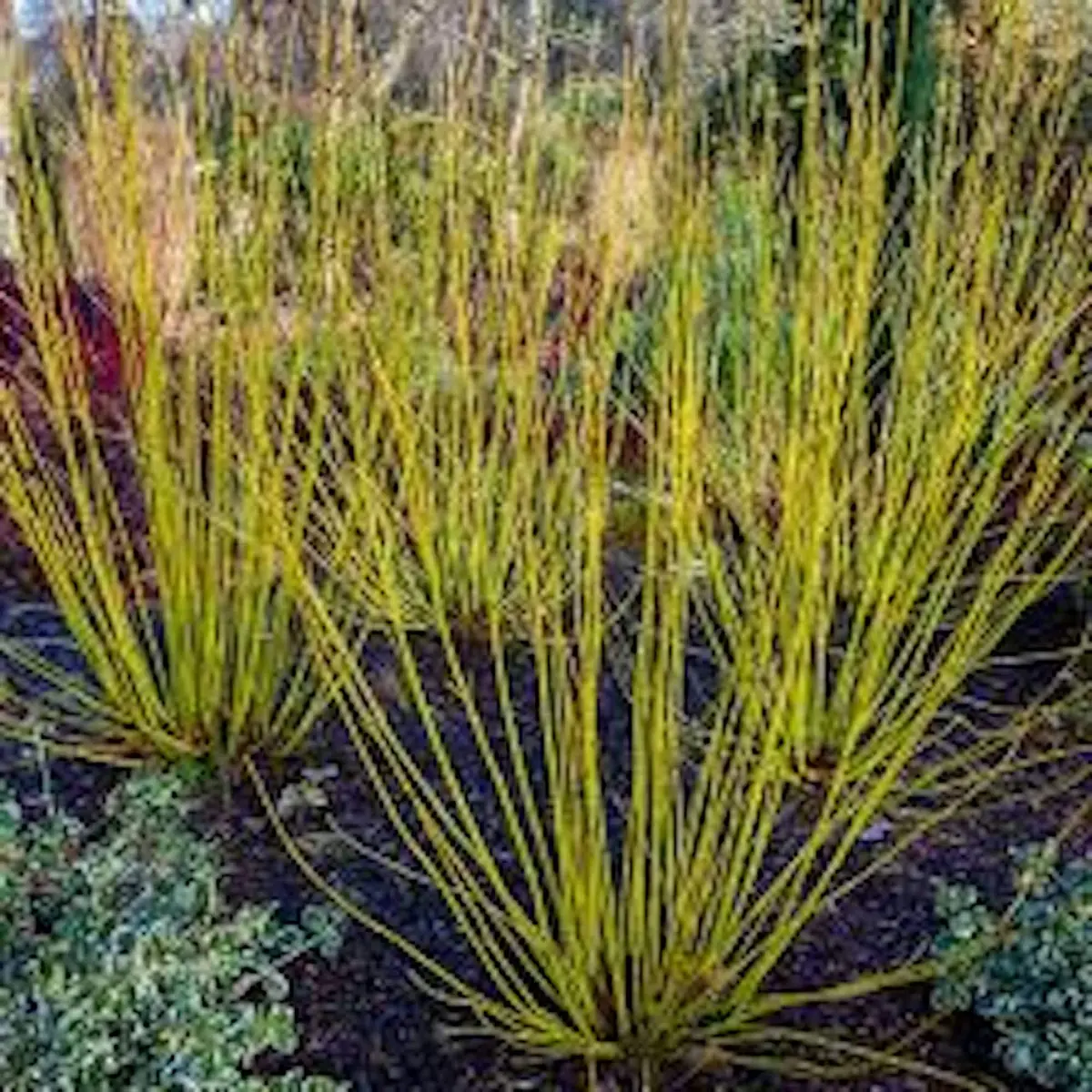
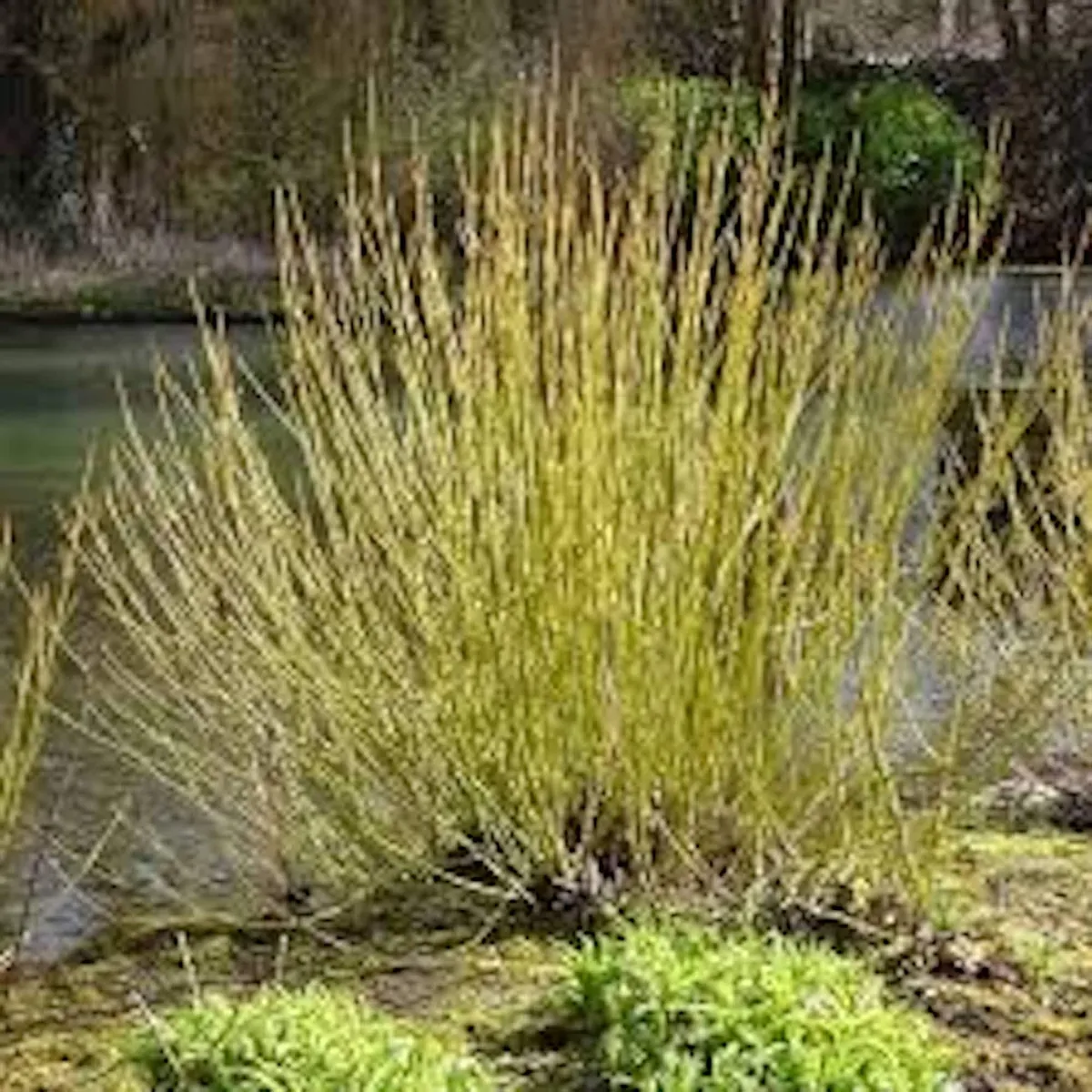
- Year-Round Visual Interest: Unlike many plants that lose their appeal after flowering, this dogwood provides beauty throughout all four seasons. Its bright yellow stems are a particular highlight during winter, offering a much-needed splash of color in a dormant landscape.
- Vibrant Winter Stems: The most striking feature of the cornus sericea flaviramea is its brilliant yellow stems, which intensify in color as temperatures drop. This makes it an excellent choice for adding structure and color to winter gardens.
- Adaptable & Hardy: This native North American shrub is incredibly resilient and can adapt to a wide range of growing conditions, including wet soils, making it suitable for various garden settings and challenging areas.
- Low Maintenance: Once established, the yellow dogwood plant requires minimal care, making it an ideal choice for both experienced and novice gardeners. It’s a robust plant that generally resists pests and diseases.
- Attractive Foliage & Fall Color: Beyond its winter stems, the shrub features attractive green leaves in spring and summer, which transform into beautiful fall colors, adding another layer of seasonal interest.
- Wildlife Attraction: The flowers and berries produced by Cornus sericea can attract birds and other wildlife, contributing to the biodiversity of your garden space.
- Erosion Control: Due to its extensive root system, the native dogwood shrub can be effective in preventing soil erosion, especially in moist or sloped areas.
Plant Care & Growing Tips
Caring for your yellow twig dogwood shrub is relatively straightforward, ensuring it thrives and displays its vibrant colors. This plant prefers a location with full sun to partial shade. For the most intense yellow stem color, aim for at least 6 hours of direct sunlight per day. While adaptable, it performs best in moist, well-draining soil. It is particularly tolerant of wet conditions, making it an excellent choice for rain gardens or areas with poor drainage. The ideal pH for the cornus sericea flaviramea is slightly acidic to neutral.
Watering should be consistent, especially during dry spells and in its first year of establishment. Ensure the soil remains consistently moist but not waterlogged. Once established, it can tolerate some drought, but regular watering will promote healthier growth and more vibrant stems. Fertilize in early spring with a balanced, slow-release granular fertilizer, following the product’s instructions. Pruning is key to maintaining the vivid yellow stem color. The brightest color appears on new growth, so prune out about one-third of the oldest, dullest stems down to the ground each late winter or early spring. This rejuvenation pruning encourages fresh, colorful new shoots. The yellow dogwood plant is hardy in USDA zones 3-7.
Watch for common issues like powdery mildew in humid conditions, which can be managed with good air circulation and appropriate fungicides if necessary. Pests are generally not a significant problem for this robust native dogwood shrub. Proper siting and care will ensure your plant remains healthy and continues to provide stunning winter interest.
Size & Details
This offering is for a single yellow twig dogwood shrub, known botanically as Cornus sericea ‘Flaviramea’, supplied as a live starter plant. The plant typically measures between 12-24 inches tall upon arrival, providing a good foundation for establishing in your garden. It is shipped as a bare root plant without a pot, which is an effective and common method for shipping deciduous shrubs, ensuring the plant is dormant and ready for transplanting. When mature, the yellow twig dogwood plant can reach a height of 6-10 feet and a similar spread, forming a dense, multi-stemmed shrub. Its growth rate is moderate, allowing it to establish and fill out your landscape within a few seasons.
Expected time to maturity, where it reaches its full size and displays the most vibrant winter stem color, is typically 3-5 years with proper care. The plants are carefully prepared for shipping to ensure they arrive in optimal condition, ready for immediate planting. This particular variety is celebrated for its consistent and striking yellow coloration throughout the dormant season, making it a valuable addition for continuous garden appeal. The winter interest shrub will provide years of beauty.
Frequently Asked Questions
- Q: How big does this yellow twig dogwood shrub get? A: A: The yellow twig dogwood shrub typically grows to a mature height and spread of 6-10 feet, forming a multi-stemmed plant. It has a moderate growth rate, reaching its mature size within a few years.
- Q: Is this an indoor or outdoor plant? A: This is an outdoor plant, perfectly suited for garden landscapes in USDA Hardiness Zones 3-7. It is not designed to be grown indoors.
- Q: How much sunlight does the cornus sericea flaviramea need? A: For the best stem color and overall health, the cornus sericea flaviramea prefers full sun (at least 6 hours of direct sunlight) to partial shade. More sun generally leads to more vibrant yellow stems.
- Q: Is this yellow dogwood plant easy to care for? A: Yes, this plant is considered low-maintenance once established. It’s adaptable to various soil conditions, including wet areas, and primarily requires annual pruning to encourage the best winter stem color.
- Q: What condition will the yellow twig dogwood plant arrive in? A: The plant will arrive as a bare root starter shrub, typically 12-24 inches tall. This means it will not be in a pot or soil, which is standard for shipping dormant deciduous plants.
- Q: When is the best time to plant this native dogwood shrub? A: The best time to plant a bare root native dogwood shrub is in early spring, after the last frost, or in the fall, allowing it to establish its root system before extreme temperatures.
- Q: Will it survive winter in my zone? A: The yellow twig dogwood shrub is very hardy and will survive winter in USDA Zones 3-7. Its vibrant yellow stems are a key feature specifically in winter.
- Q: What type of soil does the winter interest shrub prefer? A: This shrub is adaptable but thrives in moist, well-draining soils. It is notably tolerant of wet conditions and can even be planted in areas with poor drainage.
- Q: How often should I prune my yellow twig dogwood shrub? A: To maintain the most vibrant yellow stem color, it’s recommended to prune out about one-third of the oldest, dullest stems down to the ground each late winter or early spring.
- Q: Does the cornus sericea flaviramea produce flowers or berries? A: Yes, in late spring to early summer, it produces small, creamy-white flowers, followed by white berries in late summer and fall, which are attractive to birds.


Reviews
There are no reviews yet.