Overview
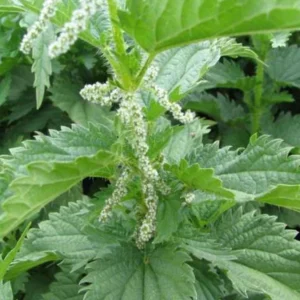
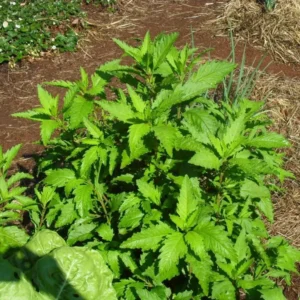
Introducing the Zej Ntshua Ntuag live plant, scientifically known as Eisholtzia Pendulifora. This unique and culturally significant herb is a starter plant, ready to thrive in your garden or indoor space. Revered for generations as a prominent component of Hmong tshuaj herbs, this plant holds a special place in traditional practices, particularly for its believed ability to restore balance and support overall wellness. Often prepared in boiled chicken soup, it has been traditionally consumed during times of illness, physical weakness, or as part of a post-partum recovery diet. The Zej Ntshua Ntuag live plant is an excellent choice for anyone looking to connect with ancient herbal traditions and cultivate a plant with a rich history of use.
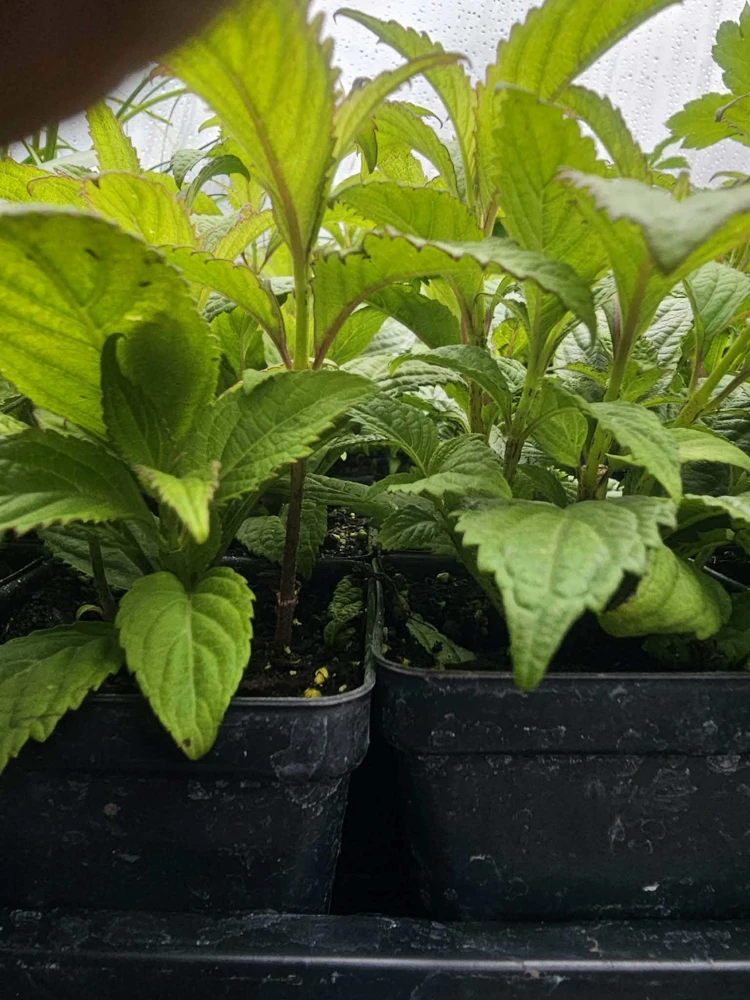
This listing provides a healthy Eisholtzia Pendulifora care starter plant in a 2.5-inch pot, ready for planting. It represents a living piece of cultural heritage, offering both ornamental appeal and the potential to explore traditional herbal applications. Its significance as a traditional herbal plant makes it a fascinating addition to any collection, whether you are an experienced herbalist or a curious gardener.
Key Benefits
The Zej Ntshua Ntuag live plant offers several benefits beyond its unique appearance. It is highly valued for its historical and cultural significance, making it a conversation starter and a connection to traditional practices. Cultivating this plant can also contribute to a sense of well-being and provide a fresh source of an herb with a storied past.
- Cultural Significance: This plant is deeply rooted in Hmong traditional medicine, offering a tangible connection to generations of herbal knowledge and practices. Growing it can be a way to honor and learn about this rich heritage.
- Wellness Support: Traditionally used for its believed ability to restore balance and support overall wellness, particularly during times of illness, fatigue, or post-partum recovery. It is a key ingredient in traditional remedies.
- Unique Herb: As a relatively uncommon herb outside of specific cultural contexts, the Zej Ntshua Ntuag live plant offers a distinctive addition to your herb collection or garden.
- Educational Value: Provides an excellent opportunity to learn about ethnobotany and the traditional uses of plants from different cultures, fostering a deeper appreciation for natural remedies.
- Fresh Source: Having a live plant means you have access to fresh leaves and stems for your traditional preparations, ensuring the highest quality for your needs.
- Garden Diversity: Adds biodiversity and a unique botanical specimen to your home garden or indoor plant collection, enhancing its aesthetic and functional appeal.
- Easy to Grow: This starter plant is typically resilient and can be grown by gardeners of various skill levels, making Eisholtzia Pendulifora care manageable for beginners.
Plant Care & Growing Tips
Proper Eisholtzia Pendulifora care ensures your Zej Ntshua Ntuag live plant thrives. This plant prefers a location with bright, indirect light. While it can tolerate some morning sun, protect it from harsh afternoon sun, which can scorch its leaves. If growing indoors, place it near a window with filtered light or use a grow light. For outdoor cultivation, choose a spot with dappled shade or morning sun and afternoon shade, especially in warmer climates. The ideal temperature range for this traditional herbal plant is between 60-80°F (15-27°C). It is not frost-tolerant, so bring it indoors or provide protection if temperatures drop below 50°F (10°C). The plant can be grown year-round indoors in a suitable environment.
Water your Hmong tshuaj herbs plant regularly, keeping the soil consistently moist but not waterlogged. Allow the top inch of soil to dry slightly before watering again. Good drainage is crucial to prevent root rot, so ensure your pot has drainage holes. A well-draining potting mix, such as one formulated for herbs or general houseplants, is recommended. Fertilize sparingly during the growing season (spring and summer) with a balanced liquid fertilizer diluted to half strength. Reduce watering and cease fertilization during the dormant winter months. Monitor for common pests like aphids or spider mites, and treat promptly with organic insecticidal soap if necessary. With consistent wellness support plant practices, your Zej Ntshua Ntuag will flourish.
To encourage bushier growth, you can pinch back the growing tips. Pruning can also help maintain a desirable shape and size. Repot your Zej Ntshua Ntuag live plant into a slightly larger pot when it becomes root-bound, typically every 1-2 years. Use fresh potting mix during repotting to replenish nutrients. Providing adequate humidity, especially in dry indoor environments, can also benefit this herb. Misting the leaves periodically or placing the pot on a pebble tray with water can help increase humidity levels.
Size & Details
This offering is for one Zej Ntshua Ntuag live plant starter, also known as Eisholtzia Pendulifora. Each plant is carefully cultivated and shipped in a 2.5-inch nursery pot, providing a robust root system ready for transplanting. At the time of shipment, the starter plant typically measures between 4 to 6 inches in height, though exact size may vary slightly depending on growth stage. This Hmong tshuaj herbs plant is a moderate grower and, with proper care, can reach a mature height of 1 to 2 feet, spreading similarly, when planted in optimal conditions. It is ideal for container gardening, allowing for easy relocation indoors during colder months, or for integration into an outdoor herbal garden in suitable climates. Expect your traditional herbal plant to establish itself quickly and begin producing new growth within a few weeks of planting.
Frequently Asked Questions
- Q: How big does this Zej Ntshua Ntuag live plant get? A: The starter plant arrives in a 2.5-inch pot and typically grows to a mature height and spread of 1 to 2 feet with proper care. Its ultimate size can depend on growing conditions and pot size.
- Q: Is this an indoor or outdoor plant? A: The Zej Ntshua Ntuag live plant can be grown both indoors and outdoors. It thrives outdoors in warm climates (USDA zones 9-11) and can be grown as an annual or brought indoors during winter in colder regions.
- Q: How much sunlight does the Eisholtzia Pendulifora need? A: This plant prefers bright, indirect light. If placed outdoors, it should receive morning sun and afternoon shade. Indoors, a spot near a window with filtered light is ideal for optimal growth and Eisholtzia Pendulifora care.
- Q: Is this plant easy to care for? A: Yes, this Hmong tshuaj herbs starter plant is generally considered easy to care for, making it suitable for gardeners of all experience levels. Consistent watering and appropriate light are key to its success.
- Q: What condition will the traditional herbal plant arrive in? A: Your plant will be securely packaged and arrive as a healthy, live starter plant in a 2.5-inch nursery pot, ready for planting. Some minor stress from transit is normal but it recovers quickly.
- Q: What type of soil does the wellness support plant prefer? A: The Zej Ntshua Ntuag live plant thrives in well-draining soil. A standard potting mix for herbs or houseplants is suitable, ensuring good aeration and moisture retention without becoming waterlogged.
- Q: When is the best time to plant this herb? A: If planting outdoors, spring after the last frost is ideal. For indoor cultivation, it can be planted any time of year, provided it receives adequate light and warmth.
- Q: How often should I water my Zej Ntshua Ntuag? A: Water when the top inch of soil feels dry to the touch. Keep the soil consistently moist but avoid overwatering, which can lead to root issues.
- Q: Can I use this plant for traditional remedies? A: This plant is a traditional herbal plant known as Zej Ntshua Ntuag and is historically used in Hmong traditional practices. Please consult with a qualified herbalist or healthcare professional before using any plant for medicinal purposes.
- Q: Will it survive winter in my zone? A: The Zej Ntshua Ntuag live plant is not frost-tolerant. In USDA zones below 9, it should be brought indoors or protected from cold temperatures during winter months to ensure its survival.


Reviews
There are no reviews yet.