Overview
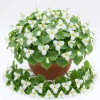
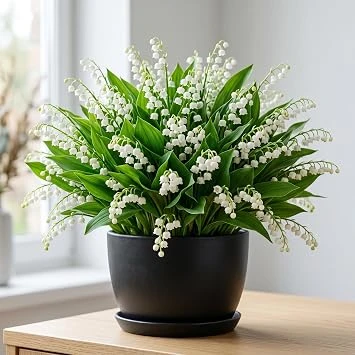
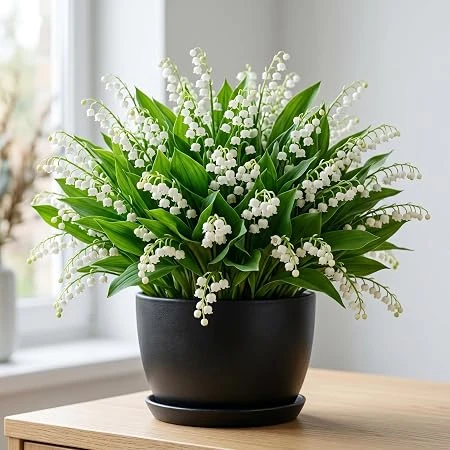
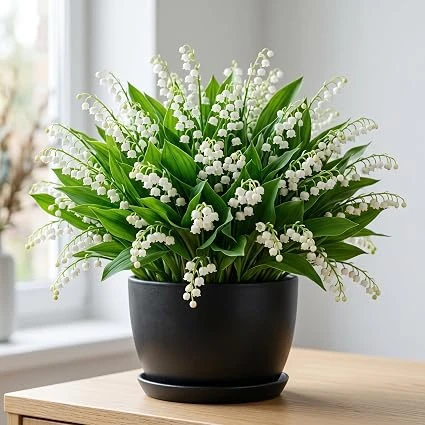
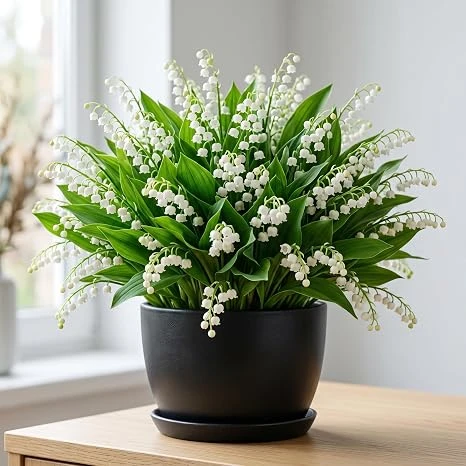
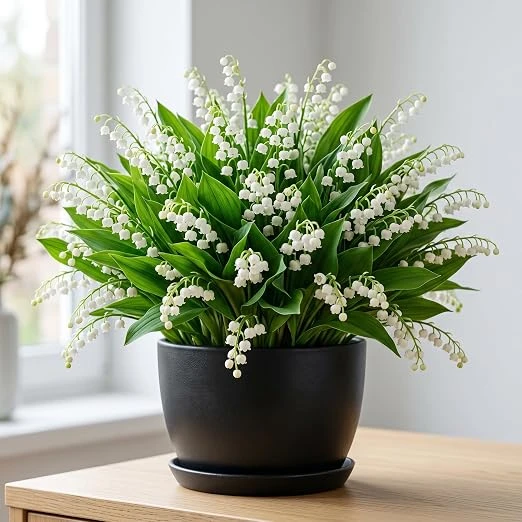
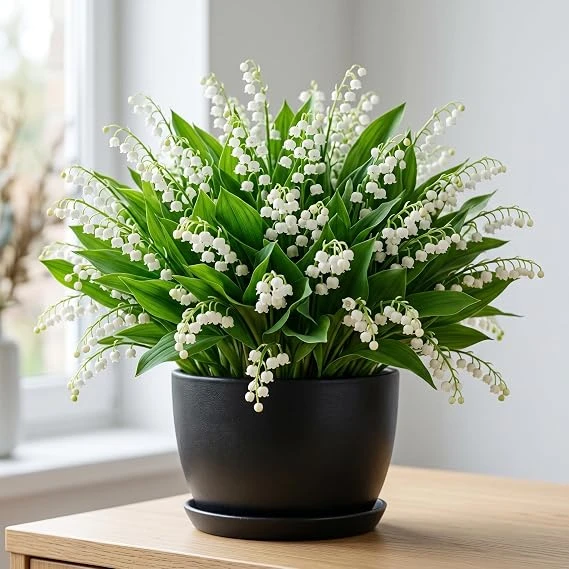
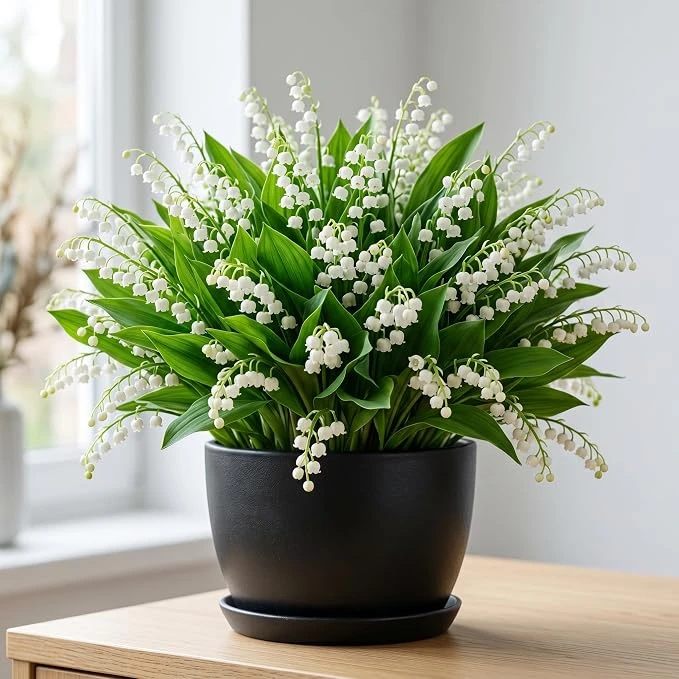
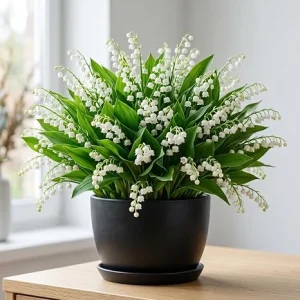
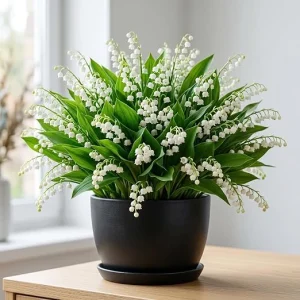
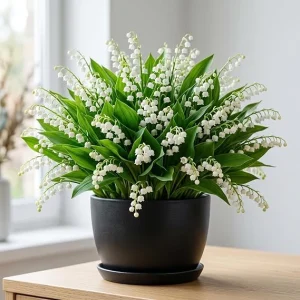
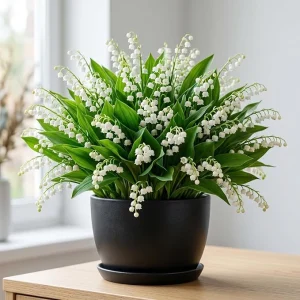
Transform your garden into a fragrant sanctuary with this generous set of lily of the valley bare root rhizomes. Known for their timeless elegance and captivating scent, these charming plants, often called may bells plant, produce delicate, bell-shaped white flowers that dangle gracefully from slender stems. Each order includes 20 fresh rhizomes, ready to be planted and establish themselves in your landscape. These bare roots are an economical and effective way to cultivate a significant patch of this beloved perennial, ensuring a stunning display of white blossoms and vibrant green foliage year after year. Perfect for creating a serene woodland feel or a classic cottage garden, lily of the valley plant adds a touch of classic beauty to any shaded area.
The botanical name for Lily of the Valley is Convallaria majalis, a testament to its widespread recognition and enduring appeal. These resilient plants are easy to grow and maintain, making them an excellent choice for both novice and experienced gardeners. When mature, they form dense groundcover, suppressing weeds and providing continuous visual interest. The sweet, unmistakable fragrance of these fragrant spring blooms will waft through your garden, signaling the arrival of spring and creating a truly immersive sensory experience. Prepare to enjoy a spectacular show of white and green as these rhizomes mature into robust, flowering plants.
Key Benefits
Cultivating lily of the valley bare root offers numerous advantages for your garden and senses:
- Enchanting Fragrance: Enjoy the classic, sweet, and delicate perfume that Lily of the Valley is famous for. These fragrant spring blooms fill the air with their captivating scent, creating a delightful atmosphere in your garden, especially when planted near walkways or seating areas.
- Stunning Spring Display: Witness a spectacular show of pure white, bell-shaped flowers in spring. The elegant blossoms, coupled with lush green foliage, provide a serene and picturesque landscape, transforming shaded corners into vibrant focal points.
- Easy to Plant and Grow: These bare root rhizomes are incredibly simple to plant and require minimal preparation. They quickly establish themselves, making gardening accessible and rewarding for all skill levels. The robust nature of the lily of the valley plant ensures a high success rate for gardeners.
- Excellent Groundcover: Lily of the Valley spreads to form a dense, attractive groundcover, effectively suppressing weeds and reducing the need for constant maintenance. This makes it ideal for filling in shaded areas where other plants struggle, creating a uniform and tidy appearance.
- Versatile Garden Use: Perfect for woodland gardens, cottage gardens, borders, or even containers. Its adaptability allows you to incorporate this beautiful perennial into various garden designs, providing flexibility in your planting schemes.
- Low Maintenance: Once established, planting lily of the valley requires very little ongoing care. It is drought-tolerant and disease-resistant, allowing you to enjoy its beauty with minimal effort.
- Perennial Beauty: As a perennial, Lily of the Valley returns year after year, growing stronger and more abundant with each season. This provides long-term beauty and value to your landscape without the need for annual replanting.
Plant Care & Growing Tips
Successful planting lily of the valley begins with understanding its preferred growing conditions. These resilient plants thrive in shaded to partially shaded areas. Aim for locations that receive dappled sunlight or morning sun with protection from intense afternoon rays. Too much direct sun can scorch the leaves, while too little light may reduce flowering. They are well-suited for planting under deciduous trees or along north-facing walls where they can enjoy consistent shade during the hottest parts of the day. Proper site selection is crucial for the health and vigor of your lily of the valley bare root plants.
When it comes to watering, lily of the valley plant prefers consistently moist, but not waterlogged, soil. Water regularly, especially during dry spells and in their first growing season, to help them establish strong root systems. Once established, they are somewhat drought-tolerant but will perform best with regular moisture. Good drainage is essential to prevent root rot, so ensure your soil is well-draining. A rich, organic soil that retains some moisture but allows excess to drain away is ideal. Amending heavy clay soils with compost or sand can improve drainage and aeration, while sandy soils will benefit from added organic matter to improve water retention.
These plants are hardy and can tolerate a wide range of temperatures, typically thriving in USDA zones 2-7. Fertilize sparingly; a light application of a balanced, slow-release granular fertilizer in early spring is usually sufficient. Avoid over-fertilizing, as this can lead to excessive foliage growth at the expense of flowers. Common problems are rare, but watch out for slugs and snails, especially in moist conditions. Proper air circulation and avoiding overhead watering can help prevent fungal issues. With these simple care guidelines, your may bells plant will flourish, providing beautiful and fragrant blooms for many springs to come.
Size & Details
This offering includes 20 individual lily of the valley bare root rhizomes, each measuring approximately 4 to 6 inches long. These healthy, well-established rhizomes are ready for immediate planting upon arrival, ensuring a strong start for your garden. When mature, lily of the valley plant typically grows to a height of 6-12 inches and spreads to form a dense groundcover, making it an excellent choice for filling in shaded areas. The growth rate is moderate, and you can expect to see foliage emerge in the first spring after planting, with flowers appearing in the second season for a more robust bloom.
The bare root format means the rhizomes arrive without soil, making them lightweight for shipping and easy to handle during planting. This also allows for quicker establishment once planted in their new environment. These plants are known for their vigorous spreading habit, which makes them ideal for naturalizing in woodland settings or creating expansive drifts of fragrant spring blooms. They are shipped dormant, ensuring they are ready to burst into growth once planted in favorable conditions. Expect a beautiful display of white bell-shaped flowers and lush green foliage, enhancing your garden’s beauty each spring.
Frequently Asked Questions
- Q: How big does this plant get? A: A mature lily of the valley plant typically reaches a height of 6 to 12 inches. It spreads to form a dense groundcover, making it excellent for filling in larger shaded areas over time.
- Q: Is this an indoor or outdoor plant? A: Lily of the Valley is primarily an outdoor plant, thriving in garden beds, borders, and woodland settings. While it can be forced indoors for temporary display, it is best suited for outdoor cultivation.
- Q: How much sunlight does it need? A: Lily of the Valley bare root prefers partial to full shade. It performs best with dappled sunlight or morning sun, protected from intense afternoon sun, which can scorch its leaves.
- Q: What condition will it arrive in? A: The product includes 20 bare root rhizomes, each 4-6 inches long. They will arrive dormant and ready for planting, without soil or foliage, ensuring easy establishment in your garden.
- Q: Is this plant easy to care for? A: Yes, planting lily of the valley is considered very easy. Once established, it is low-maintenance, requiring consistent moisture but tolerating some drought and generally resistant to pests and diseases.
- Q: How long until it blooms? A: While foliage may appear in the first spring after planting, a more robust display of fragrant spring blooms is typically seen in the second spring. They establish quickly and spread effectively.
- Q: When is the best time to plant? A: The best time for planting lily of the valley bare root rhizomes is in the fall or early spring, before the heat of summer. This allows them ample time to establish their root systems before active growth.
- Q: What’s the minimum temperature it can tolerate? A: Lily of the Valley is very cold hardy, typically thriving in USDA Zones 2-7. It can withstand very cold winter temperatures and requires a chilling period to bloom effectively.
- Q: Can I grow the may bells plant in containers? A: Yes, you can grow the may bells plant in containers, especially for smaller displays or to control its spreading habit. Ensure the containers have good drainage and are placed in a shaded location.
- Q: Is Lily of the Valley deer resistant? A: Due to its toxicity, Lily of the Valley is generally considered deer and rabbit resistant, making it a good choice for gardens where these animals are a concern.


Reviews
There are no reviews yet.