Overview
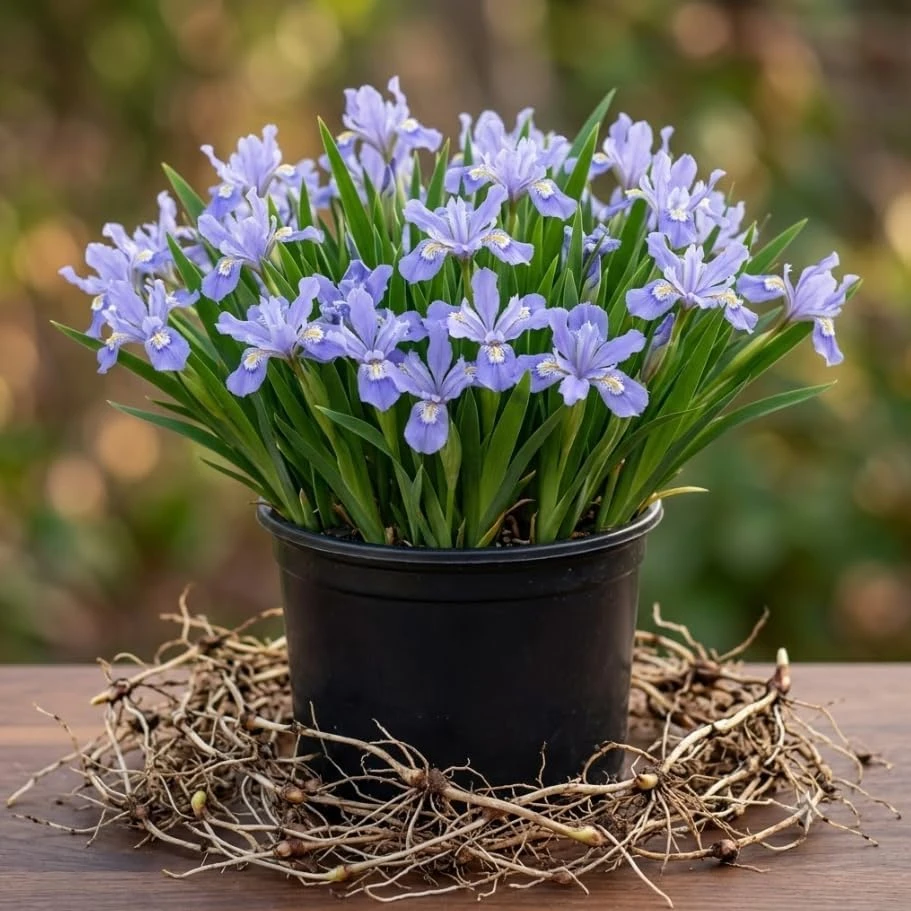
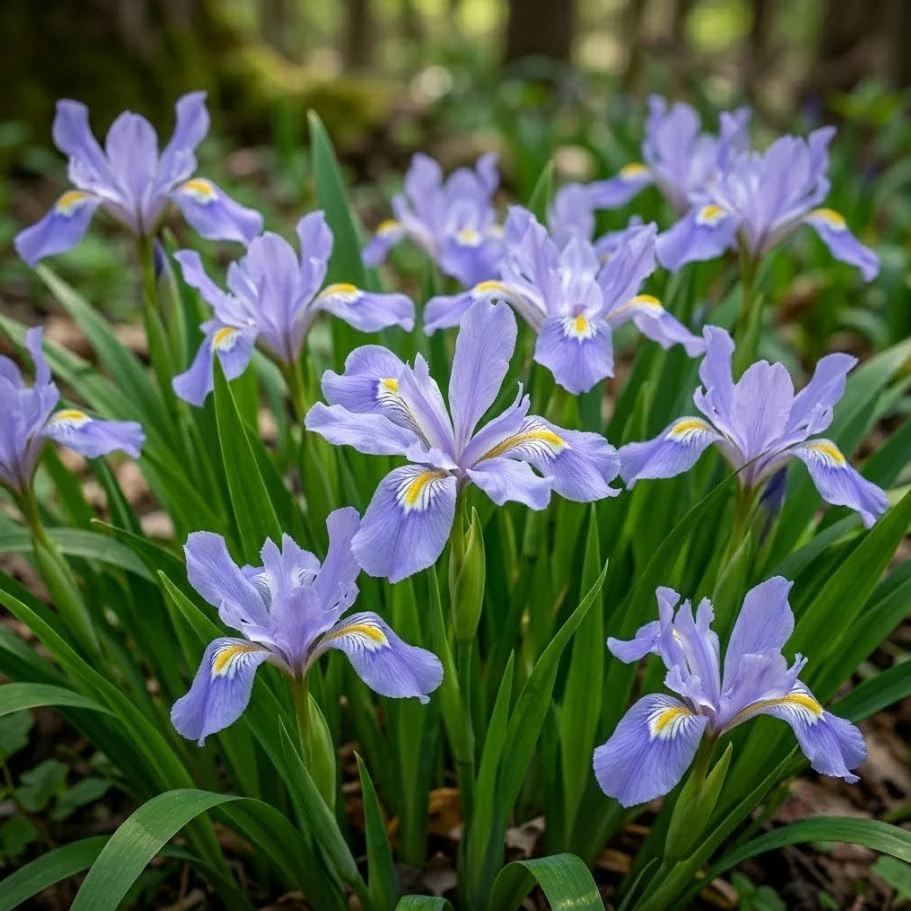
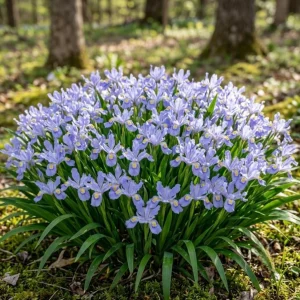
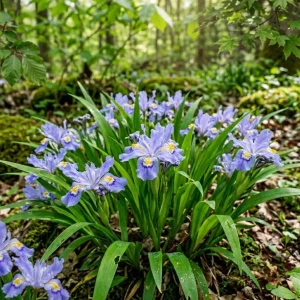
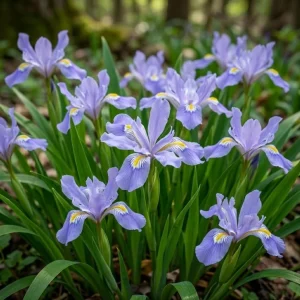
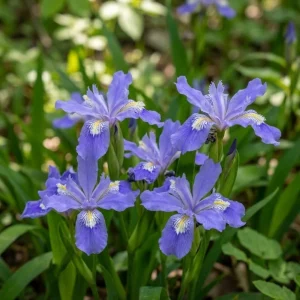
Transform your outdoor space into a serene retreat with these exquisite blue crested wild iris bulbs. Known scientifically as Iris cristata, this charming native perennial is a must-have for woodland gardens and shaded landscapes across the US. Each order includes 5 Blue Crested Wild Iris rhizomes, ready to establish and flourish, bringing a touch of natural elegance to your home. These hardy plants are celebrated for their unique, crested lavender-blue flowers that emerge in early spring, signaling the arrival of warmer days. Easy to care for and remarkably resilient, the crested wild iris is an excellent choice for gardeners seeking both beauty and minimal maintenance.
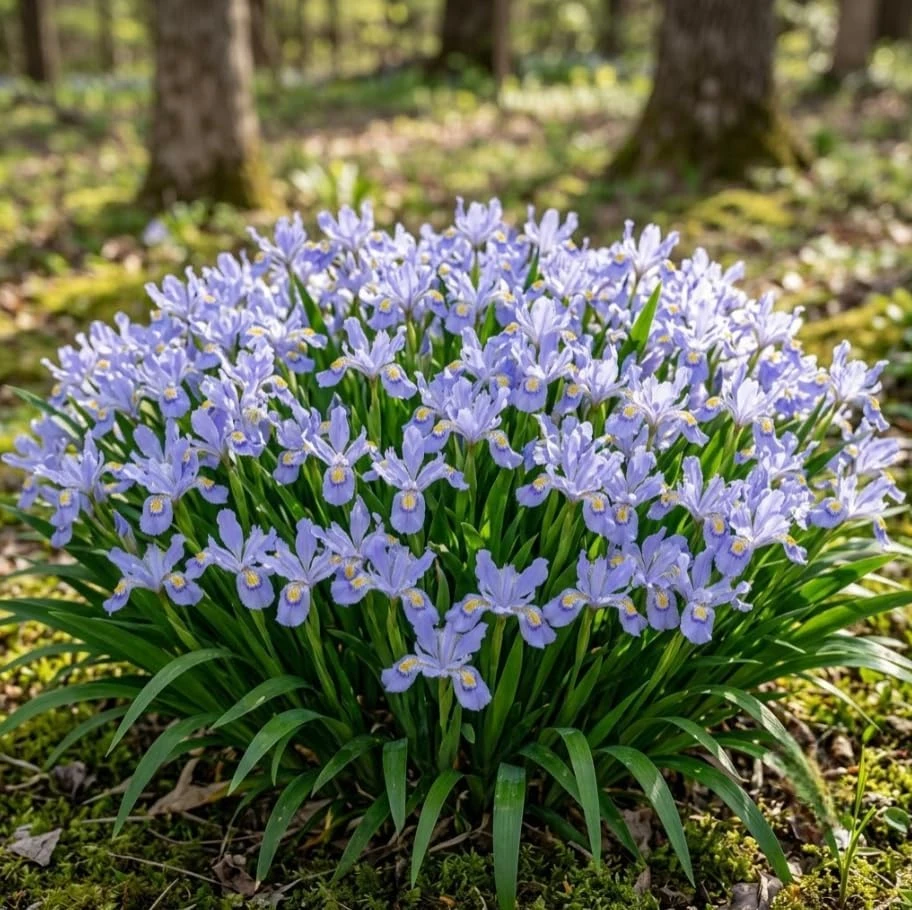
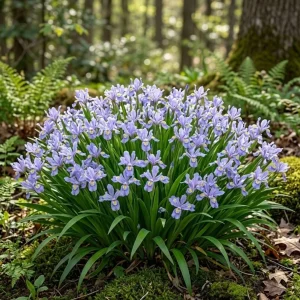
Originating from the eastern United States, Iris cristata is a beloved species prized for its ability to thrive in conditions that many other flowering plants find challenging. Its compact growth habit and spreading nature make it an ideal ground cover, creating a lush carpet of foliage even when not in bloom. When the delicate flowers appear, they create a breathtaking display, attracting pollinators like bees and butterflies. Planting these spring flowering perennials means investing in a living tapestry that will enhance your garden’s aesthetic for years to come, providing a consistent source of joy and natural beauty.
Key Benefits
Cultivating blue crested wild iris bulbs offers a multitude of advantages for your garden and your peace of mind. These benefits extend beyond their undeniable beauty, encompassing ease of care and ecological value:
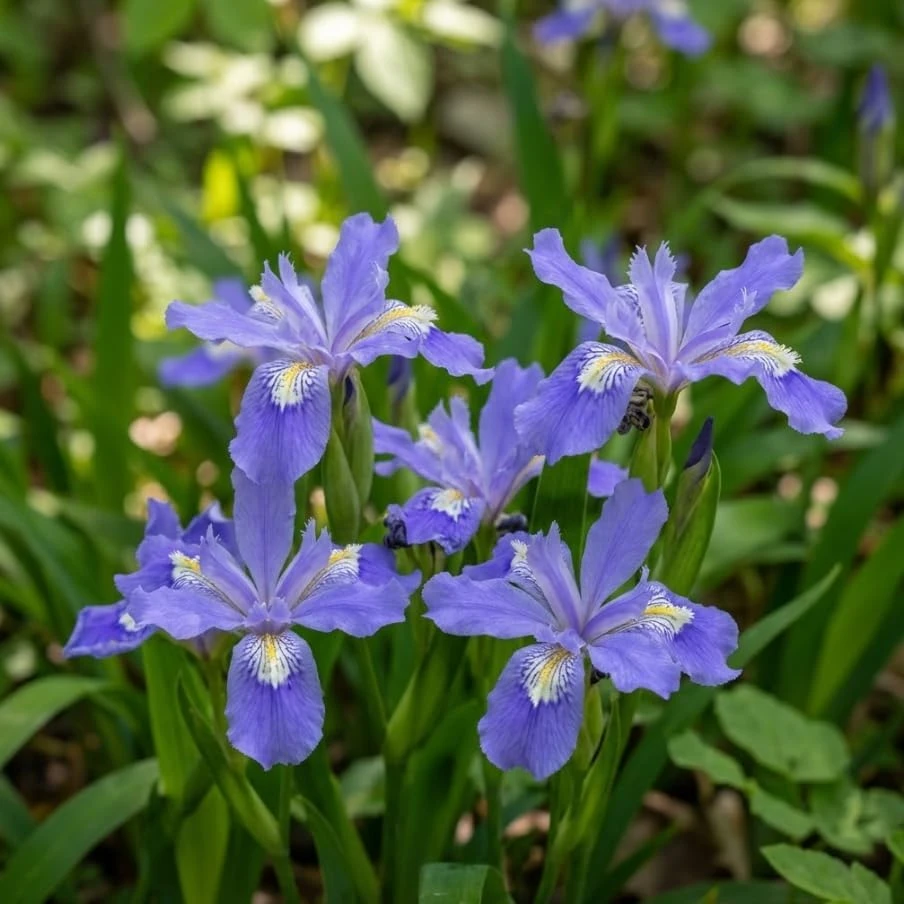
- Stunning Spring Blooms: Enjoy a vibrant display of elegant lavender-blue flowers with distinctive crests in early spring. These blooms are a delightful sight and a true highlight of the garden season, making your landscape pop with color.
- Low Maintenance Perennial: Once established, these crested wild iris bulbs require minimal care, returning reliably year after year without needing replanting. This makes them perfect for busy gardeners or those looking for effortless beauty.
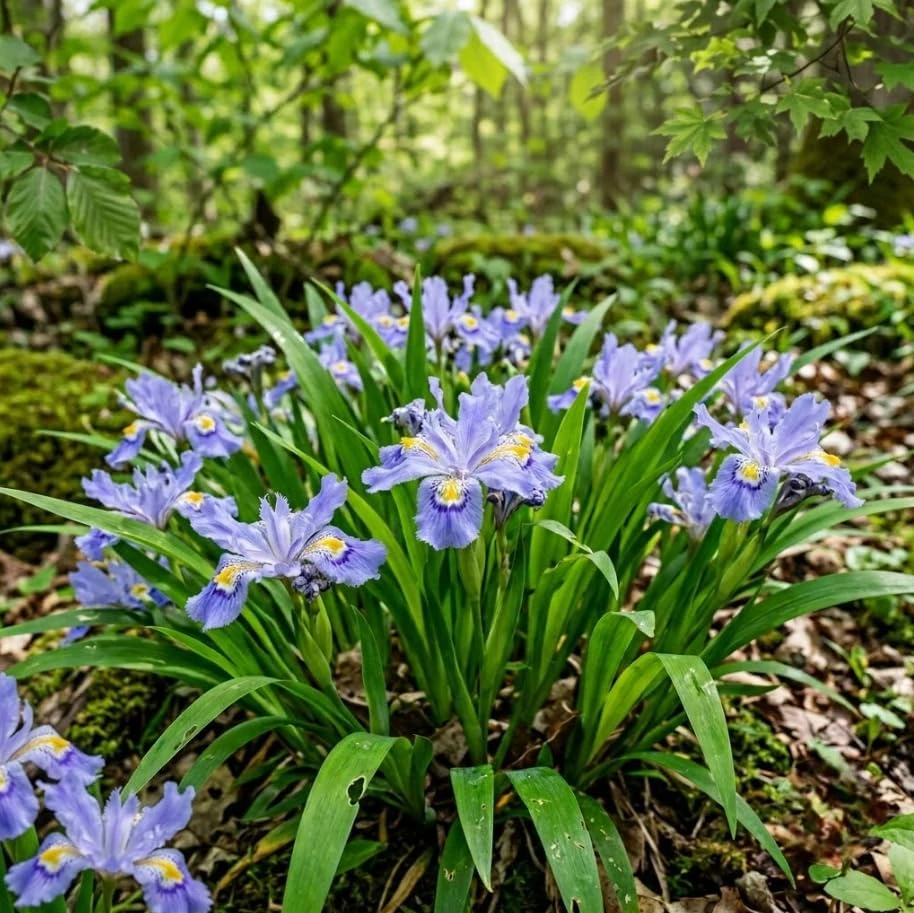
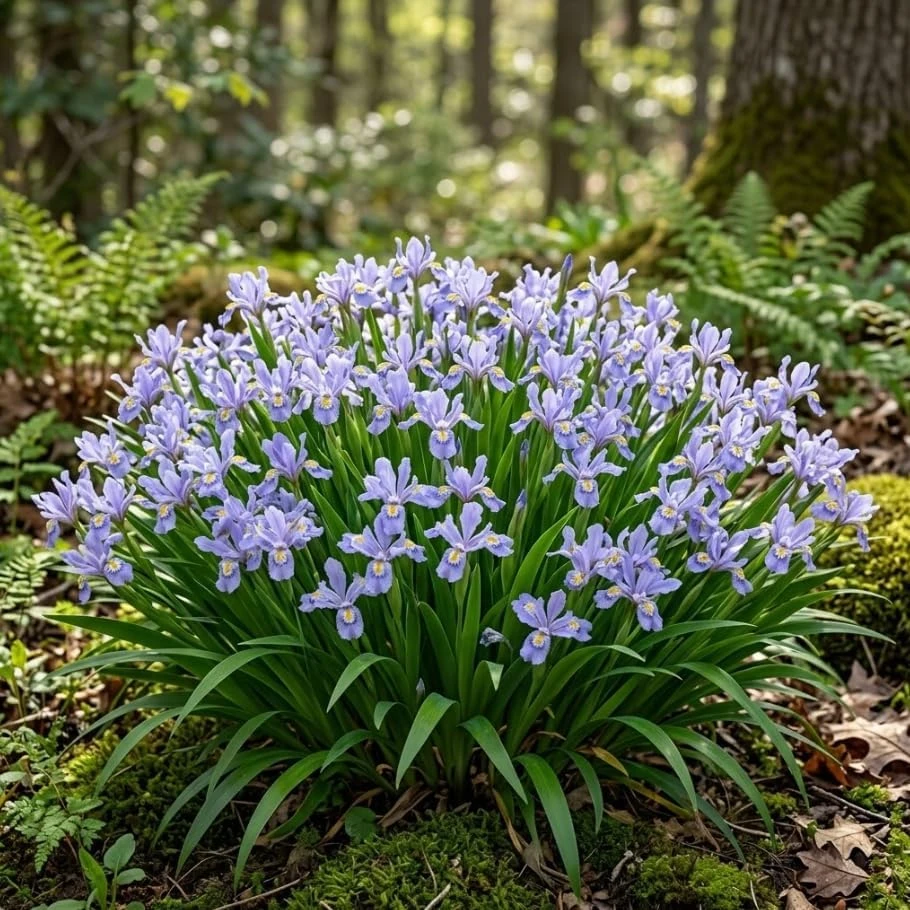
- Ideal for Shaded & Woodland Gardens: Thrives in partial shade, making it an excellent choice for those tricky areas under trees or along shaded borders where other plants struggle to grow. It naturally complements a woodland setting.
- Hardy & Resilient: Known for its robust nature, Iris cristata can withstand various conditions, proving to be a durable addition to your garden landscape. It’s a resilient plant that bounces back easily.
- Naturalizes Beautifully: These rhizomes spread gently over time, forming attractive clumps and naturalizing in your garden, creating a lush, full appearance without becoming invasive. This creates a more established and mature look.
- Attracts Pollinators: The charming flowers serve as an early food source for local pollinators, contributing to the health and biodiversity of your garden ecosystem. Bees and butterflies will flock to your garden.
- Erosion Control: Due to its spreading root system, the blue crested wild iris can help stabilize soil on slopes or in areas prone to erosion, offering a practical benefit alongside its aesthetic appeal.
Plant Care & Growing Tips
Caring for your blue crested wild iris bulbs is straightforward, making them a rewarding choice for gardeners of all experience levels. These plants are remarkably adaptable but will flourish with a few key considerations. When selecting a planting site, aim for an area that receives partial shade, ideally morning sun with afternoon shade, or dappled light throughout the day. While they can tolerate more sun in cooler climates, too much intense afternoon sun can scorch their delicate foliage. Prepare the soil by ensuring it is moist, well-drained, and rich in organic matter. A slightly acidic to neutral pH is preferred. Avoid heavy, waterlogged soils, as this can lead to rhizome rot. Incorporating compost or well-rotted leaf mold will significantly improve soil structure and fertility.
Watering is crucial during the establishment phase. Keep the soil consistently moist but never soggy. Once established, crested wild iris care becomes even easier, as they are quite drought-tolerant, though they appreciate supplemental watering during prolonged dry spells. Fertilization is generally not heavily required; a light application of a balanced, slow-release granular fertilizer in early spring can encourage more vigorous growth and bloom production. These plants are hardy in USDA zones 3-9, meaning they can withstand a wide range of winter temperatures. Protect newly planted rhizomes with a layer of mulch in colder zones to help insulate them. Division every few years in late summer or early fall will help maintain plant vigor and can be used to propagate new plants. Watch out for slugs and snails, which can occasionally munch on the foliage; organic slug baits or hand-picking can manage these pests. With proper care, your woodland iris plants will provide years of vibrant spring color.
Size & Details
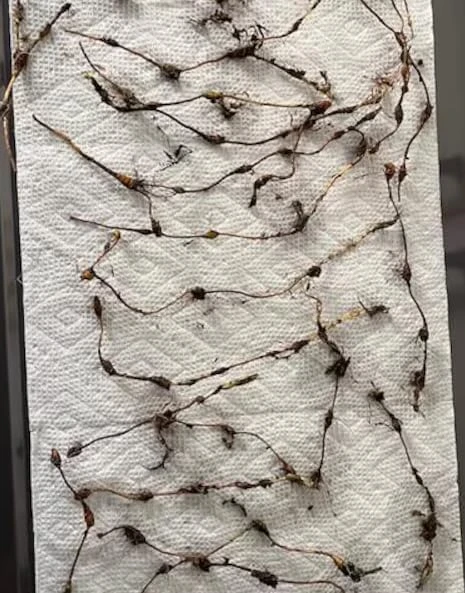
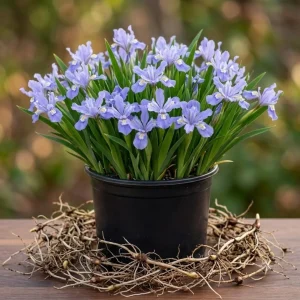
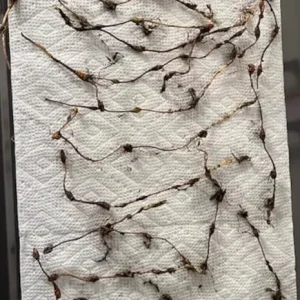
This offering includes 5 Blue Crested Wild Iris rhizomes, carefully selected and prepared for planting. Each rhizome is a robust, healthy root section, ready to establish quickly in your garden. When mature, these plants typically grow to a compact height of 6-10 inches (15-25 cm) and spread to form clumps about 6-12 inches (15-30 cm) wide. Their relatively small stature makes them perfect for front borders, rock gardens, or underplanting taller shrubs and trees in a woodland setting. The leaves are strap-like and a vibrant green, forming an attractive ground cover even when the plant is not in bloom.
The spring flowering perennials typically bloom from April to May, depending on your specific climate and planting zone. The flowers are a striking lavender-blue, adorned with a white and yellow crest that gives the plant its common name. These bulbs are shipped as bare roots, ensuring they arrive dormant and ready for planting in either spring or fall. They establish quickly and, with proper care, will begin to produce their characteristic blooms in the first or second season after planting. Expect a moderate growth rate as they naturalize and spread gracefully throughout their preferred habitat, creating a beautiful and enduring display of iris cristata bulbs.
Frequently Asked Questions
- Q: How big does this plant get? A: The blue crested wild iris typically grows to a compact height of 6-10 inches tall and spreads about 6-12 inches wide, making it an excellent ground cover or border plant.
- Q: Is this an indoor or outdoor plant? A: This is an outdoor perennial plant, ideally suited for woodland gardens, shaded borders, and naturalized areas in temperate climates. It is not suitable for indoor cultivation.
- Q: How much sunlight does it need? A: Crested wild iris thrives in partial shade, meaning it prefers areas with morning sun and afternoon shade, or dappled light throughout the day. Too much direct sun can harm its foliage.
- Q: Is this plant easy to care for? A: Yes, it is considered a very easy-to-care-for plant. Once established, it is low-maintenance, requiring minimal watering and fertilization, making it great for beginners.
- Q: What condition will the bulbs arrive in? A: The blue crested wild iris bulbs will arrive as healthy, dormant bare-root rhizomes, ready for immediate planting in your garden.
- Q: How long until it blooms? A: With proper planting and care, you can typically expect the first blooms in the spring of the first or second year after planting the rhizomes.
- Q: When is the best time to plant these bulbs? A: The ideal times to plant iris cristata bulbs are in early spring or in the fall, allowing them to establish their root systems before extreme temperatures.
- Q: Will it survive winter in my zone? A: Yes, woodland iris plants are hardy in USDA Zones 3-9, meaning they are well-adapted to survive cold winters in a wide range of climates.
- Q: What kind of soil does it prefer? A: It prefers moist, well-drained soil that is rich in organic matter. Avoid heavy, waterlogged conditions to prevent rhizome rot.
- Q: Is this plant deer resistant? A: While no plant is entirely deer-proof, Iris cristata is generally considered to be deer resistant, making it a good choice for gardens where deer are a concern.


Reviews
There are no reviews yet.