Overview
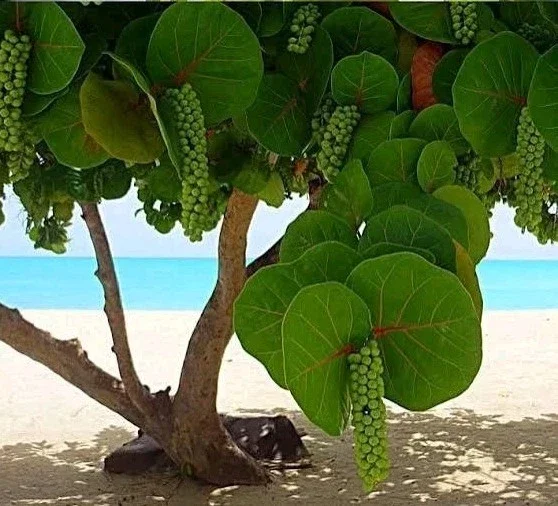
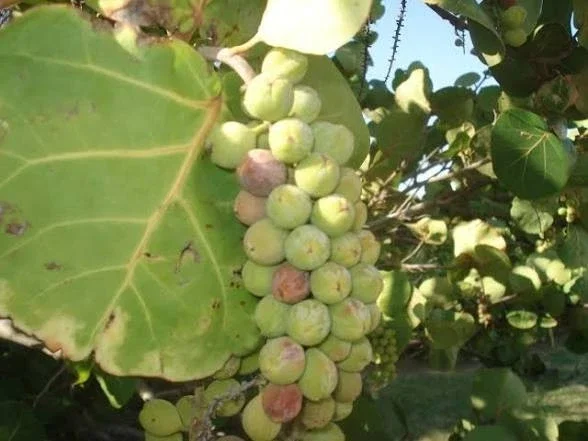
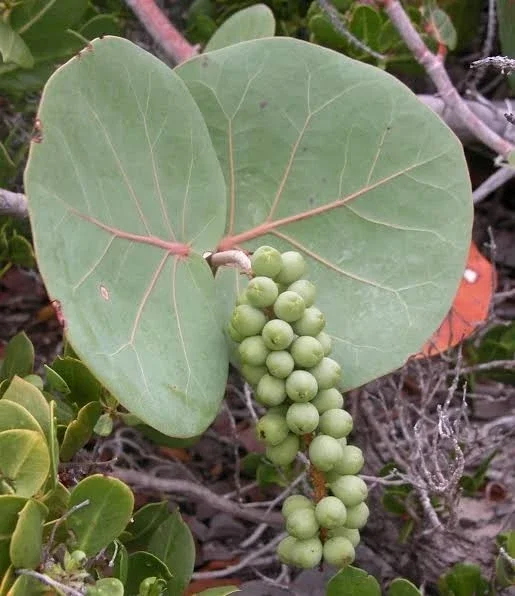
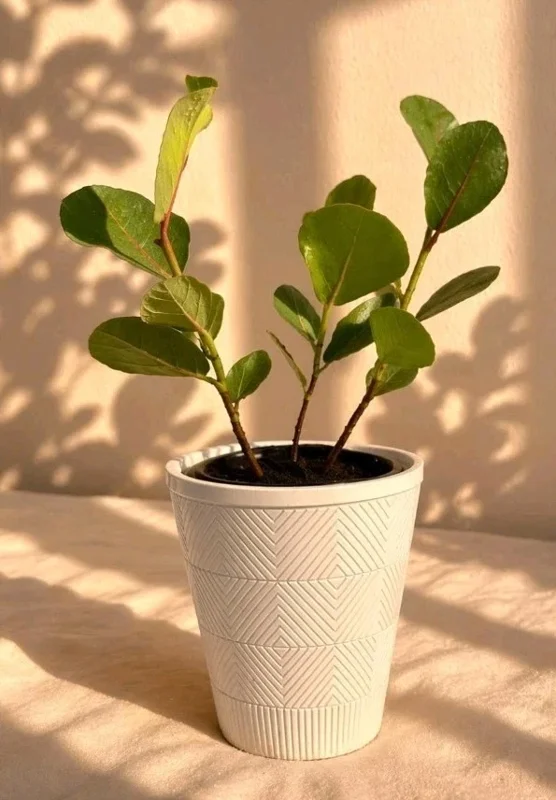
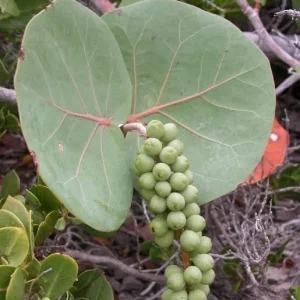
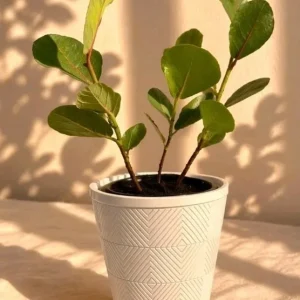
Bring the beauty of coastal landscapes to your home with this set of three sea grape live plant. Scientifically known as Coccoloba uvifera, these resilient and attractive plants are a fantastic addition to any tropical or subtropical garden. Each plant arrives approximately 10 to 15 inches tall, nestled in its own 4-inch pot, ensuring a healthy start for your new botanical endeavor. The sea grape live plant is celebrated for its distinctive round, leathery green leaves that often develop a reddish hue in cooler temperatures or full sun. Its common name, Sea Grape, comes from the clusters of fruit that resemble grapes, which are not only ornamental but also edible. This hardy evergreen shrub or small tree is a fast grower, making it an excellent choice for creating natural hedges, screens, or as a striking standalone specimen in your garden or patio.
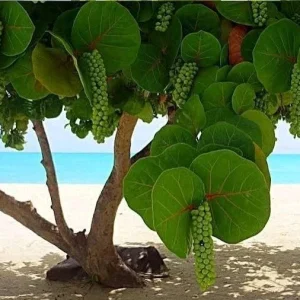
The Coccoloba uvifera is well-adapted to coastal conditions, tolerating salt spray, wind, and sandy soils, which makes it an incredibly versatile and low-maintenance plant for many environments. Whether you’re looking to enhance your outdoor living space with a lush, tropical feel, or seeking a unique plant with both aesthetic and edible qualities, the sea grape live plant offers a rewarding growing experience. Its robust nature and attractive appearance make it a popular choice for both experienced gardeners and those new to plant care.
Key Benefits
The sea grape live plant offers a multitude of benefits, making it a highly desirable addition to various landscapes. Its adaptability and unique characteristics contribute significantly to its appeal.
- Unique Ornamental Value: The large, round, leathery leaves of the Coccoloba uvifera provide a distinctive tropical aesthetic. These leaves can turn a beautiful reddish bronze in cooler weather, adding seasonal interest. Its unique growth habit and clustered fruit also make it a focal point in any garden design.
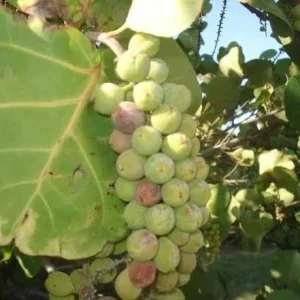
- Edible & Culinary Uses: The grape-like fruit, which ripens from green to purple, is edible and can be enjoyed fresh, made into jellies, jams, or even fermented into wine. This provides a delightful harvest for adventurous gardeners.
- Drought and Salt Tolerance: As a native coastal plant, the sea grape live plant is exceptionally tolerant of drought conditions and salt spray, making it an ideal choice for xeriscaping or seaside properties where other plants might struggle.
- Fast Growth & Screening: With a fast growth rate, these shrubs quickly establish themselves, providing excellent privacy screens, windbreaks, or erosion control in sandy areas. They can be pruned to maintain a desired size and shape.
- Low Maintenance: Once established, the sea grape bush requires minimal care, thriving in challenging conditions with little intervention. This makes it perfect for gardeners seeking beauty without demanding upkeep.
- Evergreen Foliage: The plant retains its vibrant green leaves year-round in most tropical and subtropical climates, ensuring continuous beauty and structure in your landscape.
- Air Purifying Properties: Like many plants, the Coccoloba uvifera contributes to air purification, enhancing the air quality in its immediate environment.
Plant Care & Growing Tips
Caring for your sea grape live plant is relatively straightforward, thanks to its hardy nature. These plants thrive in conditions that mimic their native coastal habitats. When it comes to sunlight, the Coccoloba uvifera care routine begins with proper light exposure. They prefer full sun to partial sun, ideally receiving at least 6 hours of direct sunlight daily to encourage robust growth and fruiting. While they can tolerate some shade, too little light may result in leggy growth and reduced fruit production. If growing indoors, place them near a south-facing window or provide supplemental grow lights.
Watering should be consistent but moderate, especially when the plant is young. Once established, the sea grape live plant is remarkably drought-tolerant and can withstand periods of dryness. Allow the top few inches of soil to dry out completely between waterings. Overwatering can lead to root rot, so ensure excellent drainage. Speaking of soil, these plants are not particularly fussy and will grow in a variety of soil types, including sandy, loamy, and even poor soils, as long as they are well-draining. A slightly acidic to neutral pH is preferred. For potted plants, use a high-quality potting mix amended with sand or perlite to improve drainage.
The Coccoloba uvifera is a tropical plant, ideally suited for USDA Hardiness Zones 9-11, where it can withstand temperatures down to about 25°F (-4°C) for short periods. In colder zones, it can be grown in containers and brought indoors during winter or treated as an annual. Fertilization is generally not heavily required. A balanced, slow-release fertilizer can be applied once or twice a year in spring and mid-summer to support healthy growth. Pruning can be done to maintain shape, size, or to encourage a bushier habit. Common problems are rare for this resilient species, but occasionally mealybugs or scale insects might appear; these can typically be managed with insecticidal soap. Proper Coccoloba uvifera care ensures a vibrant and healthy plant for years to come.
Size & Details
This offering includes three individual sea grape live plant specimens. Each plant measures approximately 10 to 15 inches in height from the base of the pot to the top of the foliage, providing a substantial starting size for your garden or container. They are shipped in their original 4-inch nursery pots, which include well-draining soil to ensure a smooth transition to their new environment. The sea grape live plant exhibits a fast growth rate, quickly developing into a dense shrub or small tree, depending on pruning and growing conditions. In optimal conditions, it can reach heights of 20-30 feet, though it is often kept smaller through regular pruning, especially when used as a hedge or container plant. The plants are evergreen, providing year-round foliage. Expect fruit production to begin within a few years of planting, typically ripening in late summer to fall.
Frequently Asked Questions
- Q: How big do these Sea Grape plants get? A: The sea grape live plant you receive will be 10-15 inches tall. In ideal outdoor conditions, it can grow into a large shrub or small tree, reaching up to 20-30 feet tall, but it can be maintained at a smaller size with pruning.
- Q: Is this an indoor or outdoor plant? A: The Coccoloba uvifera thrives outdoors in tropical and subtropical climates (USDA Zones 9-11). It can also be grown indoors in a bright location or on a patio in colder regions, provided it’s protected from frost.
- Q: How much sunlight does the Sea Grape plant need? A: For best growth and fruit production, the sea grape live plant prefers full sun, meaning at least 6 hours of direct sunlight per day. It can tolerate partial sun, but growth may be less vigorous.
- Q: Is this plant easy to care for? A: Yes, the Sea Grape is considered a low-maintenance plant, especially once established. Its natural resilience to drought and salt makes Coccoloba uvifera care relatively easy for gardeners of all levels.
- Q: What condition will it arrive in? A: Your sea grape live plant will arrive well-packaged in its 4-inch nursery pot, with its roots carefully secured and hydrated to ensure it reaches you in healthy condition, ready for planting.
- Q: Can I eat the fruit from the Sea Grape? A: Yes, the fruit of the edible sea grape is indeed edible when ripe (purple). It has a sweet-tart flavor and can be eaten fresh or used to make jellies, jams, and even wine.
- Q: What is the best time to plant a Sea Grape? A: In warm climates, the tropical landscape plant can be planted year-round. In areas with a risk of frost, it’s best to plant in spring or early summer to allow it to establish before cooler temperatures arrive.
- Q: Will it survive winter in my zone? A: The sea grape bush is best suited for USDA Zones 9-11. If you are in a colder zone, it can be grown in a container and moved indoors during the winter months to protect it from frost.
- Q: What kind of soil does it prefer? A: The Sea Grape is adaptable and grows well in various soil types, including sandy and loamy soils, as long as they are well-draining. Good drainage is crucial to prevent root issues.
- Q: How often should I water my Sea Grape plant? A: Water regularly when the plant is young to help it establish. Once mature, the sea grape live plant is drought-tolerant and requires less frequent watering. Allow the soil to dry out between waterings.


Reviews
There are no reviews yet.