Overview
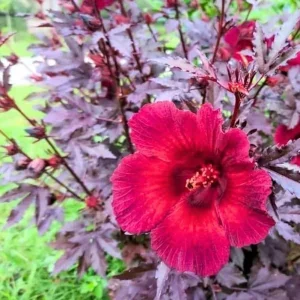
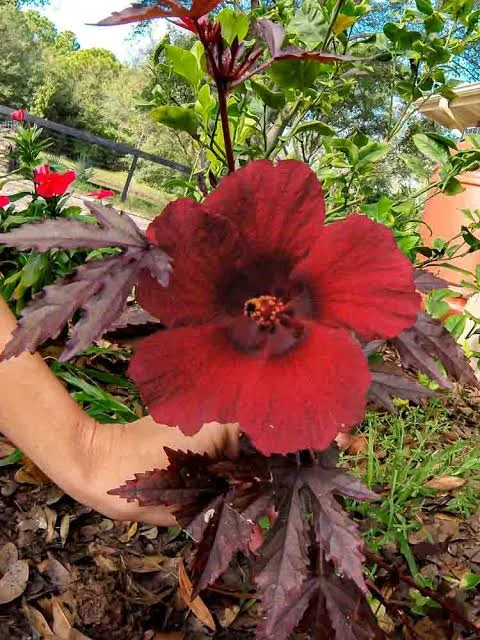
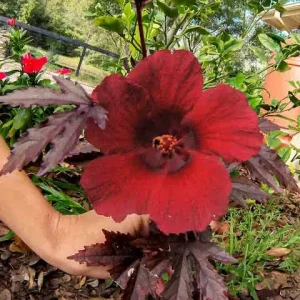
Bring a burst of rich color and unique texture to your outdoor space with the stunning mahongany cranberry hibiscus live plant. This distinctive shrub, also known as Hibiscus acetosella ‘Mahogany’, is celebrated for its deeply lobed, cranberry-red leaves that maintain their vibrant hue throughout the growing season. Unlike many ornamental hibiscuses, the Mahogany Cranberry Hibiscus offers both aesthetic appeal and culinary utility, with its leaves and calyces often used in teas, salads, and other dishes. Our 4-inch tall specimen provides a perfect starting point for cultivating this eye-catching and versatile plant. It’s an excellent choice for gardeners looking for something beyond the ordinary, offering a tropical feel and edible benefits.
Originating from Africa, this plant thrives in warm climates and can be grown as an annual in cooler zones or as a perennial where temperatures remain mild. Its rapid growth rate and tolerance for various conditions make it a rewarding addition to any garden, whether planted directly in the ground or kept in containers on a patio or balcony. The deep red foliage provides a striking contrast against green landscapes, making it a focal point in any design. This red leaf hibiscus is not just a pretty face; it’s a robust and adaptable plant that offers continuous visual interest.
Key Benefits
The mahongany cranberry hibiscus live plant offers a multitude of benefits, combining ornamental beauty with practical uses, making it a truly exceptional choice for your garden:
- Stunning Foliage: Features dramatic, deeply lobed, dark red leaves that provide year-round visual interest and act as a striking accent in any garden or container arrangement. The rich mahogany color remains vibrant through various conditions.
- Edible Leaves and Calyces: Both the young leaves and the calyces (the red outer parts of the flower) are edible. The leaves have a tart, cranberry-like flavor, perfect for salads, stir-fries, or garnishes. The calyces can be used to make refreshing teas, jams, and jellies, offering a unique culinary experience.
- Fast Growing: This plant grows quickly, allowing you to enjoy its beauty and harvest its leaves in a relatively short period. Its vigorous growth makes it an excellent choice for filling out garden spaces or containers rapidly.
- Drought Tolerant: Once established, the cranberry hibiscus care is relatively low-maintenance, as it exhibits good drought tolerance, reducing the need for constant watering. This makes it suitable for gardeners seeking resilient plants.
- Attracts Pollinators: While grown primarily for its foliage, the plant also produces small, beautiful red flowers that can attract beneficial pollinators like bees and butterflies to your garden.
- Versatile Use: Ideal for use as an ornamental shrub, a vibrant hedge, a striking container plant, or even as an edible landscape plant. Its adaptability allows it to fit into various garden designs and purposes.
- Unique Garden Addition: Stands out from traditional garden plants, offering a distinctive look and conversation starter with its unusual foliage color and edible qualities. It’s a great way to introduce diversity to your plant collection.
Plant Care & Growing Tips
Caring for your mahongany cranberry hibiscus live plant is straightforward, making it suitable for both novice and experienced gardeners. This plant thrives in warm, sunny environments. It prefers a location with at least 6-8 hours of direct sunlight per day to maintain its vibrant leaf color and promote vigorous growth. In hotter climates, some afternoon shade can be beneficial to prevent leaf scorch. For optimal growth, ensure it is planted in well-draining soil. While adaptable to various soil types, a rich, loamy soil with a slightly acidic to neutral pH (6.0-7.0) is ideal. Amending heavy clay soils with compost or sand can improve drainage significantly.
Watering is crucial, especially during dry spells and for young plants. Keep the soil consistently moist but not waterlogged. Allow the top inch or two of soil to dry out between waterings. Overwatering can lead to root rot, so good drainage is paramount. Once established, the edible hibiscus plant shows good drought tolerance, but regular watering will encourage more lush foliage. Fertilize every 4-6 weeks during the growing season (spring and summer) with a balanced, all-purpose liquid fertilizer. Reduce fertilization in fall and winter when growth slows. Pruning can be done to maintain shape, encourage bushiness, and harvest leaves. Pinching back young stems will promote a fuller plant.
This species, also known as hibiscus sabdariffa, is generally pest-resistant but occasionally may encounter aphids or spider mites. Inspect your plant regularly and treat any infestations with insecticidal soap or neem oil. In colder climates, where temperatures drop below 40°F (4°C), it is best to treat this plant as an annual or bring it indoors as a houseplant for the winter. Ensure it receives adequate light indoors if overwintering. With proper cranberry hibiscus care, your plant will flourish, providing beauty and edible delights for many seasons.
Size & Details
Your mahongany cranberry hibiscus live plant arrives as a vibrant specimen, approximately 4 inches tall, ready to be transplanted into its new home. This initial size allows for easy establishment and rapid growth once planted. Grown in a nursery pot, it is shipped with its root ball intact, ensuring minimal shock upon arrival. This fast-growing shrub can reach heights of 3 to 5 feet and a similar spread in a single growing season when conditions are favorable, especially in warmer climates where it can grow as a perennial. In cooler regions, it typically performs as a robust annual, reaching a manageable size for containers or garden beds.
The plant will develop its characteristic deeply lobed, dark red leaves, which are the primary ornamental feature. While it does produce small, single red flowers, they are less showy than those of traditional hibiscus varieties, with the foliage being the main attraction. Expect continuous growth throughout the warm months, providing a steady supply of edible leaves. This red leaf hibiscus is ideal for adding vertical interest and a splash of color to mixed borders, container gardens, or as a striking stand-alone specimen. Its adaptability to pruning also means you can shape it to fit your specific garden needs, maintaining it at a desired height and width.
Frequently Asked Questions
- Q: How big does this plant get? A: The mahongany cranberry hibiscus live plant typically grows to about 3-5 feet tall and wide in a single growing season when grown as an annual. As a perennial in warm climates, it can become larger, reaching up to 6-8 feet if left unpruned.
- Q: What size pot does it come in? A: This plant arrives as a 4-inch tall specimen, typically rooted in a small nursery pot, ready for transplanting into a larger container or garden bed.
- Q: Is this an indoor or outdoor plant? A: The Mahogany Cranberry Hibiscus is primarily an outdoor plant, thriving in full sun. However, it can be grown indoors in a bright, sunny location if you live in a cold climate and wish to overwinter it or grow it as a houseplant.
- Q: How much sunlight does it need? A: This plant requires at least 6-8 hours of direct sunlight per day to maintain its rich red foliage color and ensure vigorous growth.
- Q: Is this plant easy to care for? A: Yes, cranberry hibiscus care is considered relatively easy. It’s a fast-growing and resilient plant that tolerates various conditions, making it suitable for gardeners of all experience levels.
- Q: What condition will it arrive in? A: Your plant will arrive healthy and well-packaged, with its root ball protected, ensuring it’s ready for planting upon arrival.
- Q: Can I use the leaves of this plant in cooking? A: Absolutely! The young leaves have a tart, cranberry-like flavor and are excellent in salads, stir-fries, or as a garnish. The calyces can also be used for teas and jams, making it a truly versatile edible hibiscus plant.
- Q: How long until it blooms? A: While grown primarily for its foliage, the Mahogany Cranberry Hibiscus will produce small, red flowers, usually in late summer or fall, depending on growing conditions and climate.
- Q: When is the best time to plant? A: The best time to plant is in spring after all danger of frost has passed, allowing the plant ample time to establish itself before the peak growing season.
- Q: What is the scientific name for this plant? A: The scientific name for this variety is Hibiscus acetosella ‘Mahogany’, sometimes referred to as a type of hibiscus sabdariffa.
- Q: Will it survive winter in my zone? A: This plant is typically hardy in USDA Zones 9-11. In colder zones, it is best grown as an annual or brought indoors before the first frost.


Reviews
There are no reviews yet.