Overview
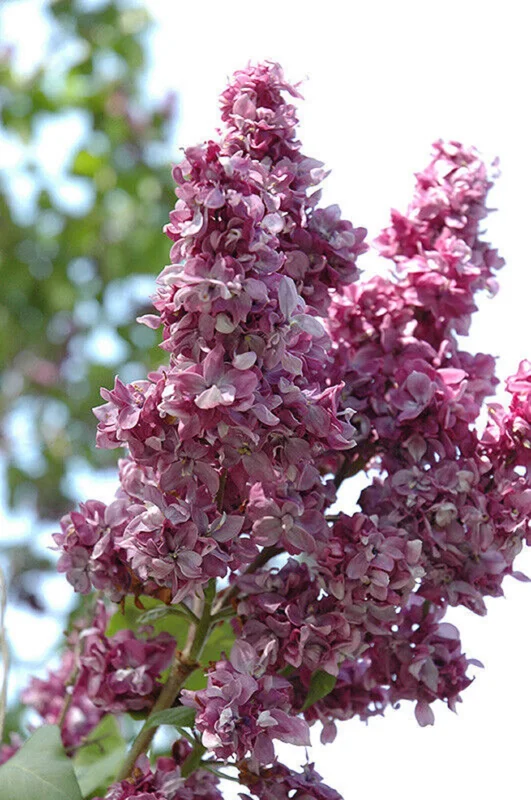
Introduce a touch of classic beauty to your landscape with the Adelaide Dunbar Lilac live plant. This exquisite deciduous shrub, scientifically known as Syringa ‘Adelaide Dunbar’, is celebrated for its profusion of deeply colored, fragrant blooms. Originating from the Lilac family, this variety offers a spectacular display of fuchsia to lavender-hued flowers in the spring, making it a garden favorite. The Adelaide Dunbar Lilac live plant is a robust and resilient specimen, ideal for gardeners seeking a plant that combines visual appeal with a delightful sensory experience. Its upright growth habit and dense foliage provide excellent structure and privacy when mature.
The Syringa ‘Adelaide Dunbar’ is a relatively low-maintenance shrub that can adapt to various garden settings, from formal beds to more naturalized areas. Its strong, sweet fragrance is a significant draw, attracting pollinators and delighting human visitors alike. This makes it an excellent choice for planting near patios, walkways, or windows where its perfume can be fully appreciated. As a starter plant, measuring approximately 6-10 inches, it provides a fantastic opportunity to establish a long-lasting and rewarding addition to your outdoor space, growing into a substantial and impressive specimen over time.
Key Benefits
The Adelaide Dunbar Lilac live plant offers numerous advantages for any garden enthusiast, combining aesthetic appeal with practical benefits:
- Spectacular Spring Blooms: Enjoy a breathtaking display of fuchsia and lavender flowers each spring, providing vibrant color and an uplifting atmosphere after the winter months. These rich, deep tones are unique and highly sought after in lilac varieties.
- Intense Fragrance: Fill your garden with the classic, sweet, and intoxicating scent of lilac. The strong fragrance of the Adelaide Dunbar Lilac live plant is perfect for creating a sensory garden experience and can even drift indoors.
- Attracts Pollinators: The abundant, nectar-rich flowers are a magnet for bees, butterflies, and other beneficial pollinators, contributing to a healthy and thriving garden ecosystem.
- Excellent Cut Flowers: The beautiful and fragrant blooms make superb cut flowers, allowing you to bring the beauty and aroma of your garden indoors to enhance any room.
- Hardy and Resilient: This fragrant lilac shrub is notably winter-hardy, thriving in a wide range of climates and requiring minimal protection once established, making it a reliable choice for many regions.
- Low Maintenance: Once established, Syringa ‘Adelaide Dunbar’ requires relatively little fuss. It is tolerant of various conditions and generally resistant to common pests and diseases, ensuring an easy gardening experience.
- Versatile Landscaping: Its mature size and attractive form make it suitable for a variety of landscaping uses, including specimen planting, hedges, borders, or as part of a mixed shrub bed.
Plant Care & Growing Tips
Caring for your Adelaide Dunbar Lilac live plant is straightforward, ensuring years of beautiful blooms. This deciduous shrub thrives best in a location that receives full sun, meaning at least 6-8 hours of direct sunlight per day. Adequate sunlight is crucial for prolific flowering. While it can tolerate some partial shade, too little sun will result in fewer blooms and a leggy growth habit. Ensure good air circulation around the plant to prevent fungal issues, especially in humid climates. This lilac is winter hardy in USDA Zones 3-7, making it suitable for a broad range of temperate regions.
When it comes to watering, consistent moisture is important during the first year of establishment. Once mature, the purple lilac plant is relatively drought-tolerant but will benefit from deep watering during prolonged dry spells, especially during its blooming period. Avoid overwatering, as lilacs do not like consistently wet feet. Well-drained soil is paramount; sandy loams or loamy soils with a neutral to slightly alkaline pH are ideal. Amending heavy clay soils with organic matter can improve drainage. Fertilize in early spring with a balanced slow-release fertilizer designed for flowering shrubs, but avoid excessive nitrogen, which can promote foliage growth at the expense of flowers. Pruning should be done immediately after flowering to shape the plant, remove spent blooms, and encourage new growth for the following season. Avoid pruning in late summer or fall, as this can remove next year’s flower buds. Keep an eye out for common lilac issues like powdery mildew (often due to poor air circulation) or lilac borer, and address them promptly with appropriate organic or chemical controls.
Size & Details
The Adelaide Dunbar Lilac live plant is provided as a starter plant, typically measuring approximately 6-10 inches in height. These young plants are well-rooted, ensuring a strong start in your garden. They are commonly shipped in a 2 1/2 x 3 1/2 inch pot, providing enough soil and root protection for transportation and initial planting. This variety of deciduous lilac is known for its vigorous growth and can reach a mature height of 8 feet or more, with a similar spread, creating a substantial presence in your landscape. Its growth rate is moderate, meaning it will establish and grow into a sizable shrub within a few years, offering increasingly abundant blooms as it matures. Expect first blooms within 1-3 years after planting, with the display becoming more impressive each subsequent spring. The plant will arrive ready to be transplanted into your garden or a larger container, allowing it to acclimate and begin its journey towards becoming a magnificent specimen.
Frequently Asked Questions
- Q: How big does this Adelaide Dunbar Lilac live plant get? A: The ‘Adelaide Dunbar’ Lilac is a vigorous grower and can reach a mature height of 8 feet or more, with a similar spread. Its ultimate size depends on growing conditions and pruning habits.
- Q: Is this an indoor or outdoor plant? A: The Adelaide Dunbar Lilac live plant is an outdoor deciduous shrub. It requires cold dormancy in winter and thrives when planted directly in the ground, in full sun.
- Q: How much sunlight does it need? A: For the best flowering performance, this lilac needs full sun, which means at least 6-8 hours of direct sunlight per day. Less sun may result in fewer blooms.
- Q: Is this plant easy to care for? A: Yes, once established, the ‘Adelaide Dunbar’ Lilac is considered a relatively low-maintenance shrub. It is hardy and tolerant of various conditions, making it suitable for gardeners of all experience levels.
- Q: What condition will it arrive in? A: Your Syringa Adelaide Dunbar starter plant will arrive well-rooted in a 2 1/2 x 3 1/2 inch pot, carefully packaged to ensure its health during transit.
- Q: How long until it blooms? A: As a starter plant, you can typically expect your ‘Adelaide Dunbar’ Lilac to begin blooming within 1-3 years after planting, with the floral display becoming more robust each year.
- Q: Will it survive winter in my zone? A: This fragrant lilac shrub is winter hardy in USDA Zones 3-7, meaning it is well-suited for surviving cold temperatures within these regions. Ensure proper establishment before winter for best results.
- Q: What type of soil is best for this lilac? A: The ‘Adelaide Dunbar’ Lilac prefers well-draining soil, ideally a sandy loam or loamy soil with a neutral to slightly alkaline pH. Good drainage is crucial to prevent root issues.
- Q: When is the best time to plant this lilac? A: Spring or early fall are generally the best times to plant the purple lilac plant, allowing it to establish its root system before extreme heat or cold.
- Q: Can I use the flowers for cutting? A: Absolutely! The highly fragrant and beautiful blooms of the ‘Adelaide Dunbar’ Lilac are excellent for cutting and bringing indoors to enjoy their beauty and scent.


Reviews
There are no reviews yet.