Overview
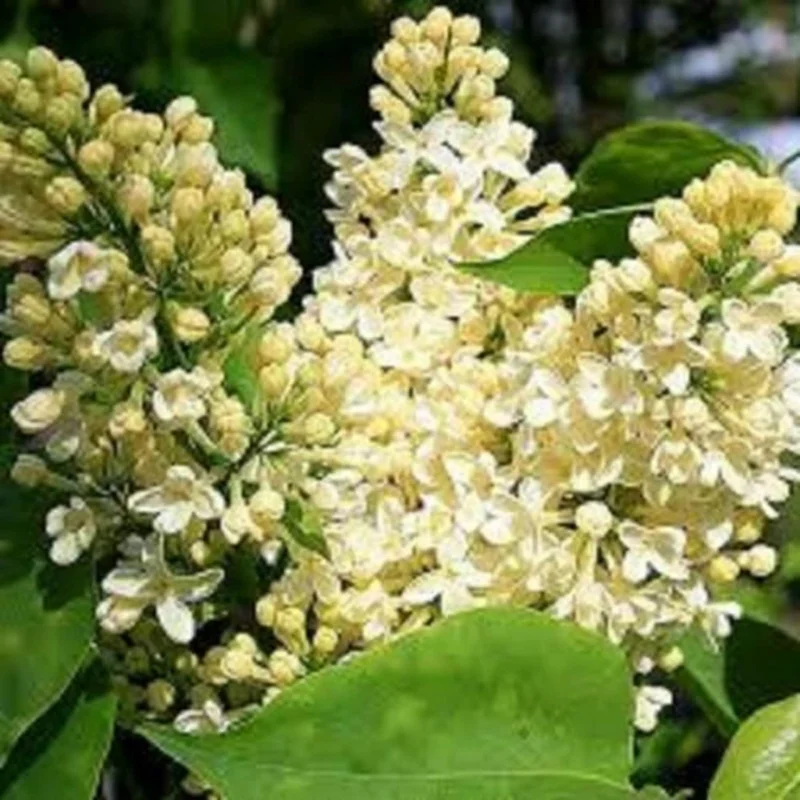
Introduce a touch of unique charm and delightful fragrance to your landscape with the Syringa Primrose lilac plant. This exceptional variety of common lilac (Syringa vulgaris) stands out with its distinctive pale yellow to whitish blooms, offering a softer, more unusual color palette compared to traditional purple or white lilacs. Often, the yellowish coloration is more pronounced in cooler climates, adding an interesting dynamic to its display. As a well-rooted starter plant, this deciduous shrub is ready to establish itself in your garden, promising years of beautiful spring flowers and an intoxicating scent.
The ‘Primrose’ lilac is a robust and reliable shrub, known for its vigorous growth and ability to reach a mature height of up to 10 feet. Its upright, spreading habit makes it an excellent choice for a specimen plant, a fragrant hedge, or as a backdrop in a mixed border. Beyond its stunning visual appeal, the Syringa Primrose lilac plant is celebrated for its highly fragrant flowers, making it a favorite for cut flower arrangements that bring the essence of spring indoors. Its adaptability and hardiness across USDA zones 3-7 ensure it will thrive in a wide range of climates, providing consistent beauty year after year.
Key Benefits
The Syringa Primrose lilac plant offers a multitude of benefits for any gardener, combining aesthetic appeal with practical advantages:
- Unique Yellow Blooms: Unlike most lilacs, ‘Primrose’ boasts charming pale yellow to whitish flowers. This distinctive hue provides a refreshing contrast in the spring garden and can be a focal point that draws the eye. The yellowish tint is often more pronounced in cooler temperatures, adding to its intrigue.
- Intense Fragrance: One of the most cherished qualities of any lilac, the ‘Primrose’ variety delivers an exquisite, sweet fragrance. Its perfume fills the air, creating a sensory delight in your garden and making it a perfect choice for planting near patios, windows, or walkways where its scent can be fully appreciated. This makes it an ideal fragrant lilac shrub.
- Excellent Cut Flower: The beautiful and aromatic blossoms are perfect for cutting and bringing indoors. A vase full of ‘Primrose’ lilac branches can instantly brighten a room and infuse it with a natural, intoxicating aroma, serving as a beautiful centerpiece.
- Hardy and Adaptable: Thriving in USDA Zones 3-7, this lilac bush is remarkably cold-hardy and adaptable to various soil conditions, provided they are well-drained. Its resilience makes it a low-maintenance option for many gardeners seeking reliable spring color.
- Attracts Pollinators: The abundant flowers of the Syringa Primrose lilac plant are a magnet for bees, butterflies, and other beneficial pollinators, contributing to the biodiversity and health of your garden ecosystem.
- Deciduous Beauty: As a deciduous shrub, it provides seasonal interest. While its primary show is in spring, its structure adds winter interest, and its summer foliage provides a lush green backdrop.
- Versatile Landscape Use: Whether used as a specimen plant, in a mass planting, as a privacy screen, or as part of a mixed border, this yellow lilac bush offers versatility in landscape design due to its mature size and attractive form.
Plant Care & Growing Tips
Caring for your Primrose lilac care is relatively straightforward, ensuring a spectacular display of blooms each spring. This hardy deciduous shrub prefers a location with full sun, meaning at least 6 hours of direct sunlight per day. Adequate sunlight is crucial for prolific flowering. While it can tolerate some partial shade, too much shade will result in fewer blooms and a less vigorous plant. Good air circulation is also beneficial to prevent fungal diseases.
When it comes to soil, the ‘Primrose’ lilac thrives in well-drained soil. It is not overly particular about soil type, but it performs best in rich, organic, slightly alkaline to neutral soils. Avoid heavy, waterlogged clay soils, as these can lead to root rot. If your soil is heavy, amend it with compost or other organic matter to improve drainage. Water newly planted lilacs regularly to help establish a strong root system. Once established, they are moderately drought-tolerant but will benefit from consistent watering during prolonged dry spells, especially when flowering. Ensure the soil is moist but not soggy.
Fertilize your deciduous lilac plant in early spring before new growth begins, using a balanced slow-release fertilizer or one formulated for flowering shrubs. Avoid excessive nitrogen, which can promote leafy growth at the expense of flowers. Pruning is best done immediately after flowering to shape the plant and remove spent blooms. This encourages the development of flower buds for the following year and maintains a desirable size and form. Remove any dead, damaged, or crossing branches. The ‘Primrose’ lilac is generally pest and disease resistant, but keep an eye out for powdery mildew in humid conditions or lilac borers; good air circulation helps prevent issues.
Size & Details
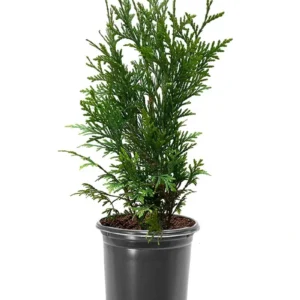
The Syringa Primrose lilac plant you receive is a well-rooted starter plant, typically measuring approximately 7-10 inches tall. It is shipped in a 2 1/2 x 3 1/2 inch pot, providing a healthy root system ready for transplanting into your garden or a larger container. This deciduous shrub is known for its moderate to fast growth rate, quickly developing into a substantial presence in your landscape. At maturity, it can reach a height of up to 10 feet with a similar spread, creating a beautiful, full bush. The pale yellow flower buds emerge in spring, opening into fragrant whitish or pale yellowish blooms, with the yellow coloration often more pronounced in cooler climates. Expect these stunning, fragrant flowers to appear from mid to late spring, providing a spectacular seasonal show.
This yellow lilac bush is cold-hardy, suitable for USDA Zones 3-7, making it a versatile choice for many regions across the United States. Its robust nature ensures it will establish well and reliably produce its unique flowers year after year. The plant is ideal for creating a fragrant border, a captivating specimen plant, or as a component in a mixed shrub planting. With proper care, your ‘Primrose’ lilac will quickly grow to fill its space, becoming a cherished part of your garden for decades.
Frequently Asked Questions
- Q: How big does this Syringa Primrose lilac plant get? A: At maturity, the ‘Primrose’ lilac can reach a height of up to 10 feet with a similar spread. As a starter plant, it will arrive approximately 7-10 inches tall, ready to grow into a substantial shrub.
- Q: Is this an indoor or outdoor plant? A: The Syringa Primrose lilac plant is an outdoor deciduous shrub. It requires a period of winter dormancy and is best suited for planting directly in the ground in USDA Zones 3-7.
- Q: How much sunlight does it need? A: This lilac thrives in full sun, requiring at least 6 hours of direct sunlight per day for optimal growth and abundant flowering. Less sun may result in fewer blooms.
- Q: Is this plant easy to care for? A: Yes, the ‘Primrose’ lilac is considered an easy-to-care-for shrub, especially once established. Basic Primrose lilac care involves proper watering, annual fertilization, and post-bloom pruning. It’s a great choice for both novice and experienced gardeners.
- Q: What condition will it arrive in? A: Your deciduous lilac plant will arrive as a well-rooted starter plant in a 2 1/2 x 3 1/2 inch pot, carefully packaged to ensure it reaches you in healthy condition, ready for planting.
- Q: When is the best time to plant a yellow lilac bush? A: The best time to plant is in spring or early fall. This allows the plant to establish its root system before the stress of summer heat or winter cold.
- Q: Will it survive winter in my zone? A: Yes, ‘Primrose’ lilac is very cold-hardy and is suitable for USDA Hardiness Zones 3-7. It can withstand cold winters and will enter a dormant state, re-emerging with new growth in spring.
- Q: What color are the flowers of the ‘Primrose’ lilac? A: The ‘Primrose’ lilac produces unique pale yellow flower buds that open into fragrant whitish or pale yellowish blooms. The intensity of the yellow can vary, often being more pronounced in cooler climates.
- Q: Does this lilac attract pollinators? A: Absolutely! The fragrant flowers of the fragrant lilac shrub are very attractive to bees, butterflies, and other beneficial pollinators, making it a great addition to a pollinator garden.
- Q: Can I use the blooms as cut flowers? A: Yes, the ‘Primrose’ lilac produces beautiful and highly fragrant blooms that are excellent for cutting and bringing indoors to enjoy in floral arrangements.


Reviews
There are no reviews yet.