Overview
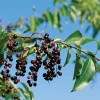
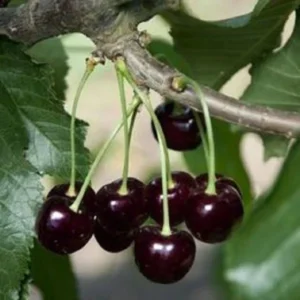
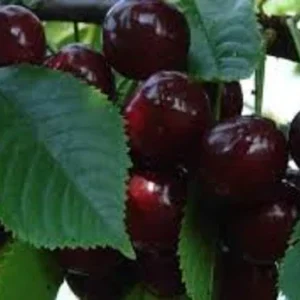
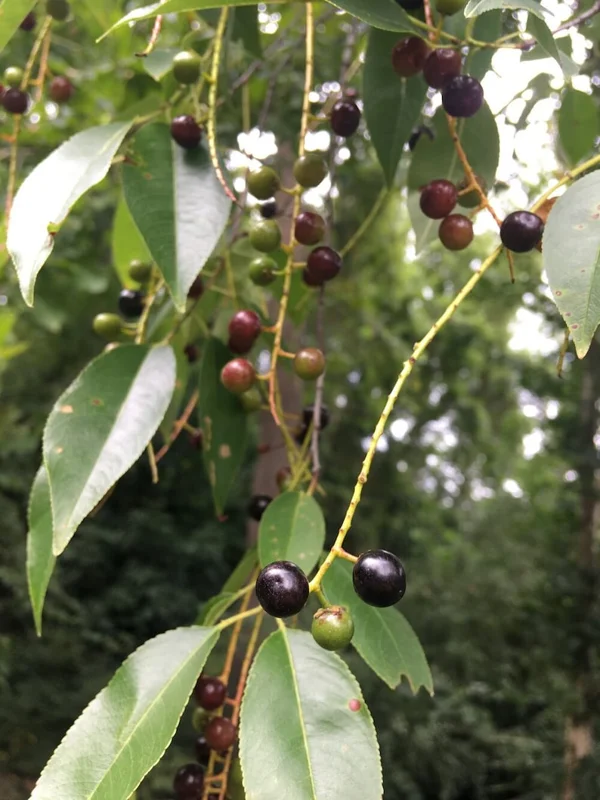
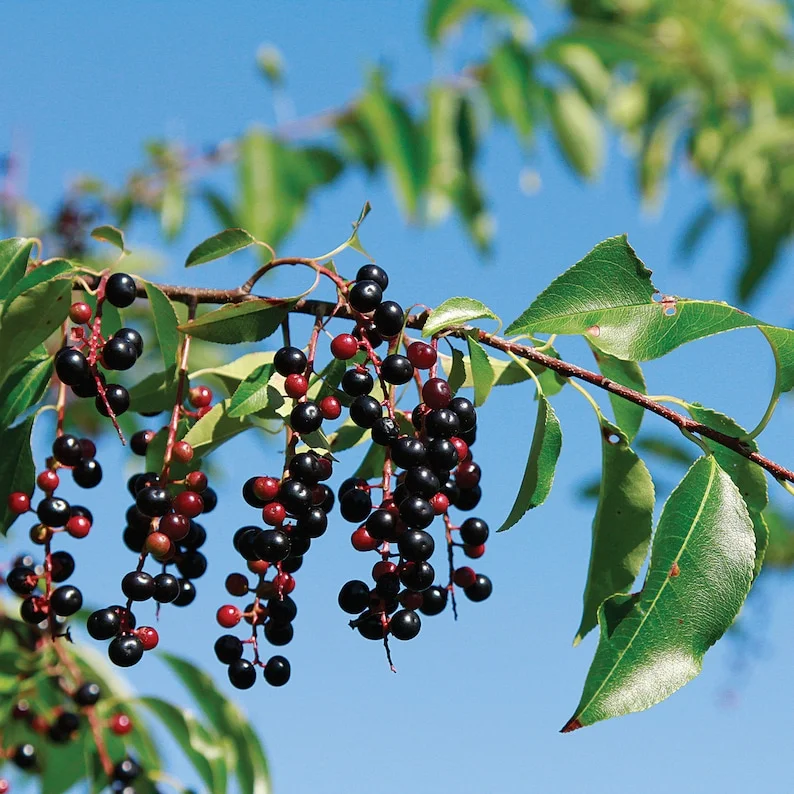
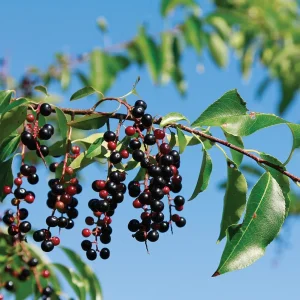
Bring the joy of harvesting your own sweet fruit to your garden with this vibrant black cherry tree live plant. This young specimen, measuring 8-12 inches tall and established in a half-gallon nursery pot, is ready for planting and promises to be a rewarding addition to any landscape. Known scientifically as Prunus serotina, the black cherry tree live plant is celebrated not only for its delectable, dark red to black fruits but also for its ornamental value. Its beautiful white flowers in spring give way to lush green foliage in summer, providing shade and visual interest before the fruit ripens. Whether you’re an experienced gardener or just starting your fruit-growing journey, this tree offers a fantastic opportunity to enjoy fresh, homegrown produce.
The black cherry tree live plant is a versatile species, native to North America, making it well-adapted to various climates. It’s a fantastic choice for attracting local wildlife, including birds and pollinators, which can enhance the biodiversity of your garden. Beyond its fruit and aesthetic appeal, the black cherry tree is also valued for its strong, durable wood. Investing in a black cherry tree live plant means investing in a piece of nature that will provide beauty, sustenance, and ecological benefits for years to come.
Key Benefits
Choosing a black cherry tree live plant for your home or garden offers a multitude of advantages, combining beauty, utility, and ecological benefits:
- Delicious Homegrown Fruit: Enjoy the unparalleled taste of fresh, sweet, and juicy black cherries directly from your own garden. Perfect for eating fresh, baking, or making preserves. This black cherry tree live plant will provide abundant harvests once mature.
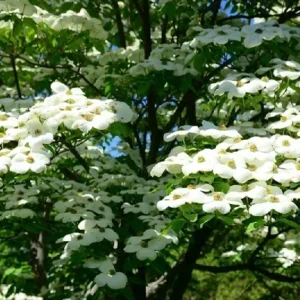
- Ornamental Appeal: Beyond its fruit, the tree boasts beautiful white spring blossoms and attractive green foliage, making it a stunning addition to any landscape design. It offers seasonal interest from spring through fall.
- Wildlife Attraction: The flowers attract pollinators like bees, and the ripe cherries are a favorite food source for various bird species, enhancing your garden’s ecosystem.
- Shade and Structure: As it matures, the tree provides ample shade, creating a comfortable outdoor space during hot summer months. Its sturdy structure adds a natural, enduring element to your property.
- Durable and Adaptable: The prunus serotina plant is known for its hardiness and ability to thrive in a range of soil types and environmental conditions, making it a relatively low-maintenance option for many gardeners.
- Long-Term Investment: A well-cared-for black cherry tree can live for many decades, providing continuous beauty and fruit production, truly a long-term asset for your landscape.
Plant Care & Growing Tips
Caring for your black cherry tree live plant involves understanding its specific needs to ensure robust growth and bountiful fruit production. This tree thrives in full sun, meaning it requires at least 6-8 hours of direct sunlight per day. Choose a location in your garden that receives ample light, ideally facing south or west. Good air circulation is also important to prevent fungal diseases. When it comes to soil, the prunus serotina plant prefers well-draining, loamy soil with a pH between 6.0 and 7.0. While it can tolerate a range of soil types, avoid heavy clay soils that retain too much water, as this can lead to root rot. Amending the soil with organic matter before planting can significantly improve drainage and fertility.
Watering is crucial, especially during the first few years after planting. Young black cherry tree live plants need consistent moisture to establish their root systems. Water deeply once or twice a week, or more frequently during dry spells, ensuring the top few inches of soil remain moist but not waterlogged. Once established, the tree becomes more drought-tolerant but will still benefit from irrigation during prolonged dry periods. Fertilize in early spring with a balanced slow-release fertilizer formulated for fruit trees. Follow the product instructions carefully to avoid over-fertilization, which can harm the tree. Pruning should be done in late winter or early spring while the tree is dormant, focusing on removing dead, damaged, or crossing branches to improve air circulation and sunlight penetration. This practice also helps in shaping the tree and encouraging fruit production. The growing black cherry tree is generally hardy in USDA zones 3-9, making it suitable for a wide range of climates.
To prevent common issues, monitor your ornamental cherry tree for signs of pests like aphids or borers, and diseases such as black knot or powdery mildew. Early detection and treatment are key to maintaining a healthy tree. Using organic pest control methods or appropriate fungicides can help manage these problems. Proper spacing from other plants and structures is also important to allow for mature growth and good air circulation. With consistent care, your black cherry tree live plant will flourish, providing years of beauty and delicious fruit.
Size & Details
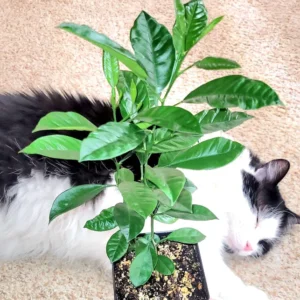
This offering is for a healthy black cherry tree live plant, which measures approximately 8-12 inches in height from the base of the soil to the tip of its tallest stem. It comes pre-potted in a half-gallon nursery container, providing a stable environment for its initial growth and making it easy to transplant. The half-gallon size ensures that the root system is well-developed and ready to adapt to its new home in your garden. Expected growth rate for a growing black cherry tree is moderate, typically adding 1-2 feet per year once established, eventually reaching heights of 50-80 feet in ideal conditions, though it can be maintained smaller with pruning. The tree ships as a young, actively growing specimen, ready to continue its development in your landscape.
The form of the tree when shipped is a young whip or sapling, with a single main stem or a few developing branches. The plant is carefully packaged to ensure its safe arrival, with its root ball protected. While the tree will produce fruit, it typically takes several years for a young black cherry tree live plant to reach maturity and begin consistent fruit bearing, usually 5-8 years depending on growing conditions. This particular size is perfect for planting in the spring or fall, allowing it ample time to establish itself before extreme weather conditions. The ornamental cherry tree will develop a broad, rounded crown as it matures, providing significant shade and a strong visual presence.
Frequently Asked Questions
- Q: How big does this plant get? A: This black cherry tree live plant is currently 8-12 inches tall. When mature, black cherry trees can reach heights of 50-80 feet with a spread of 30-50 feet, depending on growing conditions and whether it is pruned.
- Q: What size pot does it come in? A: The tree is shipped in a half-gallon nursery pot, providing a good start for its root system before transplanting into your garden.
- Q: Is this an indoor or outdoor plant? A: The black cherry tree live plant is an outdoor tree, best suited for planting directly in the ground in a garden or orchard setting. It requires significant space to grow to its full potential.
- Q: How much sunlight does it need? A: This tree thrives in full sun, requiring a minimum of 6-8 hours of direct sunlight per day to produce the best fruit and maintain robust health.
- Q: Is this plant easy to care for? A: The prunus serotina plant is considered moderately easy to care for once established. It requires consistent watering in its early years and benefits from annual pruning and fertilization.
- Q: What condition will it arrive in? A: Your black cherry tree live plant will arrive as a healthy, actively growing sapling, carefully packaged to protect its roots and foliage during transit.
- Q: How long until it blooms? A: Young black cherry trees typically begin to bloom and produce fruit within 5-8 years after planting, depending on care and growing conditions.
- Q: When is the best time to plant? A: The best time to plant your growing black cherry tree is in the early spring after the last frost, or in the fall before the first hard frost, allowing its roots to establish.
- Q: Will it survive winter in my zone? A: Black cherry trees are hardy in USDA Zones 3-9, meaning they can tolerate a wide range of winter temperatures within these zones.
- Q: What’s the minimum temperature it can tolerate? A: Established black cherry trees can tolerate winter temperatures down to approximately -40°F (-40°C) in USDA Zone 3. Young trees may need protection in the colder parts of their range.


Reviews
There are no reviews yet.