Overview
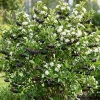
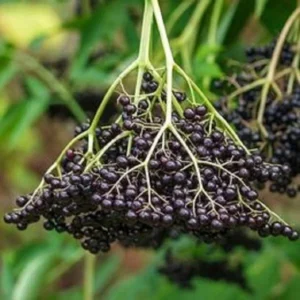
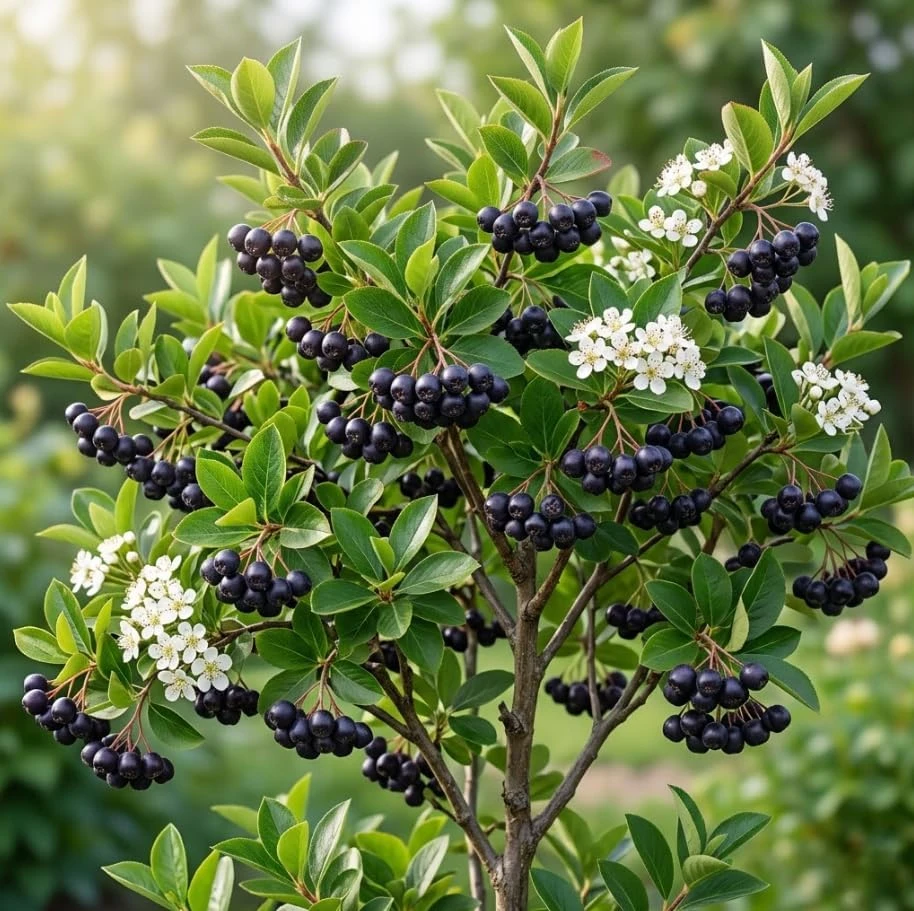
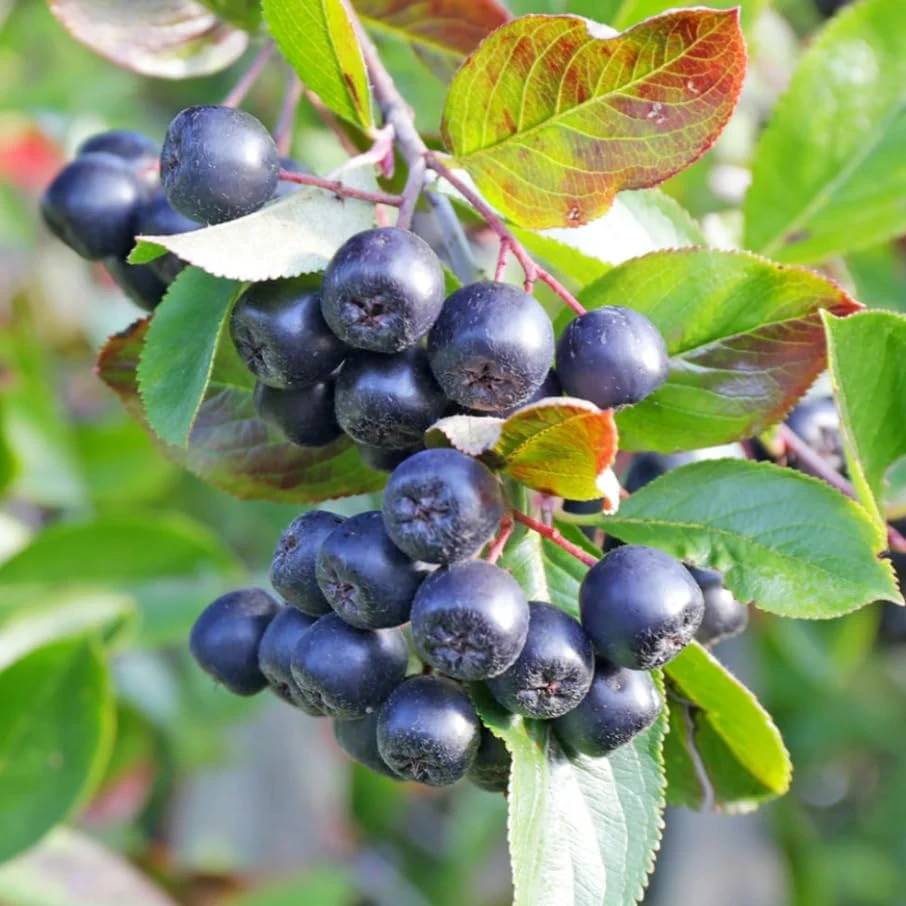
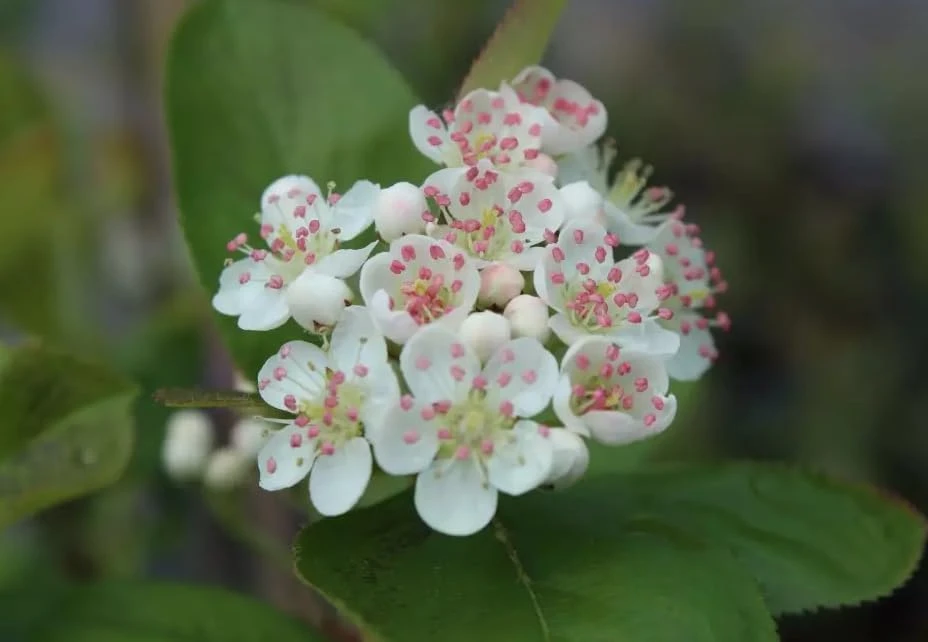
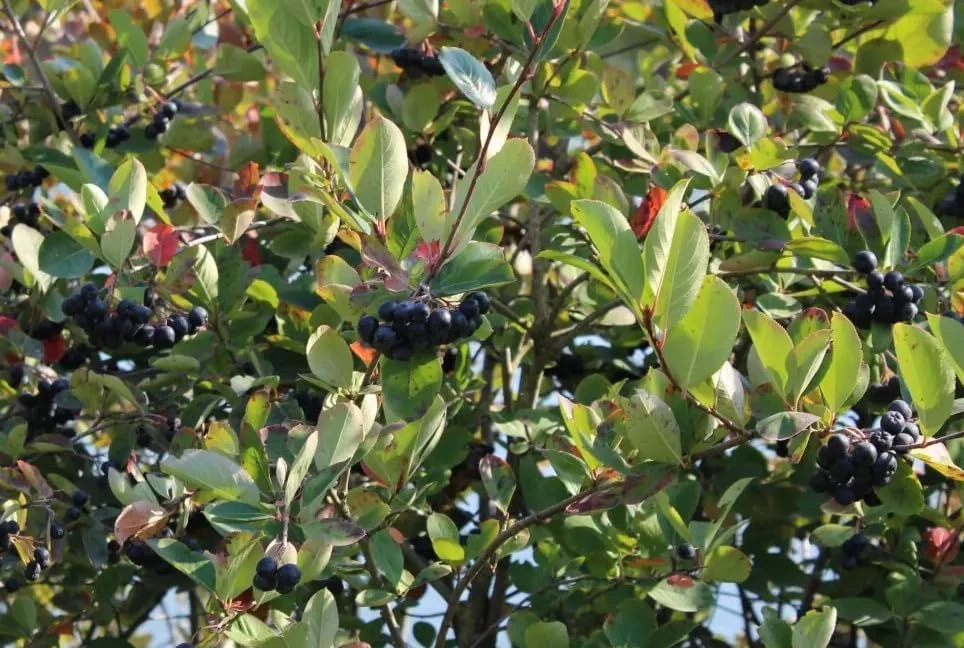
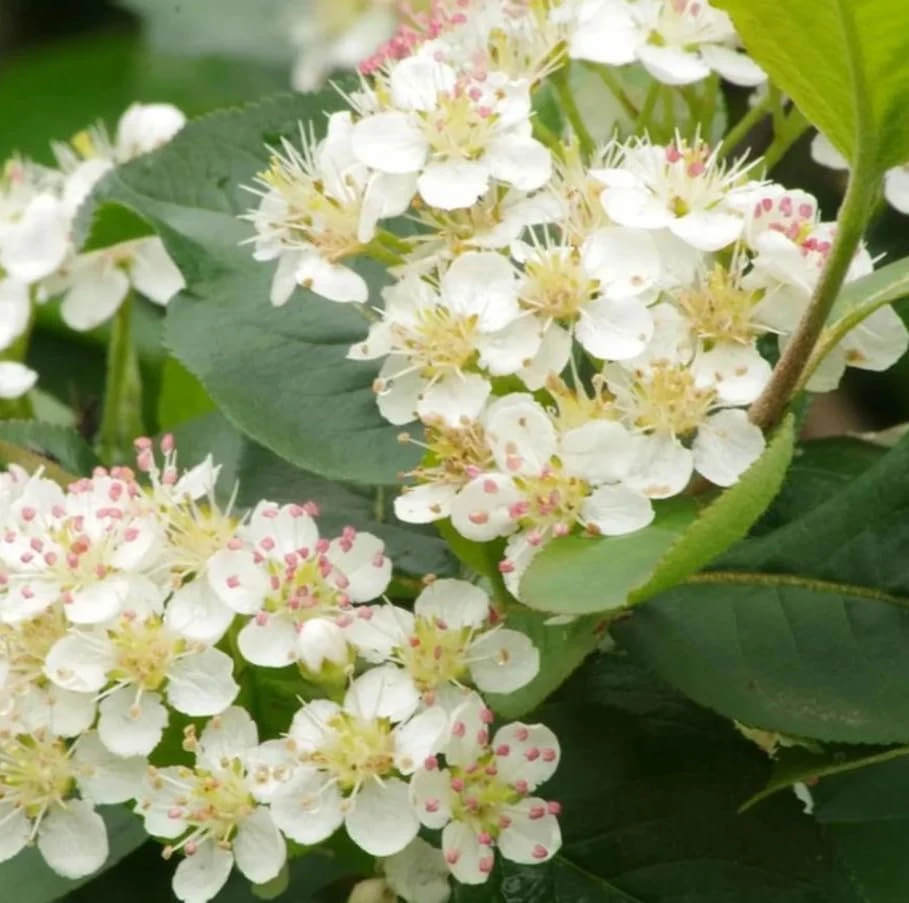
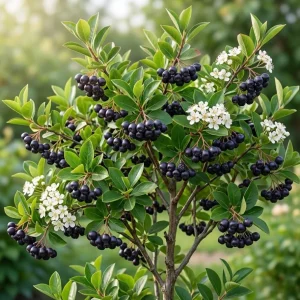
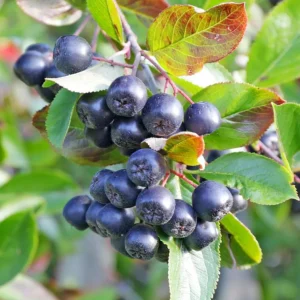
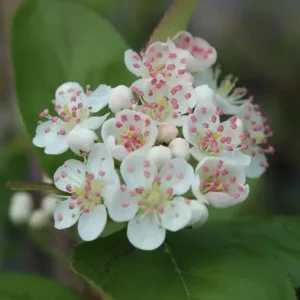
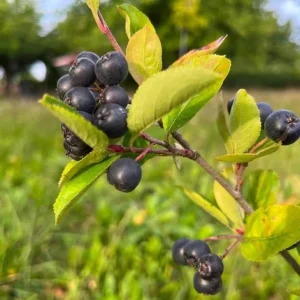
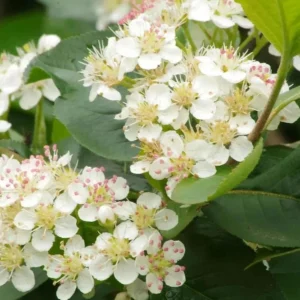
Introduce a robust and rewarding addition to your landscape with the black chokeberry live plant. Also widely known as the aronia berry shrub, this versatile deciduous plant is celebrated for its multi-season appeal. From delicate white flowers in spring to abundant dark purple, nutrient-rich berries in late summer, and finally, brilliant red-orange foliage in autumn, the chokeberry offers continuous visual interest. Our live plants arrive 6-12 inches tall, ready to establish quickly in your garden. This hardy deciduous plant is not only ornamental but also produces edible fruit, making it a valuable choice for both beauty and utility. It’s an excellent option for gardeners seeking a low-maintenance, high-impact plant that thrives in a range of conditions.
The botanical name for the black chokeberry live plant is Aronia melanocarpa, and it is native to eastern North America. Its adaptability to various soil types and light conditions, coupled with its disease resistance, makes it a favorite among landscapers and home gardeners alike. Whether you’re aiming to create a naturalized area, a hedge, or simply add a specimen plant, the chokeberry is an outstanding selection that provides both aesthetic beauty and ecological benefits, attracting birds and other wildlife with its berries.
Cultivating a black chokeberry live plant means investing in a resilient and productive addition to your outdoor space. Its ability to thrive in diverse environments, coupled with its aesthetic appeal and healthful fruit, makes it a prime choice for sustainable and beautiful landscaping.
Key Benefits
The black chokeberry live plant offers a multitude of benefits that extend beyond its ornamental appeal, making it a smart choice for any garden. Its hardiness and low maintenance requirements are just the beginning of what this plant provides. This aronia berry shrub is a truly versatile addition.
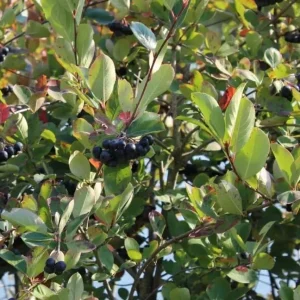
- Four-Season Interest: Enjoy beautiful white flowers in spring, lush green foliage in summer, vibrant red-orange fall color, and dark berries that persist into winter, providing continuous visual appeal to your garden. The persistent berries offer winter interest and food for wildlife.
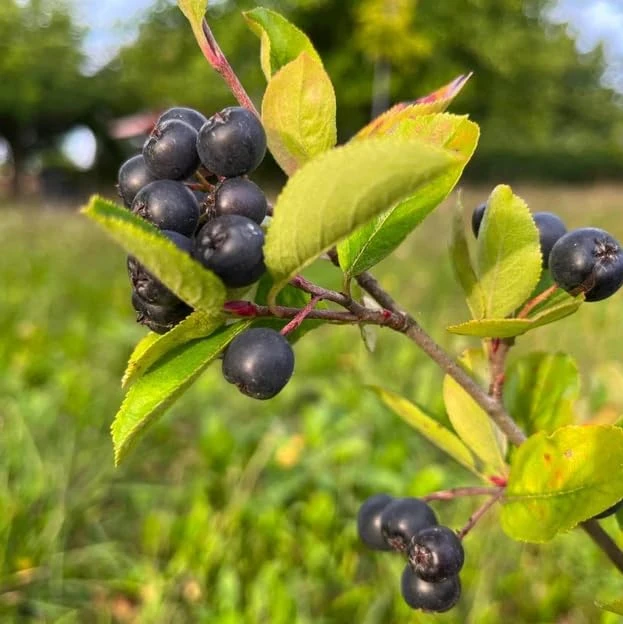
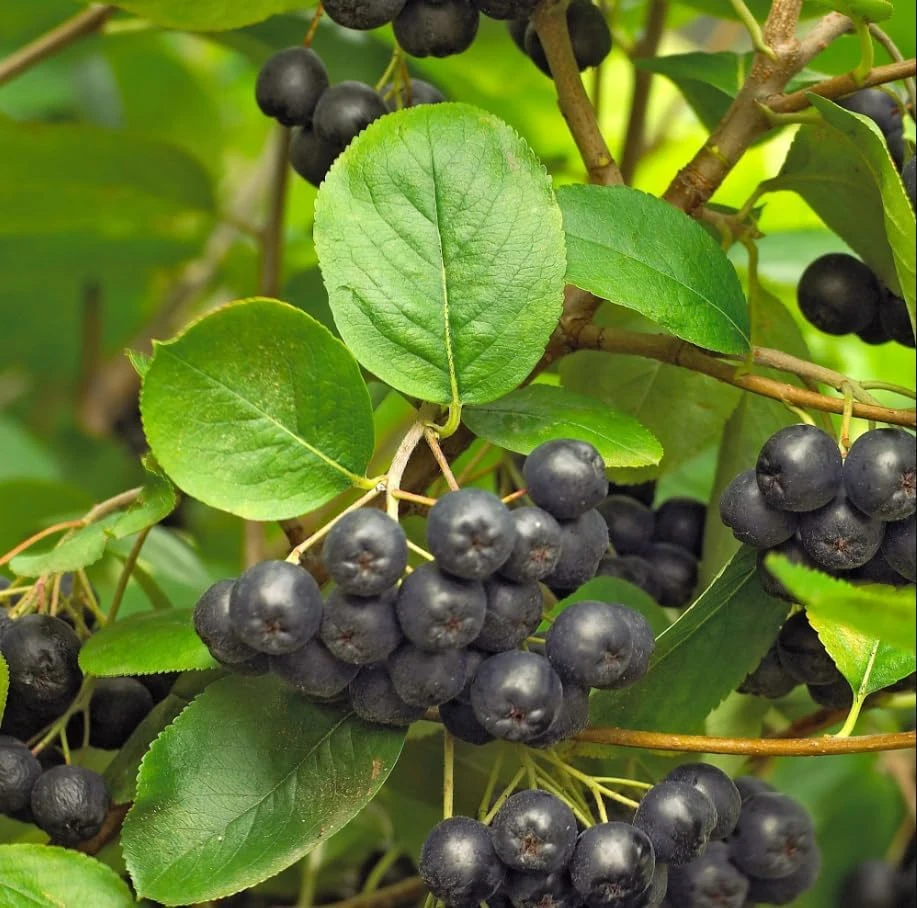
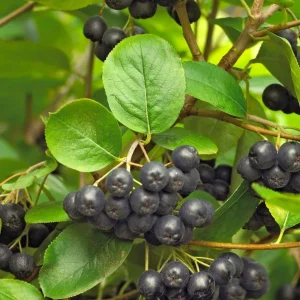
- Edible & Nutritious Fruit: The dark purple aronia berries are packed with antioxidants, vitamins, and minerals. While tart when raw, they are excellent for jams, jellies, juices, and baking, offering a healthy harvest directly from your garden. These superfood berries are increasingly popular for their health benefits.
- Exceptional Hardiness: This hardy deciduous plant is incredibly resilient, tolerating a wide range of climates and conditions, making it suitable for USDA Zones 3-8. It’s known for its ability to withstand cold winters and hot summers, ensuring reliability and longevity in your landscape.
- Low Maintenance: Once established, minimal chokeberry plant care is required. It’s drought-tolerant, pest-resistant, and generally requires little pruning, freeing up your time for other gardening tasks. This makes it ideal for busy gardeners or those new to planting.
- Wildlife Attractor: The berries serve as an important food source for birds and other small wildlife, contributing to the biodiversity of your garden environment and creating a lively ecosystem. The flowers also attract pollinators in spring.
- Adaptable to Various Soils: While it prefers well-draining soil, the black chokeberry live plant can thrive in clay, sandy, or loamy soils, showcasing its remarkable versatility for different garden settings. Its flexibility makes it suitable for almost any garden type.
- Versatile Landscape Use: Perfect for hedges, mass plantings, naturalized areas, or as an attractive specimen shrub. Its moderate size makes it suitable for various garden designs, from formal to informal, adding structure and beauty.
Plant Care & Growing Tips
Caring for your black chokeberry live plant is straightforward, thanks to its robust nature. To ensure optimal growth and fruit production, understanding its basic needs is key. This aronia berry shrub thrives in a variety of conditions, making it an excellent choice for gardeners of all skill levels. It prefers a location with full sun to partial shade, with full sun promoting the best berry production and fall color. Aim for at least 6 hours of direct sunlight daily. While adaptable to various soil types, well-draining soil with a pH between 5.0 and 7.0 is ideal. Incorporating organic matter can improve soil structure and fertility.
When it comes to watering, young plants require consistent moisture to establish their root systems. Once established, the black chokeberry live plant is quite drought-tolerant, though regular watering during prolonged dry spells will encourage better fruiting. Fertilize annually in early spring with a balanced, slow-release fertilizer to support healthy growth and fruit development. Minimal chokeberry plant care includes occasional pruning to remove dead or damaged branches and to maintain shape. You can also prune for rejuvenation every few years by removing the oldest stems at the base. This hardy deciduous plant is generally resistant to pests and diseases, making it a low-hassle option for your garden.
Understanding the specific needs of Aronia melanocarpa ensures a thriving plant. Protection from harsh winter winds might be beneficial in the coldest parts of its hardiness range, though it is remarkably resilient. Proper site selection and initial planting care will set your plant up for years of beautiful blooms and abundant harvests.
Size & Details
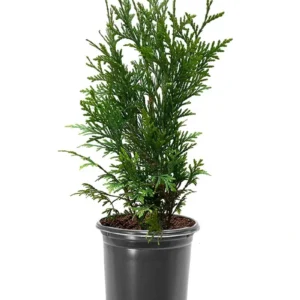
Our black chokeberry live plant arrives ready for planting, typically measuring 6-12 inches tall. This size allows for quick establishment in your garden, whether you’re planting it as a specimen, in a mass planting, or as part of a hedge. The plant generally grows to a mature height of 5-8 feet with a similar spread, creating a rounded, upright shrub. Its moderate growth rate means you’ll see significant development within a few seasons.
This aronia berry shrub is shipped as a live plant, carefully packaged to ensure its health upon arrival. It will typically begin producing berries within 1-3 years of planting, with peak production occurring as the plant matures. Expect the vibrant white flowers to appear in spring, followed by green foliage, and then the dark purple berries in late summer to early fall, which often persist into winter for continued interest and wildlife food.
Frequently Asked Questions
- Q: How big does this plant get? A: The black chokeberry live plant typically grows to a mature height and spread of 5-8 feet, forming a dense, multi-stemmed shrub. Its size makes it versatile for various landscape uses.
- Q: What size pot does it come in? A: Our live plants are typically shipped in a nursery pot appropriate for their 6-12 inch height, ensuring the root system is well-protected and ready for transplanting.
- Q: Is this an indoor or outdoor plant? A: The black chokeberry live plant is an outdoor plant, ideally suited for garden beds, hedges, and naturalized areas. It requires outdoor conditions to thrive and produce fruit.
- Q: How much sunlight does it need? A: This aronia berry shrub performs best in full sun, meaning at least 6 hours of direct sunlight per day. It can tolerate partial shade, but berry production and fall color may be less vibrant.
- Q: Is this plant easy to care for? A: Yes, chokeberry plant care is considered low maintenance. Once established, it is drought-tolerant, pest-resistant, and requires minimal pruning, making it excellent for beginners.
- Q: What condition will it arrive in? A: Your black chokeberry live plant will arrive as a healthy, actively growing specimen, carefully packaged to minimize stress during transit. It will be ready for immediate planting.
- Q: Can I eat the berries from this plant? A: Absolutely! The dark purple aronia berries are edible and highly nutritious, packed with antioxidants. While tart when raw, they are excellent for processing into jams, jellies, juices, and baked goods.
- Q: How long until it produces berries? A: A young black chokeberry live plant typically begins to produce berries within 1-3 years after planting, with increasing yields as the plant matures.
- Q: When is the best time to plant? A: The best time to plant your hardy deciduous plant is in the spring or fall, allowing it to establish its root system before extreme summer heat or winter cold.
- Q: Will it survive winter in my zone? A: Yes, the black chokeberry live plant is incredibly hardy and suitable for USDA Zones 3-8, making it resilient to cold winters in a wide range of climates.


Reviews
There are no reviews yet.