Overview
Discover the remarkable dark chokeberry plant, a versatile and resilient shrub that brings both ornamental appeal and edible superfoods to your garden. Also widely known as the Aronia Berry, this plant (Aronia melanocarpa) is celebrated for its ease of care, stunning seasonal display, and highly nutritious fruit. Our offering is a healthy, live chokeberry bare root specimen, typically 6-12 inches tall, ready to establish itself in your landscape. The aronia berry bare root plant is a deciduous plant, meaning it sheds its leaves in the fall, revealing an attractive silhouette ready for winter. It’s an excellent choice for gardeners looking for a low-maintenance, multi-functional plant that contributes to an edible landscape plants.
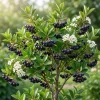
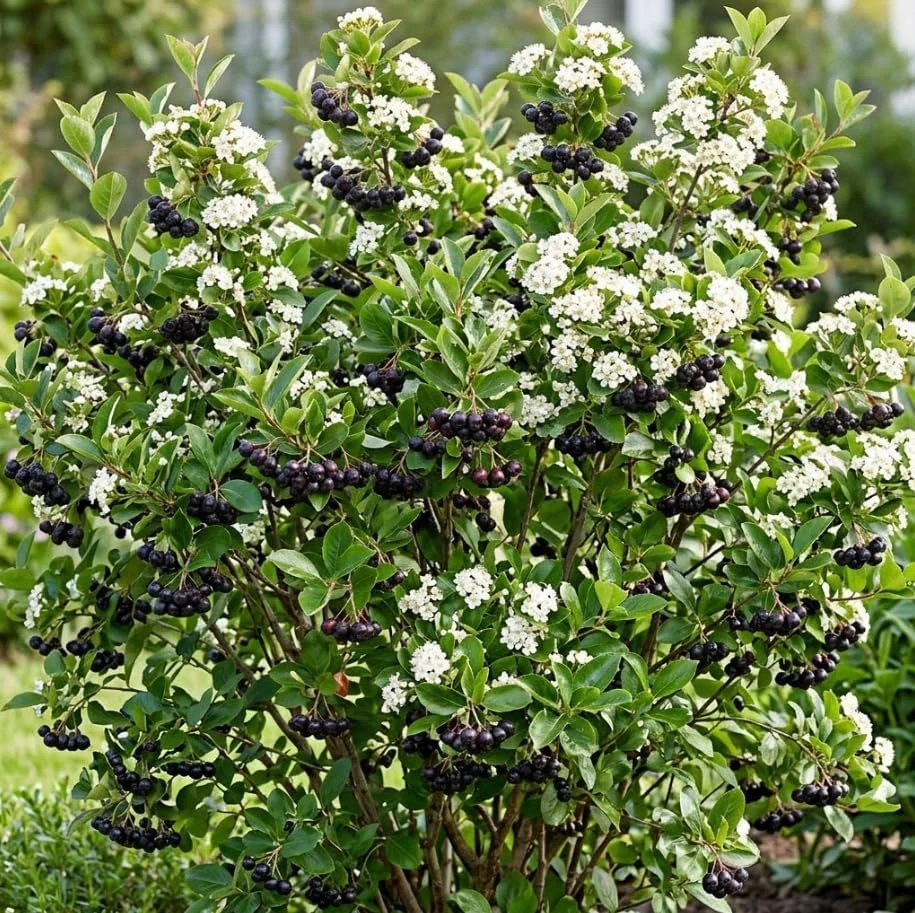
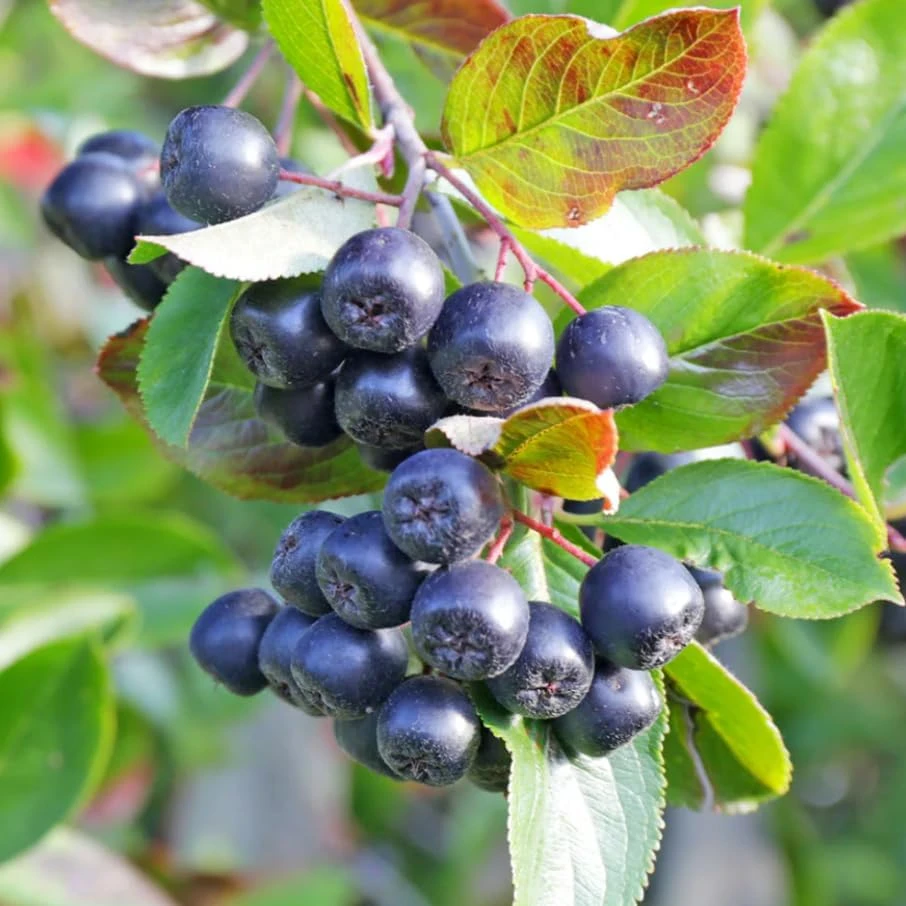
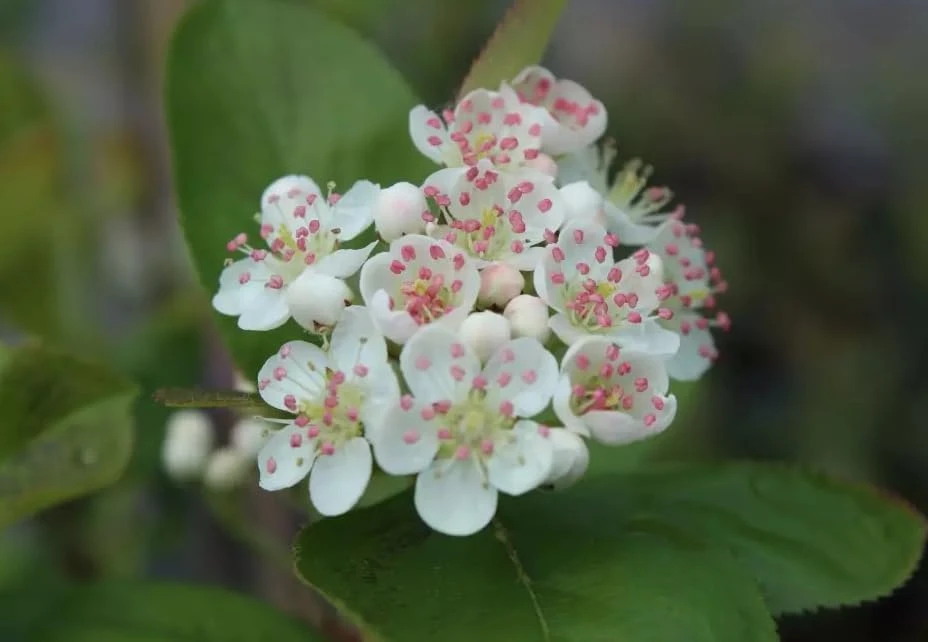
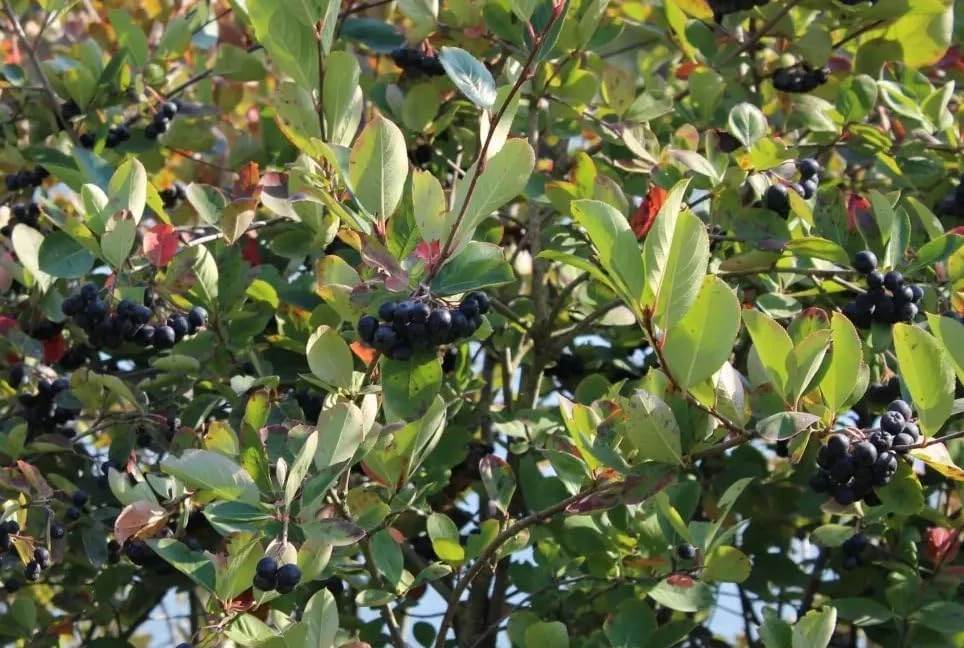
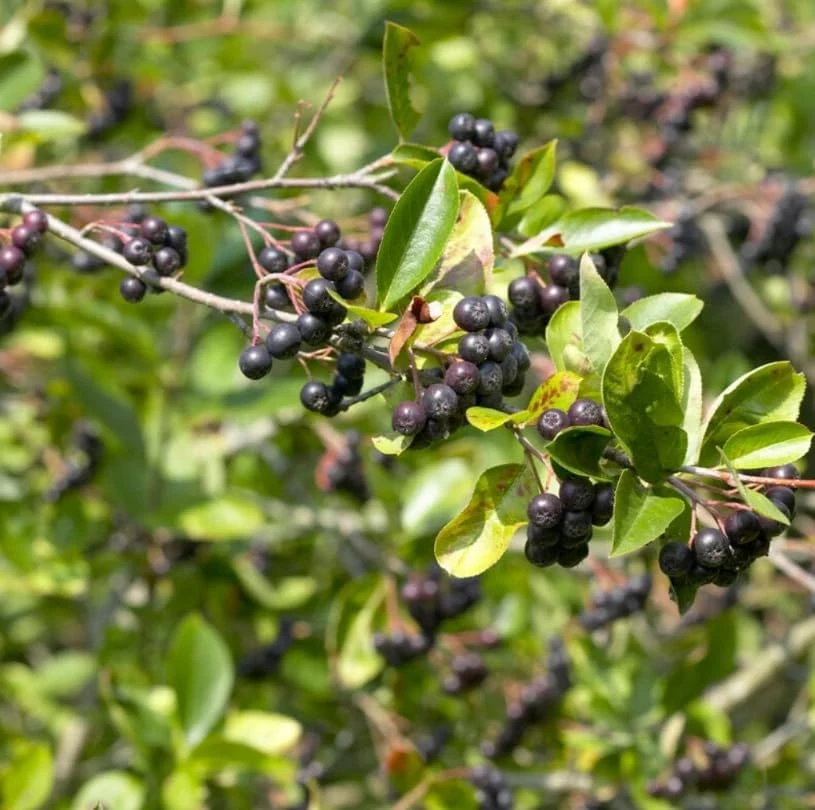
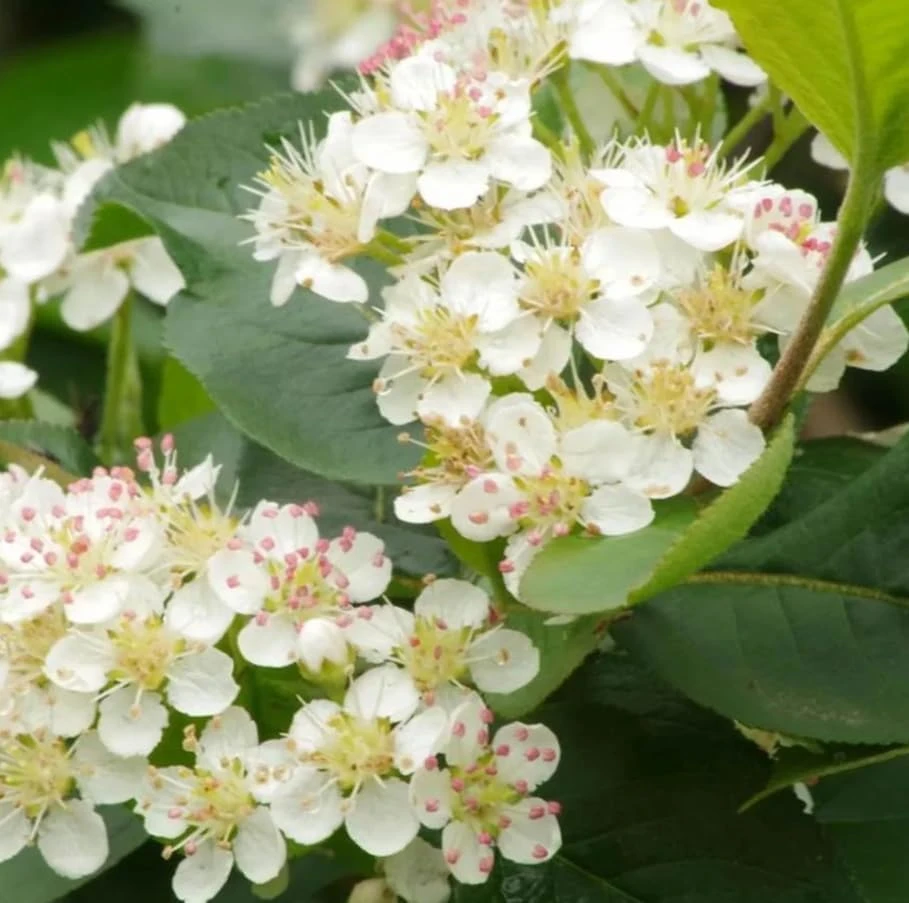
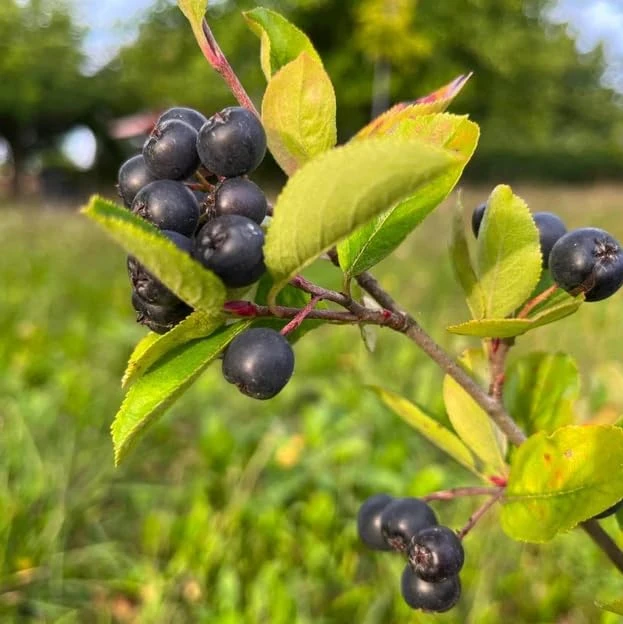
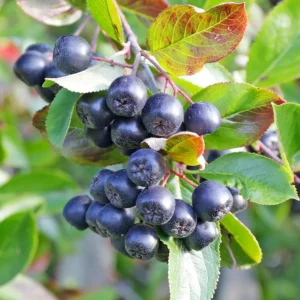
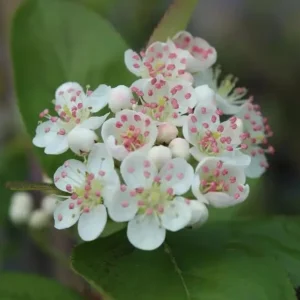
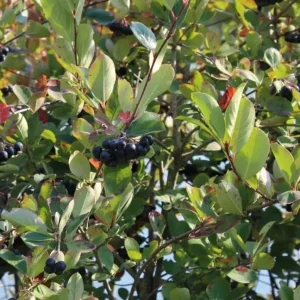
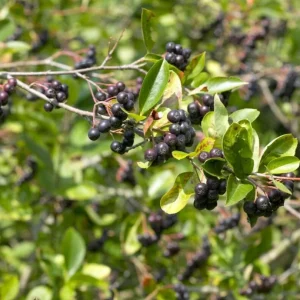
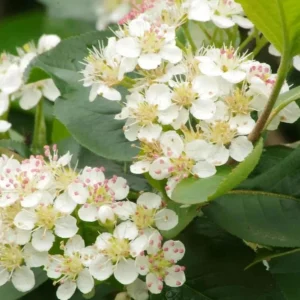
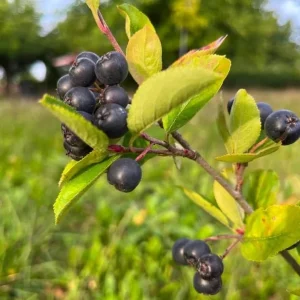
The dark chokeberry plant is a true garden workhorse, providing year-round interest. In spring, it bursts with clusters of delicate white flowers, followed by glossy green leaves throughout the summer. As autumn approaches, the foliage transforms into brilliant shades of red and orange, creating a spectacular display. Nestled among the vibrant leaves are the dark, purplish-black aronia berries, which ripen in late summer to early fall. These berries are not only visually appealing but also packed with antioxidants, making them a popular choice for juices, jams, and other culinary uses.
Choosing a chokeberry bare root plant ensures a strong start, as bare roots are highly adaptable and quickly establish themselves once planted. This method promotes vigorous growth and a robust root system, leading to a healthier, more productive plant in the long run. Whether you’re a seasoned gardener or just starting, the Aronia Berry offers immense satisfaction with minimal effort and straightforward chokeberry shrub care.
Key Benefits
The dark chokeberry plant provides a wealth of advantages for any gardener, blending aesthetic appeal with practical benefits. It’s a fantastic addition to edible landscapes, naturalized areas, or mixed borders.
- Exceptional Ornamental Value: Enjoy a continuous display of beauty with white spring blossoms, lush green summer foliage, vibrant red-orange fall color, and persistent dark berries that add winter interest. This makes it a perfect addition to any garden, providing visual appeal throughout the seasons.
- Nutrient-Rich Edible Berries: The dark aronia berries are known as a superfood, packed with antioxidants, vitamins, and minerals. They can be used in a variety of recipes, from juices and smoothies to jams and pies, offering a healthy harvest from your own backyard. Growing your own aronia berry bare root ensures fresh, organic produce.
- Remarkable Hardiness and Adaptability: This shrub is incredibly tough, thriving in a wide range of climates (USDA Zones 5-9) and soil conditions. It tolerates both full sun and partial shade, making it a versatile choice for many garden settings. Its resilience contributes to easy chokeberry shrub care.
- Low Maintenance and Disease Resistant: Once established, the Aronia Berry shrub requires minimal care. It is naturally resistant to most common pests and diseases, reducing the need for chemical treatments and making it an ideal choice for gardeners seeking low-effort plants.
- Wildlife Attractor: The flowers attract pollinators like bees, while the berries provide a valuable food source for birds and other wildlife, enhancing the biodiversity of your garden and supporting local ecosystems.
- Erosion Control: Its fibrous root system can help stabilize soil on slopes, making it useful for erosion control in challenging areas of your property. This functional benefit makes it an excellent component of an edible landscape plants design.
- Drought Tolerant: Once mature, the aronia melanocarpa demonstrates good drought tolerance, reducing water consumption during dry periods. This makes it a sustainable choice for water-wise gardening.
Plant Care & Growing Tips
Caring for your dark chokeberry plant is relatively simple, making it an excellent choice for both novice and experienced gardeners. These resilient shrubs thrive with minimal intervention once established. For optimal growth, plant your aronia berry bare root in a location that receives full sun to partial shade. Full sun encourages the best berry production and most vibrant fall foliage, while partial shade can be tolerated, especially in hotter climates. Ensure the planting site has well-draining soil, as chokeberries do not like to sit in waterlogged conditions.
When planting your chokeberry bare root, dig a hole wide enough to accommodate the roots without bending them, and just deep enough so the crown of the plant is at soil level. Spread the roots out gently and backfill with soil, tamping lightly to remove air pockets. Water thoroughly after planting. During the first growing season, consistent watering is crucial to help the plant establish a strong root system. Once established, the Aronia Berry is quite drought-tolerant, but occasional deep watering during prolonged dry spells will benefit fruit production.
The aronia melanocarpa is hardy in USDA Zones 3-8 (or 5-9 depending on variety) and is generally pest and disease resistant, minimizing the need for chemical treatments. Fertilize sparingly in spring with a balanced slow-release fertilizer if your soil is poor, but typically, these plants are not heavy feeders. Pruning is usually limited to removing dead, damaged, or crossing branches to maintain shape and promote air circulation. This minimal maintenance contributes to easy chokeberry shrub care, allowing you to enjoy its beauty and bounty with little effort.
Size & Details
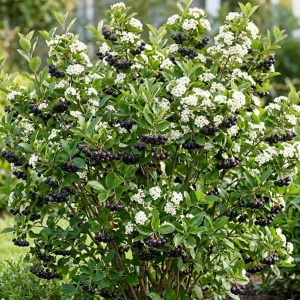
This offering is for a healthy dark chokeberry plant supplied as a bare root specimen. Each bare root typically measures between 6-12 inches tall, providing a robust start for your garden. Bare roots are advantageous as they adapt quickly to their new environment and develop strong root systems. When mature, the Aronia Berry shrub can reach a height of 5-8 feet and a similar spread, forming an attractive, multi-stemmed bush. It has a moderate growth rate, establishing itself within the first year and beginning to produce fruit within 1-3 years of planting. The berries ripen in late summer to early fall, offering a beautiful visual display and a nutritious harvest.
The plant will arrive dormant, which is ideal for planting in early spring or late fall. This ensures the plant can focus its energy on root development before the demands of foliage and fruit production. The ultimate size and vigor of your aronia berry bare root will depend on your local growing conditions, soil quality, and care practices. This makes it a fantastic addition to various garden designs, particularly as edible landscape plants, hedges, or in naturalized areas.
Frequently Asked Questions
- Q: How big does this dark chokeberry plant get? A: When mature, the dark chokeberry plant typically reaches a height of 5-8 feet with a similar spread, forming a dense, multi-stemmed shrub. Its size can be managed with pruning.
- Q: What condition will the aronia berry bare root arrive in? A: Your aronia berry bare root will arrive dormant, without leaves, which is the ideal state for planting and ensures the best establishment rate. It will be carefully packaged to protect the roots during transit.
- Q: Is this an indoor or outdoor plant? A: The dark chokeberry plant is an outdoor shrub, perfectly suited for garden beds, hedges, or naturalized areas. It is not recommended for indoor cultivation.
- Q: How much sunlight does the aronia melanocarpa need? A: For best results, the aronia melanocarpa thrives in full sun (at least 6 hours of direct sunlight daily) but can tolerate partial shade. Full sun leads to better berry production and fall color.
- Q: Is this plant easy to care for? A: Yes, the dark chokeberry plant is known for its low maintenance requirements and robust nature, making chokeberry shrub care relatively easy for gardeners of all experience levels.
- Q: When is the best time to plant this chokeberry bare root? A: The best time to plant a chokeberry bare root is in early spring, after the last frost, or in late fall, after the leaves have dropped but before the ground freezes.
- Q: Can the berries from this aronia berry bare root be eaten? A: Absolutely! The berries from the aronia berry bare root are edible and considered a superfood, rich in antioxidants. They are excellent for jams, jellies, juices, and baking, though they are quite tart when eaten fresh.
- Q: What USDA hardiness zones is this dark chokeberry plant suitable for? A: The dark chokeberry plant is remarkably hardy and suitable for USDA Zones 3-8 (or 5-9, depending on the specific variety and source), tolerating a wide range of climates.
- Q: How long until this plant produces berries? A: Typically, a newly planted dark chokeberry plant will begin producing berries within 1 to 3 years after planting, with production increasing as the plant matures.
- Q: What kind of soil does the aronia melanocarpa prefer? A: The aronia melanocarpa prefers well-draining soil but is quite adaptable to various soil types, including clay and sandy soils, as long as drainage is adequate.


Reviews
There are no reviews yet.