Overview
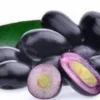
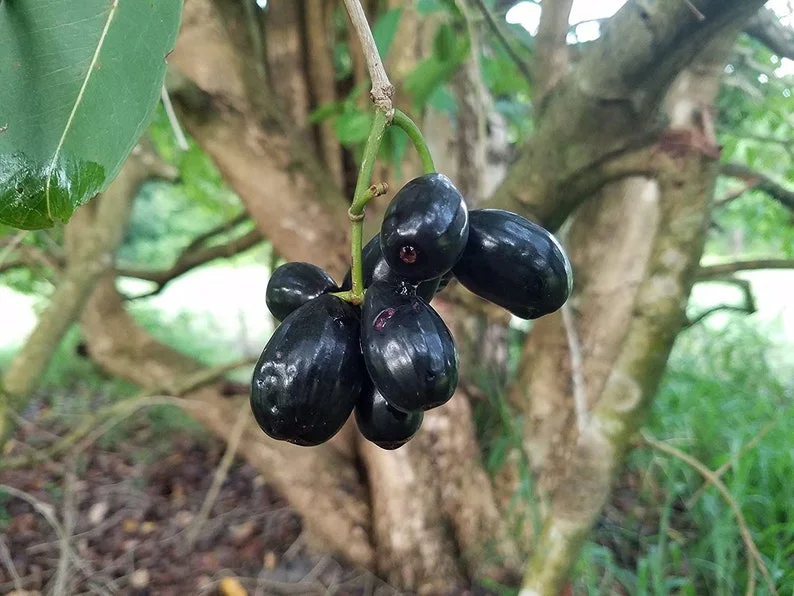
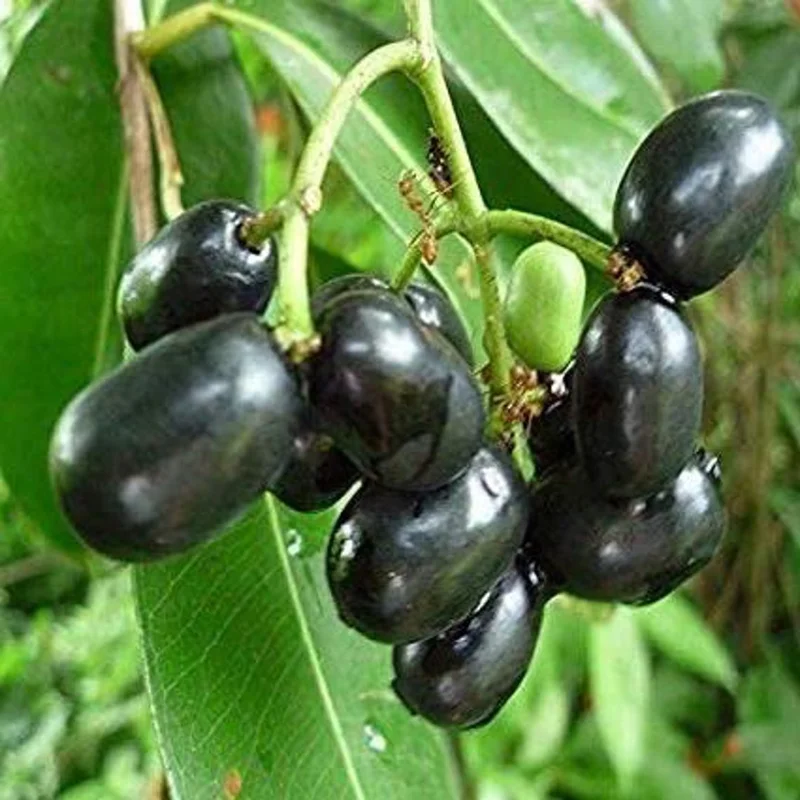
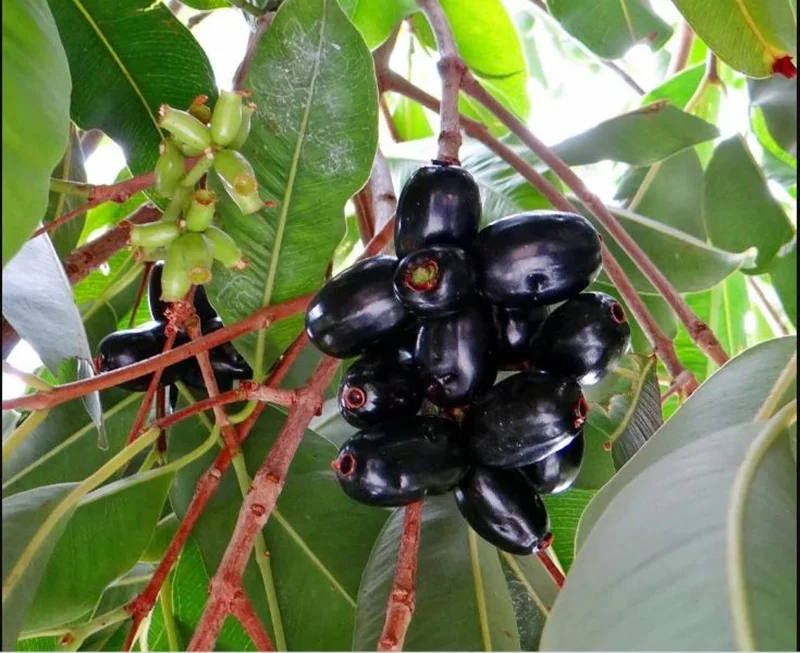
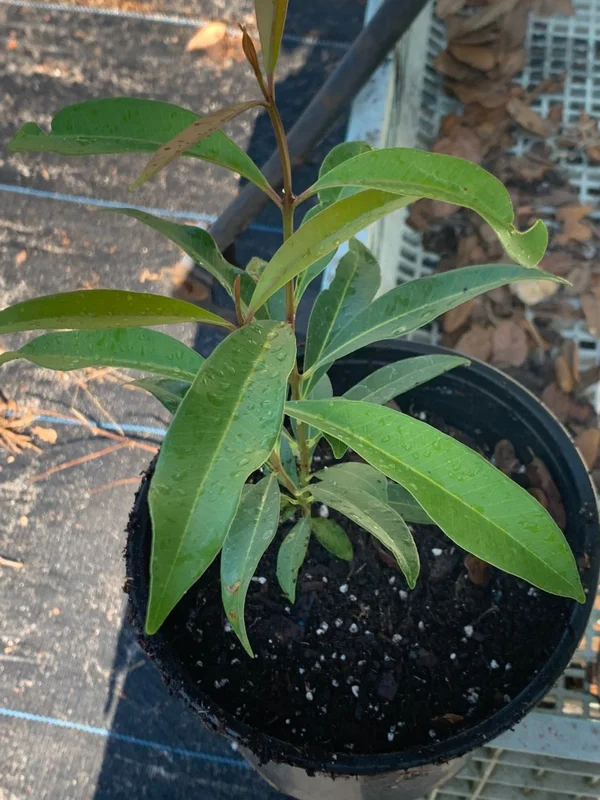
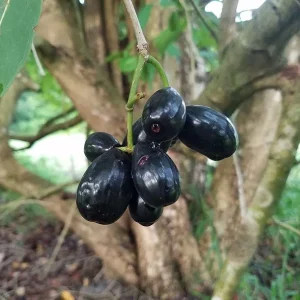
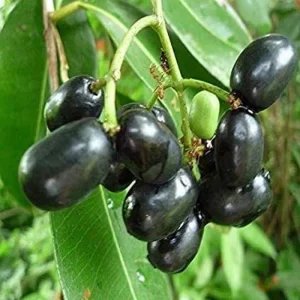
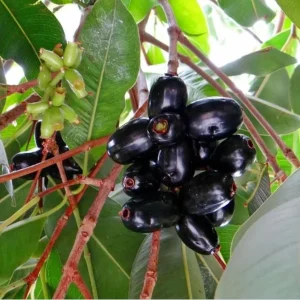
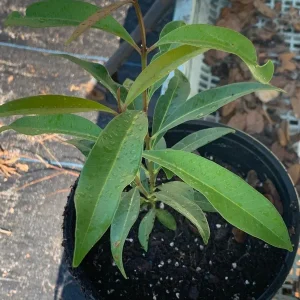
Experience the joy of growing your own exotic fruit with this magnificent black jambu plum live plant. Also known as Java Plum or Jamun, this tropical tree (Syzygium cumini) is celebrated for its sweet and slightly astringent dark purple fruits, which are not only delicious but also packed with nutrients. This particular specimen arrives as a healthy, robust plant, standing approximately 14-18 inches tall and rooted in a convenient 1 gallon nursery pot, making it an ideal starter for your home orchard or garden. Cultivating your own black jambu plum live plant offers a unique opportunity to enjoy fresh, organic fruit directly from your backyard, providing a taste of the tropics right at your fingertips.
Originating from the Indian subcontinent and Southeast Asia, the Java Plum tree is highly regarded for its ornamental appeal as well as its bountiful harvest. Its glossy green leaves and attractive bark make it a beautiful addition to any landscape, while its resilience and relatively fast growth rate appeal to both novice and experienced gardeners alike. This syzygium cumini plant is a fantastic choice for those looking to expand their edible garden with a less common, yet highly rewarding, fruit tree.
Key Benefits
The black jambu plum live plant offers a multitude of benefits, from its stunning appearance to its healthful fruits. Cultivating this tree provides a rewarding experience and access to a unique tropical delicacy.
- Delicious, Nutritious Fruit: Enjoy the rich, sweet, and slightly tart flavor of fresh black jambu plums. These fruits are known for their high antioxidant content and various health benefits, making them a superfood straight from your garden.
- Ornamental Value: With its dense, evergreen foliage and attractive form, the java plum plant serves as a beautiful accent in any garden or landscape. It provides shade and visual interest throughout the year.
- Adaptable Growth: While preferring tropical climates, this plant can be grown in containers in cooler regions, allowing you to bring it indoors during colder months. This flexibility makes it accessible to a wider range of gardeners.
- Wildlife Attraction: The flowers attract bees and other pollinators, contributing to local biodiversity, while the fruits can be a treat for birds once mature.
- Low Maintenance (Once Established): Once established, the tropical fruit tree is relatively easy to care for, requiring minimal intervention beyond regular watering and occasional fertilization.
- Unique Edible Garden Addition: Stand out from typical fruit trees with this exotic offering. The jambu fruit tree adds diversity and intrigue to your edible landscape, offering fruits not commonly found in local markets.
- Potential for Container Growing: For those with limited space or in non-tropical zones, this plant can be successfully grown in a large pot, allowing you to cultivate your own black jambu plum on a patio or in a greenhouse.
Plant Care & Growing Tips
Caring for your black jambu plum live plant ensures a healthy, productive tree. This tropical species thrives with specific conditions that mimic its native environment.
Sunlight Requirements: The black jambu plum live plant thrives in full sun, requiring at least 6-8 hours of direct sunlight per day to produce abundant fruit. In very hot climates, some afternoon shade can be beneficial to prevent leaf scorch, especially for young plants. If growing indoors, place it near a south-facing window or use supplemental grow lights to ensure it receives adequate light.
Watering Schedule & Soil Moisture: Consistent moisture is crucial for young Jamun trees. Water regularly, especially during dry periods, ensuring the soil remains evenly moist but not waterlogged. Once established, the tree becomes more drought-tolerant but will perform best with regular watering. Reduce watering frequency during cooler months. Good drainage is paramount to prevent root rot.
Soil Type & Drainage: This syzygium cumini plant prefers well-draining, fertile soil. A slightly acidic to neutral pH (6.0-7.0) is ideal. Amend heavy clay soils with organic matter like compost or sand to improve drainage. For container-grown plants, use a high-quality potting mix designed for fruit trees or tropical plants, ensuring excellent drainage.
Temperature Range & USDA Hardiness Zone: The Java Plum is a tropical plant and is sensitive to frost. It thrives in warm temperatures, ideally between 65°F and 90°F (18°C-32°C). It is generally hardy in USDA Zones 9-11. If you live in a colder zone, it’s best to grow this tropical fruit tree in a container that can be moved indoors during winter months to protect it from freezing temperatures.
Fertilization Schedule & Type: Fertilize your java plum plant during the growing season (spring and summer) with a balanced, slow-release fertilizer or an organic fertilizer formulated for fruit trees. Young plants benefit from more frequent, light applications, while mature trees can be fertilized 2-3 times a year. Always follow the manufacturer’s instructions for dosage.
Common Problems & Solutions: While generally robust, watch for common pests like aphids or scale insects, which can be treated with insecticidal soap. Fungal issues are rare but can occur in overly wet conditions; ensure good air circulation and proper drainage. Yellowing leaves can indicate nutrient deficiencies or overwatering, so assess your feeding and watering routine accordingly.
Size & Details
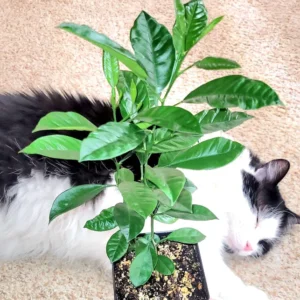
This black jambu plum live plant arrives as a vibrant, actively growing specimen, ready for planting. It stands approximately 14 to 18 inches tall from the base of the pot to the tip of its highest leaf, providing a substantial start for your tropical garden. It is cultivated and shipped in a 1 gallon nursery pot, ensuring its root system is well-established and robust enough to handle transplanting with ease. The growth rate of the jambu fruit tree is considered moderate, and with proper care, it can reach impressive heights of 20-40 feet in its natural environment, though it can be kept smaller through pruning or container cultivation. Expect the plant to begin bearing fruit within 3-5 years under optimal growing conditions, offering a rewarding long-term investment for your edible landscape.
Frequently Asked Questions
- Q: How big does this plant get? A: In its natural tropical habitat, the black jambu plum live plant can grow 20-40 feet tall. However, when grown in a container or with regular pruning, its size can be managed to suit smaller gardens or patios.
- Q: What size pot does it come in? A: This java plum plant is shipped in a 1 gallon nursery pot, providing a good foundation for its root system and allowing for easy transplanting into a larger pot or directly into the ground.
- Q: Is this an indoor or outdoor plant? A: It is primarily an outdoor plant for USDA Zones 9-11. In colder climates, it can be grown outdoors during warm months and brought indoors as a container plant during winter to protect it from frost.
- Q: How much sunlight does it need? A: The syzygium cumini plant requires full sun, meaning at least 6-8 hours of direct sunlight daily, for optimal growth and fruit production.
- Q: Is this plant easy to care for? A: Once established, the tropical fruit tree is relatively low-maintenance. Young plants require consistent watering and protection from frost, but mature trees are quite resilient.
- Q: What condition will it arrive in? A: Your black jambu plum live plant will arrive as a healthy, actively growing plant, carefully packaged to minimize stress during transit. Some slight leaf discoloration or droopiness may occur but should recover quickly with proper care.
- Q: Can I use jambu fruit in cooking? A: Yes, the fruits of the jambu fruit tree are widely used in various culinary applications, including jams, jellies, juices, and even savory dishes, especially in its native regions.
- Q: How long until it blooms? A: Under ideal conditions, a young black jambu plum live plant typically begins to flower and fruit within 3-5 years from planting, though this can vary based on growing conditions.
- Q: What is the best time to plant? A: The best time to plant is in spring or early summer after all danger of frost has passed, allowing the plant ample time to establish itself before cooler weather.
- Q: Will it survive winter in my zone? A: This tropical plant is sensitive to frost. If you are in USDA Zone 8 or lower, it will need to be protected from freezing temperatures, either by bringing it indoors or providing significant winter protection.


Reviews
There are no reviews yet.