Overview
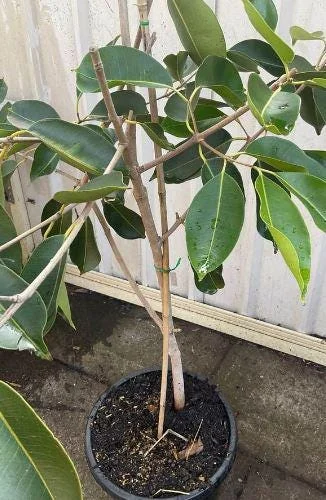
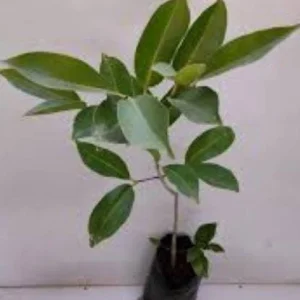
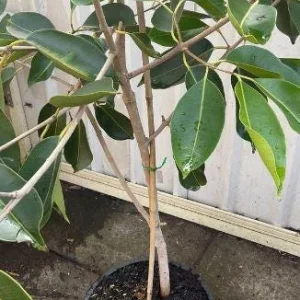
Welcome the exquisite Java Plum live plant into your garden, a tropical treasure known for its delicious, health-benefiting fruits. Scientifically known as Syzygium cumini, this versatile plant goes by many common names, including Jamun, Black Plum, and Malabar Plum. This offering is for a healthy, vibrant Java Plum live plant, measuring approximately 1-2 feet tall and rooted in a 1-gallon nursery pot, making it an ideal candidate for immediate planting in suitable climates or container growing. The Java Plum live plant is cherished not only for its sweet and tangy fruits but also for its attractive, dense foliage that provides ample shade and adds a lush, verdant aesthetic to any landscape. Originating from the Indian subcontinent and Southeast Asia, this tree is a robust grower that, with proper care, will become a focal point in your outdoor space, offering both beauty and a bountiful harvest of unique fruit.
Key Benefits
Cultivating a Java Plum live plant offers a multitude of advantages, from its ornamental appeal to its nutritional yield. This fruit tree is a fantastic addition for those seeking both aesthetic charm and practical benefits in their garden.
-
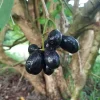
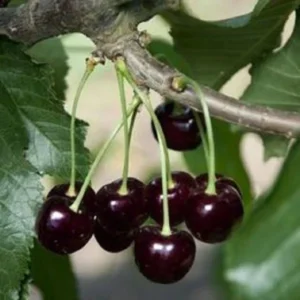
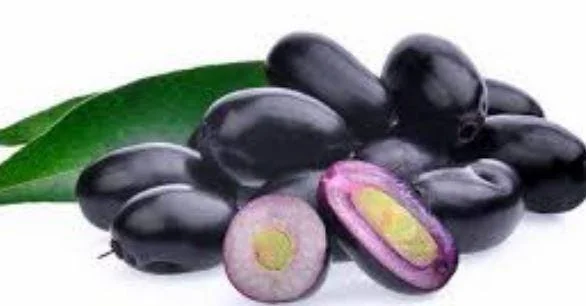
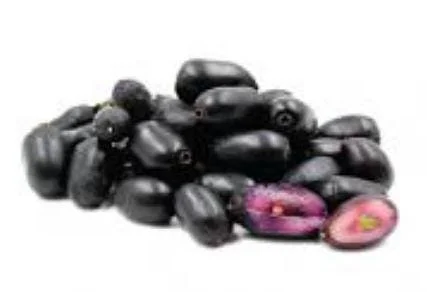
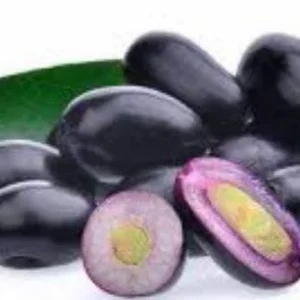
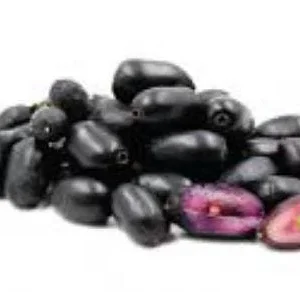
Delicious and Nutritious Fruit: The primary draw of the Java Plum live plant is its distinctive dark purple fruits. These berries are not only sweet and tangy but also packed with vitamins, antioxidants, and minerals, making them a healthy snack straight from your garden. The unique flavor is a delightful experience.
-
Attractive Ornamental Value: Beyond its fruits, the Syzygium cumini tree boasts glossy, evergreen leaves and a stately growth habit, providing excellent shade and a tropical feel to your landscape. Its subtle white flowers in spring give way to the vibrant fruit, adding seasonal interest.
-
Low Maintenance: Once established, the Java Plum is a relatively low-maintenance tree. It tolerates a range of soil conditions and is quite resilient, making it suitable for gardeners of varying experience levels. Regular watering and occasional feeding are usually sufficient.
-
Health Benefits: The fruits of the Jamun fruit plant are renowned in traditional medicine for their potential health benefits, particularly in managing blood sugar levels and promoting digestive health. Growing your own ensures a fresh and organic supply.
-
Adaptable Growth: While preferring warm climates, the Black Plum tree can be grown in containers in cooler regions, allowing you to move it indoors during colder months. This adaptability makes it accessible to a wider range of gardeners.
-
Shade Provider: As it matures, the Java Plum develops a broad canopy, offering welcome shade during hot summer days, creating a comfortable outdoor living space.
-
Wildlife Attractor: The fruits are a favorite among birds and other wildlife, adding a lively and natural element to your garden ecosystem.
Plant Care & Growing Tips
Caring for your Java Plum live plant is a rewarding experience that will lead to a beautiful tree and delicious fruit. Understanding its specific needs will ensure its healthy growth and productivity. This Syzygium cumini tree thrives in warm, tropical, and subtropical climates. It prefers a location with full sun exposure, meaning at least 6-8 hours of direct sunlight per day. While it can tolerate some partial shade, optimal fruit production is achieved in full sun. In very hot climates, a little afternoon shade can be beneficial to prevent leaf scorch.
When it comes to watering, young Jamun fruit plants require consistent moisture. Water regularly, especially during dry spells, ensuring the soil remains evenly moist but not waterlogged. Once established, the tree is moderately drought-tolerant but will perform best with regular irrigation, particularly when flowering and fruiting. Good drainage is crucial; standing water can lead to root rot. For soil, the Java Plum is adaptable but prefers rich, well-draining soil with a pH between 6.0 and 7.0. Amend heavy clay soils with organic matter to improve drainage and aeration.
Fertilize your Black Plum tree with a balanced slow-release fertilizer in early spring and again in mid-summer. Follow the product instructions for application rates. Pruning is generally minimal, focused on removing dead, diseased, or crossing branches, and shaping the tree for structural integrity and air circulation. The Java Plum is relatively pest and disease resistant, but monitor for common issues like aphids or scale insects and treat as necessary. Protecting young trees from frost is important in cooler zones; consider covering or bringing container-grown plants indoors if temperatures are expected to drop significantly. Understanding the specific needs for Malabar Plum care will greatly contribute to the success and longevity of your tree.
Size & Details
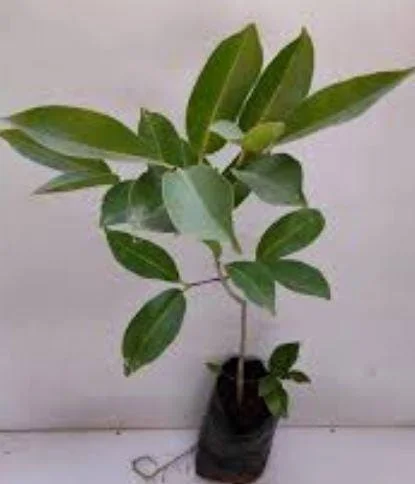
This offering is for one Java Plum live plant, carefully nurtured and ready for its new home. Each plant stands approximately 1-2 feet (30-60 cm) tall from the base of the pot to the top of the foliage, providing a well-established specimen for planting. It is shipped in a sturdy 1-gallon nursery pot, ensuring the root system is intact and healthy, ready for transplanting. The growth rate of the Java Plum is moderate, and with ideal conditions, it can eventually reach heights of 30-50 feet (9-15 meters) in the ground, forming a broad, spreading canopy. When grown in a container, its size can be managed through pruning. Expect your tree to begin flowering and fruiting within 3-5 years under optimal growing conditions, offering a rewarding harvest of delicious Malabar Plums.
Frequently Asked Questions
-
Q: How big does this Java Plum live plant get? A: This particular plant is 1-2 feet tall when shipped. In the ground, a mature Java Plum tree can reach heights of 30-50 feet, developing a wide canopy. Its size can be controlled with pruning if grown in a container.
-
Q: Is this an indoor or outdoor plant? A: The Syzygium cumini tree is primarily an outdoor plant, thriving in tropical and subtropical climates. In cooler zones, it can be grown in a large container and moved indoors to a sunny location during winter months.
-
Q: How much sunlight does the Jamun fruit plant need? A: For optimal growth and fruit production, the Java Plum requires at least 6-8 hours of direct sunlight per day. It prefers full sun but can tolerate some partial shade, especially in very hot climates.
-
Q: Is this plant easy to care for? A: Yes, once established, the Black Plum tree is considered relatively low-maintenance. It is quite resilient and adaptable to various soil types, provided they are well-draining. Consistent watering for young plants is key.
-
Q: What condition will it arrive in? A: Your Java Plum live plant will arrive carefully packaged in its 1-gallon nursery pot, with its root ball intact and protected, ready for transplanting or acclimation to its new environment.
-
Q: When is the best time to plant a Java Plum? A: The best time to plant is in spring or early summer, after the last threat of frost has passed, allowing the plant ample time to establish itself before cooler weather.
-
Q: What is the ideal soil for Malabar Plum care? A: The Java Plum prefers rich, well-draining soil with a slightly acidic to neutral pH (6.0-7.0). Good drainage is essential to prevent root issues.
-
Q: How long until this plant produces fruit? A: Typically, a Java Plum tree grown from this size will start to produce fruit within 3-5 years under ideal growing conditions.
-
Q: Is the Java Plum tolerant of drought? A: Once established, the Java Plum exhibits moderate drought tolerance. However, for best growth and fruit yield, consistent watering is recommended, especially during dry periods and fruiting season.
-
Q: Can I grow the Java Plum live plant in a pot long-term? A: Yes, you can grow a Java Plum in a large container long-term, particularly if you are in a climate where it needs to be moved indoors for winter. Ensure the pot is large enough to accommodate its root system and has good drainage.


Reviews
There are no reviews yet.