Overview
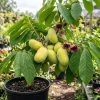
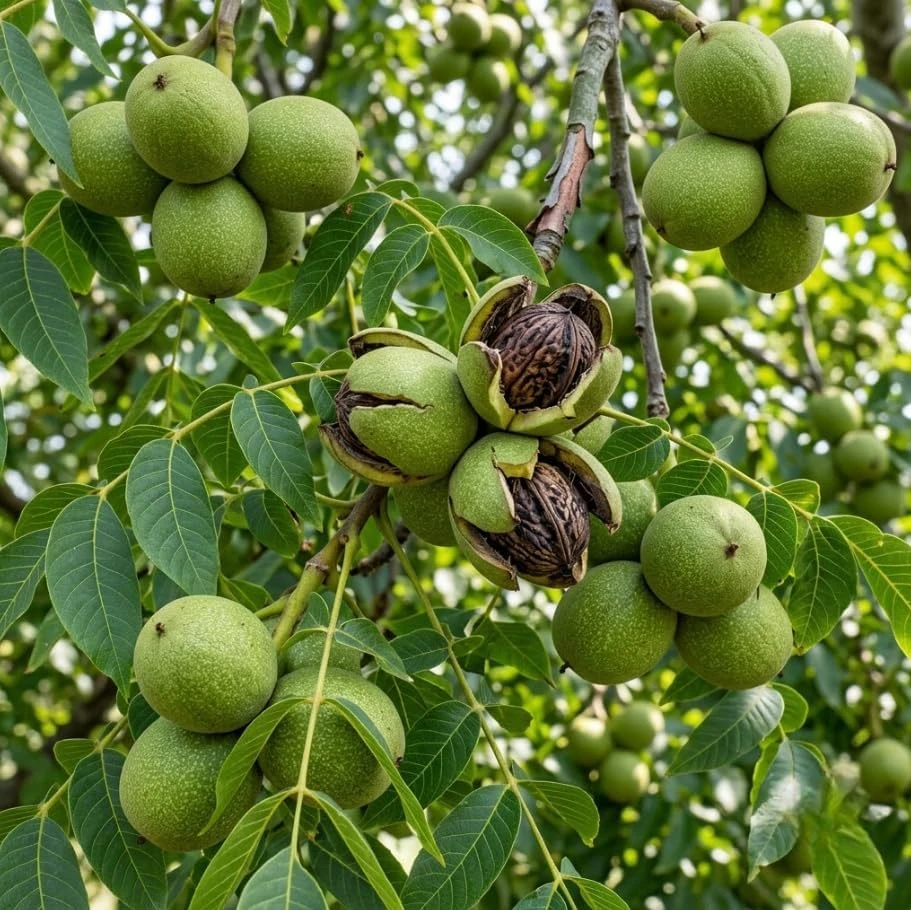
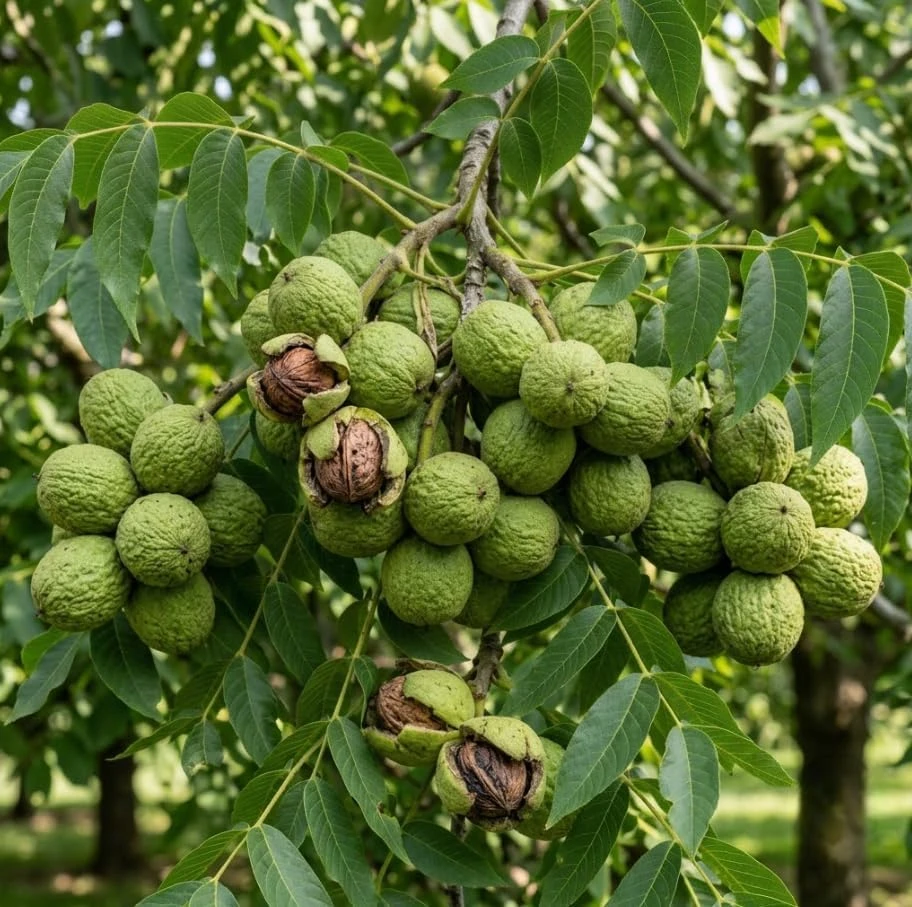
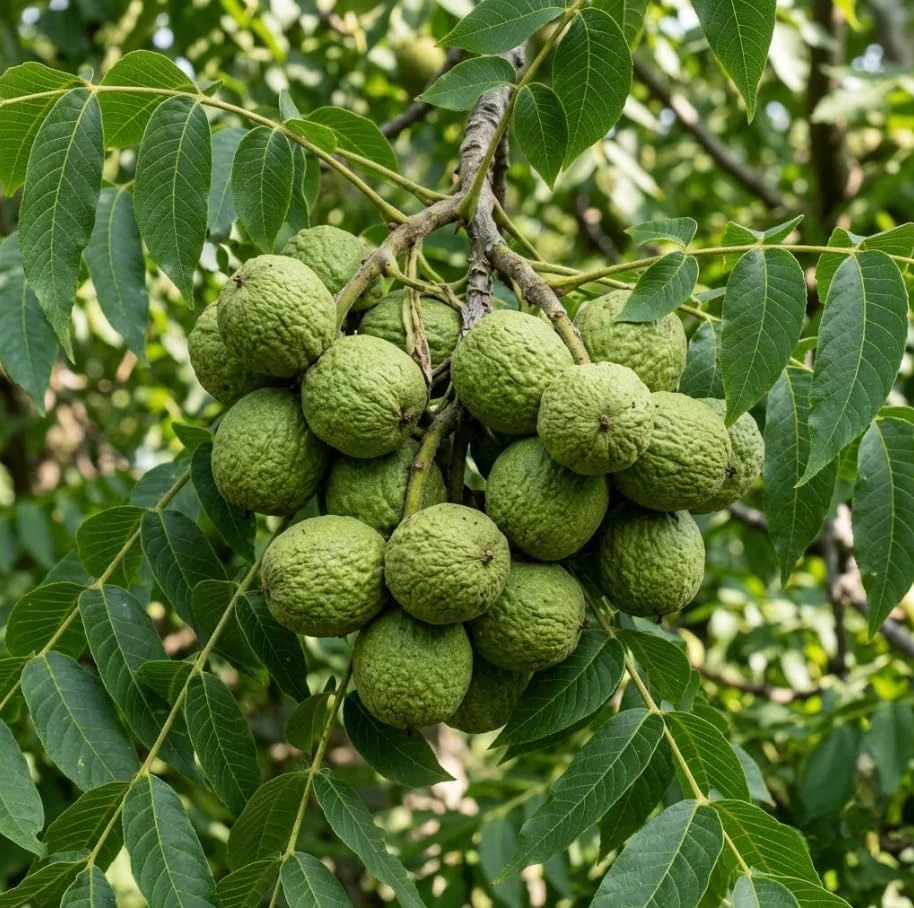
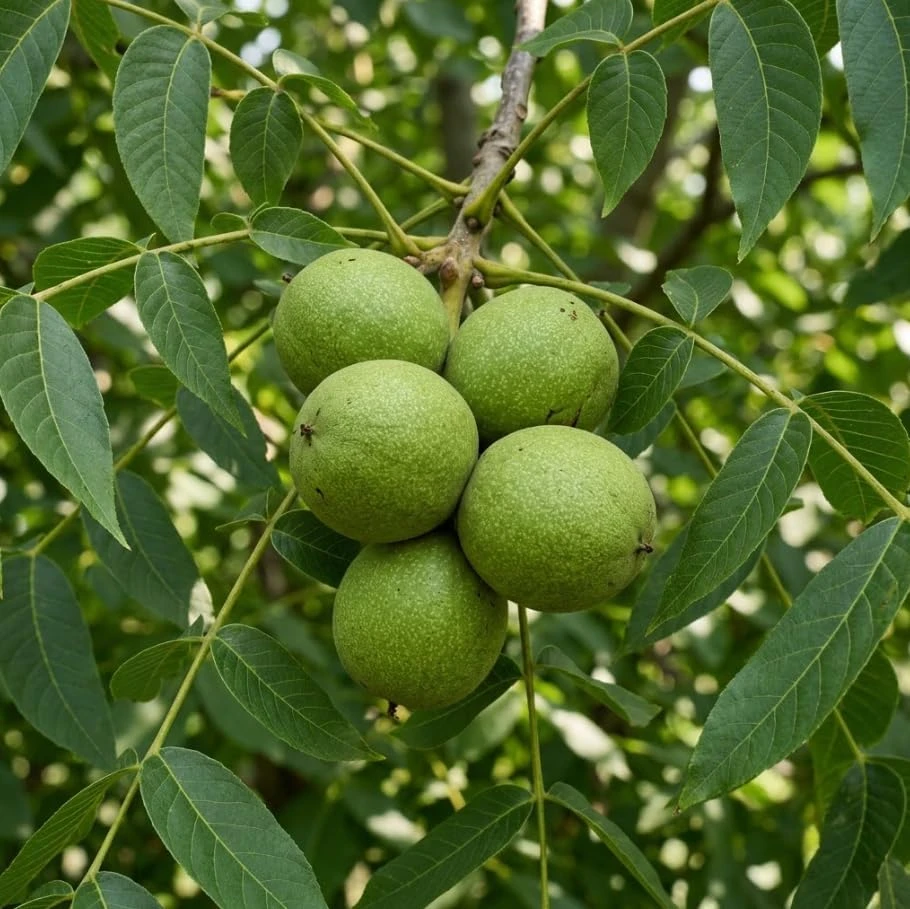
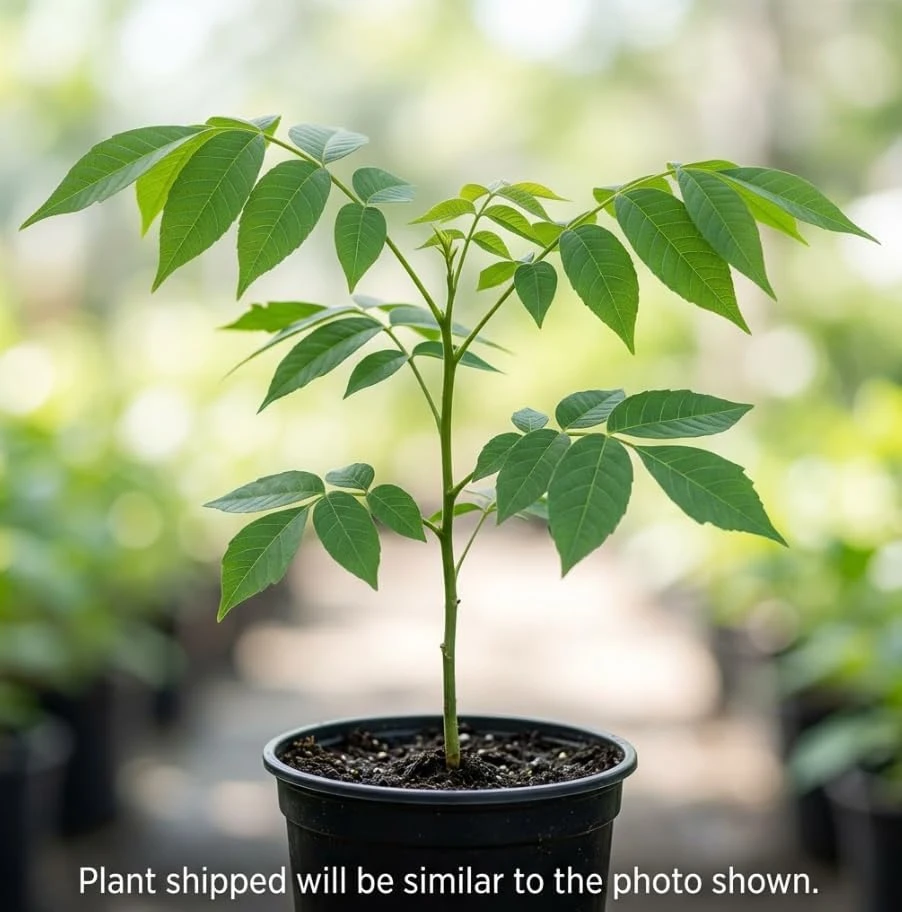
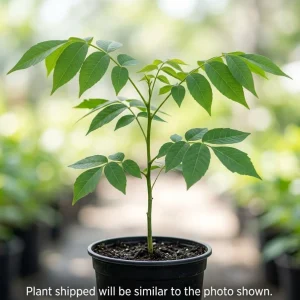
Introduce a magnificent addition to your landscape with this black walnut tree live plant. This young American Black Walnut tree (Juglans nigra) is a deciduous hardwood revered for its valuable timber, delicious edible nuts, and the expansive shade it provides. Arriving as a healthy, vibrant specimen, this american black walnut tree is 6-12 inches tall and potted in a 4-inch container, making it perfectly sized for easy transplanting into your yard or garden. Known for its resilience and adaptability, the Black Walnut thrives across a wide range of climates and soil conditions, establishing itself as a long-lived and rewarding investment for any homeowner or gardener. Prepare to enjoy the benefits of this remarkable tree for generations.
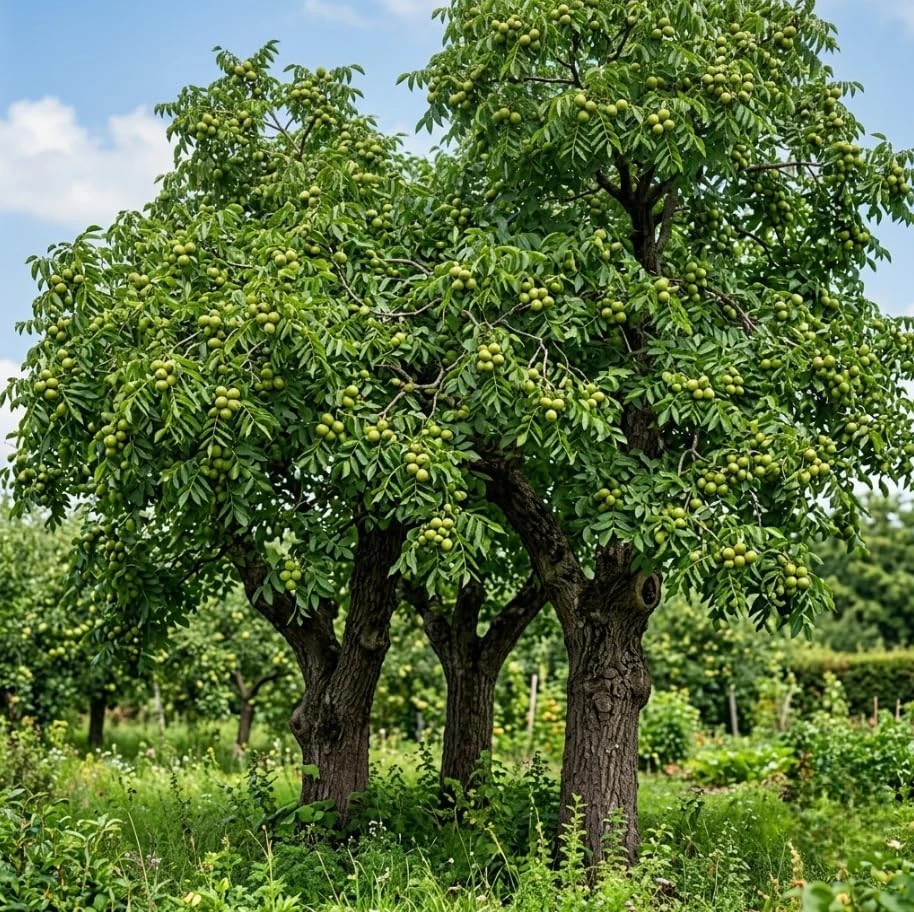
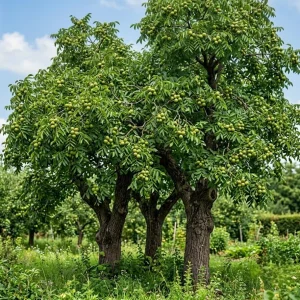
The black walnut tree live plant offers both aesthetic beauty and practical value. Its stately form and broad canopy make it an ideal choice for creating significant shade in larger outdoor spaces, while its annual production of sweet, rich nuts provides a seasonal harvest for culinary use. This particular offering focuses on providing a healthy, established young tree to ensure a smooth transition into its new environment. With proper care, your new american black walnut tree will quickly grow into a prominent feature of your landscape, offering both beauty and bounty.
Key Benefits
Adding a black walnut tree live plant to your property brings a multitude of advantages, enhancing both the ecological and economic value of your land. This versatile tree is a true asset:
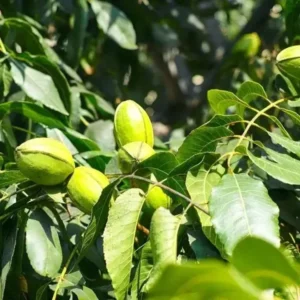
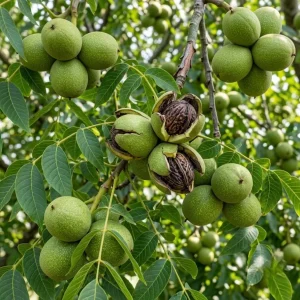
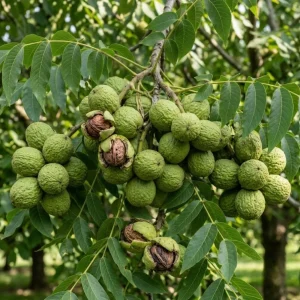
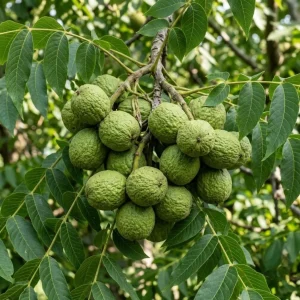
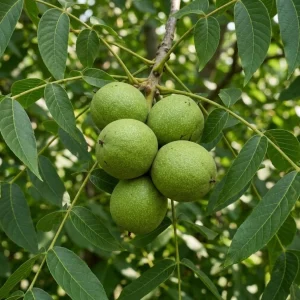
- Sweet Nut Production: Enjoy a bounty of rich, flavorful black walnuts each fall. These nuts are highly prized for baking, snacking, and culinary creations, providing a sustainable, delicious harvest directly from your own backyard.
- Majestic Shade Tree: As it matures, the american black walnut tree develops a broad, dense canopy, offering substantial shade that can significantly cool your home and outdoor living spaces during hot summer months. It creates a comfortable environment for relaxation and outdoor activities.
- Valuable Timber: Black walnut wood is highly sought after for its strength, durability, and beautiful grain, making it one of the most valuable timber trees in North America. While this is a long-term benefit, planting a black walnut is an investment in the future.
- Wildlife Habitat: The nuts provide a crucial food source for various wildlife, including squirrels, deer, and birds, contributing to the biodiversity of your garden and supporting local ecosystems.
- Hardy & Resilient: This hardy shade tree is known for its robust nature, tolerating a wide range of soil types and climatic conditions once established. It’s a low-maintenance choice that can withstand various environmental challenges.
- Erosion Control: The extensive root system of a mature black walnut tree helps stabilize soil, preventing erosion on slopes and in areas prone to runoff, protecting your landscape naturally.
- Long Lifespan: Black walnut trees are known for their longevity, often living for over a century. Planting one is a legacy, providing benefits for generations to come.
Plant Care & Growing Tips
Caring for your black walnut tree live plant is straightforward, especially when planted correctly and given the right conditions. These trees are quite robust once established. For optimal growth, choose a site with full sun exposure, meaning at least 6-8 hours of direct sunlight per day. While young trees can tolerate some partial shade, full sun promotes the strongest growth and best nut production. Ensure the planting site has well-draining soil. Black walnuts prefer deep, rich, moist, loamy soils but are adaptable to a variety of soil types, including clay and sandy soils, as long as drainage is adequate. Avoid waterlogged areas, as this can lead to root rot. When transplanting your american black walnut tree, dig a hole twice as wide as the root ball and just as deep. Gently loosen the roots before placing the tree in the hole, ensuring the top of the root ball is level with the surrounding soil. Backfill with native soil, tamping gently to remove air pockets, and water thoroughly.
Initial watering is crucial for your young sweet nut producing tree. Water deeply and regularly, especially during dry spells in the first few years, to help establish a strong root system. Once established, black walnuts are quite drought-tolerant. Fertilization is generally not necessary in the first year if the soil is fertile; however, a balanced, slow-release fertilizer can be applied in subsequent years in early spring if growth appears sluggish. These trees are hardy across USDA Zones 4-9. Protect young trees from deer browsing if necessary. While generally resistant to many pests and diseases, monitor for common issues and address them promptly. Pruning should be done in late winter or early spring to remove dead, damaged, or crossing branches, and to shape the tree for structure and nut production. Remember the allelopathic nature of black walnuts; they produce juglone, a chemical that can inhibit the growth of certain sensitive plants nearby, so plan your garden layout accordingly.
Size & Details
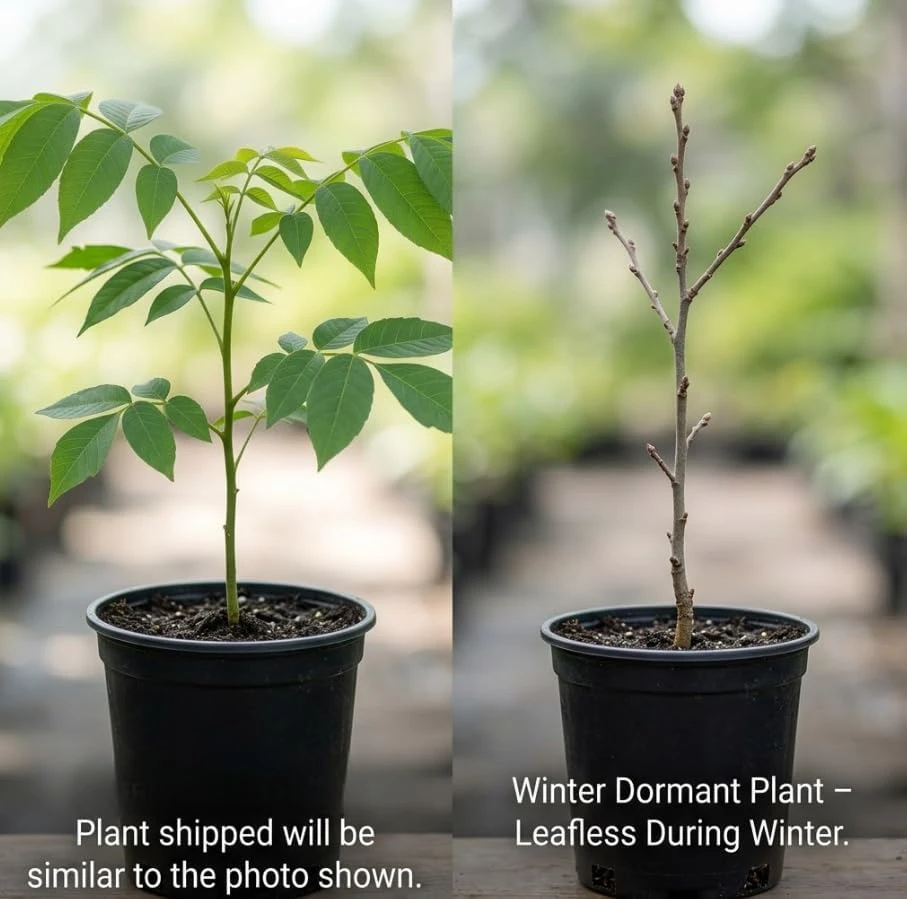
This offering is for a healthy black walnut tree live plant, typically standing 6-12 inches tall from the top of the soil line. Each plant is grown and shipped in a sturdy 4-inch nursery pot, providing a well-developed root system ready for successful transplanting. The young tree arrives with its roots intact within the pot, minimizing transplant shock and ensuring a smooth transition to its new home in your garden or landscape. While growth rates vary depending on environmental conditions, soil quality, and care, a young american black walnut tree can grow 1-2 feet per year once established. Expect this tree to mature into a large, imposing specimen, reaching heights of 50-75 feet with a similar spread over many decades. Nut production typically begins when the tree is 10-15 years old, increasing significantly with age. This hardy shade tree is a long-term investment that will provide beauty, shade, and delicious nuts for generations.
Frequently Asked Questions
- Q: How big does this black walnut tree get? A: This black walnut tree live plant arrives 6-12 inches tall in a 4-inch pot. When mature, American Black Walnut trees can reach impressive heights of 50-75 feet and have a similar spread, creating a large, majestic canopy.
- Q: Is this an indoor or outdoor plant? A: The american black walnut tree is an outdoor plant. It requires space to grow and is best suited for planting directly in the ground in a garden or landscape where it can reach its full potential as a large shade and nut-producing tree.
- Q: How much sunlight does it need? A: For optimal growth and nut production, your sweet nut producing tree requires full sun exposure, meaning at least 6-8 hours of direct sunlight per day. It can tolerate some partial shade, especially when young, but prefers ample light.
- Q: Is this plant easy to care for? A: Once established, black walnut trees are relatively low-maintenance and quite resilient. Initial care involves proper planting, consistent watering during establishment, and protection from pests or diseases. They are a good choice for gardeners looking for a long-term, hardy tree.
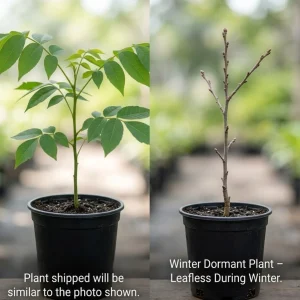
- Q: What condition will it arrive in? A: Your black walnut tree live plant will arrive as a healthy, live plant, rooted in its 4-inch nursery pot. It is carefully packaged to ensure it arrives in good condition, ready for transplanting.
- Q: How long until it produces nuts? A: Black walnut trees typically begin producing nuts when they are 10-15 years old, with production increasing significantly as the tree matures. It is a long-term investment that yields delicious rewards over time.
- Q: Will it survive winter in my zone? A: Yes, the hardy shade tree, American Black Walnut, is very resilient and can survive winters in USDA Hardiness Zones 4 through 9. It is a deciduous tree, meaning it will lose its leaves in the fall and enter dormancy for the winter.


Reviews
There are no reviews yet.