Overview
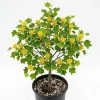
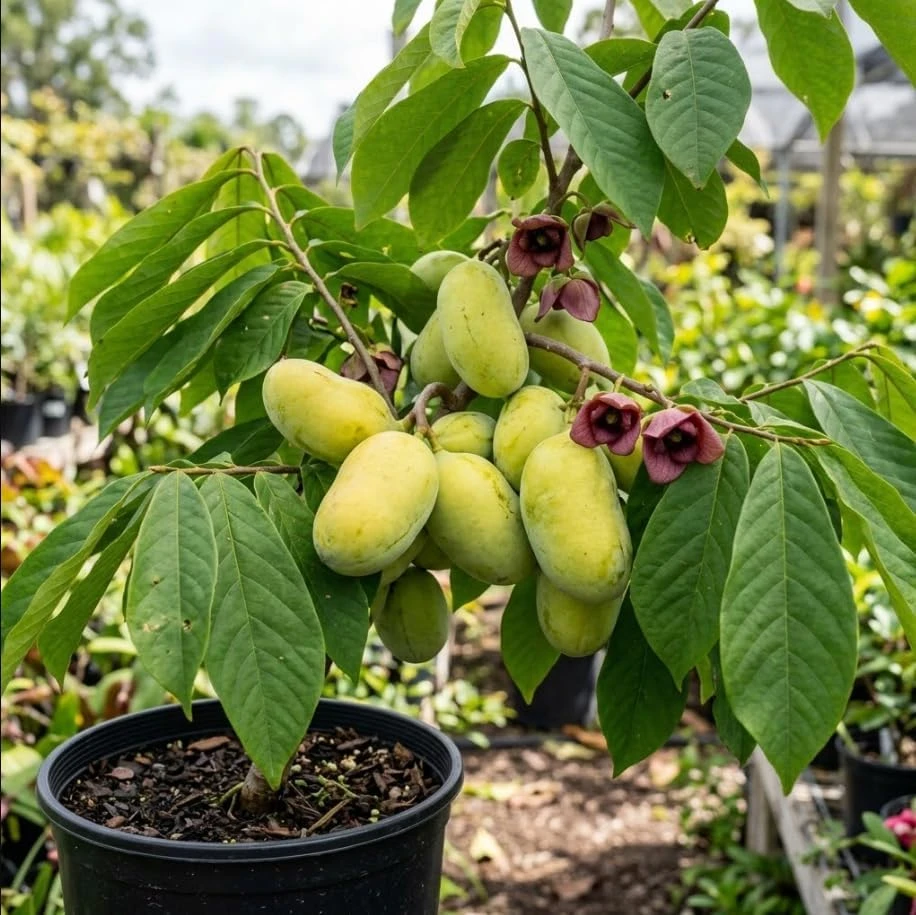
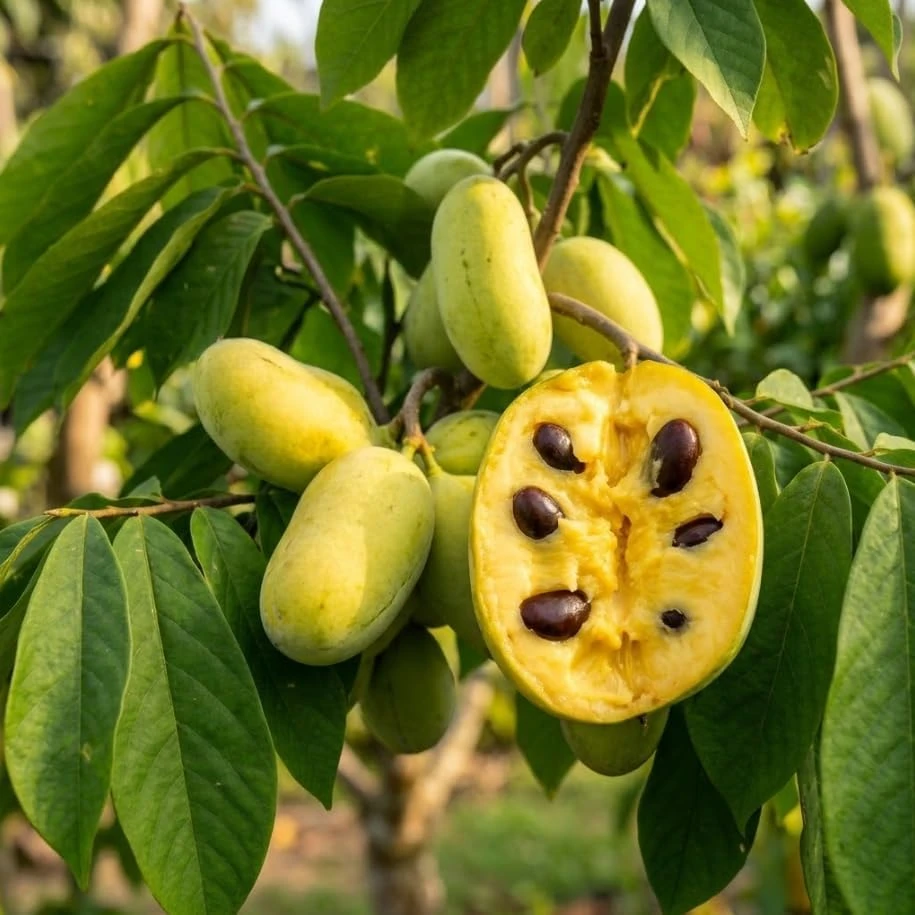
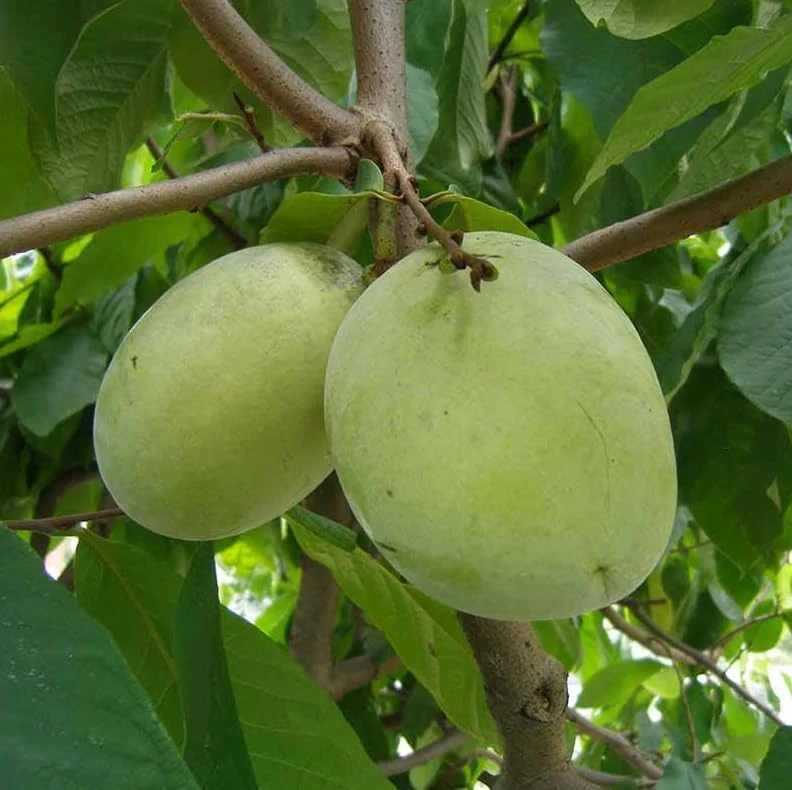
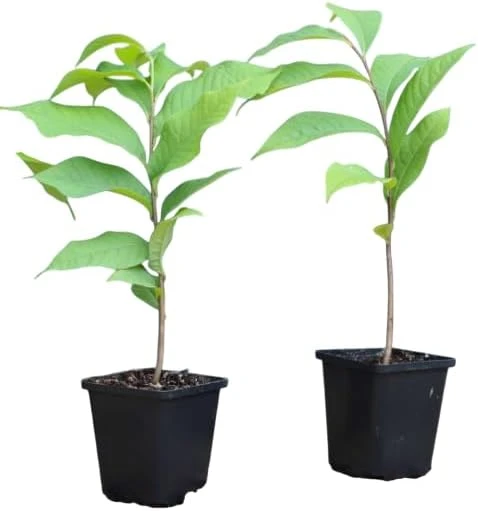
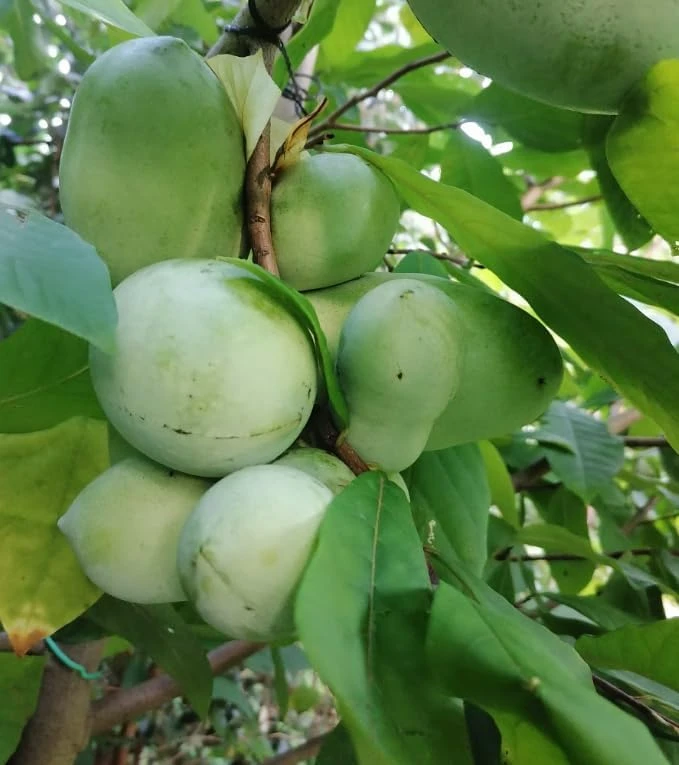
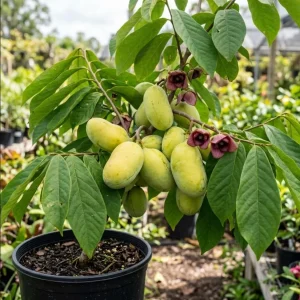
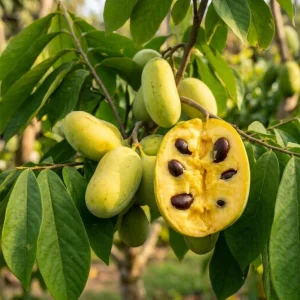
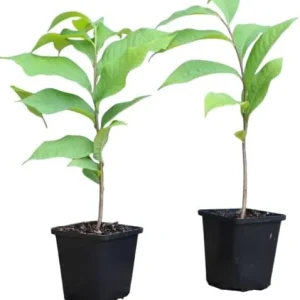
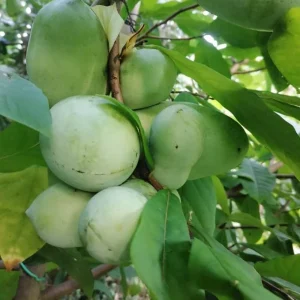
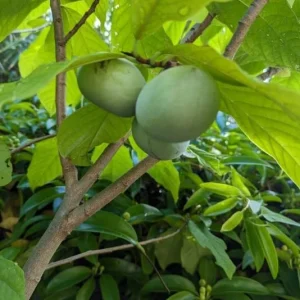
Embark on a rewarding gardening journey with your very own paw paw tree live plant. This unique and delightful tree, scientifically known as Asimina triloba plant, is a true North American native, celebrated for its delicious, custard-like fruit. Often referred to as the pawpaw hardy banana tree due to its creamy texture and tropical flavor profile, the pawpaw offers a taste reminiscent of mango, banana, and pineapple. You will receive one young paw paw tree live plant, approximately 6-14 inches tall and growing in a quart pot, carefully cultivated and ready for transplanting into your outdoor garden, food forest, or orchard. This starter plant is 1 year old, ensuring a healthy foundation for future growth and fruit production. While it will not have flowers or fruit upon arrival, with proper care and patience, you can look forward to enjoying its unique harvest in a few years.
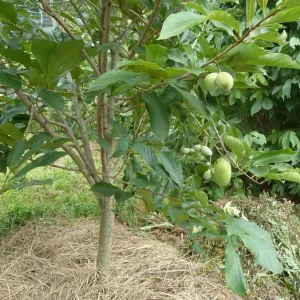
The Asimina triloba plant is known for its resilience and adaptability, thriving in various outdoor settings across its native range. It’s a deciduous tree that adds ornamental value with its attractive foliage, especially in autumn when leaves turn a brilliant yellow. Beyond its aesthetic appeal, the pawpaw is a fantastic choice for those interested in sustainable landscaping and growing their own food. This pawpaw fruit tree is a fascinating specimen for both novice and experienced gardeners looking to expand their edible landscape with an unusual and highly prized native fruit.
Key Benefits
Adding a paw paw tree live plant to your garden offers a multitude of benefits, from delicious fruit to ecological contributions. This remarkable tree is a fantastic investment for any outdoor space.
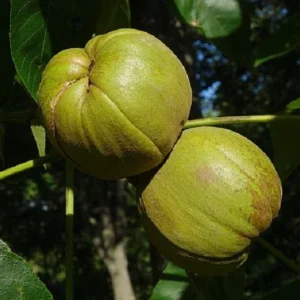
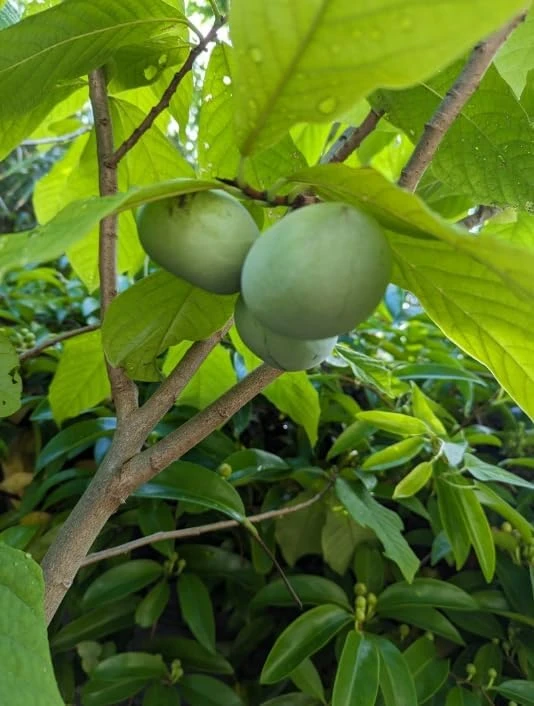
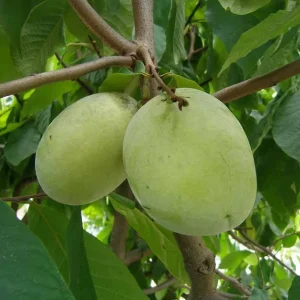
- Unique Edible Fruit: The primary benefit is the production of pawpaw fruit, known for its sweet, tropical flavor profile that combines notes of banana, mango, and pineapple. This makes the Asimina triloba plant a standout in any edible garden.
- Hardy and Resilient: As a native North American species, the pawpaw hardy banana tree is well-adapted to temperate climates, showing excellent cold hardiness and disease resistance, making it relatively low-maintenance once established.
- Supports Local Wildlife: Pawpaw trees provide food for various wildlife, including birds and small mammals, and serve as a host plant for the zebra swallowtail butterfly, contributing to local biodiversity.
- Ornamental Value: Beyond its fruit, the paw paw tree live plant offers attractive foliage, especially in the fall when its large leaves turn a beautiful golden-yellow, adding seasonal interest to your landscape.
- Shade and Understory Planting: Young pawpaw trees tolerate partial shade, making them excellent choices for understory planting in existing woodlands or for creating food forest layers.
- Sustainable Food Source:Growing pawpaw trees provides a sustainable, fresh, and often organic fruit supply that is not typically found in conventional grocery stores, offering a unique culinary experience.
Plant Care & Growing Tips
Caring for your paw paw tree live plant is straightforward, especially when you understand its specific needs. These trees prefer a location with at least 6 hours of direct sunlight for optimal fruit production once mature, though young plants benefit from some afternoon shade to prevent leaf scorch. They thrive in rich, well-draining soil with a slightly acidic to neutral pH (6.0-7.0). Amend heavy clay soils with organic matter to improve drainage and aeration. Consistent moisture is crucial, especially during the first few years after planting and during fruit development. Water deeply once or twice a week, allowing the top inch of soil to dry slightly between waterings. Avoid waterlogging, which can lead to root rot.
Growing pawpaw trees generally means they are hardy in USDA Zones 5-9. They are deciduous and will enter dormancy in winter, losing their leaves. During this period, reduce watering. Fertilize your Asimina triloba plant annually in early spring with a balanced, slow-release granular fertilizer or a compost top-dressing. Young trees require minimal pruning, primarily to remove dead, damaged, or crossing branches. Mature trees can be pruned to maintain shape and encourage fruit production. Pawpaw trees are generally pest and disease resistant, but monitor for any issues and address them promptly. Remember that pawpaws are often not self-fertile, so planting at least two genetically different trees is recommended for successful pollination and fruit set for your pawpaw fruit tree.
Size & Details
This offering includes one vibrant paw paw tree live plant, specifically a young starter of the Asimina triloba plant. The plant measures approximately 6–14 inches tall from the top of the soil to the tip of the highest leaf, providing a substantial young tree ready for transplanting. It is carefully grown and shipped in a quart-sized pot, ensuring the root system is well-established and protected during transit. This is a 1-year-old plant, offering a head start compared to growing from seed. While exact growth rates vary based on climate and care, expect your pawpaw hardy banana tree to grow steadily once established in your garden.
As a starter plant, your paw paw tree live plant will not have flowers or fruit upon arrival. With proper planting, consistent watering, adequate sunlight, and general care, pawpaw fruit tree typically begin producing their unique fruit in approximately 2–4 years after establishment. They are dormant during the winter season, meaning they will shed their leaves and appear to be inactive. Rest assured, the plant will resume active growth and leaf out again once temperatures warm in the spring, ready for another season of growth towards becoming a productive pawpaw fruit tree.
Frequently Asked Questions
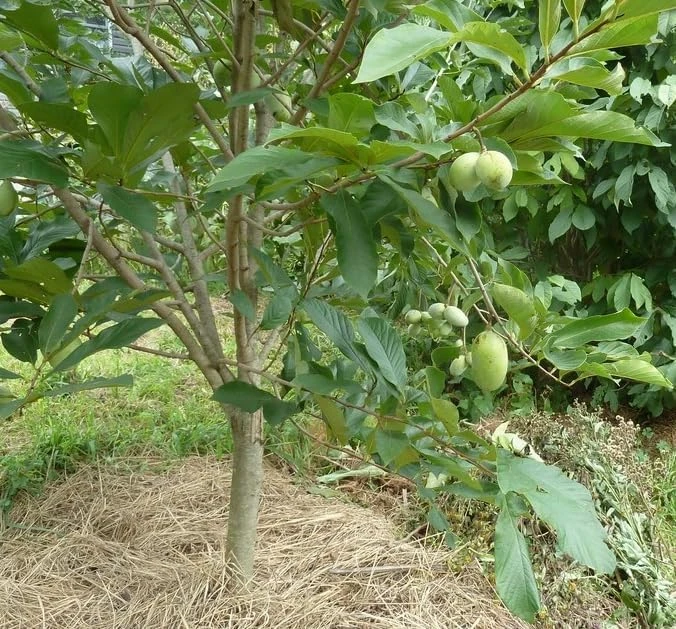
- Q: How big does this plant get? A: This paw paw tree live plant is currently 6-14 inches tall. Mature pawpaw trees can reach heights of 15-20 feet, with some varieties growing taller, making them a medium-sized fruit tree for your landscape.
- Q: What size pot does it come in? A: Your Asimina triloba plant will arrive growing in a quart-sized pot, which is suitable for a young starter plant. This allows for easy transplanting into your garden or a larger container if preferred.
- Q: Is this an indoor or outdoor plant? A: The paw paw tree live plant is an outdoor tree, well-suited for gardens, food forests, and orchards. It requires outdoor conditions to thrive and produce fruit, and is not typically grown as an indoor houseplant.
- Q: How much sunlight does it need? A: While young pawpaw hardy banana tree benefit from partial shade, especially in hot climates, mature trees need at least 6 hours of full sun per day for optimal fruit production.
- Q: Is this plant easy to care for? A: Yes, growing pawpaw trees is generally considered easy to moderate once established. They are hardy and resistant to many pests and diseases, making them a good choice for gardeners of varying experience levels.
- Q: What condition will it arrive in? A: Your paw paw tree live plant will arrive carefully packaged in its quart pot with soil, ready for transplanting. It may be dormant if ordered during colder months, which is normal for this deciduous species.
- Q: How long until it blooms and fruits? A: As a young starter plant, your Asimina triloba plant typically begins producing fruit in approximately 2–4 years after establishment, given proper care and if cross-pollination with another genetically different pawpaw tree occurs.
- Q: Will it survive winter in my zone? A: The pawpaw fruit tree is remarkably cold hardy, typically thriving in USDA Zones 5-9. If you are within these zones, your tree should survive winter dormancy and resume growth in spring.
- Q: What is the best time to plant a pawpaw tree? A: The best time for planting your paw paw tree live plant is in the spring after the last frost, or in early fall. This allows the tree to establish its root system before extreme temperatures.
- Q: Do I need more than one pawpaw tree to get fruit? A: Yes, most Asimina triloba plant varieties require cross-pollination from a genetically different pawpaw tree to produce fruit. Planting at least two trees is highly recommended for a successful harvest.


Reviews
There are no reviews yet.