Overview
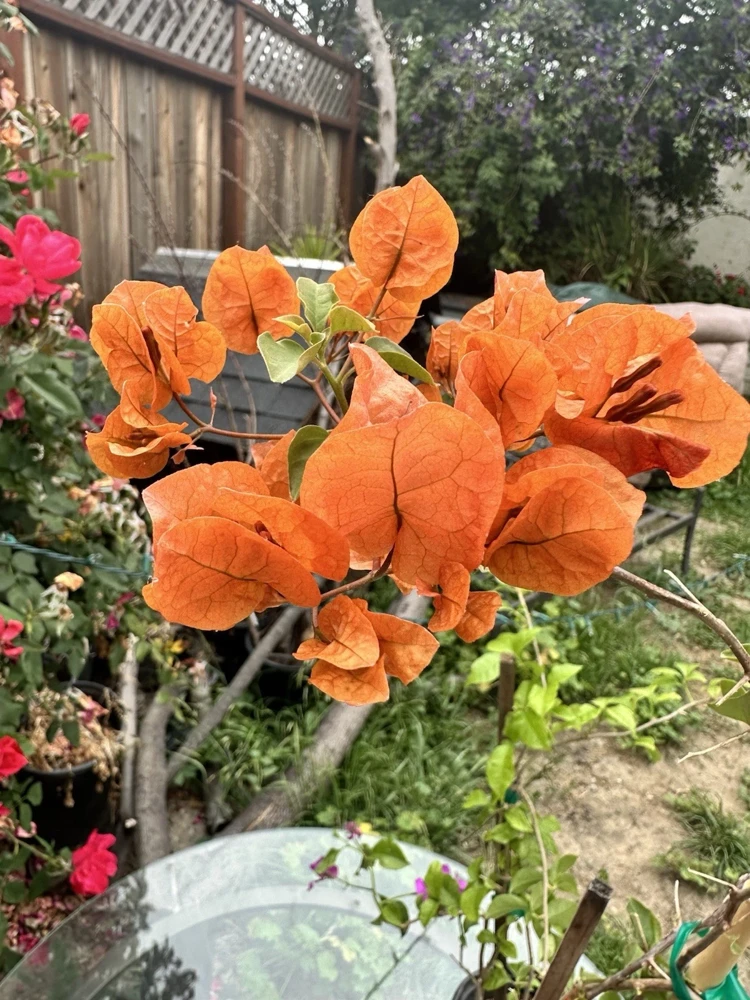
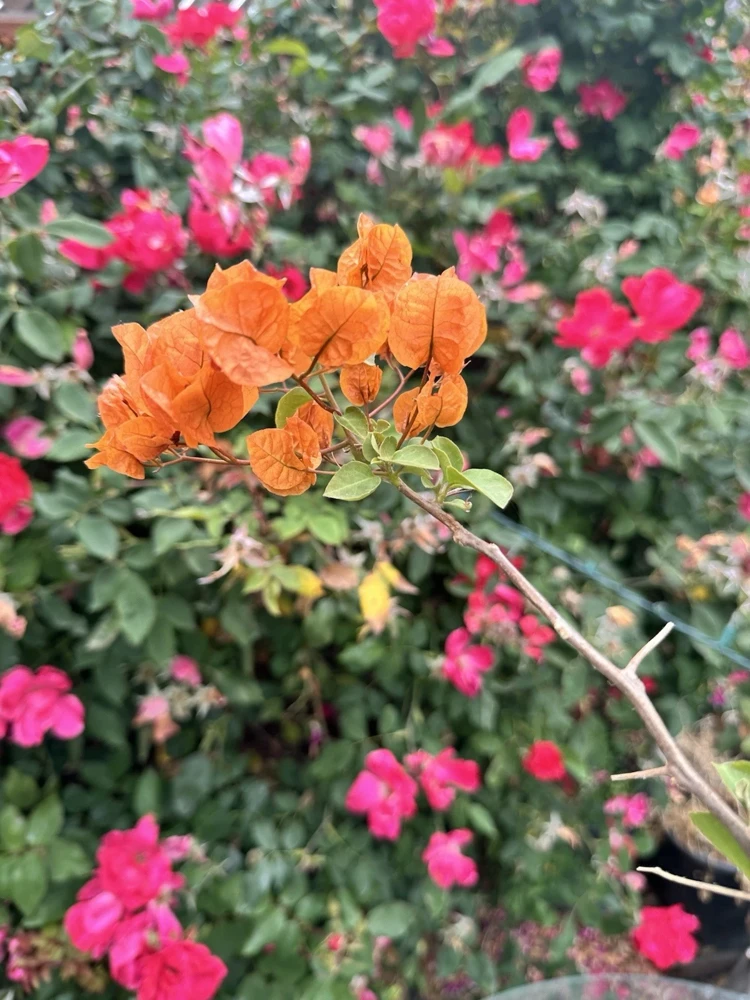
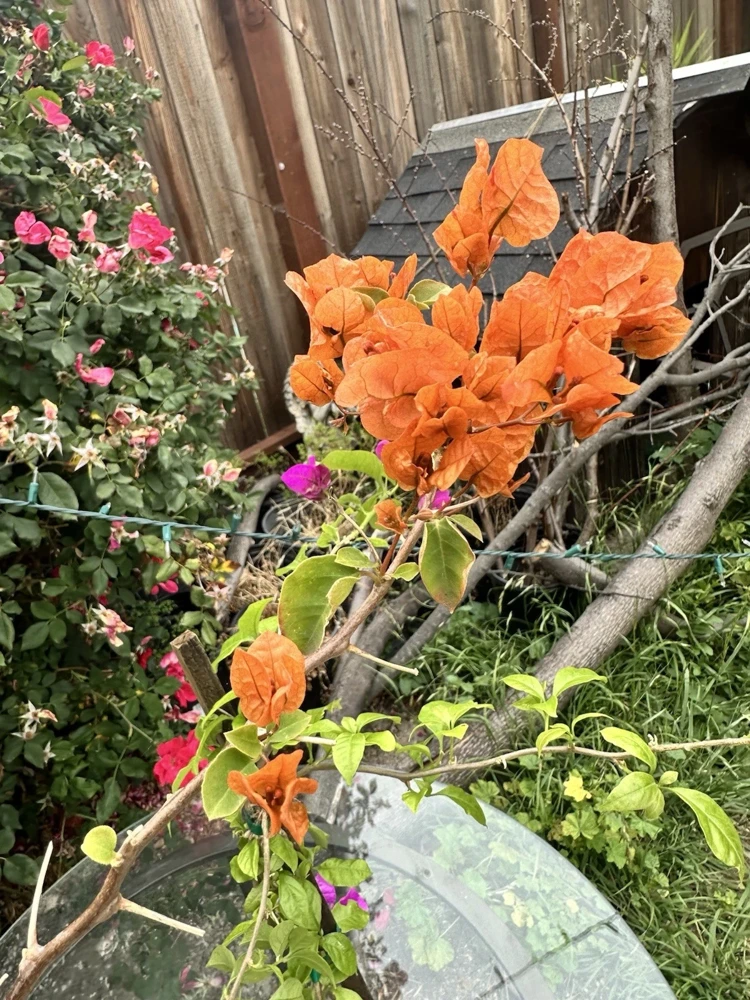
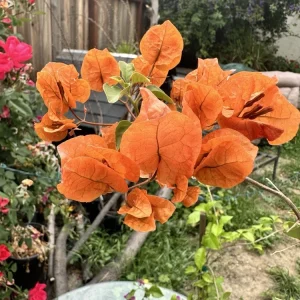
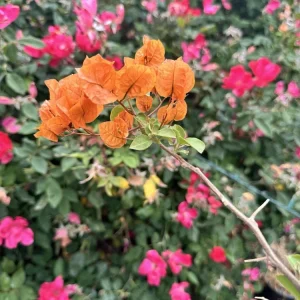
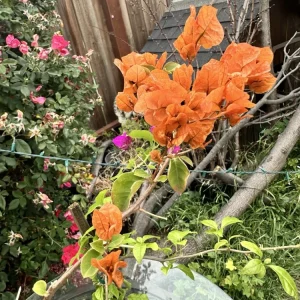
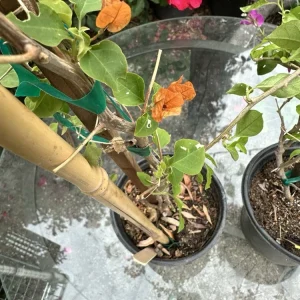
Introduce breathtaking tropical beauty to your garden with this stunning orange bougainvillea live plant. Known for its brilliant, papery bracts that resemble flowers, the Bougainvillea glabra offers a spectacular display of color that can transform any outdoor area into a vibrant paradise. This particular offering is a rooted live plant, measuring approximately 12-18 inches in height, ready to establish itself and grow into a magnificent bush or climbing vine. Bougainvillea glabra is celebrated for its vigorous growth and ability to thrive in warm climates, making it a popular choice for gardeners seeking dramatic visual impact. Its common name, bougainvillea, conjures images of sun-drenched landscapes and prolific blooms, and this variety lives up to that reputation with its striking orange hues.
Originating from South America, bougainvillea species like glabra are renowned for their hardiness and adaptability to various conditions, particularly those found in sub-tropical, temperate, and tropical regions. This plant is a fantastic choice for adding vertical interest to walls, trellises, or fences, or for use as a vibrant groundcover or container plant. With proper care, your new bougainvillea glabra care will ensure it flourishes, providing continuous color and lush foliage throughout the growing seasons.
Key Benefits
Investing in an orange bougainvillea live plant brings numerous advantages to your landscape, offering both aesthetic appeal and practical benefits that make it a truly rewarding addition.
- Dramatic Visual Impact: The vibrant orange bracts provide a continuous, show-stopping display of color, making it a focal point in any garden or patio setting. Its prolific flowering habit ensures a long season of interest.
- Fast Growth & Versatility: As a fast growing bougainvillea, it quickly covers structures like arbors, pergolas, or walls, offering privacy and shade. It can also be trained as a shrub, bush, or container plant.
- Heat & Drought Resistance: Once established, this plant is exceptionally tolerant of heat and periods of dryness, making it an ideal choice for xeriscaping or gardens in warmer climates. This resilience contributes to its low-maintenance appeal.
- Evergreen Foliage: In frost-free zones, the Bougainvillea glabra retains its lush green foliage year-round, providing consistent greenery even when not in full bloom.
- Deer-Resistant: The presence of thorns naturally deters deer, protecting your plant from common garden pests without the need for additional measures.
- Attracts Pollinators: While the colorful bracts are not true flowers, they attract hummingbirds and other pollinators to your garden, contributing to a healthy ecosystem.
- Long Blooming Season: Bougainvillea glabra can bloom almost year-round in ideal conditions, offering extended periods of vibrant color compared to many other flowering plants.
Plant Care & Growing Tips
Successful bougainvillea glabra care is relatively straightforward, but understanding its specific needs will ensure a healthy and profusely flowering plant. This hardy vine thrives in conditions that mimic its native tropical environment. For optimal growth and bloom production, full sun exposure is crucial. Your orange bougainvillea live plant requires at least 6 hours of direct sunlight per day; more sunlight generally leads to more abundant blooms. In extremely hot climates, some afternoon shade can be beneficial to prevent scorching, but too much shade will result in sparse flowering and leggy growth.
When it comes to watering, bougainvillea prefers deep, infrequent watering once established. Allow the soil to dry out completely between waterings, as overwatering can lead to root rot and reduced flowering. This plant is notably a drought resistant bougainvillea, making it forgiving if you occasionally forget to water. Well-draining soil is paramount; a mix of loam, peat, and sand provides the ideal conditions. Avoid heavy, water-retentive clays. For fertilization, use a balanced fertilizer with a slightly lower phosphorus content, or one designed for flowering plants, during its active growing season (spring through fall). Pruning is essential for shaping and encouraging bushier growth and more flowers; prune after a flush of blooms to maintain desired size and shape. The USDA Hardiness Zone for this plant is 8 (10 to 20 °F) and above, indicating its preference for warmer climates. Protect from frost if temperatures dip below freezing.
This bougainvillea vine plant is relatively low-maintenance once established, but consistent care will yield the best results. Keep an eye out for common pests like aphids or whiteflies, though bougainvillea is generally quite resistant. Ensuring good air circulation and appropriate watering practices will help prevent most disease issues. Remember that bougainvillea has thorns, so handle with care during planting and pruning.
Size & Details
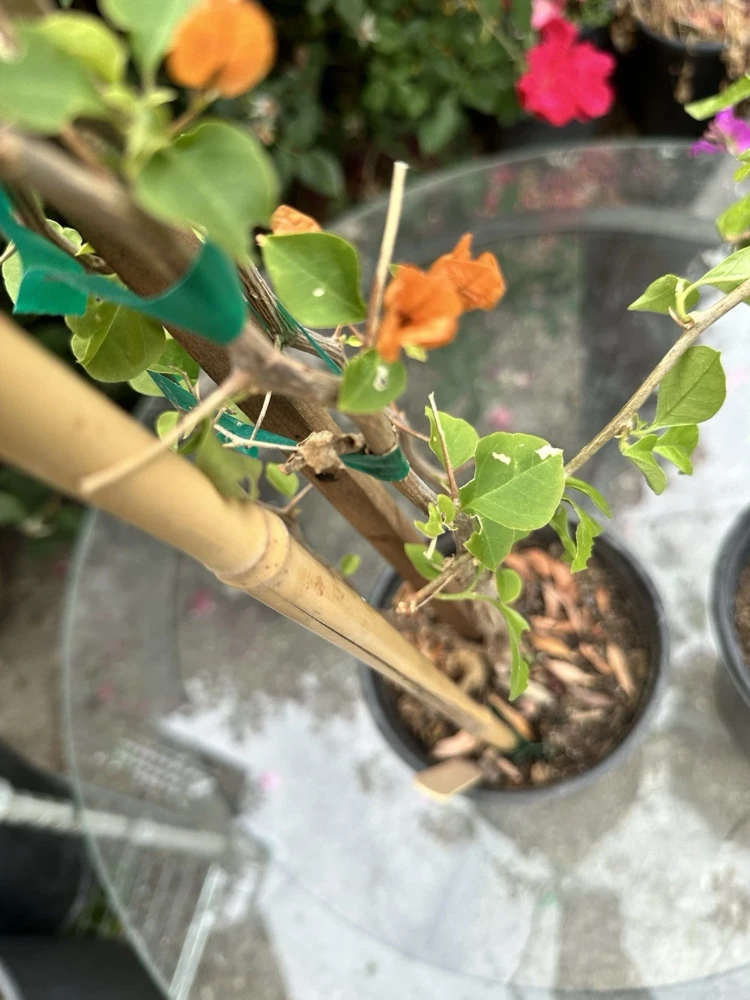
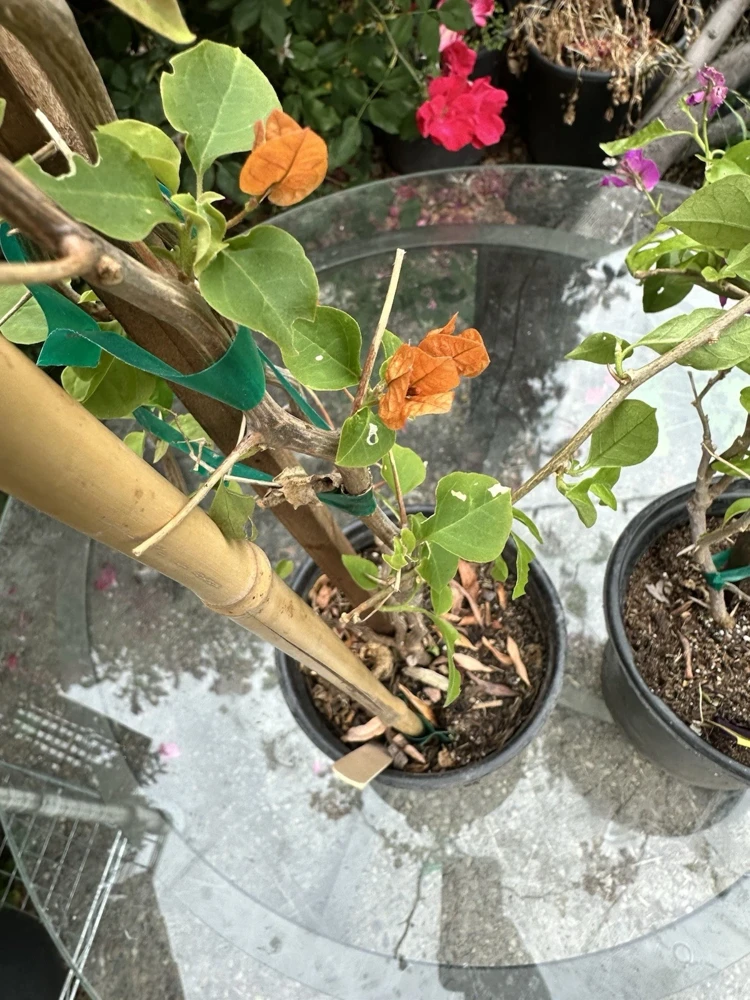
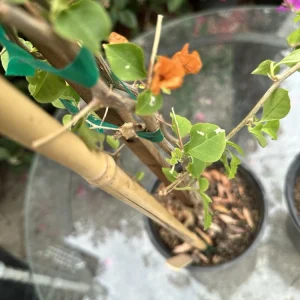
This offering is for one (1) orange bougainvillea live plant, specifically a rooted cutting of Bougainvillea glabra. The plant measures approximately 12-18 inches in height upon arrival, providing a good head start for establishment in your garden. It is shipped in a bare root form, which is ideal for reducing transplant shock and promoting rapid root development upon planting. This stage of growth, known as vegetative, means the plant is actively growing and ready to put on new foliage and eventually, its spectacular orange bracts. Bougainvillea glabra is known for its fast growth rate, quickly developing into a substantial bush or climbing vine when provided with optimal conditions.
Expect this bougainvillea vine plant to begin flowering typically from spring through fall, and even year-round in very warm climates. Its evergreen foliage provides consistent beauty. The plant’s climbing growth habit makes it excellent for training on supports, but it can also be maintained as a freestanding shrub. The mature size can vary greatly depending on pruning and growing conditions, but it has the potential to reach significant heights and widths when allowed to climb freely. With its striking color and vigorous nature, this plant promises to be a rewarding addition to your outdoor space.
Frequently Asked Questions
- Q: How big does this orange bougainvillea live plant get? A: This Bougainvillea glabra can grow quite large, reaching heights of 15-30 feet or more when trained as a climbing vine, and can spread several feet wide. Its ultimate size largely depends on pruning and growing conditions.
- Q: Is this an indoor or outdoor plant? A: This is primarily an outdoor plant, thriving in full sun in USDA Hardiness Zones 8 and above. In colder climates, it can be grown in containers and brought indoors during winter, but it prefers outdoor conditions.
- Q: How much sunlight does it need? A: For abundant blooms, your bougainvillea glabra care requires at least 6 hours of direct sunlight per day. More sun generally leads to more vibrant and prolific flowering.
- Q: Is this plant easy to care for? A: Once established, bougainvillea is considered relatively easy to care for, especially due to its drought and heat resistance. The key is providing plenty of sun and well-draining soil, and avoiding overwatering.
- Q: What condition will it arrive in? A: Your bougainvillea vine plant will arrive as a 12-18 inch rooted bare root plant. This means it will have its roots intact but minimal soil, ready for immediate planting in your garden or a suitable container.
- Q: How long until it blooms? A: While this is a live rooted plant, the exact time to its first bloom can vary. With proper care and sufficient sunlight, you can expect blooms during its natural season of interest, which is typically spring through fall, and potentially year-round in tropical climates.
- Q: Will it survive winter in my zone? A: This Bougainvillea glabra is suitable for USDA Hardiness Zones 8 (10 to 20 °F) and warmer. In zones colder than 8, it will need winter protection or should be grown in a container and moved indoors to avoid frost.
- Q: What are the best soil conditions for a drought resistant bougainvillea? A: Bougainvillea thrives in well-draining soil. A mix of loam, peat, and sand is ideal. Avoid heavy clay soils that retain too much moisture, as this can lead to root issues.
- Q: Does this plant attract pollinators? A: Although the colorful parts are technically bracts, not true flowers, their bright appearance does attract hummingbirds and other small pollinators to the garden.
- Q: Is the plant organic? A: The input indicates the plant features are organic, suggesting it has been grown using organic practices.


Reviews
There are no reviews yet.