Overview
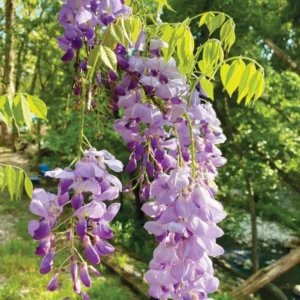
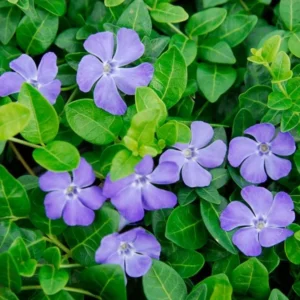
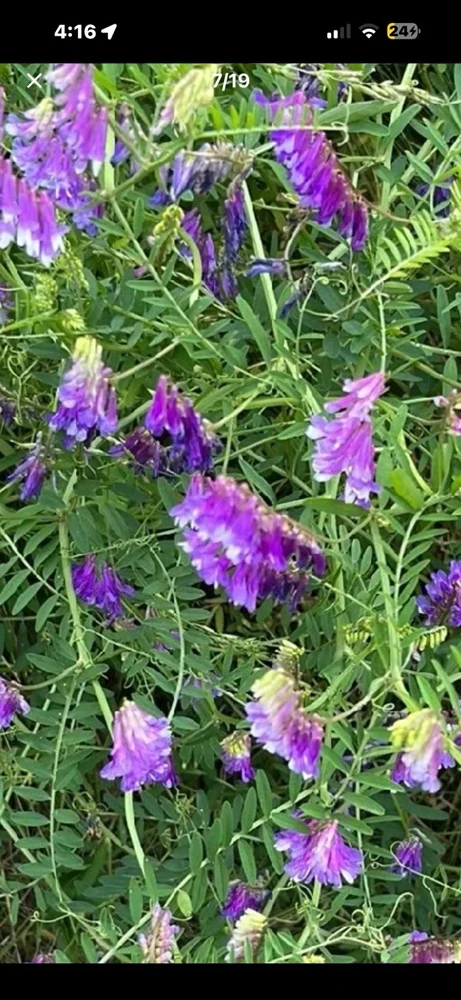
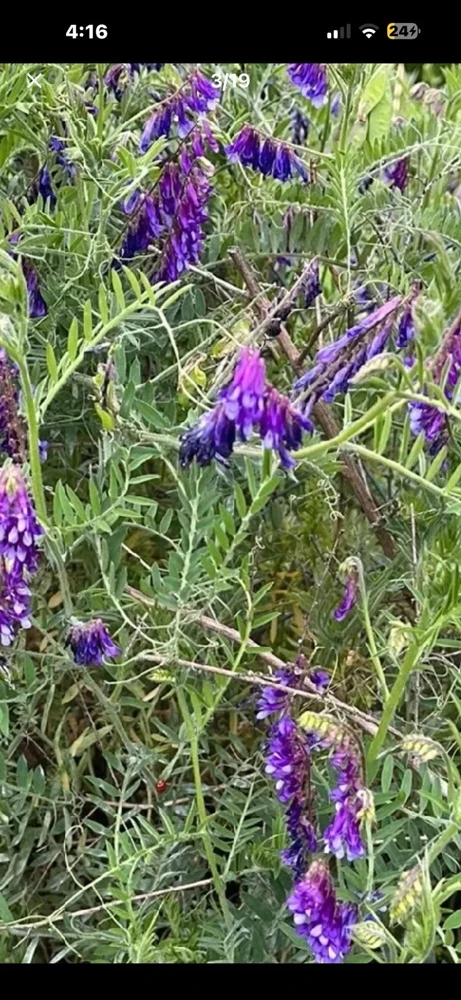
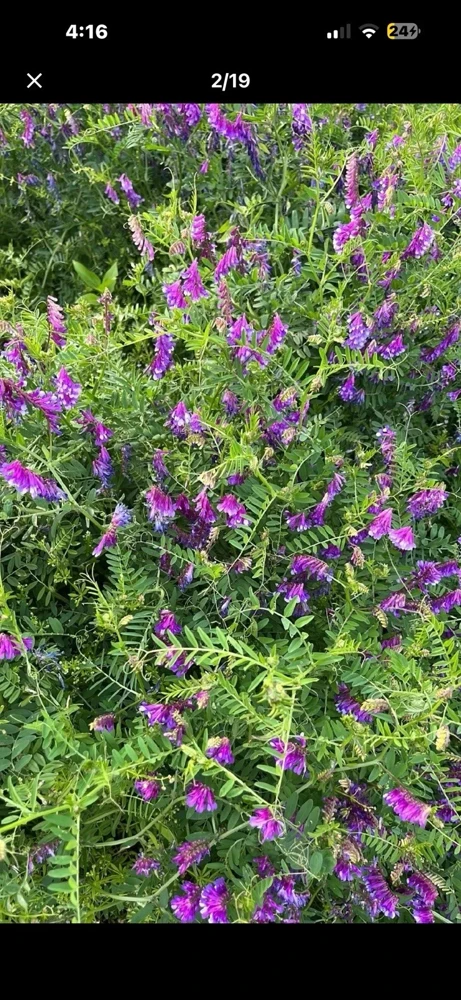
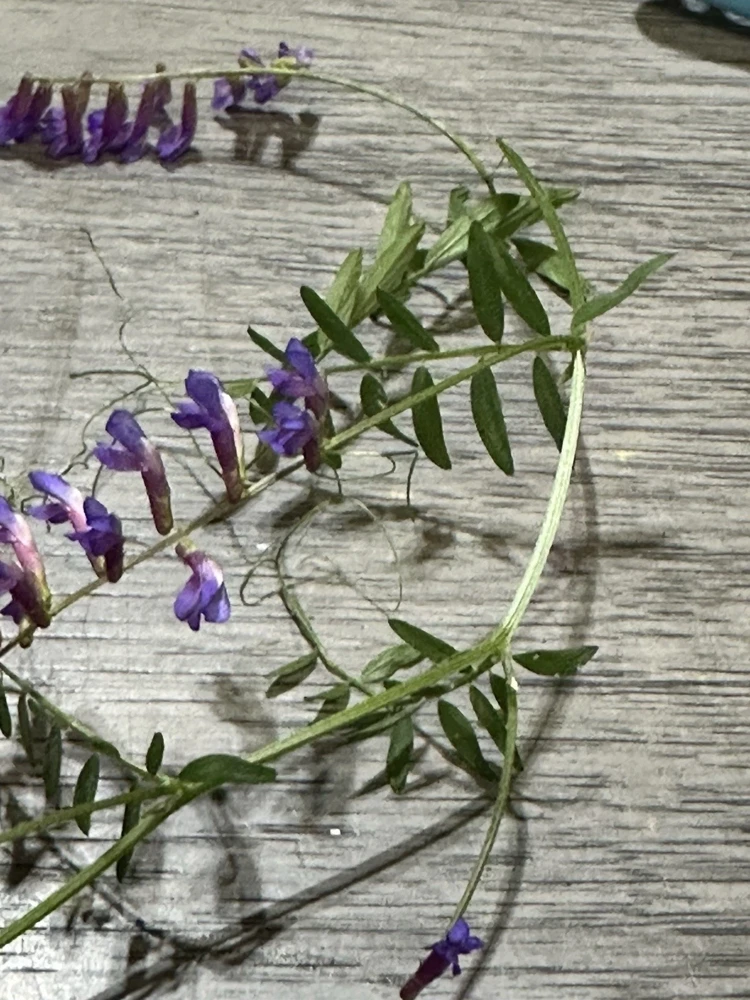
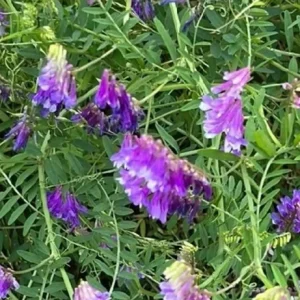
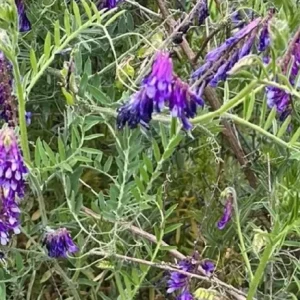
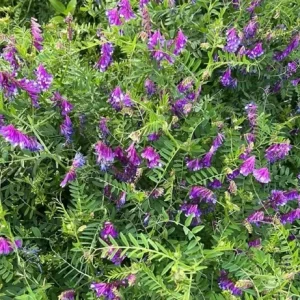
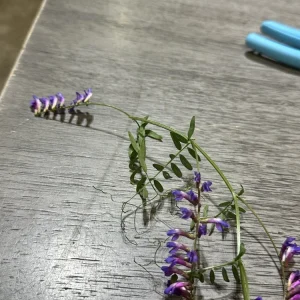
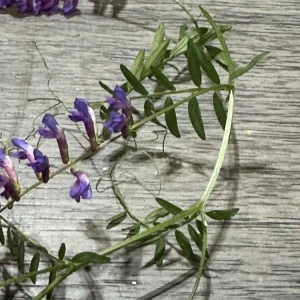
Introduce a dynamic and beneficial addition to your garden with the purple hairy vetch live plant, scientifically known as Vicia villosa. This remarkable plant is celebrated for its stunning purple blooms and its significant ecological contributions, making it an excellent choice for gardeners focused on sustainability and beauty. Originating from Europe and Asia, hairy vetch has become a popular cover crop and ornamental vine across various climates. This vicia villosa plant arrives as a healthy 6-inch specimen, ready to establish itself in your outdoor space. It’s an ideal choice for those looking to attract beneficial insects, improve soil fertility, and add a splash of color to their landscape. Whether you’re aiming for a lush ground cover or a climbing vine, this easy-to-grow perennial offers both aesthetic appeal and practical garden advantages.
Key Benefits
The purple hairy vetch live plant offers a multitude of benefits for any garden, from enhancing biodiversity to improving soil health. Its vigorous growth and attractive flowers make it a versatile and valuable asset.
- Exceptional Pollinator Attraction: The vibrant purple flowers are a magnet for bees, butterflies, and other essential pollinators, significantly boosting the health and productivity of your garden and supporting local ecosystems. This makes it a fantastic choice for creating a pollinator friendly plants habitat.
- Natural Soil Improvement: As a legume, hairy vetch is a superb nitrogen fixer. It enriches the soil by converting atmospheric nitrogen into a usable form, reducing the need for synthetic fertilizers and promoting healthier plant growth for subsequent crops. This is one of the primary hairy vetch benefits.
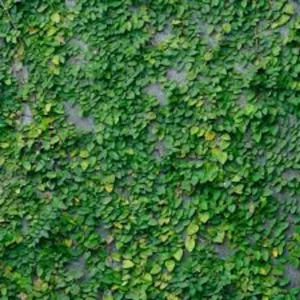
- Excellent Ground Cover & Erosion Control: Its sprawling, clumping growth habit provides effective ground cover, suppressing weeds and preventing soil erosion, especially on slopes or in open areas. Its dense foliage helps retain soil moisture.
- Deer Resistant: Gardeners often struggle with deer browsing, but hairy vetch is known for its natural resistance to deer, allowing it to thrive without constant protection in areas where deer are a common problem.
- Fast-Growing & Resilient: This plant establishes quickly and grows vigorously, making it a reliable choice for gardeners seeking rapid coverage and bloom. It’s heat-resistant and drought-resistant once established, demonstrating remarkable resilience.
- Versatile Garden Use: Suitable as a standalone ornamental vine, a nitrogen-fixing cover crop, or interplanted with other vegetables and flowers, its adaptability allows for various landscape designs and agricultural practices.
- Organic Gardening Ally: For those practicing organic gardening, the purple hairy vetch live plant is an invaluable tool for natural soil enrichment and pest management, contributing to a healthy, chemical-free environment.
Plant Care & Growing Tips
Caring for your purple hairy vetch live plant is relatively straightforward, as it is a hardy and adaptable species. Understanding its basic needs will ensure vigorous growth and abundant blooms. This vicia villosa plant thrives in a variety of conditions, making it suitable for many outdoor garden settings.
Sunlight Requirements: Hairy vetch prefers full sun to medium sun, meaning it needs at least 6 hours of direct sunlight per day to achieve optimal flowering and growth. While it can tolerate low sun, its performance may be reduced. Ensure it’s planted in a location where it receives ample light throughout the day for the best results. For those interested in growing hairy vetch, adequate sunlight is paramount.
Watering Schedule & Soil Moisture: This plant has medium watering needs. It prefers consistently moist, but not waterlogged, soil, especially during establishment. Once mature and established, it becomes quite drought-resistant. Water deeply when the top inch of soil feels dry to the touch. Avoid overwatering, as this can lead to root rot. Good drainage is crucial for its health.
Soil Type & Drainage: Hairy vetch is adaptable to various soil types, including sandy, peaty, and loamy soils. The most important factor is good drainage. While it can tolerate a range of pH levels, a neutral to slightly acidic soil is ideal. Incorporating organic matter can improve soil structure and fertility, supporting robust growth of your purple hairy vetch live plant. Its ability to thrive in different soils is another of the excellent hairy vetch benefits.
Temperature & USDA Hardiness Zone: This perennial plant is quite adaptable to different climates, thriving in tropical, sub-tropical, temperate, Mediterranean, marine west coast, mountain, and humid subtropical regions. It is generally hardy in USDA zones 4-9, making it suitable for a wide range of climates across the United States. It can withstand cooler temperatures and is heat-resistant, demonstrating good resilience.
Fertilization: As a nitrogen-fixing legume, purple hairy vetch live plant generally requires minimal to no additional nitrogen fertilization. In fact, too much nitrogen can inhibit its nitrogen-fixing capabilities. If your soil is very poor, a balanced, low-nitrogen fertilizer can be applied sparingly at planting, but typically, its own soil-enriching properties are sufficient.
Common Problems & Solutions: Hairy vetch is generally robust but can occasionally face issues like powdery mildew in humid conditions or aphid infestations. Ensure good air circulation to prevent fungal diseases. For aphids, a strong spray of water or insecticidal soap can be effective. Its deer-resistant nature helps avoid common garden damage.
Size & Details
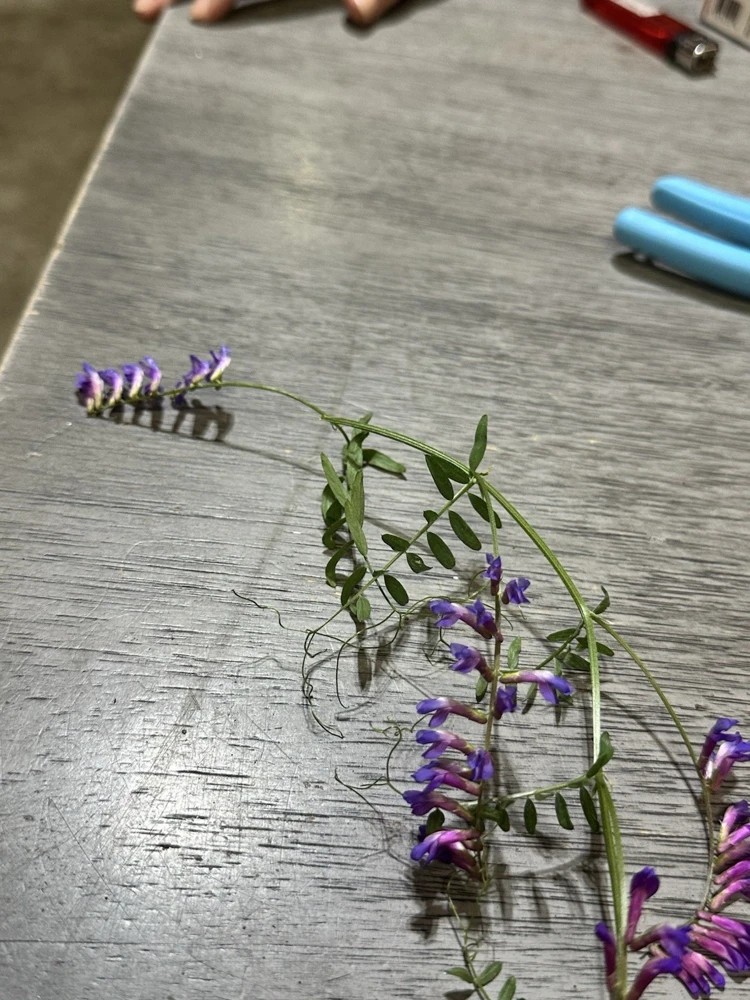
This offering is for one purple hairy vetch live plant, arriving as a healthy 6-inch specimen in a vegetative growth stage. It is shipped in bare root form, which is ideal for quick establishment once planted in your garden. The plant exhibits a clumping growth habit and features lobate foliage, providing a lush appearance. As a fast-growing vine, it will quickly spread to cover an area or climb a support structure, reaching mature lengths of several feet. Expect beautiful purple flowers to emerge in the spring, summer, and fall, creating a long season of interest and providing continuous attraction for pollinators. Its robust nature and rapid growth make it an excellent choice for quick landscaping solutions and for those interested in the ecological advantages of growing hairy vetch.
Frequently Asked Questions
- Q: How big does this purple hairy vetch live plant get? A: This purple hairy vetch live plant is a fast-growing vine that can reach lengths of several feet, typically spreading to create a dense ground cover or climbing on available supports. Individual vines can extend 3-6 feet or more depending on growing conditions.
- Q: What condition will the plant arrive in? A: Your purple hairy vetch live plant will arrive as a healthy 6-inch specimen in a bare root form. This method ensures the plant is ready for immediate planting and minimizes transplant shock, allowing for quick establishment in your garden.
- Q: Is this an indoor or outdoor plant? A: The purple hairy vetch live plant is exclusively an outdoor plant. It thrives in various outdoor climates and is best suited for garden beds, ground cover, or climbing structures where it can receive ample sunlight.
- Q: How much sunlight does the vicia villosa plant need? A: This plant prefers full sun to medium sun, requiring at least 6 hours of direct sunlight daily for optimal growth and flowering. It can tolerate some partial shade but will produce fewer blooms and less vigorous growth.
- Q: Is this plant easy to care for, especially for beginners? A: Yes, the purple hairy vetch live plant is considered relatively easy to care for. It’s a hardy, resilient plant that is drought-tolerant and deer-resistant once established, making it a good choice for both experienced and novice gardeners interested in growing hairy vetch.
- Q: What are the main hairy vetch benefits for my garden? A: The main hairy vetch benefits include attracting a wide range of pollinators, enriching the soil through nitrogen fixation, suppressing weeds as a ground cover, and preventing soil erosion. It’s also a valuable organic gardening ally.
- Q: When is the best time to plant this vicia villosa plant? A: For bare root plants, spring or fall are generally the best times for planting, allowing the plant to establish before extreme summer heat or winter cold. However, in milder climates, it can be planted any time the soil is workable.
- Q: Is this plant pet-safe? A: While generally considered safe for pets, some sources suggest large quantities of vetch can cause issues for livestock. For household pets, it’s generally not a concern, but always monitor your pets if they consume any plant material.
- Q: Will it survive winter in my zone? A: The purple hairy vetch live plant is perennial in USDA Zones 4-9. In colder zones, it may behave as an annual or require protection. Its heat and draught resistance also contribute to its survival in warmer climates.
- Q: Can I use this plant for erosion control? A: Absolutely. Its clumping and fast-spreading growth habit makes it an excellent choice for erosion control, especially on sloped areas or in gardens where soil stability is a concern.


Reviews
There are no reviews yet.