Overview
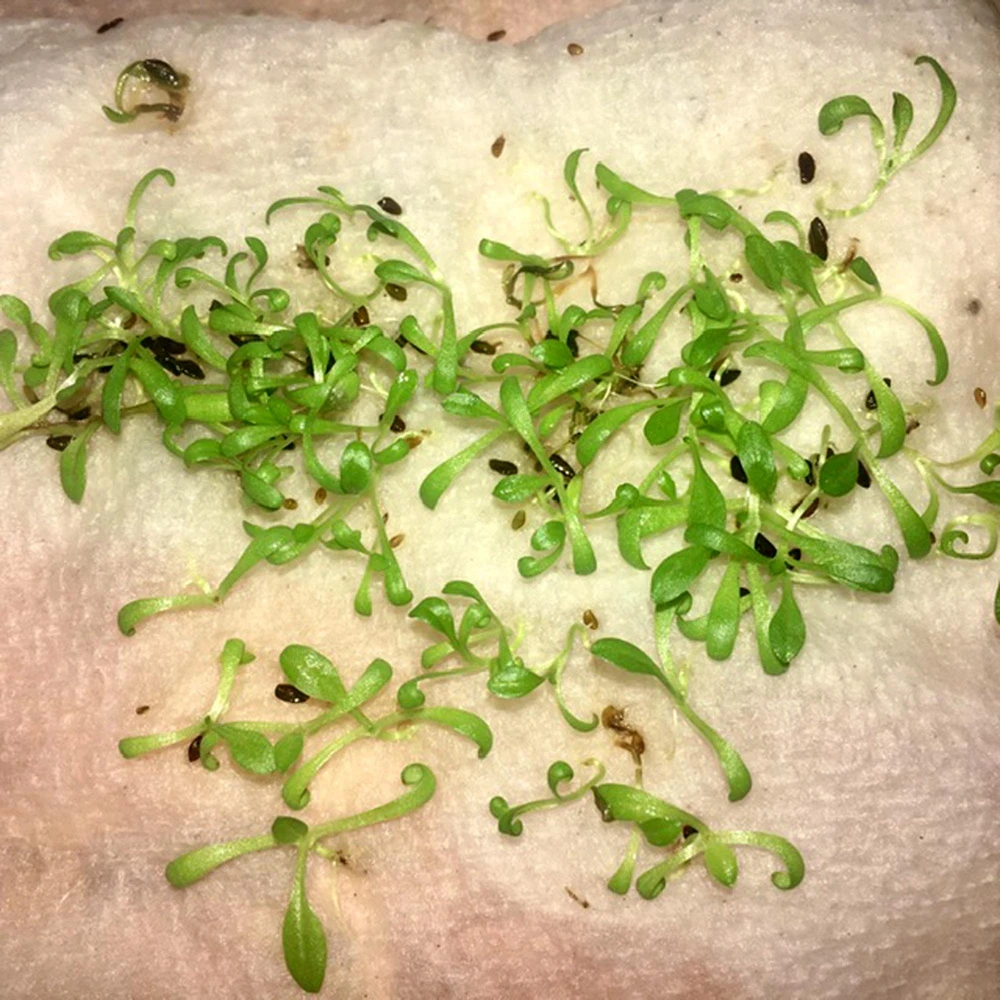
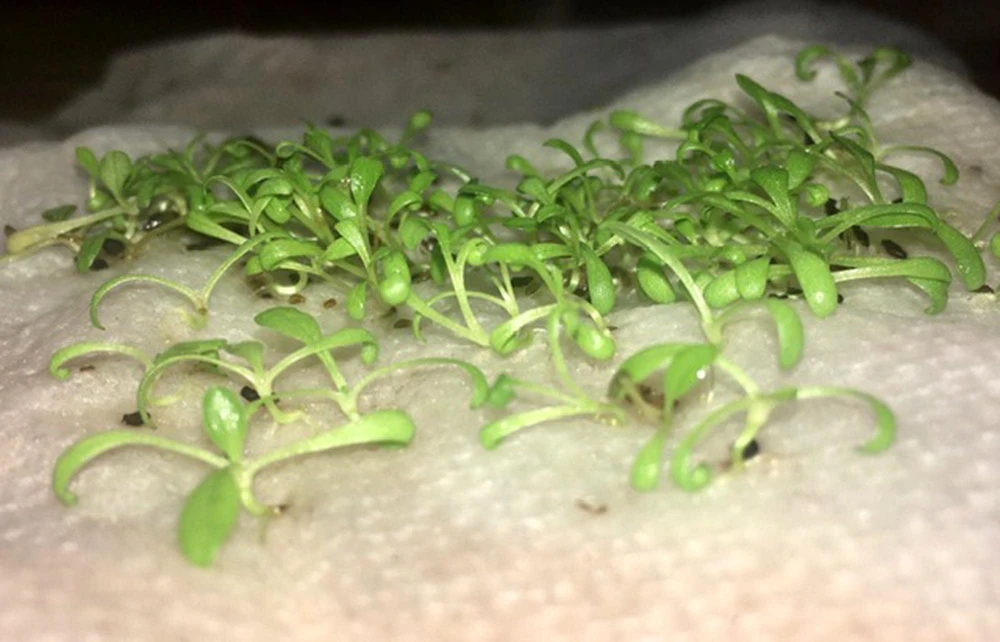
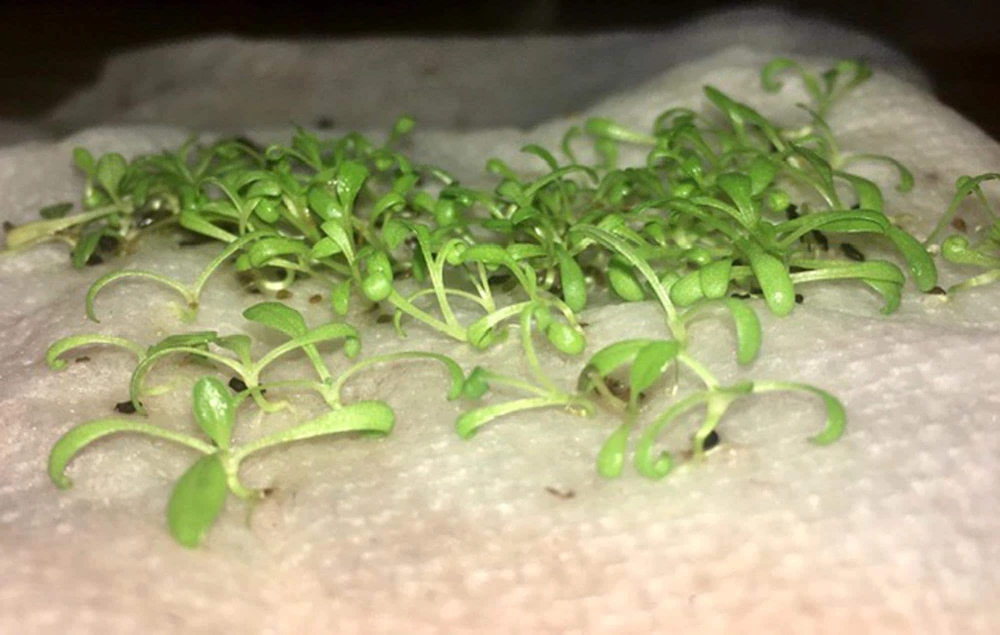
Discover the incredible versatility of broadleaf plantain seeds, an exceptional heritage variety of Plantago Major. These organic, herbicide and pesticide-free seeds allow you to cultivate a robust and beneficial herb right in your own garden. Native to Europe and temperate parts of Asia, broadleaf plantain has naturalized across much of the world, thriving in a wide range of climates. It’s a perennial plant, returning year after year from its roots, making it a reliable addition to any herb garden or edible landscape. Known by many as white man’s foot, this resilient plant offers both culinary and medicinal benefits, making it a must-have for those interested in natural remedies and homegrown food. Our broadleaf plantain seeds are selected for their vigor and high germination rate, ensuring a successful growing experience.
Broadleaf plantain is not just a common weed; it’s a powerhouse of nutrition and natural healing. From its tender young leaves perfect for salads to its mature leaves ideal for cooking, every part of the plant is edible. The seeds themselves are a source of protein, carbohydrates, and omega-3 fatty acids, similar to psyllium. Growing plantago major seeds provides access to a plant rich in vitamins A, C, K, zinc, potassium, and silica. Whether you’re a seasoned herbalist or a curious gardener, these seeds offer an opportunity to connect with a plant steeped in history and utility.
Key Benefits
Growing organic plantain seeds offers a multitude of benefits for your health, garden, and pantry. This remarkable herb is not only easy to cultivate but also provides a wealth of uses:
- Nutrient-Rich Edible Leaves: Young broadleaf plantain leaves are excellent in salads, offering a flavorful and nutritious green. Mature leaves can be cooked like spinach or kale, adding a healthy boost to soups, stews, and stir-fries. They are packed with vitamins A, C, K, and essential minerals like zinc and potassium.
- Medicinal Properties: Broadleaf plantain is renowned for its traditional medicinal uses. It is known to help inhibit bacterial growth, relieve pain and inflammation, reduce fever, and stop bleeding. It’s also used to improve eye drainage and aid in the healing of wounds.
- Natural Remedy for Skin Irritations: Often called nature’s bandage, plantain is incredibly effective for bug bites, stings, rashes, and other skin irritations. A simple poultice or salve made from the leaves can quickly soothe itching and burning.
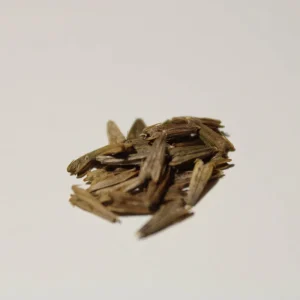
- Versatile Seed Uses: The seeds, similar to psyllium, contain mucilage and can be ground and used as a thickening agent in recipes or as a nutritious addition to hot cereals. This makes cultivating broadleaf plantain seeds even more rewarding.
- Easy to Grow Perennial: This resilient plant thrives in USDA zones 3-10 and is a perennial, meaning it will return year after year from its roots. It adapts well to various conditions, making it suitable for most North American climates.
- Foraging and Homesteading: Ideal for self-sufficiency and homesteading, broadleaf plantain provides a readily available food source and natural medicine. Knowing how to grow and utilize medicinal plantain herb is a valuable skill.
- Organic and Chemical-Free: Our seeds are organic and free from herbicides and pesticides, ensuring that the plantain you grow is pure and safe for consumption and topical application.
Plant Care & Growing Tips
Cultivating broadleaf plantain seeds is a straightforward and rewarding experience, suitable for gardeners of all levels. These hardy plants are remarkably adaptable and require minimal fuss once established. For optimal growth, sow seeds directly into well-draining soil in spring or early summer, after the last frost. They prefer full sun to partial shade, meaning at least 4-6 hours of direct sunlight per day is ideal, though they can tolerate less. Ensure the soil remains consistently moist during germination and early growth, but avoid waterlogging. Once established, broadleaf plantain is quite drought-tolerant, only requiring watering during prolonged dry spells.
Broadleaf plantain thrives in a variety of soil types, from sandy to clay, as long as it’s well-draining. A neutral to slightly acidic pH is preferred, but they are not particularly fussy. Fertilization is generally not necessary in average garden soil, as they are adept at extracting nutrients. However, if your soil is particularly poor, a light application of balanced organic fertilizer can be beneficial. These plants are hardy in USDA zones 3-10, tolerating a wide range of temperatures. They mature in approximately 90 days from planting. Watch for common garden pests like aphids, though plantain is generally quite resistant. Regular harvesting of leaves can encourage bushier growth and prevent the plant from going to seed too quickly, extending your harvest of culinary plantain leaves.
Size & Details
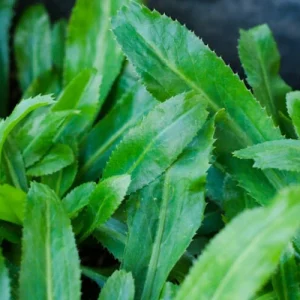
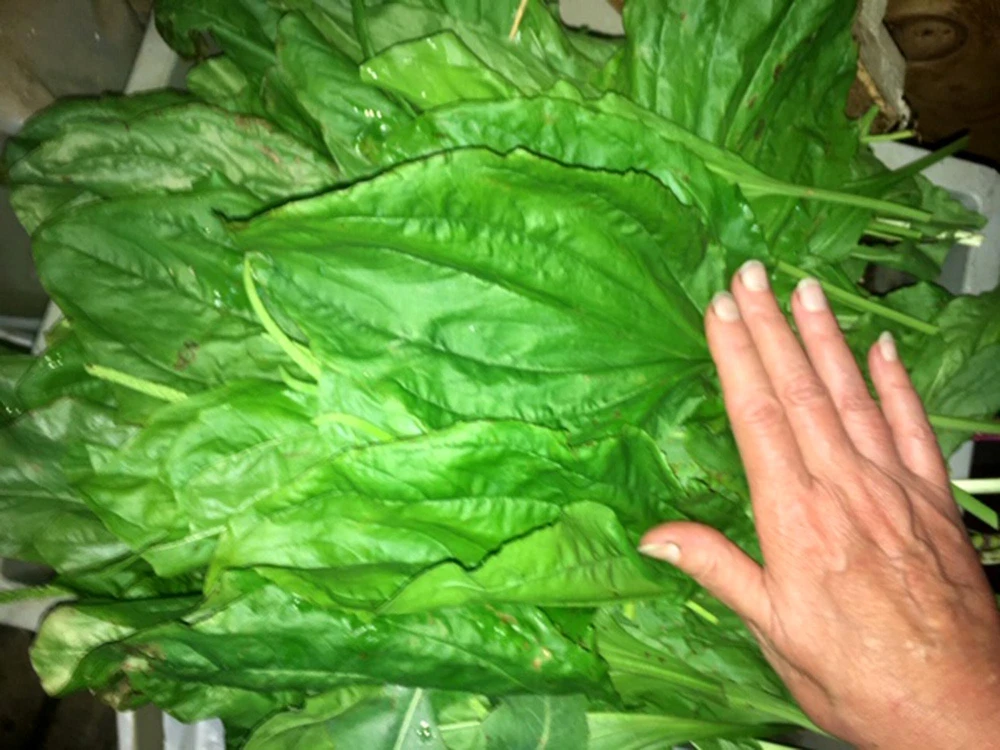
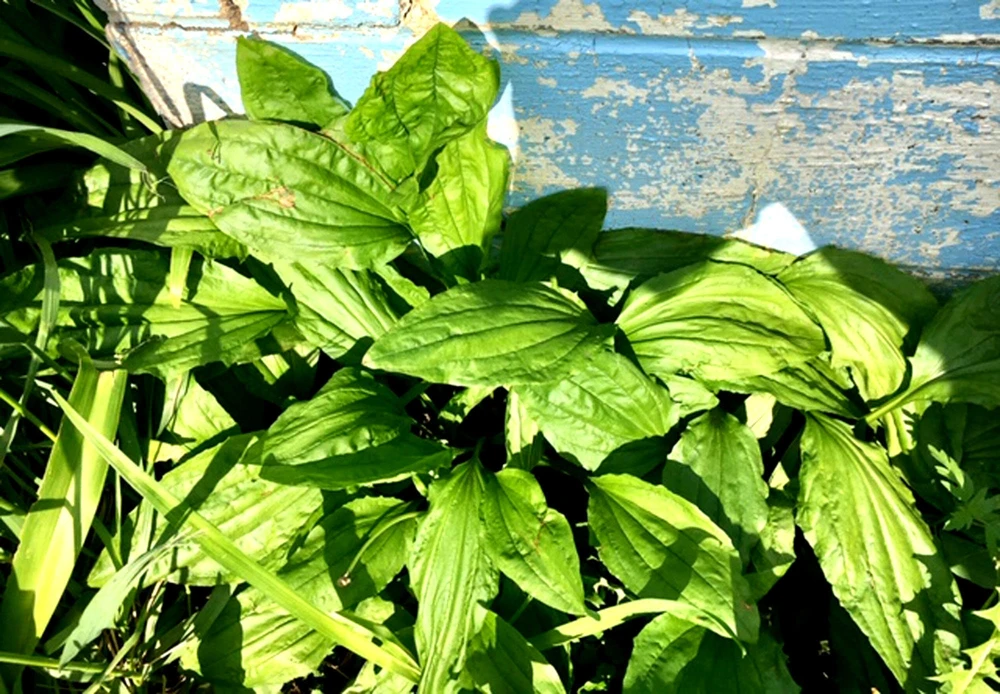
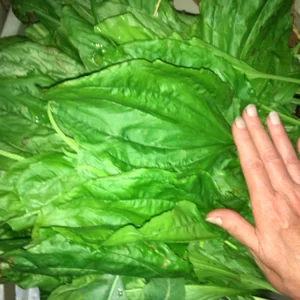
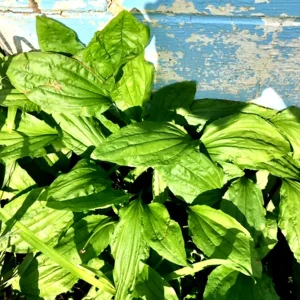
These broadleaf plantain seeds will grow into robust plants typically reaching a height of 2 to 12 inches, though with optimal care, they can achieve very large leaves. The leaves themselves grow in a rosette pattern, close to the ground, and are broadly lance-shaped to egg-shaped, ranging from 1 to 6 inches in length. They are generally hairless or sparsely short-haired. The seeds are supplied in quantities of 10, 25, 50, or 100 count, allowing you to choose the perfect amount for your garden. Expected maturity for harvesting leaves is around 90 days, providing a relatively quick turnaround for your efforts. The plants are perennial, meaning they will establish and return each year from their root system, offering a continuous supply of fresh leaves for many seasons.
Our plantago major seeds are sourced from vigorous, healthy plants, ensuring high germination rates and strong growth. They are suitable for growing in garden beds, raised beds, or even containers, making them adaptable for various gardening spaces. The plants are shipped as seeds, providing you with the opportunity to start them fresh and observe their entire growth cycle. With proper care, these plants will not only provide delicious and medicinal leaves but also contribute to the biodiversity of your garden.
Frequently Asked Questions
- Q: How big does this plant get? A: Broadleaf plantain typically grows 2-12 inches tall, but with ideal conditions and care, the leaves can grow significantly larger. They form a low-lying rosette close to the ground.
- Q: Is this an indoor or outdoor plant? A: Broadleaf plantain is primarily an outdoor plant, thriving in garden beds. However, it can be grown indoors in containers with sufficient sunlight, though it may not reach its full potential size.
- Q: How much sunlight does it need? A: This plant prefers full sun to partial shade, ideally receiving at least 4-6 hours of direct sunlight per day for the best growth and leaf production.
- Q: Is this plant easy to care for? Is it good for beginners? A: Yes, broadleaf plantain seeds are very easy to grow and maintain, making them an excellent choice for beginners and experienced gardeners alike. They are quite resilient and adaptable.
- Q: What condition will the seeds arrive in? A: Your order will contain viable, high-quality organic plantain seeds, carefully packaged to ensure their safe arrival and readiness for planting.
- Q: Can I use broadleaf plantain in cooking? Is it pet-safe? A: Yes, young broadleaf plantain leaves are excellent for culinary uses, eaten raw in salads or cooked. The plant is generally considered safe for pets and livestock, often grazed by animals.
- Q: How long until it matures for harvest? A: Broadleaf plantain typically reaches maturity for leaf harvesting in about 90 days after planting. You can begin harvesting younger leaves sooner for tender salad greens.
- Q: When is the best time to plant broadleaf plantain seeds? A: The ideal time to plant these seeds is in the spring to early summer, after all danger of frost has passed, for best germination and growth.
- Q: Will it survive winter in my zone? What’s the minimum temperature? A: Broadleaf plantain is hardy in USDA zones 3-10, meaning it can tolerate winter temperatures down to approximately -40°F (-40°C) and will return each spring from its perennial roots.
- Q: What are some other names for broadleaf plantain? A: Besides plantago major seeds, it is also commonly known as white man’s foot, common plantain, or greater plantain.


Reviews
There are no reviews yet.