








Overview
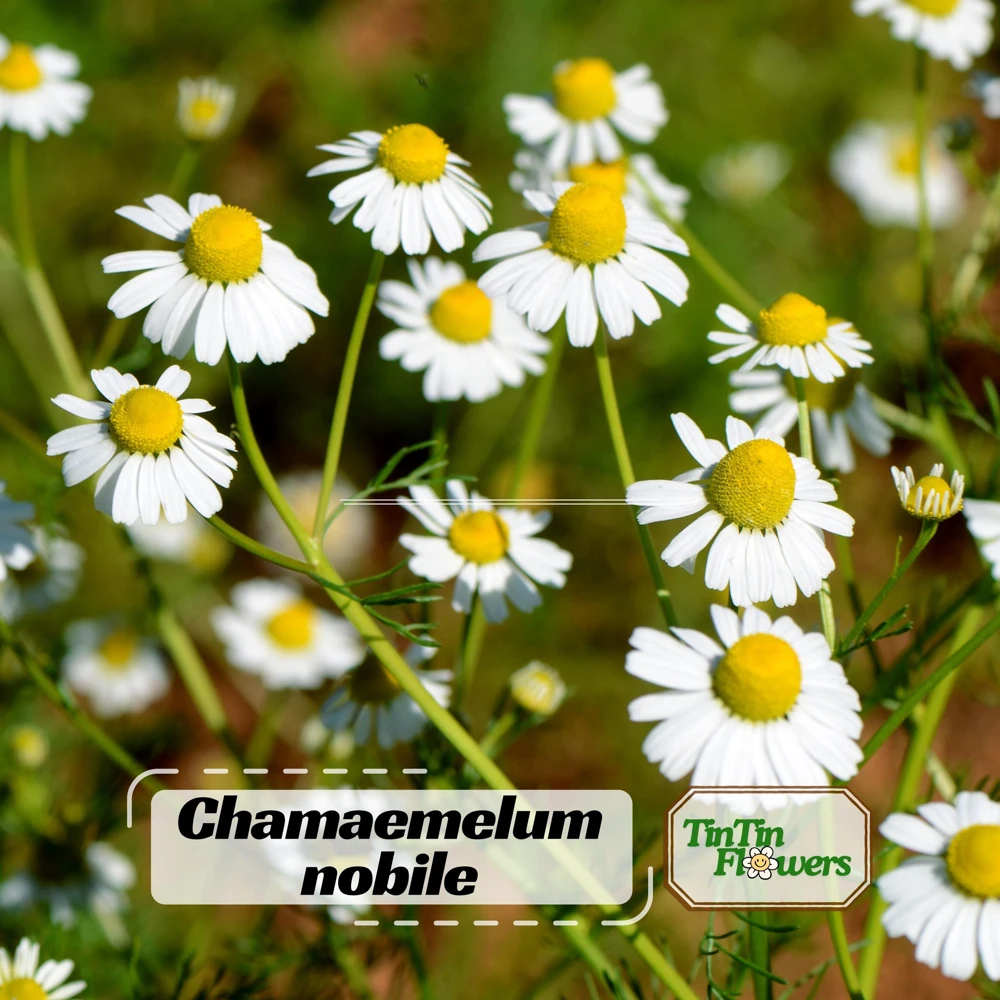
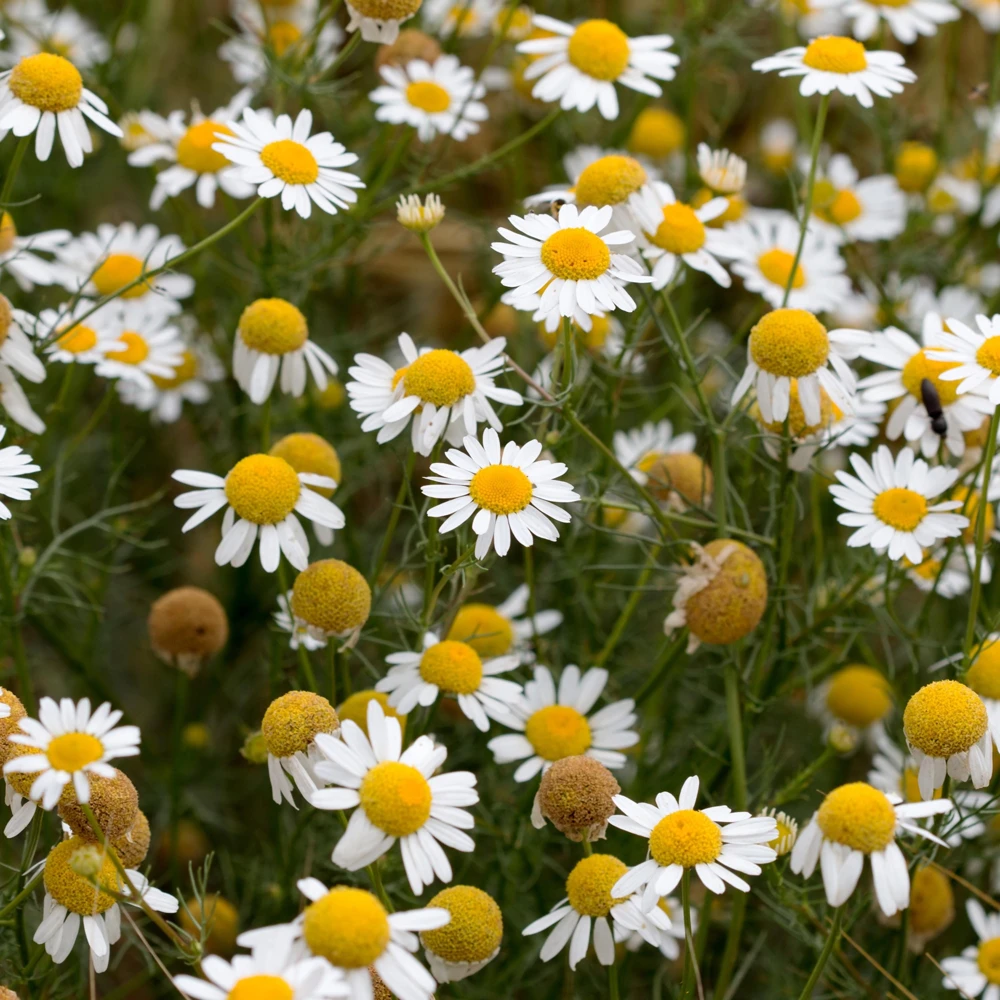
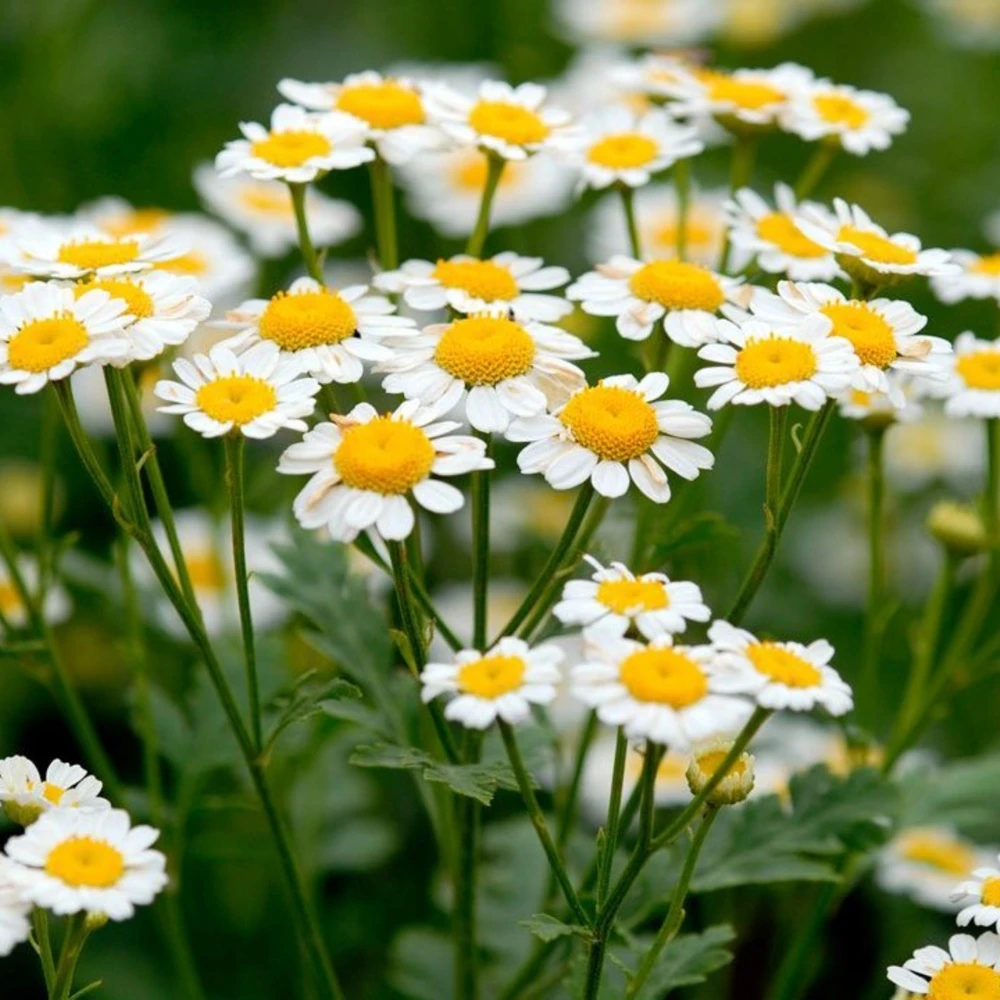
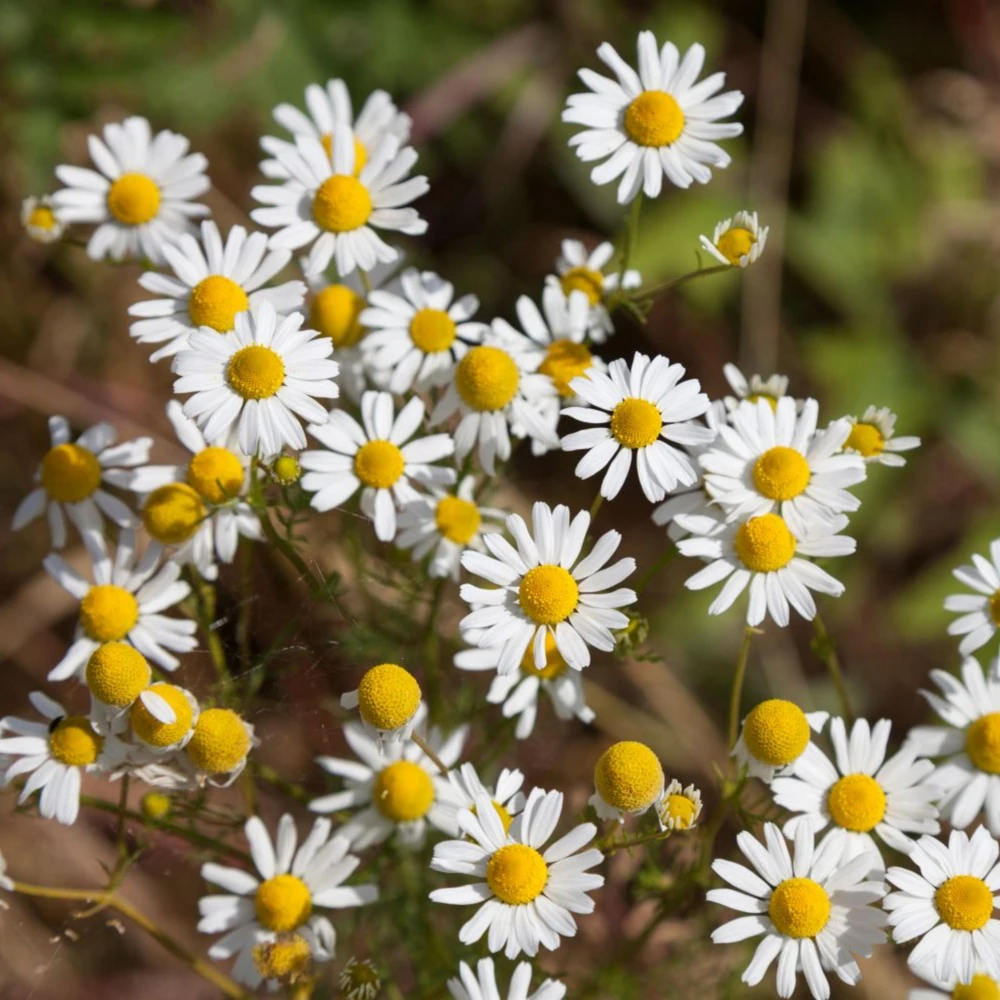
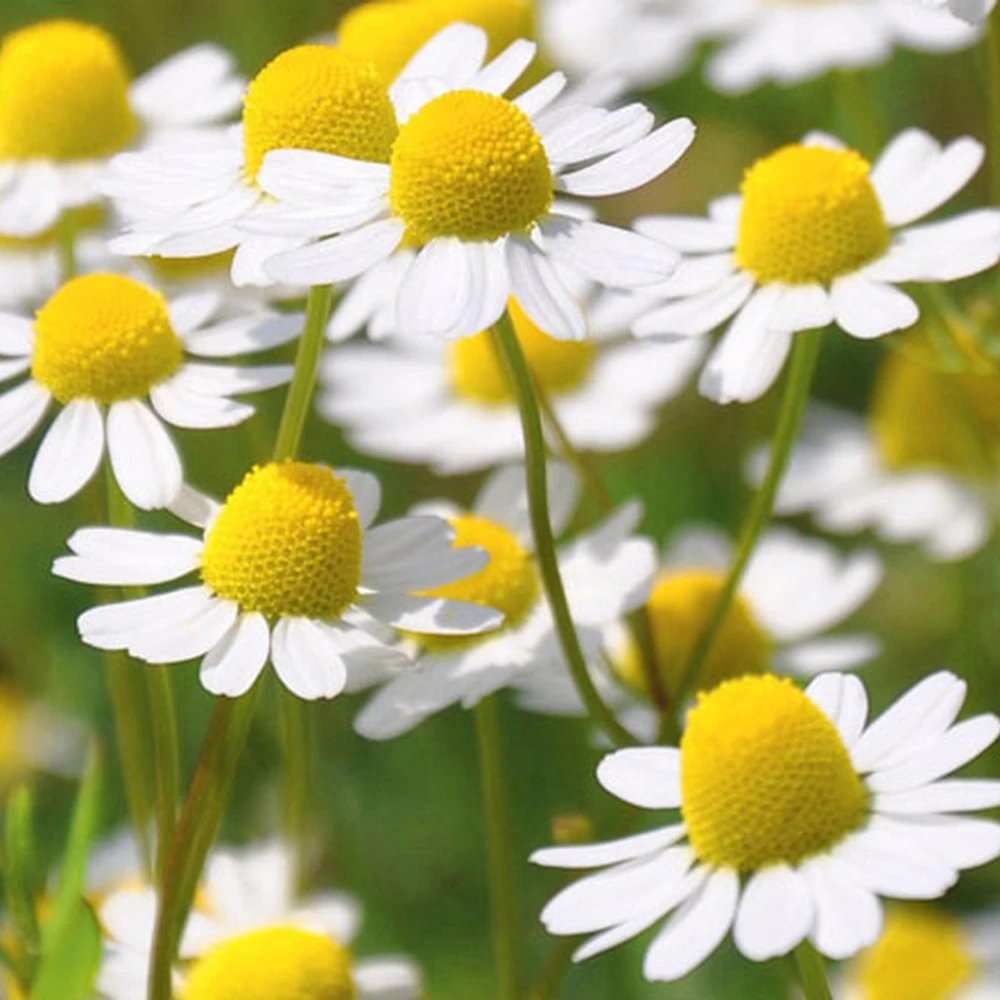
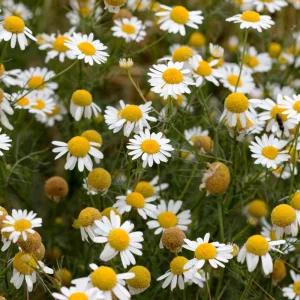
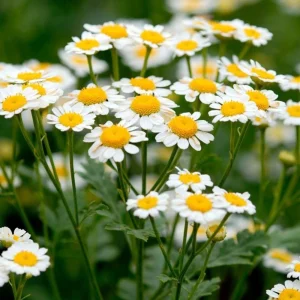
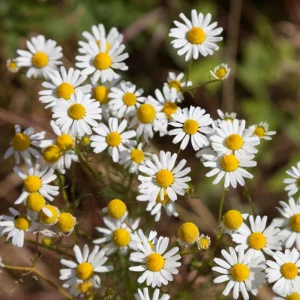
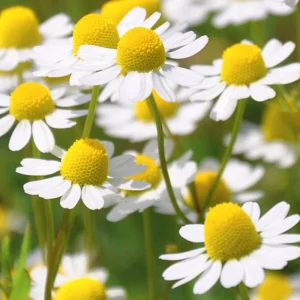
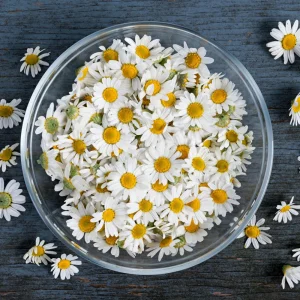
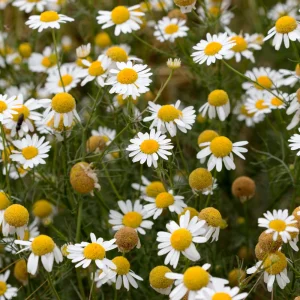
Discover the joy of growing your own calming herb with our premium Roman Chamomile seeds. Known scientifically as Chamaemelum nobile, this delightful perennial is celebrated for its delicate, daisy-like flowers and apple-scented foliage. Ideal for creating a serene garden space or for harvesting to make soothing herbal teas, these Roman Chamomile seeds are a must-have for any enthusiast of natural remedies and beautiful blooms. Our seeds are carefully selected to ensure high germination rates, providing you with a robust start to your Chamomile patch. This versatile plant also serves as an attractive groundcover or a lovely addition to rock gardens, blooming profusely throughout the summer months.
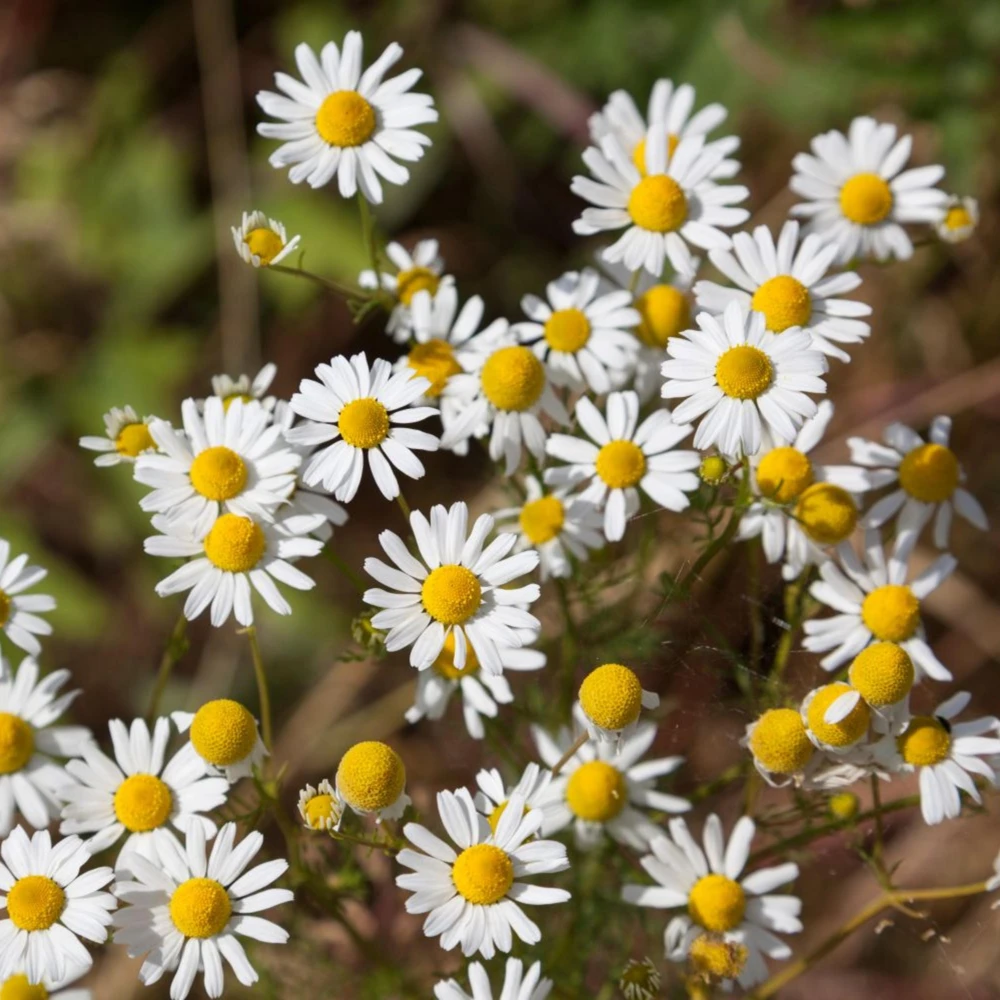
Often confused with German Chamomile, Roman Chamomile is a true perennial, returning year after year with its charming white and yellow blossoms. It’s a low-growing plant that spreads gently, forming a fragrant carpet, making it an excellent choice for planting between stepping stones or along pathways where its aroma can be released when brushed. These non GMO herb seeds ensure you are growing a pure and authentic variety, free from genetic modification, aligning with natural gardening practices. Embrace the therapeutic qualities and aesthetic appeal of this classic herb.
Key Benefits
Growing Roman Chamomile seeds offers a multitude of benefits, from enhancing your garden’s beauty to providing a natural source for relaxation and wellness. Here are some of the standout advantages:
- Aromatic & Relaxing: The flowers and foliage emit a delightful apple-like scent, known for its calming properties. A cup of tea made from your home-grown Chamomile tea plant can help soothe nerves and promote restful sleep.
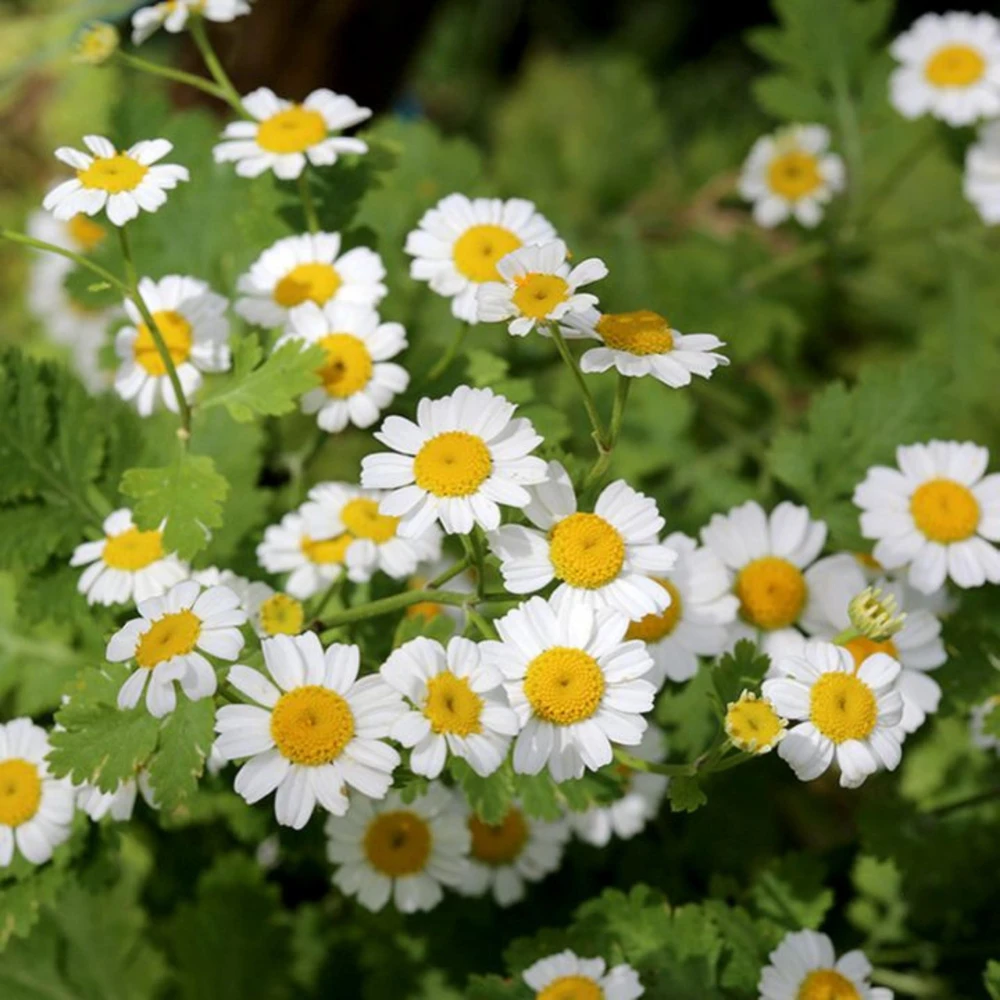
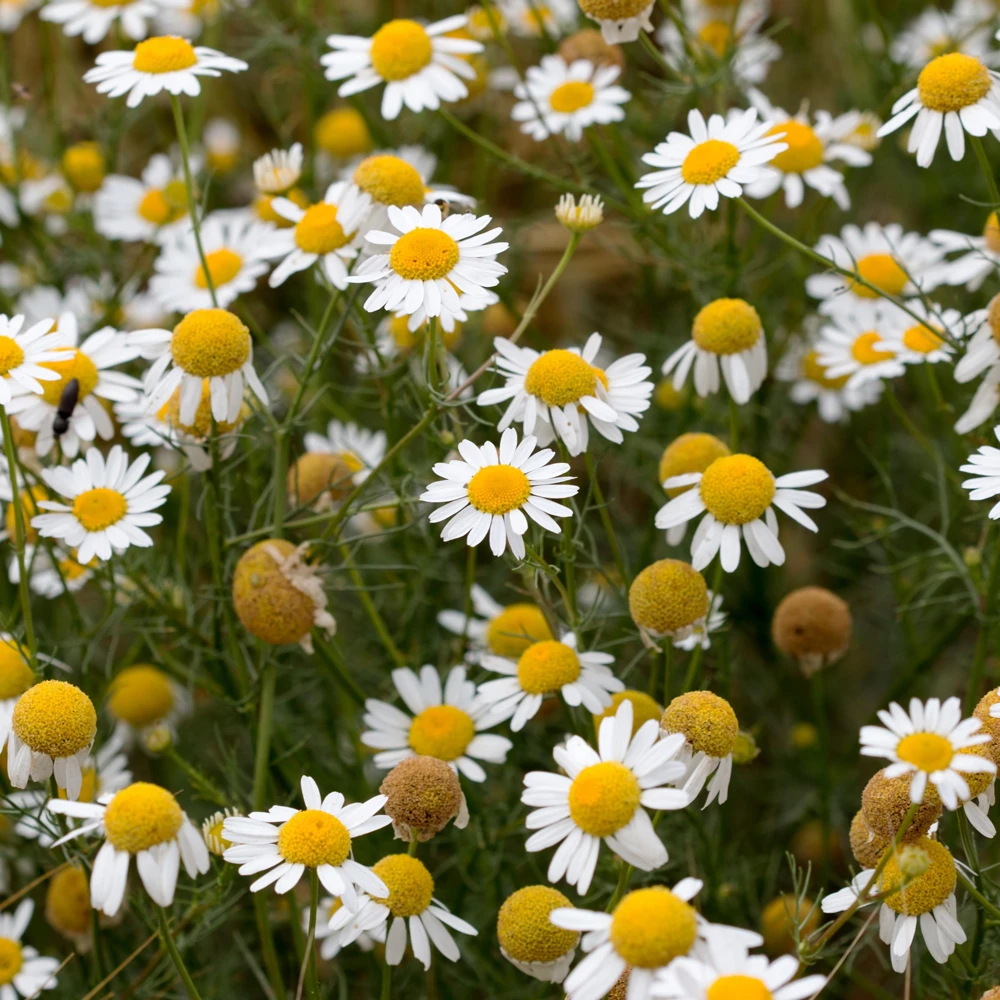
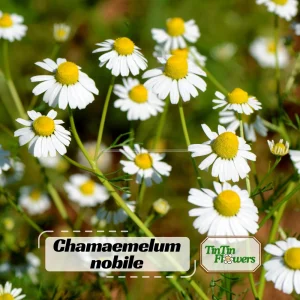
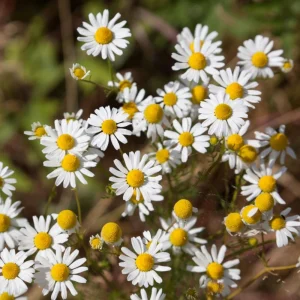
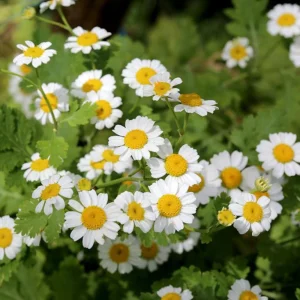
- Beautiful & Prolific Blooms: Produces an abundance of small, white, daisy-like flowers with yellow centers throughout a long season, adding charm and elegance to any garden setting.
- Perennial Growth: As a perennial Chamomile seeds variety, it returns year after year, saving you the effort of replanting each season and establishing a long-term source of fresh Chamomile.
- Non-GMO Assurance: Our non GMO herb seeds guarantee you’re growing a natural and unaltered plant, perfect for those who prioritize organic and pure gardening.
- Versatile Garden Use: Excellent as a fragrant groundcover, for planting in containers, herb gardens, or even as a unique lawn alternative in low-traffic areas.
- Attracts Pollinators: The charming flowers are a magnet for beneficial insects like bees and butterflies, contributing to a healthy garden ecosystem.
- Low Maintenance: Once established, Roman Chamomile is relatively drought-tolerant and requires minimal care, making it suitable for both experienced and novice gardeners.
Plant Care & Growing Tips
Successfully growing Roman Chamomile seeds requires attention to a few key environmental factors. This hardy perennial thrives in conditions that mimic its native Mediterranean habitat. When it comes to sunlight, Roman Chamomile prefers full sun to partial shade. Aim for at least 6 hours of direct sunlight per day for the best flowering and growth. In hotter climates, some afternoon shade can prevent scorching and help maintain vibrant foliage. If growing indoors, place your pots in a south-facing window or under grow lights to ensure adequate light exposure. Proper light is crucial for a healthy Chamomile tea plant.
Watering should be consistent but moderate. Roman Chamomile prefers well-draining soil and does not like to sit in soggy conditions, which can lead to root rot. Water thoroughly when the top inch of soil feels dry to the touch, then allow it to dry out slightly before the next watering. Overwatering is a common mistake. For soil, a well-draining loam with a pH between 5.6 and 7.5 is ideal. Incorporating organic matter like compost can improve soil structure and fertility. These perennial Chamomile seeds will establish best in soil that drains freely.
Roman Chamomile is quite resilient and generally pest-free. It is hardy in USDA zones 4-9. In colder zones, a layer of mulch applied in late fall can provide protection for the roots over winter. Fertilization is typically not necessary, especially if grown in rich, organic soil. If your plant seems to be struggling, a balanced liquid fertilizer diluted to half strength can be applied once in early spring. Pinching back growing stems in spring can encourage a bushier, more compact plant. Removing spent blooms, known as deadheading, will extend the flowering period. For those looking to grow Roman Chamomile for tea, regular harvesting of flowers will also encourage more blooms.
Size & Details
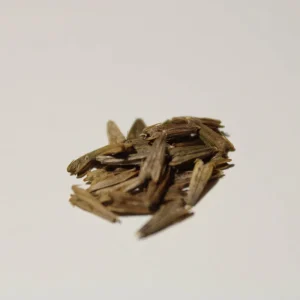
Our Roman Chamomile seeds are supplied in packs of 30 seeds, providing ample opportunity to establish a thriving patch. This desirable compact variety typically grows to a height of 6-12 inches (15-30 cm) with a spread of 12-18 inches (30-45 cm), forming a dense, bushy habit. The plant is known for its prolific production of huge blooms over a long season, typically from late spring through summer and into early fall. The small, daisy-like flowers are about 0.5-1 inch (1.2-2.5 cm) in diameter.
When you grow Roman Chamomile from these seeds, expect germination within 7-14 days under optimal conditions. Plants will typically establish quickly and can start producing flowers in their first year, with full maturity and bloom production in their second year. This perennial is well-suited for containers, making it an excellent choice for patios or balconies, and is also ideal for planting at water’s edge or as a fragrant groundcover. The species name, militaris, refers to the resemblance of its leaves to 16th-century military weapons, a fascinating detail for plant enthusiasts.
Frequently Asked Questions
- Q: How big does Roman Chamomile get? A: Roman Chamomile typically grows 6-12 inches tall and spreads about 12-18 inches wide, forming a compact and bushy plant. It’s excellent for groundcover or containers.
- Q: Is this an indoor or outdoor plant? A: While primarily an outdoor plant thriving in gardens, Roman Chamomile can also be grown indoors in a sunny location, such as a south-facing window, provided it receives adequate light.
- Q: How much sunlight does Roman Chamomile need? A: It prefers full sun to partial shade, ideally receiving at least 6 hours of direct sunlight daily for the best flowering. In very hot climates, some afternoon shade can be beneficial.
- Q: Are these Roman Chamomile seeds easy to grow for beginners? A: Yes, Roman Chamomile is considered relatively easy to grow from seed. It’s a low-maintenance plant once established, making it suitable for gardeners of all experience levels.
- Q: What condition will the seeds arrive in? A: You will receive a packet containing 30 high-quality Roman Chamomile seeds, carefully packaged to ensure their viability and safe arrival.
- Q: When is the best time to plant Roman Chamomile seeds? A: The best time to plant is in early spring after the last frost, or in late summer for overwintering in milder climates. Indoor sowing can begin 6-8 weeks before the last frost.
- Q: Can I use the flowers to make tea? A: Absolutely! The flowers of Roman Chamomile are perfect for making a soothing herbal tea known for its calming and relaxing properties. Harvest them when fully open.
- Q: What type of soil is best for Roman Chamomile? A: Roman Chamomile thrives in well-draining soil with a neutral to slightly acidic pH. A sandy loam enriched with some organic matter is ideal.
- Q: Is Roman Chamomile deer resistant? A: Yes, Roman Chamomile is known to be highly deer resistant, making it a great choice for gardens where deer might be an issue.
- Q: How long does it take for Roman Chamomile to bloom from seed? A: You can expect the first blooms within the first growing season, typically 60-90 days after planting, with more abundant flowering in subsequent years.


Reviews
There are no reviews yet.