Overview
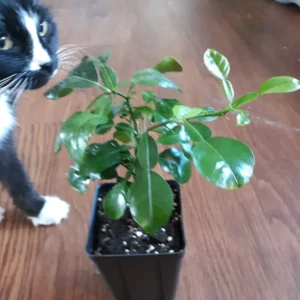
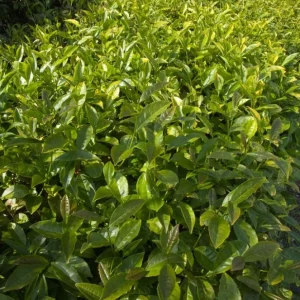
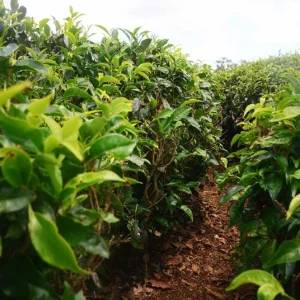
Embark on the rewarding journey of growing your own tea with this vibrant camellia sinensis live plant. Also known as the common tea plant, Camellia sinensis is the species whose leaves and leaf buds are used to produce all types of tea, including green, black, white, and oolong. This young, healthy starter plant typically measures 6 to 8 inches tall, providing an excellent foundation for a thriving tea garden. Whether you aspire to brew your own artisanal teas or simply enjoy the lush foliage, this plant offers both beauty and utility. It adapts well to various growing conditions, making it a versatile choice for both experienced gardeners and novices looking to grow your own tea.
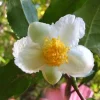
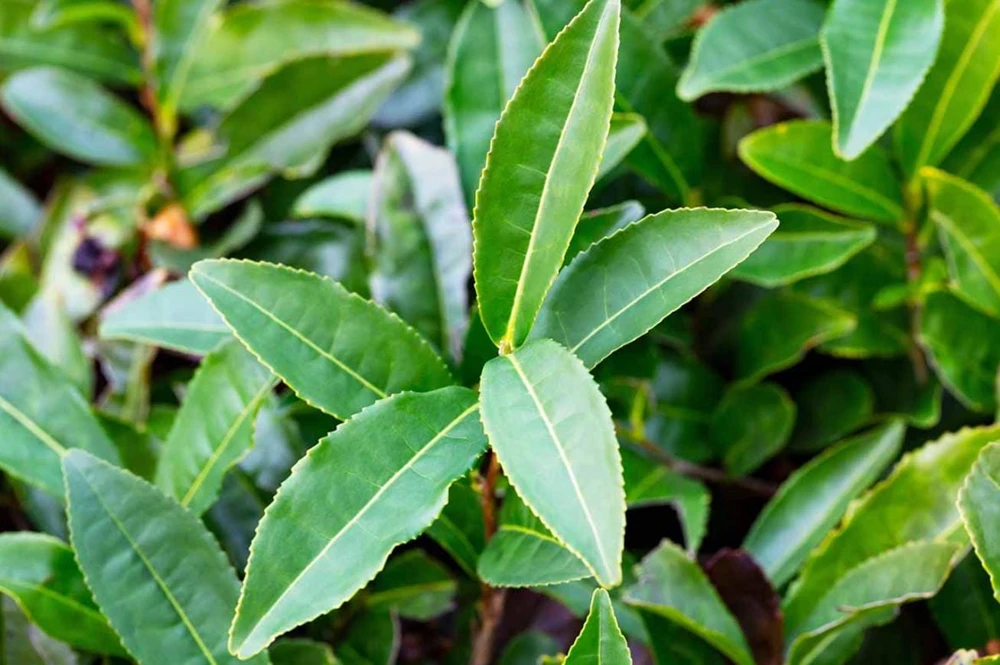
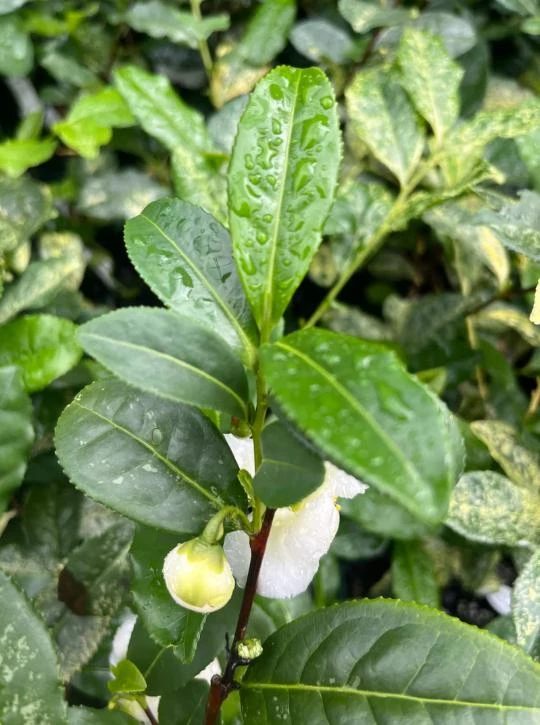
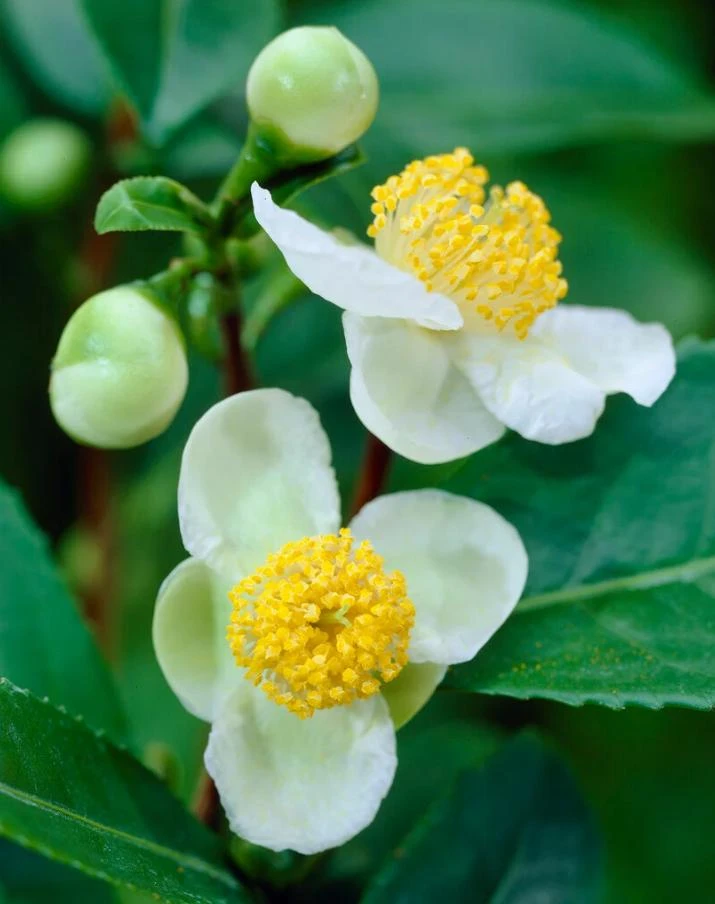
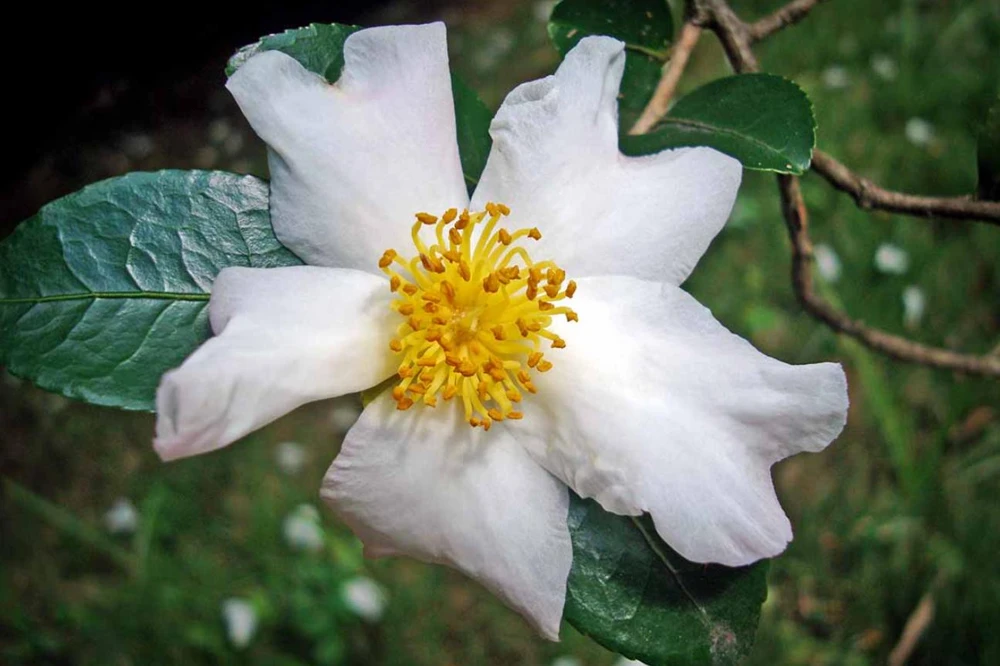
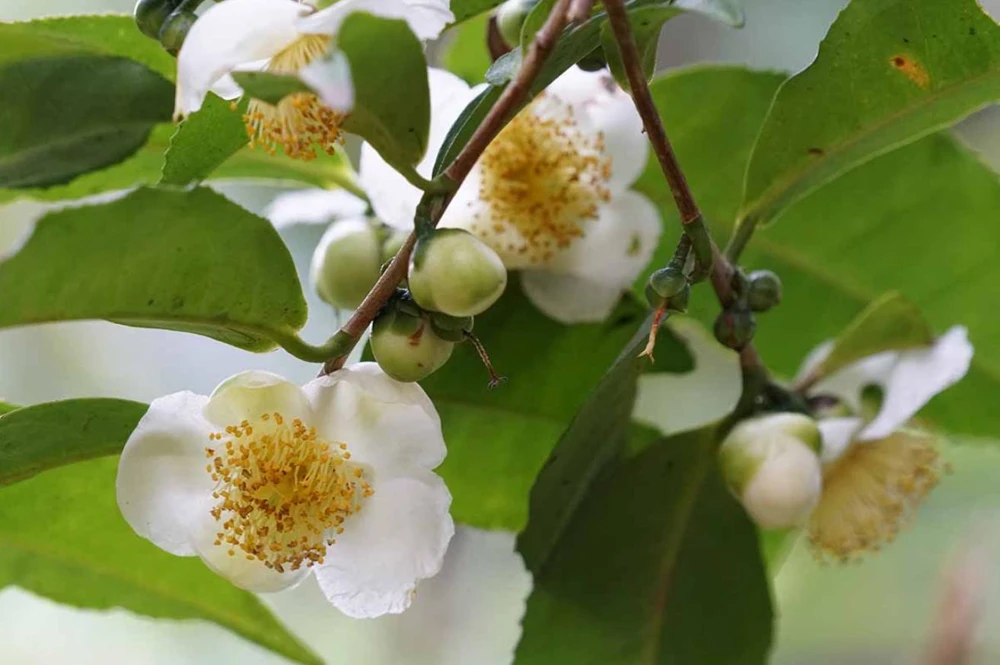
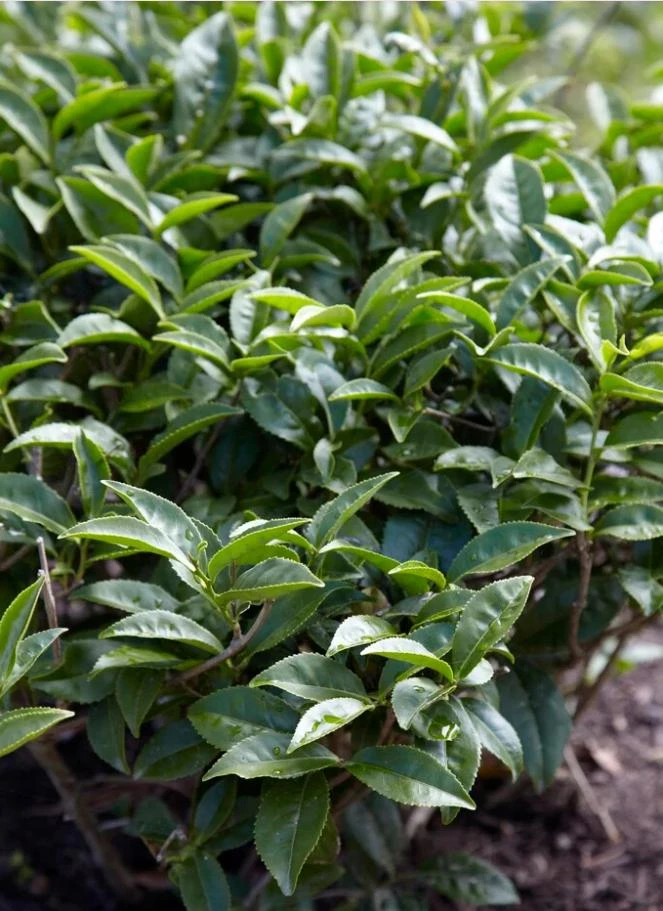
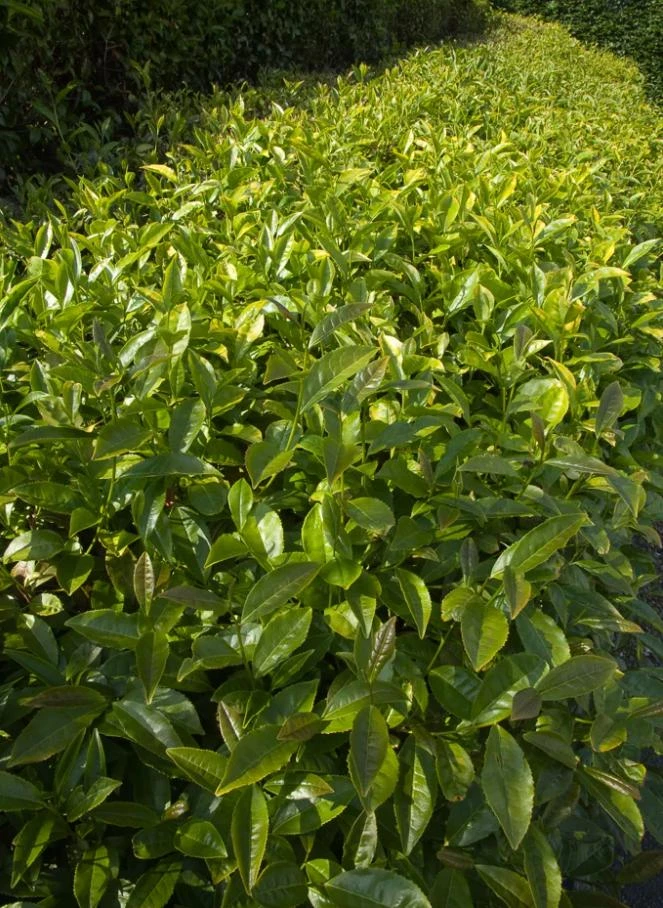
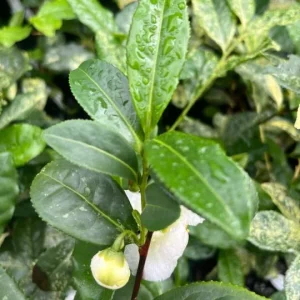
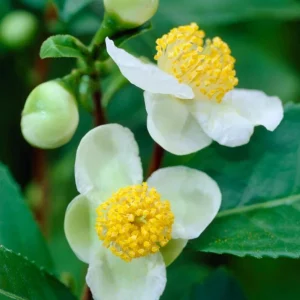
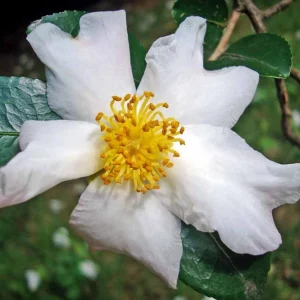
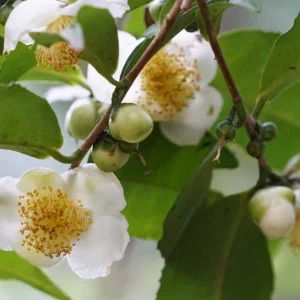
Our camellia sinensis live plant is carefully cultivated to ensure a strong start. It’s a beautiful ornamental shrub that can be a focal point in your garden or a charming addition to your indoor plant collection. With its glossy green leaves and potential for delicate white flowers, it adds a touch of elegance wherever it’s placed. This particular offering is a robust starter that, with proper care, will mature into a productive and attractive specimen, allowing you to harvest your own tea leaves right at home.
Key Benefits
Owning a camellia sinensis live plant brings a unique blend of aesthetic pleasure and practical benefits to your home or garden. Beyond its ornamental value, this plant offers the unparalleled satisfaction of producing your own tea.
- Fresh Tea Production: Enjoy the freshest tea possible by harvesting leaves directly from your plant. Experience the unique flavors of homemade green, black, or oolong tea, giving you complete control over your brew.
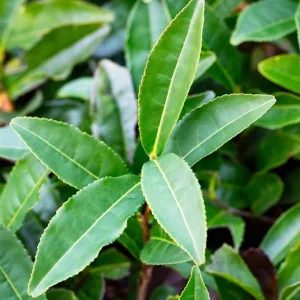
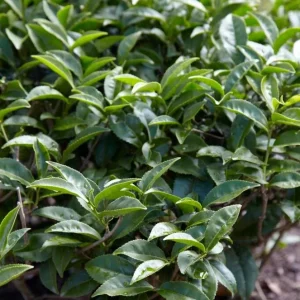
- Beautiful Foliage: The glossy, evergreen leaves of the Camellia sinensis plant provide year-round beauty, making it an attractive addition to any indoor or outdoor space. Its dense growth habit creates a lush, vibrant display.
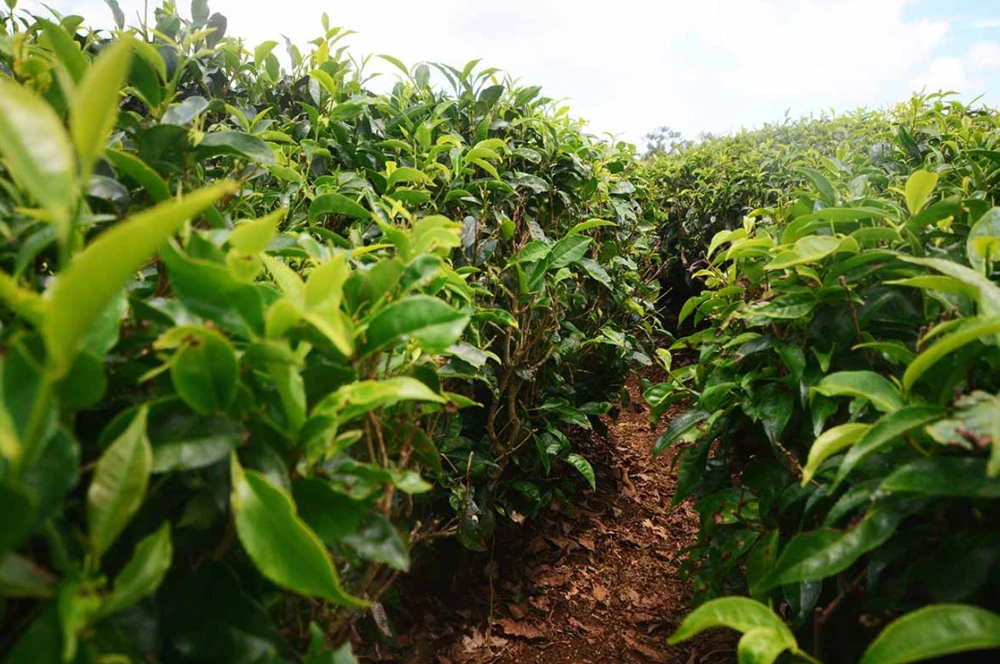
- Versatile Growth: This adaptable plant can be grown in various settings. It thrives beautifully in containers on patios, can be integrated into garden beds, or cultivated as a charming indoor tea plant, fitting diverse living arrangements.
- Educational Experience: Growing your own tea offers a fascinating educational experience about plant biology, cultivation, and the origins of one of the world’s most popular beverages. It’s perfect for families and curious gardeners.
- Air Purification: Like many houseplants, Camellia sinensis contributes to improved indoor air quality by converting carbon dioxide into oxygen and potentially filtering out certain airborne toxins.
- Stress Reduction: The act of nurturing a plant, especially one with such a rewarding output, can be a calming and meditative activity, contributing to overall well-being and stress reduction.
- Sustainable Living: By cultivating your own tea, you contribute to a more sustainable lifestyle, reducing your reliance on commercially produced goods and enjoying a truly homegrown product. This contributes to the broader goal of helping you grow your own tea.
Plant Care & Growing Tips
Proper tea plant care is essential for your camellia sinensis live plant to flourish and produce delicious leaves. This guide will help you provide the optimal environment for your new plant. Camellia sinensis thrives in bright, indirect sunlight. If grown outdoors, choose a location that receives morning sun and afternoon shade, especially in warmer climates, to prevent leaf scorch. When grown indoors, place it near a window with bright, filtered light; an east or north-facing window is often ideal. Avoid direct, harsh afternoon sun, which can stress the plant.
Watering is crucial for a healthy tea plant. Keep the soil consistently moist but never waterlogged. Allow the top inch of soil to dry out slightly between waterings. Overwatering can lead to root rot, while underwatering will cause the leaves to wilt. Plant your Camellia sinensis in well-draining, nutrient-rich, acidic soil (pH 5.5-6.5). A mix formulated for acid-loving plants or a rhododendron/azalea mix works well. Ensure containers have drainage holes. The plant is hardy in USDA zones 7-9. In colder regions, it must be grown in a container and brought indoors before the first frost, or protected from freezing temperatures. Maintain temperatures between 60-80°F (15-27°C) for optimal growth.
Regular feeding helps young plants grow strong and encourages lush foliage. Use a balanced, slow-release fertilizer designed for acid-loving plants during the growing season (spring and summer). Reduce feeding in fall and winter. Pruning can help maintain shape, encourage bushier growth, and promote new leaf production for harvesting. Remove any dead or diseased branches. While relatively pest-resistant, keep an eye out for common houseplant pests like spider mites or aphids and treat promptly with an organic insecticidal soap if necessary. With consistent tea plant care, your starter will develop into a robust and productive plant.
Size & Details
This offering is for a young camellia sinensis live plant, typically measuring between 6 to 8 inches in height upon arrival. This is a starter plant, providing a robust foundation for future growth. It is normally grown in a 6-inch pot before shipping, ensuring it has developed a healthy root system. The plant is shipped without its pot to minimize transit stress and reduce shipping costs, so please have appropriate soil and a container ready for planting upon its arrival. With proper care, this young plant has a moderate growth rate and will gradually mature into a larger shrub capable of producing abundant tea leaves. Expect it to take 2-3 years to reach a size suitable for regular harvesting, though you may enjoy small yields sooner. The mature size can vary depending on growing conditions, ranging from 3-6 feet tall and wide in containers to over 10 feet in ideal garden settings.
Frequently Asked Questions
- Q: How big does this Camellia sinensis plant get? A: This is a starter plant, typically 6-8 inches tall upon arrival. With proper care, it can grow to 3-6 feet tall and wide in a container, or over 10 feet if planted in the ground in suitable climates.
- Q: Is this an indoor or outdoor plant? A: The camellia sinensis live plant is versatile. It can be grown outdoors in USDA Zones 7-9. In colder zones, it thrives as an indoor tea plant or can be kept in a container and brought inside during winter.
- Q: How much sunlight does it need? A: It prefers bright, indirect sunlight. If outdoors, morning sun with afternoon shade is ideal. Indoors, place it near a bright window that receives filtered light, avoiding harsh direct sun.
- Q: Is this plant easy to care for? A: While it is a starter plant that requires consistent attention, tea plant care is manageable for beginners. Providing the right light, water, and acidic soil will ensure its success.
- Q: What condition will it arrive in? A: Your plant will arrive healthy and ready for planting, shipped without a pot to ensure safe transit. Minor cosmetic leaf damage can occur during shipping but does not affect the plant’s long-term health.
- Q: Can I use the leaves to make tea right away? A: This is a young starter plant. While you may be able to harvest a few leaves, it’s best to allow the plant to establish and grow for 2-3 years before regular harvesting to ensure its health and productivity. This helps you to successfully grow your own tea.
- Q: What type of soil is best for this tea plant? A: Camellia sinensis thrives in well-draining, acidic soil with a pH between 5.5 and 6.5. A potting mix designed for acid-loving plants like azaleas or rhododendrons is recommended.
- Q: How often should I water my tea plant? A: Keep the soil consistently moist but not waterlogged. Allow the top inch of soil to dry out slightly between waterings. Adjust frequency based on temperature and humidity.
- Q: Will it survive winter in my zone? A: It is hardy in USDA Zones 7-9 outdoors. If you live in a colder zone, it must be protected from freezing temperatures, typically by bringing it indoors or providing significant winter protection.
- Q: When is the best time to plant this Camellia sinensis starter? A: For outdoor planting in suitable zones, spring or early fall is ideal. For indoor container growing, it can be planted year-round, ensuring it has adequate light and warmth.


Reviews
There are no reviews yet.